🇹🇷 Türkçe | masaüstü hesap cetveli günleri: salonda toplanan ailelerin sessiz heyecanı ile büyüyen bir alışkanlık neden unutulmadı çay buharına karışan anlarda baharın serin nefesini taşıyarak
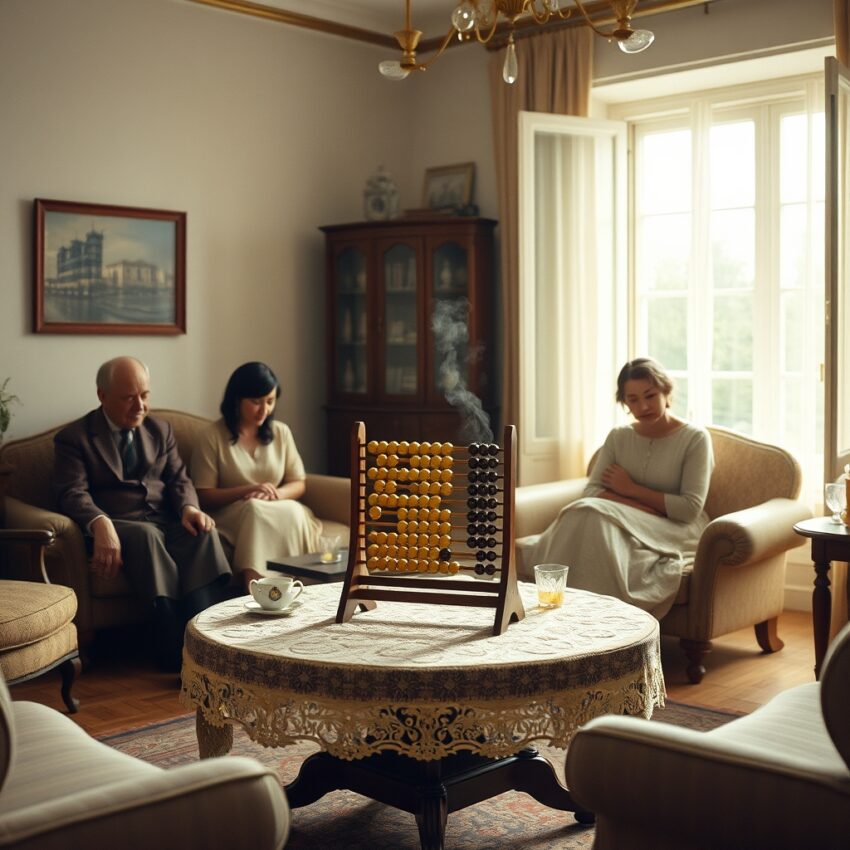
Bahar akşamüstülerinin kendine özgü bir serinliği vardır; pencere aralığından içeri süzülen hava, mutfakta demlenen çayın buharıyla karışınca evin içi bir anda daha dikkatli, daha derli toplu görünür. Bir zamanlar tam da böyle saatlerde, salonun ortasındaki sehpanın üstüne masaüstü hesap cetveli bırakılır, aile bireyleri sanki küçük bir törene çağrılmış gibi çevresine toplanırdı. Bu alet yalnız rakamları toplamak için değil, evin gündelik düzenini görünür kılmak için de kullanılırdı. Kimi zaman babanın işten getirdiği hesaplar, kimi zaman annenin pazar masrafı notları, kimi zamansa çocukların öğrenmesi için yapılan küçük toplama alıştırmaları aynı cetvelin boncuklarında dolaşırdı. Parmaklar çubuklar üzerinde ilerledikçe salonda yüksek sesli bir hareketlilik değil, tatlı bir dikkat çoğalırdı.
Teknoloji Mirası açısından masaüstü hesap cetveli, analog zekânın en sade ama en öğretici araçlarından biridir. Elektrikli hesap makineleri yaygınlaşmadan önce bu cihaz, hem esnaf tezgâhlarında hem okul sıralarında hem de ev içi muhasebede kullanılan güvenilir bir yardımcıydı. Çerçevesi çoğu zaman ahşap ya da metal olur, boncuklar yılların kullanımından hafifçe parlar, çubukların kayma sesi evin içinde tanıdık bir tını bırakırdı. Bugün sayılar ekranlarda sessizce akıp giderken, o günlerde hesabın göze görünmesi ve ele değmesi önemliydi. İşlem yapılırken rakamlar yalnız zihinde değil, hareket hâlindeki nesneler olarak da anlaşılırdı. Bu yüzden hesap cetveli, matematik öğretmekten öte sabır, düzen ve dikkat duygusu aşılayan bir ev teknolojisiydi.
Bu alışkanlığın unutulmamasının nedeni biraz da ailece yaşanmasında saklıdır. Salonda toplananlar her zaman resmi bir iş yapmıyor olurdu; bazen aylık giderler konuşulur, bazen çocuklardan biri ödev için yardım ister, bazen de büyükler eski usul hesap yapmanın pratikliğini göstermek isterdi. Çayın ince belli bardaklarda dolaşması, tabağa konmuş birkaç bisküvi, açık pencerenin ardından gelen bahar serinliği bu sessiz heyecana eşlik ederdi. Kimse bağırmaz, kimse acele etmezdi. Hesap cetvelinin boncukları bir sağa bir sola kayarken, salonun içi dikkatli bir huzurla dolardı. Çocuk için bu alet hem oyuna yakın hem ciddi bir dünya sunardı; yetişkin içinse ev ekonomisinin somutlaştığı sakin bir güven duygusu taşırdı.
Masaüstü hesap cetvelinin bellekte bu kadar canlı kalması, onun yalnız bir araç değil, bir atmosfer kurucu olmasından da gelir. Açık perdeden süzülen akşam ışığı boncukların üstünde ince çizgiler bırakır, çaydanlığın buharı camı hafifçe buğulandırır, dışarıdan kuş sesleri ya da uzaktaki bir satıcının sesi duyulurdu. Tüm bunların ortasında hesap cetveli, teknolojinin insanı sessizce toparladığı bir merkez gibi dururdu. Bugünün dijital araçları elbette çok daha hızlı; ama hız çoğu zaman ortak dikkatin yerini almıyor. O eski cihazın unutulmayan yanı, aile bireylerini aynı masa etrafında kısa süreliğine de olsa aynı düşünceye çağırabilmesiydi.
Geçmişe dönüp bakınca masaüstü hesap cetveli günlerinin neden unutulmadığı daha iyi anlaşılıyor. O alışkanlık, rakamların ötesinde bir ev içi kültürü temsil ediyordu: hesap vermenin değil, birlikte düşünmenin; yetişmenin değil, öğretmenin; acele etmenin değil, usulca anlamanın kültürüydü. Çay buharına karışan bahar serinliği, o anları yalnız mevsimsel değil, duygusal olarak da yumuşatıyordu. Bugün bir yerde boncuklu bir cetvel görüldüğünde insanın aklına hemen çocukluk salonları, sessiz sohbetler ve dikkatle tutulan küçük ev hesapları geliyorsa, bunun nedeni tam da budur. Bazı teknolojiler iş görmekten fazlasını yapar; zamanı ve aileyi aynı çizgide buluşturur.
🇬🇧 English | The Days of the Desktop Abacus: Why Was a Habit That Grew with the Quiet Excitement of Families Gathering in the Living Room Not Forgotten, Carrying the Cool Breath of Spring in Moments Mixed with Tea Steam?
Spring afternoons carry a coolness of their own. When air slips through a half-open window and mingles with the steam of freshly brewed tea, the whole house seems to grow more attentive, more composed. There was a time when, in exactly such hours, a desktop abacus would be placed on the coffee table in the middle of the living room, and family members would gather around it as if called to a small ceremony. The instrument was not used only to add numbers, but to make the rhythm of household order visible. Sometimes it was for accounts a father had brought home from work, sometimes for a mother’s market notes, and sometimes for simple arithmetic shown to children. As fingers moved the beads across the rods, the room did not fill with noisy activity, but with a gentle concentration.
As a piece of technological heritage, the desktop abacus was one of the simplest yet most instructive tools of analog intelligence. Before electric calculators became widespread, it served reliably on shop counters, in schoolrooms, and within domestic bookkeeping. Its frame was often wood or metal, the beads polished slightly by long use, and the soft clicking sound of movement along the rods became a familiar domestic note. Today numbers pass silently across screens, but in those years calculation mattered not only as thought, but as touch and motion. The numbers were understood through visible action. In that sense, the abacus did more than teach arithmetic. It introduced patience, order, and attentiveness into household life through a small piece of practical technology.
One reason the habit was never forgotten lies in the fact that it was shared. People gathered in the living room were not always performing formal work. Sometimes monthly expenses were discussed, sometimes a child asked for help with homework, and sometimes the older generation simply wanted to demonstrate the elegance of old methods. Tea moved through the room in tulip-shaped glasses, a few biscuits rested on a plate, and the spring air entering from the open window accompanied the quiet excitement. No one rushed. No one needed to raise a voice. As the beads shifted from side to side, the room filled with a careful kind of peace. For children, the abacus seemed to belong at once to the world of play and to the world of seriousness. For adults, it carried the calm reassurance of a household economy made tangible.
The reason the desktop abacus remains so vivid in memory is also that it shaped an atmosphere rather than merely performing a task. Evening light passing through the curtain drew thin lines over the beads, tea steam softened the window glass, and from outside came birdsong or the faint call of a street vendor. In the middle of all this, the abacus stood like a quiet center where technology gathered people into the same attention. Today’s digital tools are certainly faster, yet speed rarely replaces shared focus. What made that old device unforgettable was its ability to bring a family, even briefly, into a common act of thought.
Looking back, it becomes easier to understand why the days of the desktop abacus survived in memory. The habit represented more than working with numbers. It embodied a domestic culture not of pressure, but of thinking together; not of hurrying, but of understanding step by step; not only of counting, but of teaching. The cool breath of spring mixed with tea steam softened those moments not only seasonally, but emotionally. If the sight of a bead-frame still summons living rooms, quiet conversations, and carefully kept small household accounts, the reason is simple. Some technologies do more than function. They bring time, learning, and family into alignment.
🇧🇷 Português (Brasil) | Os Dias do Ábaco de Mesa: Por que Não Foi Esquecido um Hábito que Crescia com a Silenciosa Emoção das Famílias Reunidas na Sala, Levando o Frescor da Primavera em Instantes Misturados ao Vapor do Chá?
As tardes de primavera têm um frescor muito particular. Quando o ar entra pela janela entreaberta e se mistura ao vapor do chá recém-passado, a casa inteira parece ficar mais atenta e mais organizada. Houve um tempo em que, justamente nessas horas, um ábaco de mesa era colocado sobre a mesinha da sala e a família se reunia ao redor dele como se atendesse a uma pequena cerimônia. O instrumento não servia apenas para somar números, mas para tornar visível o ritmo da ordem doméstica. Às vezes era usado para contas que o pai trazia do trabalho, às vezes para anotações de feira feitas pela mãe, e às vezes para ensinar às crianças uma soma simples. À medida que os dedos moviam as contas pelos fios, a sala não se enchia de agitação barulhenta, mas de uma concentração suave.
Como herança tecnológica, o ábaco de mesa foi uma das ferramentas mais simples e mais educativas da inteligência analógica. Antes de as calculadoras elétricas se espalharem, ele servia com segurança em balcões de comércio, salas de aula e na contabilidade da casa. Sua moldura costumava ser de madeira ou metal, as contas traziam um brilho leve deixado pelos anos de uso, e o som curto do deslizamento criava uma nota familiar dentro da casa. Hoje os números atravessam as telas em silêncio. Naquele tempo, porém, calcular significava também ver e tocar. Os valores eram compreendidos como movimento concreto. Por isso, o ábaco fazia mais do que ensinar matemática. Introduzia paciência, ordem e atenção na vida doméstica.
Uma das razões para esse hábito não ter sido esquecido está no fato de ele ser vivido em conjunto. Nem sempre quem se reunia na sala estava fazendo algo formal. Às vezes se falava das despesas do mês, às vezes uma criança pedia ajuda para o dever, às vezes os mais velhos queriam apenas mostrar a elegância do cálculo antigo. O chá passava em copos finos, alguns biscoitos esperavam num prato, e o ar fresco da primavera vindo da janela acompanhava aquela emoção contida. Ninguém corria. Ninguém precisava elevar a voz. Enquanto as contas iam de um lado para o outro, a sala se enchia de uma paz cuidadosa. Para a criança, o ábaco parecia estar ao mesmo tempo perto da brincadeira e da seriedade. Para os adultos, trazia a segurança tranquila de uma economia doméstica tornada concreta.
O motivo de o ábaco de mesa permanecer tão vivo na memória também está no fato de ele construir uma atmosfera, e não apenas cumprir uma função. A luz do fim da tarde que passava pela cortina desenhava linhas finas sobre as contas, o vapor do chá embaçava levemente o vidro da janela, e do lado de fora chegavam pássaros ou o chamado distante de algum vendedor. No meio de tudo isso, o ábaco ficava como um centro silencioso, reunindo todos na mesma atenção. As ferramentas digitais de hoje são sem dúvida mais rápidas, mas a rapidez raramente substitui a concentração compartilhada. O que tornava aquele objeto inesquecível era sua capacidade de trazer a família, ainda que por instantes, para um mesmo exercício de pensamento.
Olhando para trás, fica mais fácil entender por que os dias do ábaco de mesa não desapareceram da lembrança. Esse costume representava mais do que lidar com números. Representava uma cultura doméstica de pensar junto, de ensinar sem pressa e de compreender passo a passo. O frescor da primavera misturado ao vapor do chá tornava aqueles instantes mais suaves não apenas no clima, mas no sentimento. Se a imagem de uma moldura com contas ainda faz surgir na memória salas de estar, conversas baixas e pequenos controles da casa feitos com cuidado, é por uma razão simples. Certas tecnologias fazem mais do que funcionar. Elas alinham tempo, aprendizado e família.