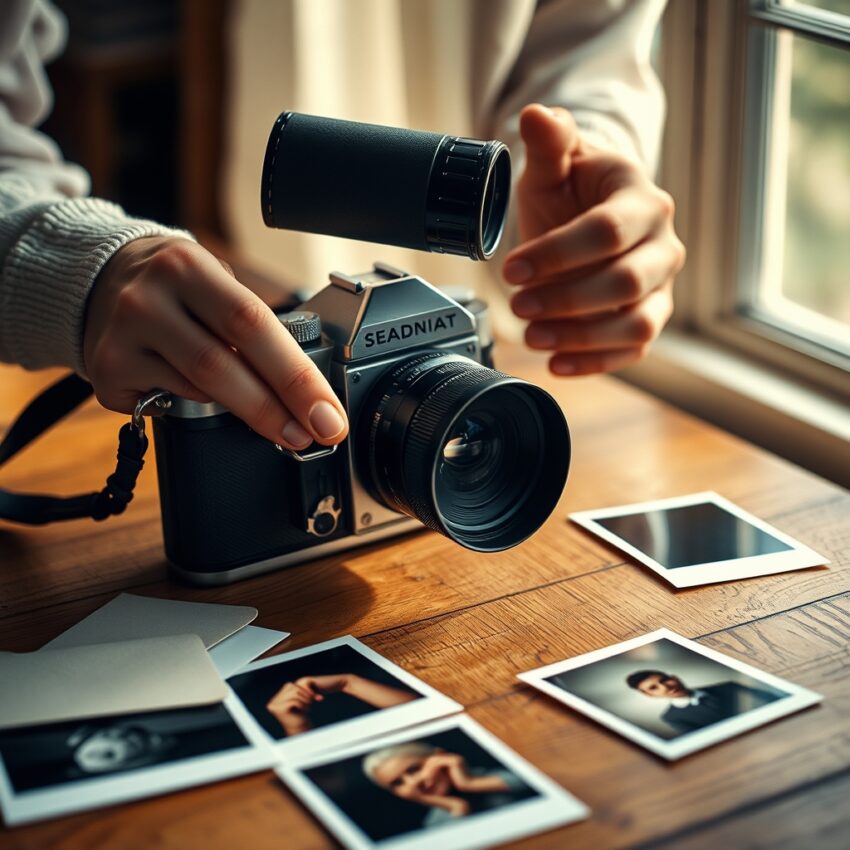
🇹🇷 Türkçe | Filmli Makinenin Başında Biriken Sabır ve Bekleyişin Coşkusu
Bir zamanlar filmli fotoğraf makinesi başında geçirilen saatler, yalnız teknik bir uğraş değil; neredeyse tören gibi yaşanan bir heyecandı. Makinenin metal gövdesine dokunmak, vizörden bakarken çerçeveyi sessizce kurmak, ışığın yönünü kollamak ve filmi boşa harcamamaya çalışmak, fotoğraf çekmeyi bugünkünden daha ağır ama daha hissedilir bir eyleme dönüştürürdü. Her kare değerliydi; çünkü sayısı sınırlıydı, sonucu hemen görünmüyordu ve yanlış bir an tüm ruloyu gölgeleyebilirdi. İşte bu yüzden filmli makine başında geçen zaman, yalnız görüntü üretmekle değil, beklemeyi öğrenmekle de ilgiliydi. İnsan o makinenin yanında, elindeki ânın kıymetini başka türlü kavrardı.
Teknoloji Mirası açısından filmli makineler, analog çağın gündelik hayata sabır ve dikkat üzerinden yerleşmiş araçları arasında durur. Eski gazetelerin teknoloji eklerinde ya da fotoğrafçı vitrinlerinde görülen bu makineler, teknik beceriyi sıradan kullanıcıya da hissettiren nesnelerdi. Film takmanın doğru yolu, ISO seçimi, poz ölçüsü, netlik halkasının çevrilişi ve çekim sonrası kolun usulca sarılması, fotoğrafı bir parmak hareketinden çıkarıp bir karar sürecine dönüştürürdü. Dijital çağın anlık doğrulama rahatlığı yoktu; ama tam da bu eksiklik, fotoğrafa özel bir heyecan verirdi. Çünkü çekilen her kare, görünmeden önce hayal edilir, beklenir ve biraz umutla korunurdu.
Bu unutulmayan heyecanın büyük kısmı, belirsizlikle kurulan dostluktan gelirdi. Bir doğum gününde çekilen karelerin nasıl çıkacağını günlerce bilmemek, yaz tatilindeki deniz fotoğraflarını banyo sırasına bırakıp sabırsızlıkla beklemek, aile albümüne girecek görüntülerin henüz görünmeyen hâlini zihinde tekrar tekrar canlandırmak, analog çağın duygusal ritmiydi. Filmli makine insanı daha dikkatli bakmaya zorlardı; çünkü her köşe başı, her yüz ifadesi, her ışık oyunu tek seferde yakalanamayabilirdi. Bu yüzden fotoğraf çekmek aynı zamanda göz terbiyesiydi. Hangi anın saklanmaya değer olduğunu seçmek, düğmeye basmadan önce yaşanan küçük tereddütlerle olgunlaşırdı.
Gündelik hayatın içinden bakıldığında filmli makinenin heyecanı, yalnız özel günlere ait değildi. Mahalle arasında bisiklet üstünde çekilen çocuk fotoğrafları, dükkân önünde duran esnaf portreleri, piknik örtüsüne dizilmiş bardaklar, okul gezilerinde yan yana girilen pozlar, hep aynı yavaşlığın içinden doğardı. Fotoğrafçı dükkânından rulo almak, çekilen filmi zarfa koyup teslim etmek, baskılar hazır olduğunda aynı zarfı geri almak, başlı başına bir bekleyiş zinciriydi. O zincir içinde hata da sevinç de daha yoğundu. Bazen yarısı karanlık çıkan bir kareye üzülünür, bazen hiç beklenmeyen bir görüntü albümün en sevilen sayfasına dönüşürdü. Analog çağın heyecanı biraz da tam burada yaşardı: kusurun da hatıraya dahil olmasında.
Bugün filmli fotoğraf makinesi başında geçen saatlerin neden unutulmadığı, yalnız eski teknolojiye duyulan merakla açıklanamaz. O saatler, insanın görüntüyle kurduğu ilişkinin daha yavaş, daha emekli ve daha bedensel olduğu bir dönemi anlatır. Çekim öncesi hazırlık, çekim sırasındaki sessizlik ve sonuç için gereken bekleme, fotoğrafı tüketilen değil kazanılan bir şeye çevirirdi. Belki de bu yüzden analog çağın heyecanı hâlâ canlıdır: çünkü o heyecan, sadece fotoğrafa değil zamana da dokunuyordu. Filmli makinenin başında geçen saatler, bugün bile birçok insan için acele etmeden hatırlamanın, kaydetmeden önce gerçekten bakmanın ve görüntüyü bir emek hatırası olarak sevmenin adı olmaya devam ediyor.
🇬🇧 English | The Excitement of Patience and Waiting Gathered Around the Film Camera
There was a time when the hours spent beside a film camera were not merely a technical exercise, but a kind of ceremony filled with excitement. Touching the metal body of the camera, quietly composing the frame through the viewfinder, watching the direction of light, and trying not to waste film turned photography into something slower than it is today, yet far more tangible. Every frame mattered because the number was limited, the result could not be seen at once, and one careless moment might cast a shadow over the whole roll. For that reason, time spent with a film camera was not only about producing images. It was also about learning how to wait. Beside that machine, a person understood the value of the moment in a different way.
From the perspective of technological heritage, film cameras belong to the tools through which the analog age entered daily life by teaching patience and attention. In old newspaper supplements and in the windows of neighborhood photography shops, these machines appeared as objects that allowed even ordinary users to feel technical skill in their hands. Loading the roll correctly, selecting the right ISO, measuring exposure, adjusting the focus ring, and advancing the lever after each shot turned photography from a finger movement into a chain of decisions. The comfort of instant digital confirmation did not exist, yet that very absence gave photography a distinct excitement. Each image had to be imagined, protected, and waited for before it could be seen.
Much of this unforgettable excitement came from living alongside uncertainty. Not knowing for days how the birthday photographs would turn out, leaving summer holiday rolls at the photo lab and waiting impatiently, and imagining over and over what kinds of images would eventually enter the family album formed the emotional rhythm of the analog age. A film camera forced people to look more carefully because not every corner, expression, or light could be captured twice. That is why photography was also a discipline of the eye. Choosing which moment deserved to be preserved matured through the hesitation felt before pressing the shutter. The image was earned before it was developed.
Seen from within ordinary life, the excitement of the film camera did not belong only to special occasions. Children photographed on bicycles in the street, tradesmen standing in front of their shops, tea glasses lined up on a picnic cloth, and school-trip portraits all emerged from the same slowness. Buying film from the photographer, placing the exposed roll into an envelope, leaving it for development, and returning later to collect the prints formed a complete chain of anticipation. Within that chain, disappointment and joy were both more intense. Sometimes a frame came back half-dark and produced regret. At other times an unexpected image became the favorite page of the album. Part of the analog thrill lived precisely there, in the way imperfection itself became part of memory.
The reason those hours spent beside a film camera are still remembered today cannot be explained only by curiosity for old technology. They speak of a period when the relationship between people and images was slower, more laborious, and more physical. The preparation before the shot, the quiet concentration during it, and the waiting required afterward turned photography into something not consumed, but earned. That may be why the excitement of the analog age still feels so alive. It touched not only the photograph, but time itself. The hours spent with a film camera remain, for many people, a name for remembering without haste, truly looking before recording, and loving the image as something shaped by effort.
🇧🇷 Português (Brasil) | A Emoção da Paciência e da Espera Reunida em Torno da Câmera de Filme
Houve um tempo em que as horas passadas diante de uma câmera de filme não eram apenas um exercício técnico, mas quase uma cerimônia cheia de emoção. Tocar o corpo metálico da câmera, montar o enquadramento em silêncio pelo visor, observar a direção da luz e tentar não desperdiçar filme transformavam a fotografia em algo mais lento do que hoje, mas muito mais palpável. Cada quadro importava, porque a quantidade era limitada, o resultado não aparecia na hora e um instante mal calculado podia comprometer todo o rolo. Por isso, o tempo passado com a câmera de filme não dizia respeito apenas a produzir imagens. Dizia respeito também a aprender a esperar. Ao lado daquela máquina, a pessoa entendia o valor do instante de outro modo.
Do ponto de vista do patrimônio tecnológico, as câmeras de filme pertencem aos instrumentos pelos quais a era analógica entrou na vida cotidiana ensinando paciência e atenção. Nos antigos cadernos de tecnologia dos jornais e nas vitrines das lojas de fotografia, essas máquinas apareciam como objetos capazes de fazer até o usuário comum sentir habilidade técnica nas mãos. Colocar o filme corretamente, escolher o ISO, medir a exposição, ajustar o anel de foco e avançar a alavanca após cada clique transformavam a fotografia de um simples movimento do dedo numa sequência de decisões. O conforto da confirmação digital instantânea não existia, mas justamente essa ausência dava à fotografia uma emoção particular. Cada imagem precisava ser imaginada, protegida e aguardada antes de aparecer.
Grande parte dessa emoção inesquecível vinha da convivência com a incerteza. Não saber por dias como tinham saído as fotos do aniversário, deixar os rolos das férias de verão no laboratório e esperar com impaciência, imaginar repetidamente quais imagens acabariam no álbum da família, tudo isso formava o ritmo emocional da era analógica. A câmera de filme obrigava as pessoas a olhar com mais cuidado, porque nem cada esquina, nem cada expressão, nem cada jogo de luz podiam ser capturados duas vezes. Por isso fotografar também era uma disciplina do olhar. Escolher qual instante merecia ser guardado amadurecia naquele pequeno momento de hesitação antes de apertar o disparador. A imagem era conquistada antes de ser revelada.
Visto de dentro da vida comum, o encanto da câmera de filme não pertencia apenas às ocasiões especiais. Crianças fotografadas de bicicleta na rua, comerciantes em frente às lojas, copos alinhados sobre a toalha do piquenique e poses lado a lado nos passeios escolares nasciam da mesma lentidão. Comprar o rolo na loja do fotógrafo, colocar o filme exposto num envelope, deixá-lo para revelação e voltar depois para buscar as cópias formava uma verdadeira cadeia de expectativa. Dentro dessa cadeia, a frustração e a alegria eram mais intensas. Às vezes um quadro voltava escuro demais e provocava tristeza. Outras vezes uma imagem inesperada se tornava a página favorita do álbum. Parte da emoção analógica estava exatamente aí: no fato de a imperfeição também entrar na memória.
O motivo de as horas diante da câmera de filme continuarem tão lembradas hoje não pode ser explicado apenas pela curiosidade em relação à tecnologia antiga. Elas falam de um período em que a relação entre as pessoas e as imagens era mais lenta, mais trabalhosa e mais física. A preparação antes da foto, o silêncio concentrado durante o clique e a espera necessária depois transformavam a fotografia em algo não consumido, mas conquistado. Talvez seja por isso que a emoção da era analógica continue tão viva. Ela tocava não só a fotografia, mas o próprio tempo. As horas passadas diante da câmera de filme ainda são, para muita gente, um nome para lembrar sem pressa, olhar de verdade antes de registrar e amar a imagem como algo moldado pelo esforço.