🇹🇷 Türkçe | Okul Dönüşü Buharıyla Konuşan Mutfağın İçten Karakteri
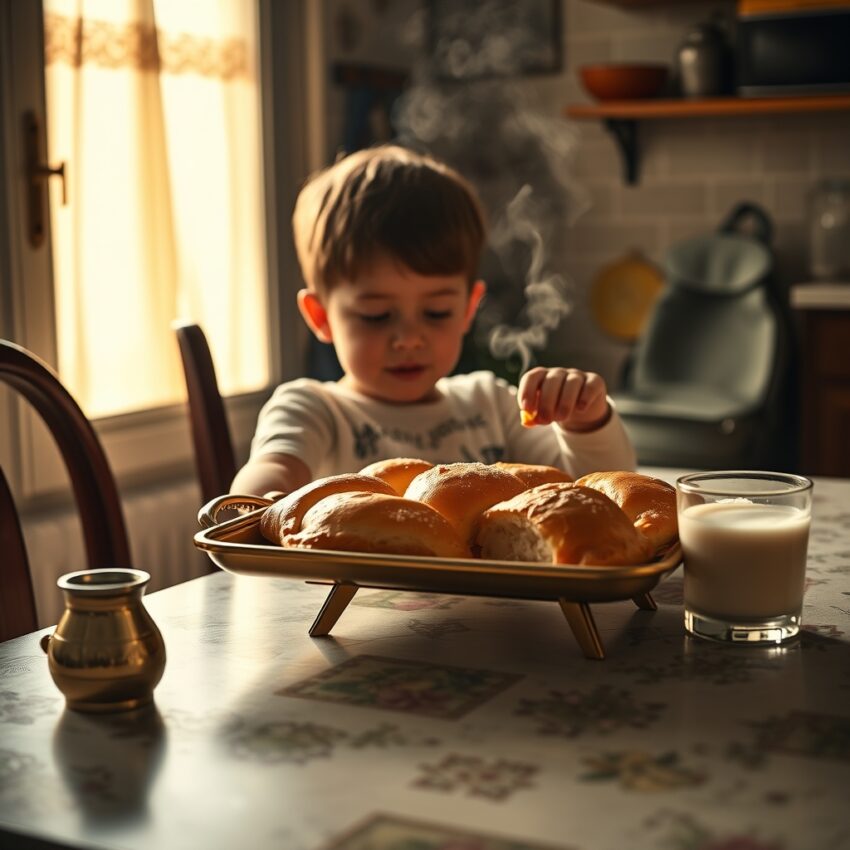
Bir zamanlar okuldan eve dönüş, sadece günün yorgunluğunu kapıdan içeri taşımak değil; mutfaktan yükselen kokuyla karşılanmak anlamına gelirdi. Koridoru dolduran börek buharı, daha çanta yere bırakılmadan çocuğa evde bir şeylerin onu beklediğini söylerdi. Tepsi böreği bu bekleyişin en tanıdık yüzlerinden biriydi. Fırından yeni çıkmış yüzeyindeki kızarmış katlar, kenarlarda toplanan hafif yağ parıltısı ve ilk kesildiğinde duyulan gevrek ses, ev mutfağının karakterini kelimeye gerek kalmadan anlatırdı. Hele okul dönüşü tabağa ilk uzanan kaşık ya da çatal, açlıktan çok yakınlık hissi taşırdı; çünkü o an, evin gün boyu sessizce hazırladığı şefkatin sofraya değdiği andı.
Damak Hafızası açısından tepsi böreği, yalnız bir yiyecek değil; ev düzeninin, zaman yönetiminin ve aile içi cömertliğin göstergesidir. Hazır atıştırmalıkların henüz mutfağı ele geçirmediği dönemlerde, tepsi böreği bir evin ritmini yansıtırdı. Sabah erkenden açılmış yufka, iç harcın dikkatle hazırlanması, tepsinin yağlanması ve fırın saatinin ev içi işlere göre ayarlanması, mutfağın rastgele değil planlı işlediğini gösterirdi. Ama bu planın sert bir tarafı yoktu; tam tersine, evde kim ne zaman acıkır, çocuk okuldan kaçta döner, baba işten gelmeden ne yetişir gibi sorular etrafında kurulmuş sıcak bir öngörü vardı. Böreğin karakteri biraz da buradan gelirdi: yalnız lezzetli değil, birilerinin dönüş saatine göre hazırlanmış olması.
Okul dönüşü tabağa ilk uzanan kaşık, çocuk hafızasında neden bu kadar belirgindir? Çünkü okul günü, çocuğu dış dünyanın kurallarıyla yorar; sıraya girmek, teneffüse çıkmak, öğretmeni dinlemek, eve ödevle dönmek gibi düzenler arasında mutfak, yeniden yumuşayan bir alana dönüşür. Tepsi böreğinin tabağa alınışında büyük bir gösteri yoktur. Çoğu zaman mutfak masasında hızlıca bir yer açılır, ayran bardağı yanına konur, bazen domates dilimleri eklenir ve çocuk ilk lokmayı aceleyle alır. Ama tam o acelede bile evin karakteri görünür olur. İç harcın cömertliği, hamurun inceliği, üzerine serpilen çörekotu ya da yanında uzatılan peçete, bu mutfağın tutumlu mu cömert mi, gösterişsiz mi özenli mi olduğunu anlatır.
Gündelik hayatın ayrıntıları bu sahneyi daha da anlamlı kılar. Bazı evlerde börek peynirli olur, bazı evlerde patatesli ya da kıymalı; kimi mutfakta tepsinin kenarı çocuklara bırakılır, kimi evde orta dilim misafire saklanır. Okul çantası sandalye arkasına asılırken, mutfakta tencere kapağı da kalkar; bir yandan çay suyu konur, bir yandan “ders nasıldı?” sorusu gelir. Çocuk ilk lokmayı yerken cevap çoğu zaman kısa olur; çünkü asıl konuşan şey yemektir. Böreğin sıcaklığı, evin o günkü havasını da taşır. Kimi gün telaşlı, kimi gün sakin, kimi gün kalabalık bir mutfak vardır; ama börek tepsisinin masaya gelişi, hepsinde ortak bir güven duygusu yaratır. Evde bir hazırlık yapılmış, dönüş hesaba katılmış ve açlık yalnız bedensel bir ihtiyaç olarak görülmemiştir.
Tepsi böreği bu yüzden ev mutfağının karakterini güçlü biçimde anlatır. O, yalnız tariften ibaret bir yemek değildir; evin iç sesidir. Kat kat açılan hamur, kuşaktan kuşağa geçen ölçü, “bir tepsi daha yapalım” diyen cömertlik ve okul dönüşü ilk lokmanın yarattığı huzur, mutfağın nasıl bir ruh taşıdığını gösterir. Bugün hızlı tüketilen atıştırmalıklar ve dağınık öğün saatleri arasında bu sahne daha da kıymetli görünüyor. Çünkü tepsi böreği, evin yalnız doymak için değil karşılamak için de yemek yaptığını hatırlatıyor. Okul dönüşü tabağa ilk uzanan kaşık, bu yüzden hâlâ birçok insan için çocukluğun en güvenli seslerinden biri olmaya devam ediyor.
🇬🇧 English | The Intimate Character of a Kitchen Speaking Through Steam After School
There was a time when returning home from school meant more than bringing the fatigue of the day through the door. It meant being met by a smell rising from the kitchen. The steam of tray pastry filling the corridor told the child, even before the schoolbag had been set down, that something inside the house had been waiting. Tray pastry was one of the most familiar faces of that welcome. The browned layers on its surface, the slight gleam of oil gathering along the edges, and the crisp sound made by the first cut expressed the character of the home kitchen without needing words. The first spoon or fork that reached toward the plate after school carried not only hunger, but closeness. It marked the moment when the quiet care prepared throughout the day touched the table.
From the perspective of taste memory, tray pastry is not simply food. It is a sign of domestic order, time management, and family generosity. In years before packaged snacks dominated daily eating, a pastry baked in a tray reflected the rhythm of the household. Dough opened early in the morning, filling prepared with attention, the tray greased, and the oven timing adjusted around the tasks of the day all showed that the kitchen was not random. Yet the plan behind it was not harsh. On the contrary, it was shaped by warm anticipation: when the children would return from school, when the father would arrive from work, what could be finished before evening. The character of the pastry came partly from this. It was not only delicious, but made according to someone’s return.
Why does the first spoon reaching toward the plate after school remain so vivid in memory? Because school tires the child with the rules of the outside world. Standing in line, listening carefully, waiting for breaks, and coming home with homework all belong to a disciplined exterior. The kitchen, by contrast, softens the day again. There is rarely grand ceremony in how the pastry is served. A small place is made quickly at the table, a glass of ayran is set beside it, perhaps a few tomato slices are added, and the child takes the first bite with impatience. Yet even in that haste the kitchen reveals its character. The generosity of the filling, the thinness of the pastry layers, the nigella seeds scattered across the top, or the napkin extended beside the plate all show whether this kitchen is frugal or generous, simple or meticulous.
The small details of daily life make the scene even richer. In some homes the pastry was filled with cheese, in others with potatoes or minced meat. In some kitchens the crispy corner pieces were reserved for the children, while in others the central slices were saved for an expected guest. As the schoolbag was hung behind a chair, another pot lid lifted nearby. Water was set to boil for tea, and someone asked how school had gone. The answer was often brief, because the food itself was speaking first. The warmth of the pastry carried the emotional atmosphere of that day. Some kitchens were hurried, some calm, some crowded, but the arrival of the tray on the table created the same sense of security in each of them. A preparation had been made, someone’s return had been considered, and hunger was treated as more than a bodily need.
That is why tray pastry tells the character of the home kitchen so powerfully. It is not merely a recipe. It is the inner voice of the household. The layered dough, the measure passed down from one generation to another, the generosity that says “let us make one more tray,” and the peace of the first bite after school all reveal what kind of spirit the kitchen holds. In a time of hurried snacks and scattered meal hours, this image feels even more precious. Tray pastry reminds us that a home cooks not only to satisfy hunger, but to receive those who return. The first spoon reaching toward the plate after school remains, for many people, one of the safest sounds of childhood.
🇧🇷 Português (Brasil) | O Caráter Íntimo da Cozinha que Fala pelo Vapor na Volta da Escola
Houve um tempo em que voltar da escola significava mais do que trazer o cansaço do dia para dentro de casa. Significava ser recebido por um cheiro vindo da cozinha. O vapor da torta de assadeira enchendo o corredor dizia à criança, antes mesmo de largar a mochila, que alguma coisa a estava esperando ali. Essa torta era uma das formas mais conhecidas desse acolhimento. As camadas douradas na superfície, o leve brilho de gordura nas bordas e o som crocante do primeiro corte revelavam o caráter da cozinha doméstica sem precisar de palavras. A primeira colher ou garfo que alcançava o prato depois da escola levava não só fome, mas proximidade. Era o momento em que o cuidado preparado em silêncio ao longo do dia tocava a mesa.
Do ponto de vista da memória do sabor, a torta de assadeira não é apenas comida. Ela é um sinal de ordem doméstica, de organização do tempo e de generosidade familiar. Antes de os lanches industrializados dominarem a rotina, uma torta feita em casa refletia o ritmo do lar. A massa aberta cedo, o recheio preparado com atenção, a forma untada e o horário do forno ajustado às tarefas do dia mostravam que a cozinha não funcionava ao acaso. Ainda assim, esse planejamento não tinha dureza. Pelo contrário, era moldado por uma previsão afetuosa: a que horas a criança voltaria da escola, o momento em que o pai chegaria do trabalho, o que daria tempo de terminar antes da noite. O caráter da torta vinha também daí. Ela não era apenas saborosa, mas preparada de acordo com a volta de alguém.
Por que a primeira colher alcançando o prato na volta da escola permanece tão nítida na memória? Porque a escola cansa a criança com as regras do mundo exterior. Ficar na fila, prestar atenção, esperar o recreio e voltar para casa com deveres fazem parte de uma disciplina de fora. A cozinha, em contraste, devolve maciez ao dia. Quase nunca existe grande cerimônia na hora de servir a torta. Abre-se um espaço rápido na mesa, coloca-se um copo de ayran ao lado, às vezes algumas fatias de tomate, e a criança dá a primeira garfada com pressa. Mas mesmo nessa pressa o caráter da cozinha aparece. A fartura do recheio, a finura da massa, o gergelim preto por cima ou o guardanapo oferecido ao lado do prato mostram se essa cozinha é econômica ou generosa, simples ou caprichosa.
Os detalhes do cotidiano tornam essa cena ainda mais rica. Em algumas casas a torta era de queijo, em outras de batata ou carne moída. Em certas cozinhas as pontas mais crocantes eram deixadas para as crianças; em outras, os pedaços centrais ficavam reservados para uma visita esperada. Enquanto a mochila era pendurada na cadeira, outra tampa se erguia no fogão. A água do chá começava a ferver e alguém perguntava como tinha sido o dia na escola. A resposta costumava ser breve, porque naquele instante a comida falava primeiro. O calor da torta levava junto o clima emocional daquele dia. Havia cozinhas apressadas, tranquilas ou cheias, mas a chegada da assadeira à mesa criava em todas o mesmo sentimento de segurança. Algo tinha sido preparado, a volta de alguém fora considerada, e a fome não era tratada apenas como necessidade física.
É por isso que a torta de assadeira revela com tanta força o caráter da cozinha da casa. Ela não é apenas uma receita. É a voz interior do lar. A massa em camadas, a medida transmitida entre gerações, a generosidade de dizer “vamos fazer mais uma assadeira” e a paz trazida pela primeira mordida depois da escola mostram que espírito vive ali. Num tempo de lanches rápidos e horários de refeição dispersos, essa imagem parece ainda mais preciosa. A torta de assadeira lembra que a casa cozinha não só para saciar, mas para acolher quem volta. A primeira colher que alcança o prato depois da escola continua sendo, para muita gente, um dos sons mais seguros da infância.