🇹🇷 Türkçe | teneke bisküvi kutusu ve salon vitrininin en görünür köşesi: neden bugün yeniden ilgi görüyor
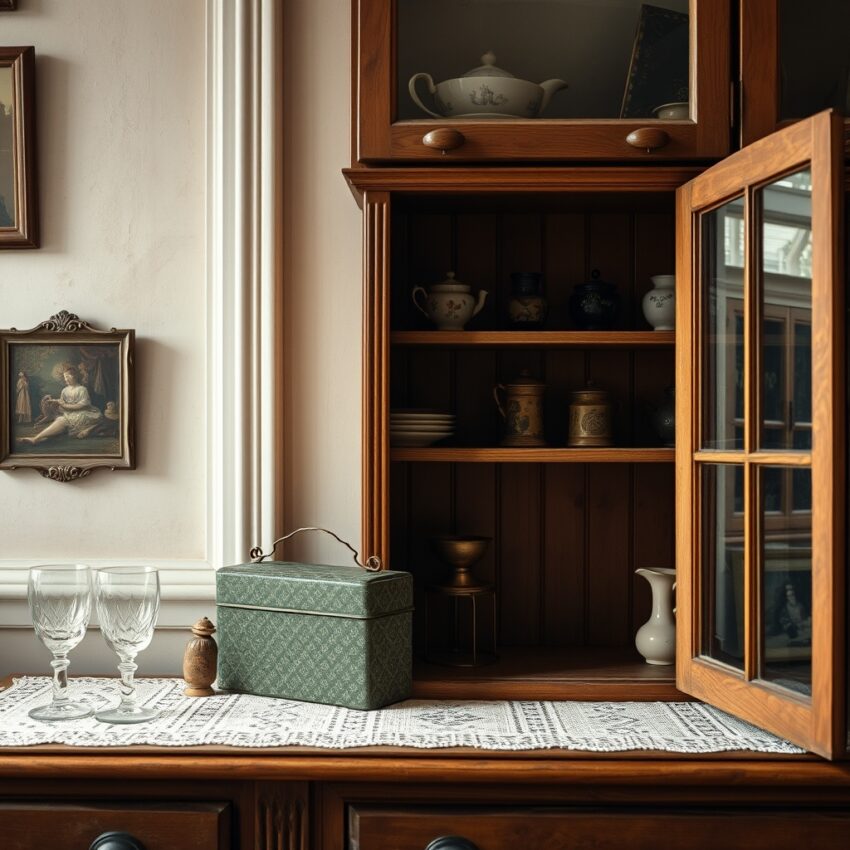
Bazı eşyalar yalnız kullanılmak için değil, görünmek ve hatırlatmak için de evde tutulurdu. Teneke bisküvi kutusu tam da böyle bir nesneydi. Parlak yüzeyi biraz solmuş, kapağının kenarları hafif yıpranmış, üstünde bazen çiçekli bazen yabancı şehir manzaralı desenler taşıyan bu kutular, bir dönemin salon vitrininin en görünür köşesinde özel bir yer bulurdu. İçlerinde gerçekten bisküvi kalmış olması şart değildi; çoğu zaman dikiş malzemeleri, eski düğmeler, mektuplar, bayram kartları ya da “lazım olur” denilen küçük şeyler orada saklanırdı. Kutunun görünen yüzü ise evin düzenine, zevkine ve hafızasına dair sessiz bir cümle kurardı. Bugün yeniden ilgi görmesinin nedeni de biraz burada yatıyor: o nesne, işlev ile hatıra arasında duran eski ev terbiyesini görünür kılıyor.
Obje Hikayeleri açısından bakıldığında teneke bisküvi kutusu, seri üretim bir eşya olmasına rağmen kişisel tarihe dönüşebilmiş nadir örneklerden biridir. Onu değerli kılan yalnız malzemesi ya da üstündeki desen değildir; ev içinde üstlendiği ikinci ve üçüncü rollerdir. Bir kutu önce ikram nesnesi olur, sonra saklama kabına dönüşür, daha sonra vitrinin dikkat çekici parçası haline gelir. Bu dolaşım, eski evlerde eşyanın tek kullanımlı değil katmanlı düşünüldüğünü gösterir. Salon vitrini de zaten yalnız cam arkasında sergilenen objelerin sıralandığı bir mobilya değildi; ailenin kendi kendine anlattığı hikâyenin görünür arşiviydi. Bardak takımlarının, işlemeli örtülerin, küçük bibloların ve bu teneke kutunun yan yana duruşu, gündelik zevkin sessiz kompozisyonunu kurardı.
Kutunun vitrinin en görünür köşesine yerleşmesi tesadüf değildi. Çünkü bu nesne hem mütevazı hem de gösterişli olmayı başarabiliyordu. Çok pahalı değildi, ama desenli teneke yüzeyi sayesinde bakış çekiyordu. İçeriği değişebilirdi, ama dış görünümü her defasında tanıdık bir sevinç bırakıyordu. Misafir geldiğinde vitrinin önünden geçerken göz kutuya takılır, kimi zaman “bizde de vardı bundan” cümlesiyle başlayan bir hafıza kapısı açılırdı. Böylece obje, kişisel mülkiyetin sınırını aşarak kuşaklar arası bir ortaklık hissi uyandırırdı. Çocuklar için o kutu biraz yasaklı bir çekicilik taşır, içinde ne olduğunu merak ettirirdi; büyükler içinse ev tutmanın, saklamanın ve dağılmayan düzenin küçük bir simgesine dönüşürdü.
Bugün bu kutuların yeniden ilgi görmesi, yalnız nostalji modasının yükselmesiyle açıklanamaz. Daha derinde, hızlı tüketimden yorulan insanların eşyanın hikâyesini yeniden aramaya başlaması var. Teneke bisküvi kutusu, zamana direnmiş yüzeyiyle, çizildikçe karakter kazanan maddesiyle ve her evde başka bir içeriğe kavuşabilen esnek kullanımıyla bu arayışa cevap veriyor. Yeni kuşaklar bu kutularda yalnız vintage estetik değil, aynı zamanda sürdürülebilir bir kullanım aklı görüyor. Bir nesnenin bozulmadan başka görevlere geçebilmesi, evin içinde dekor ile ihtiyaç arasında rahatça dolaşabilmesi, bugünün fazla tek amaçlı eşyalarına karşı daha sıcak bir alternatif gibi duruyor. Ayrıca sosyal medyada sergilenen steril dekorların aksine, bu kutular küçük çizikleriyle birlikte gerçek yaşam izleri taşıyor.
Salon vitrininin en görünür köşesindeki teneke kutu bu yüzden yeniden sevilmeye başladı. Çünkü o, eski evlerin düzen anlayışını, saklama alışkanlıklarını ve gündelik estetik duygusunu tek başına taşıyabiliyor. Bisküvi kutusu olarak başlayıp aile arşivine dönüşen, sonra da vitrinde hatıraya bekçilik eden bu nesne, eşyanın yalnız madde değil hafıza da olduğunu hatırlatıyor. İnsanlar bugün belki tam olarak bu yüzden ona yeniden dönüyor: daha yavaş yaşanmış evlerin izini bir objenin yüzeyinde okuyabildikleri için. Teneke kutu, geçmişin gösterişsiz ama güçlü tasarım zekâsını bugüne sessizce taşıyor.
🇬🇧 English | The Tin Biscuit Box and the Most Visible Corner of the Living Room Display Cabinet: Why Is It Drawing Interest Again Today?
Some objects were kept at home not only to be used, but also to be seen and to remind. The tin biscuit box was exactly that kind of object. Its shiny surface slightly faded, the edges of its lid a little worn, carrying floral motifs or city views from elsewhere, it found a special place in the most visible corner of the living room display cabinet. It did not even need to contain biscuits anymore. Often it held sewing materials, spare buttons, old letters, holiday cards, or the small things people kept because “they may be needed one day.” Yet the visible face of the box formed a quiet sentence about the order, taste, and memory of the home. The reason it draws interest again today lies partly here: it makes visible an older domestic etiquette standing between function and remembrance.
Seen through the stories of objects, the tin biscuit box is one of the rare examples of a mass-produced item capable of turning into personal history. What makes it valuable is not only its material or its printed design, but the second and third roles it assumes within the home. First it is an object of offering, then it becomes a container for safekeeping, and later a striking piece in the display cabinet. This circulation shows that older homes did not think of objects as single-use possessions, but as layered companions. The display cabinet itself was never merely furniture where glassware and ornaments stood behind glass. It was the visible archive of the story a family told itself. The arrangement of cups, embroidered cloths, small figurines, and the tin box together created a silent composition of everyday taste.
Its place in the most visible corner of the cabinet was no accident. The object managed to be both modest and decorative. It was not expensive, yet its patterned tin surface attracted the eye. The contents could change, but its outer appearance always left behind a familiar pleasure. When guests passed the cabinet, their eyes often caught the box, and with it came the sentence, “We had one of those too.” In that instant the object opened a door in memory. It moved beyond private ownership and stirred a feeling of generational commonality. For children the box held a slightly forbidden attraction, making them wonder what was inside. For adults it became a small symbol of running a household, keeping things, and maintaining a sense of order that did not scatter.
The renewed interest in these boxes today cannot be explained only by the rise of nostalgia. Deeper down lies the fact that people tired of fast consumption have begun to search again for the story of objects. The tin biscuit box answers that search with its time-resistant surface, its material that gains character through scratches, and its flexible use that changes from home to home. Younger generations see in these boxes not only a vintage aesthetic, but also a sustainable intelligence of use. The ability of an object to pass into other functions without losing itself, to move easily between decor and necessity inside the home, feels warmer than many of today’s overly single-purpose possessions. Unlike sterile decorative images displayed online, these boxes carry real traces of life in their dents and marks.
That is why the tin box in the most visible corner of the living room cabinet has become beloved again. It can single-handedly carry the older home’s understanding of order, habits of keeping, and everyday sense of beauty. Beginning as a biscuit container, turning into a family archive, and then standing in the cabinet as a quiet guardian of memory, it reminds people that an object is not only matter, but memory as well. Perhaps that is exactly why people return to it today: because they can read the trace of slower-lived homes on the surface of a single thing. The tin box silently carries forward the unshowy yet powerful design intelligence of the past.
🇧🇷 Português (Brasil) | A Lata de Biscoitos e o Canto Mais Visível da Cristaleira da Sala: Por que Está Despertando Interesse Novamente Hoje?
Alguns objetos eram guardados em casa não apenas para serem usados, mas também para serem vistos e para lembrarem alguma coisa. A lata de biscoitos era exatamente assim. Com a superfície brilhante já um pouco apagada, as bordas da tampa ligeiramente gastas e desenhos que às vezes traziam flores e às vezes paisagens de cidades distantes, ela encontrava um lugar especial no canto mais visível da cristaleira da sala. Nem precisava mais guardar biscoitos de verdade. Muitas vezes ficavam ali materiais de costura, botões antigos, cartas, cartões de feriado ou pequenas coisas guardadas porque “um dia podem servir”. Ainda assim, a face visível da lata formava uma frase silenciosa sobre a ordem, o gosto e a memória da casa. O motivo de voltar a interessar hoje está em parte nisso: ela torna visível uma antiga etiqueta doméstica situada entre a função e a lembrança.
Dentro das histórias dos objetos, a lata de biscoitos é um dos raros exemplos de item produzido em série que conseguiu se transformar em história pessoal. O que a torna valiosa não é só o material ou a estampa, mas os segundos e terceiros papéis que assume dentro da casa. Primeiro ela é um objeto de oferta, depois vira recipiente de guardar coisas, e por fim passa a ser uma peça de destaque na cristaleira. Esse percurso mostra que as casas antigas não pensavam os objetos como bens de uso único, mas como companheiros em camadas. A própria cristaleira nunca foi apenas um móvel para alinhar copos e enfeites atrás do vidro. Era o arquivo visível da história que a família contava a si mesma. A disposição das xícaras, dos panos bordados, dos pequenos bibelôs e da lata de biscoitos criava uma composição silenciosa do gosto cotidiano.
O fato de a lata ocupar o canto mais visível não era por acaso. Esse objeto conseguia ser ao mesmo tempo modesto e ornamental. Não era caro, mas sua superfície estampada chamava o olhar. O conteúdo podia mudar, mas sua aparência externa deixava sempre a mesma alegria familiar. Quando uma visita passava diante da cristaleira, o olhar muitas vezes parava na lata e surgia a frase: “Lá em casa também tinha uma dessas.” Nesse instante, o objeto abria uma porta na memória. Ia além da posse privada e despertava uma sensação de partilha entre gerações. Para as crianças, a lata tinha um encanto meio proibido, fazendo imaginar o que havia dentro. Para os adultos, tornava-se um pequeno símbolo de manter a casa, guardar o que importa e preservar uma ordem que não se espalha.
O interesse renovado por essas latas hoje não pode ser explicado apenas pela moda da nostalgia. Num nível mais fundo, existe o fato de que pessoas cansadas do consumo rápido começaram a buscar novamente a história dos objetos. A lata de biscoitos responde a essa busca com sua superfície resistente ao tempo, com o material que ganha caráter à medida que se risca e com o uso flexível que muda de uma casa para outra. As gerações mais novas veem nelas não só uma estética vintage, mas também uma inteligência sustentável de uso. A capacidade de um objeto passar para outras funções sem perder a identidade, circular facilmente entre decoração e necessidade dentro da casa, parece mais calorosa do que muitos itens de hoje pensados para uma única finalidade. Ao contrário das imagens decorativas esterilizadas das redes sociais, essas latas carregam marcas reais de vida.
É por isso que a lata no canto mais visível da cristaleira voltou a ser amada. Ela consegue carregar sozinha a ideia de ordem da antiga casa, os hábitos de guardar e o senso cotidiano de beleza. Começando como recipiente de biscoitos, transformando-se em arquivo de família e permanecendo depois na cristaleira como guardiã silenciosa da memória, ela lembra que um objeto não é apenas matéria, mas também lembrança. Talvez seja exatamente por isso que tanta gente volte a ela hoje: porque é possível ler na superfície de uma coisa só o rastro de casas vividas mais devagar. A lata de biscoitos traz em silêncio para o presente a inteligência de design discreta, mas poderosa, do passado.