🇹🇷 Türkçe | Hatıraların tozlu raflarında çay bahçelerinin yaz boyu dostluk biriktirdiği akşamüstleri: bugüne hangi sessiz alışkanlıkları bıraktı çiçek kokulu sokaklar
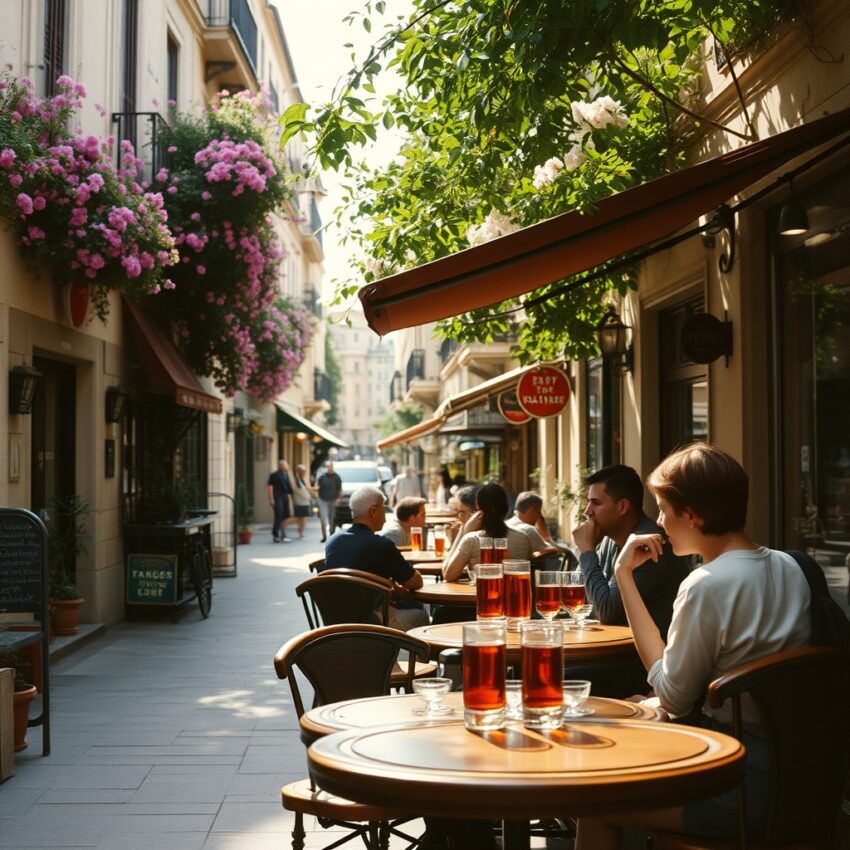
Bazı akşamüstleri bir kentin hafızasında yalnız saat olarak değil, koku ve ses olarak da kalır. Eski çay bahçeleri tam böyle yerlerdi. Yaz sıcağının ağır ağır gevşediği, gölgelerin uzayıp masaların üstüne düştüğü, ince belli bardaklarda çayın son dumanının yükseldiği o saatlerde şehir biraz yavaşlar, insanlar günün telaşından bir adım geri çekilirdi. Çiçek kokulu sokaklardan geçerek çay bahçesine gelenler, yalnız oturacak bir masa aramazdı; aynı zamanda tanıdık yüzlerin, ağırbaşlı selamların ve acele etmeyen konuşmaların içinde kendine bir akşamlık sükûnet bulurdu. Masalar çoğu zaman demir ayaklı, sandalyeler biraz gıcırdayan cinstendi; fakat asıl sağlam olan, orada kurulan dostlukların ritmiydi. Bugün o akşamüstleri neden hâlâ içte yumuşak bir yankı bırakıyor denirse, cevabı biraz bu ortak yavaşlıkta saklıdır.
Zamanın İzinde bakıldığında çay bahçeleri, eski şehir yaşamının en görünür ama en zarif kamusal alanlarından biriydi. Gazetelerin şehir eklerinde, belediye duyurularında ve hatıra yazılarında sık sık rastlanan bu mekânlar, kahvehane ile park arasında, aile ziyaretleri ile bireysel soluklanma arasında duran özel bir eşikti. Herkesin sesi çok yükselmeden konuştuğu, çocukların koşarken bile belli bir sınırı hissettiği, garsonun tepsiyi dengeli adımlarla taşıdığı bu düzen, kamusal hayatın incelikli terbiyesini gösterirdi. İnsanlar birbirini orada yalnız görmez, gözlemlemeyi de öğrenirdi. Hangi masada emekliler günün haberlerini konuşur, hangi köşede nişanlı çiftler sessizce oturur, hangi masaya akşamüstü mutlaka eski arkadaşlar gelir, bütün bunlar birkaç haftada değil yıllar içinde yerleşen bir hafızanın parçalarıydı.
Çiçek kokulu sokakların çay bahçelerine bıraktığı en önemli miras, belki de bugünün çok seyrek koruyabildiği beklemeyi bilen nezaketti. Bir dostun gelmesini sabırsızlıkla değil, sakin bir güvenle beklemek; çay ikinci kez demlenirken sohbetin koyulaşmasına izin vermek; yan masadaki tanıdığa başla verilen kısa bir selamla bütün geçmişi hatırlatmak; çocuklara “biraz ağır olun” derken bile sertleşmeyen bir tonda konuşmak… Bunların her biri gündelik hayatın sessiz alışkanlıklarıydı. Çay bahçesi, insanlara boş zamanı doldurmayı değil, onu birlikte taşımayı öğretirdi. Masada çekirdek çıtlatılmazsa bile kaşığın tabağa hafifçe vurması, uzaktan gelen tramvay ya da vapur sesi, akasya ve yasemin kokusunun rüzgârla dolaşması, şehir hayatını daha yumuşak bir çerçeveye yerleştirirdi.
Bu akşamüstleri aynı zamanda mahalle ile şehir merkezi arasındaki görünmez bağı da kuvvetlendirirdi. Evinden çıkan biri çiçekli bir sokaktan geçer, yol üstünde birkaç tanıdığa rastlar, sonra çay bahçesine vardığında o küçük karşılaşmaların hepsi tek bir akşamın parçasına dönüşürdü. Böylece şehir anonim olmaktan biraz uzaklaşır, daha tanınır, daha konuşulur bir yere benzerdi. Çocuklar gazoz şişesine uzanan eli, büyükler gazeteyi ikiye katlayıp masanın kenarına bırakan hareketi, gençler ise uzun uzun süren sessizliklerin bile bir yakınlık kurabildiğini o mekânlarda öğrenirdi. Bugün hâlâ sürdüğünü fark ettiğimiz bazı alışkanlıklar, işte bu sahnelerden sızıp geldi. Misafire otur derken ses kısmak, kalabalık yerde bile masadakini dikkatle dinlemek, açık havada geçirilen vakti yalnız tüketim değil paylaşım olarak görmek, eski çay bahçelerinin bugüne usulca bıraktığı görgü kalıntılarıdır.
Şimdi modern kafelerin hızlı değişen müzikleri, tek kullanımlık telaşları ve kısa süreli oturuşları arasında geçmişin çay bahçeleri daha da belirgin bir hatıra gibi görünüyor. Onları unutulmaz yapan yalnız çay değildi; yaz boyu dostluk biriktiren o sabırlı atmosferdi. Çiçek kokulu sokaklardan süzülerek gelen insanlar, orada birbirine vakit ayırmanın sade ama derin biçimini kuruyordu. Belki de bugün özlediğimiz şey tam olarak budur: konuşmanın acele etmediği, bekleyişin sıkıntı sayılmadığı, tanışıklığın bağırmadan hissedildiği bir kamusal sıcaklık. Eski çay bahçelerinin akşamüstleri geride kalmış olabilir; ama bıraktıkları sessiz alışkanlıklar, hâlâ insanın oturuşunda, selamında ve birlikte geçirilen vakti değerlendirişinde yaşamayı sürdürüyor.
🇬🇧 English | In the Dusty Shelves of Memory, the Afternoons When Tea Gardens Gathered Friendship All Summer Long: Which Quiet Habits Did the Flower-Scented Streets Leave to Today?
Some afternoons remain in a city’s memory not merely as hours, but as scents and sounds. Old tea gardens were exactly such places. At the time of day when the summer heat slowly loosened its grip, when shadows stretched across tabletops and the last steam rose from thin-waisted tea glasses, the city seemed to slow down and people stepped back from the urgency of the day. Those who reached the tea garden by walking through flower-scented streets were not only looking for an empty table. They were also seeking an evening calm made of familiar faces, restrained greetings, and conversations that did not hurry. The tables were often simple iron-legged ones, the chairs the sort that creaked a little, yet what held firm there was the rhythm of friendship itself. If those afternoons still leave a soft echo inside people today, the answer lies partly in that shared slowness.
Seen along the path of time, tea gardens were among the most visible and most graceful public spaces of old urban life. In city columns, municipal notices, and memoirs, these places appeared often because they stood in a special threshold between the coffeehouse and the park, between family outing and private pause. Everyone spoke without raising their voice too much, children ran while still sensing a boundary, and the waiter carried his tray with measured balance. This order revealed the finer etiquette of public life. People did not merely see one another there; they learned to observe one another. Which table gathered retirees discussing the day’s news, which corner held an engaged couple sitting quietly, which group of old friends arrived every evening, all of this belonged to a memory settled not in weeks, but across years.
What the flower-scented streets left behind through tea gardens was perhaps the courtesy of waiting, something today’s life preserves only rarely. To wait for a friend not with irritation but with calm trust, to let conversation deepen while the second pot of tea brewed, to greet an acquaintance at the next table with a nod that carried years of recognition, to tell children to slow down without hardening the voice, these were all quiet habits of daily life. A tea garden taught people not how to fill empty time, but how to carry it together. Even when no one cracked seeds at the table, the light tap of a spoon on the saucer, a tram bell or ferry horn from afar, and the drift of acacia and jasmine in the breeze placed city life inside a gentler frame.
Those afternoons also strengthened the invisible bond between neighborhood life and the city center. Someone left home, passed through a flowered street, met a few familiar faces on the way, and by the time they reached the tea garden all those small encounters had become part of a single evening. In that way the city stepped away from anonymity and became more recognizable, more speakable. Children learned from the hand reaching toward a bottle of soda, elders from the gesture of folding the newspaper in two and leaving it at the table’s edge, and the young from the fact that even long silences could create intimacy. Some habits that still survive today slipped down from exactly these scenes. Lowering the voice while inviting a guest to sit, listening carefully to the person at one’s table even in a crowd, and treating time spent outdoors not as consumption but as sharing are traces of courtesy quietly inherited from the old tea gardens.
Now, among modern cafes with quickly changing music, disposable hurry, and short visits, the tea gardens of the past stand out even more clearly as memory. What made them unforgettable was never only the tea. It was that patient atmosphere that gathered friendship through the whole summer. People arrived through flower-scented streets and created there a simple yet deep way of giving time to one another. Perhaps that is exactly what is missed today: a public warmth in which conversation did not rush, waiting was not treated as inconvenience, and familiarity was felt without being loudly declared. The afternoons of the old tea gardens may be gone, but the quiet habits they left behind still live in the way people sit, greet, and value time spent together.
🇧🇷 Português (Brasil) | Nas Prateleiras Empoeiradas da Memória, as Tardes em que os Jardins de Chá Acumulavam Amizades Durante Todo o Verão: Quais Hábitos Silenciosos as Ruas com Cheiro de Flores Deixaram para Hoje?
Algumas tardes permanecem na memória de uma cidade não apenas como horário, mas como cheiro e som. Os antigos jardins de chá eram exatamente assim. Na hora em que o calor do verão começava a afrouxar devagar, quando as sombras se alongavam sobre as mesas e a última fumaça subia dos copos finos de chá, a cidade parecia desacelerar e as pessoas davam um passo para trás em relação à correria do dia. Quem chegava ao jardim de chá depois de caminhar por ruas com cheiro de flores não procurava apenas uma mesa vazia. Procurava também uma calma de fim de tarde feita de rostos conhecidos, cumprimentos discretos e conversas sem pressa. As mesas muitas vezes eram simples, com pés de ferro, e as cadeiras rangiam um pouco, mas o que ali se mantinha firme era o ritmo da amizade. Se essas tardes ainda deixam hoje um eco suave dentro da gente, a resposta está em parte nessa lentidão compartilhada.
No rastro do tempo, os jardins de chá foram um dos espaços públicos mais visíveis e ao mesmo tempo mais delicados da antiga vida urbana. Em colunas de jornal, avisos municipais e livros de memória, esses lugares apareciam com frequência porque ocupavam um limiar especial entre o café e o parque, entre o passeio em família e a pausa individual. Todos falavam sem levantar demais a voz, as crianças corriam sentindo que havia um limite, e o garçom levava a bandeja com equilíbrio e passo medido. Essa ordem revelava a etiqueta mais fina da vida em comum. As pessoas não apenas se viam ali; aprendiam também a observar umas às outras. Qual mesa reunia aposentados comentando as notícias do dia, qual canto recebia um casal de noivos em silêncio, qual grupo de velhos amigos chegava sempre no mesmo horário, tudo isso fazia parte de uma memória assentada ao longo de anos, não de semanas.
O que as ruas cheirosas de flores deixaram por meio dos jardins de chá foi talvez a cortesia de saber esperar, algo que a vida de hoje preserva cada vez menos. Esperar um amigo não com impaciência, mas com confiança tranquila; deixar a conversa ganhar profundidade enquanto o segundo chá era preparado; cumprimentar um conhecido na mesa ao lado com um leve gesto de cabeça capaz de recordar anos inteiros; pedir às crianças que fossem mais calmas sem endurecer a voz, tudo isso eram hábitos silenciosos do cotidiano. O jardim de chá ensinava as pessoas não a preencher o tempo vazio, mas a carregá-lo juntas. Mesmo quando não havia sementes sendo quebradas sobre a mesa, o leve toque da colher no pires, um sino de bonde ou uma buzina de vapur ao longe, e o perfume de acácias e jasmins levado pela brisa colocavam a vida urbana dentro de uma moldura mais suave.
Essas tardes também fortaleciam o vínculo invisível entre o bairro e o centro da cidade. Alguém saía de casa, passava por uma rua florida, encontrava alguns conhecidos no caminho e, ao chegar ao jardim de chá, percebia que todos esses pequenos encontros já tinham se transformado em parte de uma mesma noite. Desse modo, a cidade deixava de parecer anônima e se tornava mais reconhecível, mais comentável. As crianças aprendiam com a mão que se estendia para uma garrafa de refrigerante, os mais velhos com o gesto de dobrar o jornal ao meio e deixá-lo no canto da mesa, e os jovens com a descoberta de que até os longos silêncios podiam construir intimidade. Alguns hábitos que ainda sobreviveram hoje vieram justamente dessas cenas. Baixar o tom ao convidar alguém para sentar, ouvir com atenção quem está à mesa mesmo em meio ao movimento e entender o tempo passado ao ar livre não como consumo, mas como partilha são traços herdados em silêncio dos antigos jardins de chá.
Hoje, em meio a cafeterias modernas com música trocada depressa, pressa descartável e permanências curtas, os jardins de chá do passado aparecem ainda mais nitidamente como memória. O que os tornava inesquecíveis nunca foi apenas o chá. Era aquela atmosfera paciente que acumulava amizade ao longo de todo o verão. As pessoas chegavam pelas ruas floridas e construíam ali uma forma simples, porém profunda, de dedicar tempo umas às outras. Talvez seja exatamente isso que faz falta agora: um calor público em que a conversa não corria, a espera não era tratada como incômodo e a familiaridade podia ser sentida sem ser anunciada em voz alta. As tardes dos antigos jardins de chá podem ter ficado para trás, mas os hábitos silenciosos que deixaram continuam vivos na maneira como as pessoas se sentam, cumprimentam e valorizam o tempo passado em conjunto.