
Skip to content

Eski Pano

🇹🇷 Geçmişin güzelliğini keşfedin 🇬🇧 Exploring the beauty of the past 🇧🇷 Explorando a beleza do passado

Menu
  • Hakkımızda | About Us | Sobre Nós
  • İletişim | Contact | Contato
Menu

Açık Pencere Arkasından Gelen Radyo Sesi ile Geçen Saatler Sokağı Nasıl Ortak bir Eve Dönüştürdü | How Did the Hours Passed with the Radio Sound Coming from Behind an Open Window Turn the Street into a Shared Home? | Como as Horas Passadas Com o Som do Rádio Vindo de Trás da Janela Aberta Transformaram a Rua Numa Casa Compartilhada?
Posted on 13/04/2026 by admin

🇹🇷 Türkçe | Açık Pencereden Taşan Sesle Birbirine Yaklaşan Sokak Hayatı

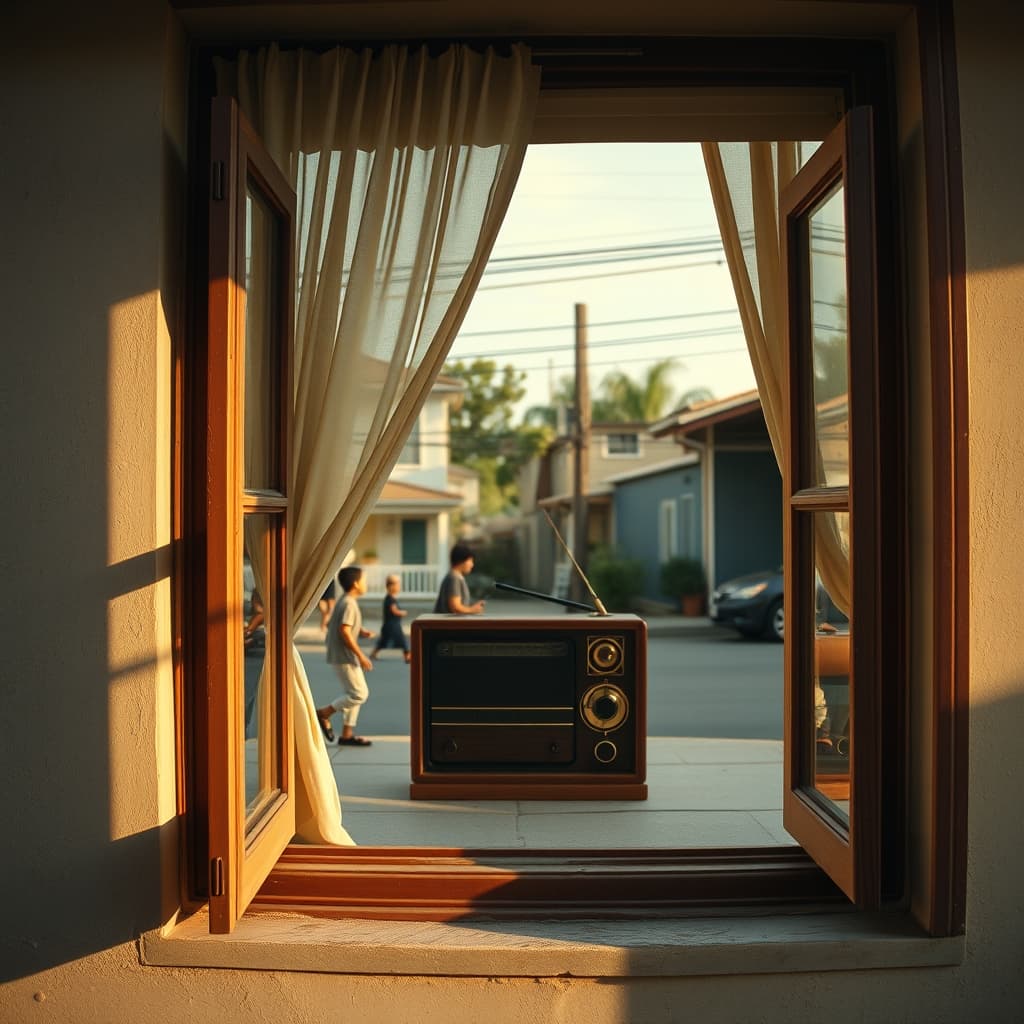
Bir zamanlar mahalle sokakları sadece insanların geçtiği yerler değil, seslerin birbirine değdiği ortak yaşama alanlarıydı. Yaz akşamı ya da ilkbahar öğlesi fark etmez, bir evin açık penceresinden sokağa karışan radyo sesi kısa sürede bütün çevrenin ritmini değiştirebilirdi. Haber saati başladığında dükkân önündeki sandalyelerde oturanlar kulak kabartır, şarkı programı açıldığında pencereden sızan melodi kapı önünde oynayan çocukların hareketine eşlik ederdi. Radyonun sesi tek bir haneye ait olsa da etkisi çoğu zaman mahallenin tamamına yayılırdı. O yüzden açık pencere arkasından gelen radyo sesi ile geçen saatler, sokağı sırf bir geçiş yolu olmaktan çıkarıp ortak bir eve dönüştürürdü.

Mahalle Kültürü içinde radyonun bu taşan sesi, komşuluk ilişkilerinin görünmez bağlarından biriydi. Bugün kişisel kulaklıklarla içe kapanan dinleme alışkanlığının tersine, o yıllarda ses çoğu kez paylaşılırdı. Bir evde açılan yayın, alt kattaki teyzenin mutfak işine, karşı komşunun balkon sefisine ya da bakkalın tezgâh arkasındaki bekleyişine eşlik ederdi. İnsanlar hangi evde hangi saatte ne dinlendiğini bilir, sevilen sunucuların sesi neredeyse mahallenin ortak hafızasına yerleşirdi. Bazı programlar başladığında çocuklar bile “sessiz olun” uyarısını tanırdı. Yani radyo, kapalı bir odada kalan özel eşya değil; pencereden dışarı taşarak sokak hayatının dokusuna katılan bir merkezdi.

Bu saatlerin sokağı ortak bir eve dönüştürmesinin nedeni, sesin insanları görünmeden bir araya getirmesidir. Herkes aynı odada bulunmasa bile aynı cümleyi aynı anda duymak, aynı şarkının nakaratını uzak köşelerden birlikte mırıldanmak, paylaşım duygusunu güçlendirirdi. Öğleden sonra kadın programı sürerken bir evde turşu kuruluyor, başka bir evde ütü yapılıyor, bir başkasında çocuk uyutuluyor olabilirdi; ama fonda aynı ses dolaşırdı. Akşamüstü spor bülteni açıldığında kahvehaneye gitmeyenler bile sonucu pencere önünde öğrenirdi. Ses, duvarları aşan bir bağ kurar; sokağı parçalara ayrılmış değil, ince iplerle örülmüş tek bir yaşam alanı gibi hissettirirdi.

Gündelik ayrıntılar bu ortaklık duygusunu daha da belirginleştirir. Açık pencerenin perdesi hafifçe dalgalanır, radyo sesi bazen rüzgârla yükselir bazen sokaktan geçen satıcının sesiyle karışırdı. Bir yandan tencerede yemek kaynar, öte yandan spikerin tonundaki ciddiyet ya da şarkıcının sesi mahalle boyunca yayılırdı. Kapı önü sohbetleri tam radyo arasına denk getirilir, sevilen türkü geldiğinde biri “sesini biraz açmışlar” diye gülümserdi. Bazen elektrik kesilir ve bir anda bütün sokak o eksikliği fark ederdi; çünkü alışılmış ses çekilmiş olurdu. Böyle anlar, radyonun yalnız müzik ya da haber değil, mahallenin zaman duygusu olduğunu gösterirdi.

Açık pencere arkasından gelen radyo sesi, ev ile sokak arasındaki sınırı da yumuşatırdı. İçerdeki hayat dışarıya taşar, dışardaki hareket de eve karışırdı. Penceredeki saksılar, demir korkuluklar, kurutulan çamaşırlar ve hemen arkasında çalışan radyo, mahallenin tanıdık sahnesini kurardı. Çocuklar top oynarken bir yandan melodiyi ezberler, yaşlılar sandalyelerinde otururken spikerin cümlesine başlarıyla eşlik ederdi. Böylece sokak, yabancıların karşılaştığı bir yer olmaktan çok, birbirinin sesine alışmış insanların paylaştığı büyük bir ev hissi kazanırdı.

Bugün bu sesler azalmış olabilir; pencereler daha kapalı, dinleme alışkanlıkları daha kişisel hale gelmiş olabilir. Ama o saatlerin hatırası, mahalle hayatının birlikte duyma üzerine kurulu sıcaklığını hâlâ taşır. Açık bir pencereden gelen radyo sesi, tek başına bir teknoloji değil; bir sosyal örgüydü. Sokağı ortak bir eve dönüştüren şey de tam olarak buydu. Aynı yayının içinde birbirine görünmeden yaklaşan insanların, şehir hayatında kaybolmayan bir komşuluk ritmi kurabilmesi.


🇬🇧 English | Street Life Drawn Closer Together by Sound Spilling from an Open Window

There was a time when neighborhood streets were not merely places people passed through, but shared spaces where sounds touched one another. On a summer evening or a spring afternoon, the sound of a radio drifting out of an open window could alter the rhythm of the whole street. When the news hour began, those sitting on chairs outside small shops would listen more carefully. When a music program started, the melody filtering out of a window accompanied the movements of children playing by the doorway. Though the radio belonged to a single household, its effect often spread across the entire neighborhood. That is why the hours passed with the sound of a radio behind an open window turned the street from a simple path into a shared home.

Within neighborhood culture, that overflowing radio sound was one of the invisible ties of neighborly life. Unlike today’s inward listening through private headphones, sound then was often shared by default. A broadcast opened in one house accompanied the cooking of the woman downstairs, the balcony rest of the neighbor across the way, or the waiting behind the grocer’s counter. People knew which house listened to what and at what hour, and the voices of beloved presenters entered the collective memory of the quarter. When certain programs began, even children recognized the warning to keep quiet. In that sense, the radio was not a private object sealed inside a room. It became a center of street life precisely because it traveled outward through the window.

One reason these hours turned the street into a shared home is that sound brought people together without requiring them to be visible to one another. To hear the same sentence at the same time, to hum the same refrain from separate corners, strengthened the feeling of belonging. While an afternoon women’s program played, pickles might be prepared in one house, ironing done in another, and a child put to sleep in a third, yet the same voice traveled through all of them. When the sports bulletin came on, even those not sitting in the coffeehouse could learn the result from the edge of a window. Sound crossed walls and created a bond that made the street feel not divided into units, but woven into one living fabric.

The details of daily life make this shared feeling even clearer. A curtain at the open window moved lightly, the sound of the radio rose and fell with the breeze, and sometimes it mixed with the call of a street vendor passing below. A pot boiled in the kitchen while a presenter’s serious tone or a singer’s voice spread through the block. Doorstep conversations were timed around program intervals, and when a favorite folk song arrived someone smiled and said the volume had been turned up. Sometimes the electricity failed and the entire street noticed at once, because the accustomed sound had been withdrawn. Moments like that revealed that the radio was not merely music or news, but part of the neighborhood’s sense of time.

The radio coming from behind an open window also softened the boundary between home and street. Inner life flowed outward, while movement outside entered the home in return. Flowerpots on the sill, iron railings, laundry hanging nearby, and the radio working just behind them formed one of the familiar tableaux of neighborhood memory. Children memorized melodies while playing ball, and elders nodded from their chairs in time with the presenter’s phrases. In this way the street felt less like a place where strangers crossed paths and more like a large shared house occupied by people already accustomed to one another’s voices.

Those sounds may be rarer now. Windows are more often shut, and listening has become more private. Yet the memory of those hours still carries the warmth of a neighborhood built on hearing together. A radio sounding from an open window was never only a technology. It was a social weave. That is what turned the street into a shared home: people moving closer to one another within the same broadcast, and building a rhythm of neighborliness that city life had not yet erased.


🇧🇷 Português (Brasil) | A Vida da Rua Aproximada pelo Som que Escapava da Janela Aberta

Houve um tempo em que as ruas do bairro não eram apenas lugares de passagem, mas espaços compartilhados onde os sons se tocavam. Numa noite de verão ou numa tarde de primavera, o som de um rádio saindo pela janela aberta de uma casa podia mudar o ritmo da rua inteira. Quando começava o noticiário, quem estava sentado nas cadeiras em frente ao comércio prestava mais atenção. Quando entrava um programa musical, a melodia que escapava da janela acompanhava o movimento das crianças brincando na calçada. Embora o rádio pertencesse a uma única casa, seu efeito muitas vezes se espalhava por todo o bairro. Por isso as horas passadas com o som do rádio vindo de trás da janela aberta transformavam a rua, que deixava de ser apenas caminho para se tornar uma casa compartilhada.

Dentro da cultura de bairro, esse som de rádio que transbordava era um dos laços invisíveis da convivência. Diferente da escuta atual, mais fechada em fones e escolhas individuais, naquele tempo o som era frequentemente partilhado. O programa ligado numa casa acompanhava o trabalho da mulher do andar de baixo, o descanso do vizinho na varanda ou a espera atrás do balcão do armazém. As pessoas sabiam o que cada casa escutava e em que horário, e as vozes dos apresentadores queridos entravam na memória coletiva da rua. Quando certos programas começavam, até as crianças conheciam o pedido de silêncio. O rádio, assim, não era um objeto privado trancado num cômodo. Tornava-se centro da vida da rua justamente porque saía pela janela.

Uma razão para essas horas transformarem a rua numa casa comum é que o som aproximava as pessoas sem exigir que elas estivessem no mesmo lugar. Ouvir a mesma frase no mesmo momento, cantarolar o mesmo refrão de pontos diferentes, fortalecia o sentimento de pertencimento. Enquanto um programa vespertino tocava, em uma casa alguém fazia conserva, em outra passava roupa, em outra embalava uma criança para dormir, mas a mesma voz circulava por todas. Quando começava o boletim esportivo, até quem não estava no café aprendia o resultado à beira da janela. O som atravessava paredes e criava um vínculo que fazia a rua parecer menos dividida em casas e mais tecida como um único espaço de vida.

Os detalhes do cotidiano tornam essa sensação ainda mais nítida. A cortina da janela aberta mexia levemente, o som do rádio subia e descia com o vento, às vezes se misturando ao chamado do vendedor ambulante que passava. Enquanto uma panela fervia na cozinha, o tom sério do locutor ou a voz do cantor se espalhava pelo quarteirão. Conversas na porta eram ajustadas aos intervalos do programa, e quando uma canção querida tocava alguém sorria e dizia que tinham aumentado o volume. Às vezes faltava energia e a rua inteira percebia de imediato, porque aquele som habitual desaparecia. Nessas horas ficava claro que o rádio não era apenas música ou notícia, mas parte da própria medida do tempo do bairro.

O rádio vindo de trás da janela aberta também amolecia a fronteira entre a casa e a rua. A vida de dentro saía para fora, enquanto o movimento de fora entrava na casa. Vasos na janela, grades de ferro, roupas secando e o rádio funcionando logo atrás compunham uma das imagens mais conhecidas da memória de bairro. As crianças decoravam melodias enquanto jogavam bola, e os mais velhos acompanhavam com a cabeça as frases do locutor. Desse modo, a rua deixava de parecer um lugar onde estranhos apenas se cruzavam e ganhava a sensação de uma grande casa partilhada por gente acostumada ao som da voz alheia.

Esses sons podem ter diminuído hoje. As janelas se fecham mais, e a escuta se tornou mais privada. Ainda assim, a lembrança dessas horas guarda o calor de uma vida de bairro construída no ato de ouvir junto. Um rádio tocando de uma janela aberta nunca foi apenas uma tecnologia. Foi uma trama social. E foi isso que transformou a rua numa casa compartilhada: pessoas que se aproximavam umas das outras dentro da mesma transmissão e criavam um ritmo de vizinhança que a vida urbana ainda não tinha apagado.


Category: Mahalle Kültürü / Neighborhood Culture / Cultura do Bairro

Yazı gezinmesi

← Ferforje Askılık ve Çeyiz Odasında Büyüyen Bekleyişi: Ev Hayatının Ritüellerini Nasıl Şekillendirdi | the Wrought-Iron Hanger and the Waiting That Grew in the Dowry Room: How Did It Shape the Rituals of Home Life? | O Cabide de Ferro Forjado E a Espera Que Crescia No Quarto do Enxoval: Como Moldou Os Rituais da Vida Doméstica?

Bir yanıt yazın Yanıtı iptal et

E-posta adresiniz yayınlanmayacak. Gerekli alanlar * ile işaretlenmişlerdir

🇹🇷 Retro, Tarih ve Nostaljik Hikayeler
🇬🇧 Retro, History & Vintage Stories
🇧🇷 Histórias Retro, Históricas e Vintage

Son Yazılar | Recent Posts | Postagens recentes

  • Açık Pencere Arkasından Gelen Radyo Sesi ile Geçen Saatler Sokağı Nasıl Ortak bir Eve Dönüştürdü | How Did the Hours Passed with the Radio Sound Coming from Behind an Open Window Turn the Street into a Shared Home? | Como as Horas Passadas Com o Som do Rádio Vindo de Trás da Janela Aberta Transformaram a Rua Numa Casa Compartilhada?
  • Ferforje Askılık ve Çeyiz Odasında Büyüyen Bekleyişi: Ev Hayatının Ritüellerini Nasıl Şekillendirdi | the Wrought-Iron Hanger and the Waiting That Grew in the Dowry Room: How Did It Shape the Rituals of Home Life? | O Cabide de Ferro Forjado E a Espera Que Crescia No Quarto do Enxoval: Como Moldou Os Rituais da Vida Doméstica?
  • Masaüstü Hesap Cetveli Günleri: Salonda Toplanan Ailelerin Sessiz Heyecanı ile Büyüyen bir Alışkanlık Neden Unutulmadı | the Days of the Desktop Abacus: Why Was a Habit Growing with the Quiet Excitement of Families Gathered in the Living Room Not Forgotten? | Os Dias do Ábaco de Mesa: Por Que Não Foi Esquecido Um Hábito Que Crescia Com a Expectativa Silenciosa Das Famílias Reunidas Na Sala?
  • Mahalle Takviminden Düşmeyen bir Sahne Olarak Piknik Trenlerinin Aile Neşesini Raylara Taşıdığı Hafta Sonları: Neden Bugün Bile bir Sızı gibi Hatırlanıyor Ihlamur Kokusuna Dönen Bahçeler | Weekend Picnic Trains Carrying Family Joy Onto the Rails as a Scene That Never Fell from the Neighborhood Calendar: Why Are Gardens Turning into the Scent of Linden Still Remembered Like an Ache Today? | Fins de Semana Em Que Os Trens de Piquenique Levavam a Alegria Das Famílias Pelos Trilhos Como Uma Cena Que Nunca Saía do Calendário do Bairro: Por Que Os Jardins Que Se Tornavam Cheiro de Tília Ainda São Lembrados Como Uma Dor Suave?
  • Tarçınlı Ayva Tatlısı Sofraya Geldiğinde Neden Bütün Ev Aynı Kokuyla Dolardı | Why Did the Whole House Fill with the Same Scent When Cinnamon Quince Dessert Reached the Table? | Por Que a Casa Inteira Se Enchia do Mesmo Aroma Quando a Sobremesa de Marmelo Com Canela Chegava À Mesa?

Son Yorumlar | Recent Comments | Comentários recentes

  1. Susiewedia - Seramik Sürahi ve Gündelik Kullanımın İçinde Görünmeden Bıraktığı İz: bir Dönemin Zevk Anlayışını Nasıl Yansıttı | the Ceramic Pitcher and the Trace İt Left Almost İnvisibly in Everyday Use: How İt Reflected an Era’s Sense of Taste | A Jarra de Cerâmica E o Rastro Quase İnvisível Que Deixou No Uso Cotidiano: Como Refletiu o Senso de Gosto de Uma Época
  2. GregoryLossy - Seramik Sürahi ve Gündelik Kullanımın İçinde Görünmeden Bıraktığı İz: bir Dönemin Zevk Anlayışını Nasıl Yansıttı | the Ceramic Pitcher and the Trace İt Left Almost İnvisibly in Everyday Use: How İt Reflected an Era’s Sense of Taste | A Jarra de Cerâmica E o Rastro Quase İnvisível Que Deixou No Uso Cotidiano: Como Refletiu o Senso de Gosto de Uma Época
  3. SheilaWex - Seramik Sürahi ve Gündelik Kullanımın İçinde Görünmeden Bıraktığı İz: bir Dönemin Zevk Anlayışını Nasıl Yansıttı | the Ceramic Pitcher and the Trace İt Left Almost İnvisibly in Everyday Use: How İt Reflected an Era’s Sense of Taste | A Jarra de Cerâmica E o Rastro Quase İnvisível Que Deixou No Uso Cotidiano: Como Refletiu o Senso de Gosto de Uma Época
  4. Susiewedia - Seramik Sürahi ve Gündelik Kullanımın İçinde Görünmeden Bıraktığı İz: bir Dönemin Zevk Anlayışını Nasıl Yansıttı | the Ceramic Pitcher and the Trace İt Left Almost İnvisibly in Everyday Use: How İt Reflected an Era’s Sense of Taste | A Jarra de Cerâmica E o Rastro Quase İnvisível Que Deixou No Uso Cotidiano: Como Refletiu o Senso de Gosto de Uma Época
  5. SheilaWex - Seramik Sürahi ve Gündelik Kullanımın İçinde Görünmeden Bıraktığı İz: bir Dönemin Zevk Anlayışını Nasıl Yansıttı | the Ceramic Pitcher and the Trace İt Left Almost İnvisibly in Everyday Use: How İt Reflected an Era’s Sense of Taste | A Jarra de Cerâmica E o Rastro Quase İnvisível Que Deixou No Uso Cotidiano: Como Refletiu o Senso de Gosto de Uma Época

Arşivler | Archives | Arquivos

  • Nisan 2026
  • Mart 2026
  • Şubat 2026

Kategoriler | Categories | Categorias

  • Damak Hafızası / Taste of Memory / Memória do Paladar
  • Mahalle Kültürü / Neighborhood Culture / Cultura do Bairro
  • Obje Hikayeleri / Object Stories / Histórias de Objetos
  • Teknoloji Mirası / Tech Heritage / Herança Tecnológica
  • Zamanın İzinde / Traces of Time / Trilhas do Tempo
eskipano.com'da yer alan bilgi, yorum ve değerlendirmeler yatırım danışmanlığı kapsamında değildir. Yatırım danışmanlığı hizmeti; aracı kurumlar, portföy yönetim şirketleri, mevduat kabul etmeyen bankalar ve yatırımcı arasında imzalanacak sözleşme çerçevesinde sunulmaktadır.

Sitede paylaşılan içerikler genel bilgilendirme amacı taşımakta olup, bunları hazırlayanların kişisel görüş ve değerlendirmelerine dayanabilir. Bu içerikler, ziyaretçilerin mali durumu ile risk ve getiri tercihleri dikkate alınarak hazırlanmış özel öneriler niteliğinde değildir. Bu nedenle yalnızca burada yer alan bilgi, yorum ve değerlendirmelere dayanılarak yatırım kararı verilmesi, beklentilere uygun sonuçlar doğurmayabilir.

eskipano.com üzerinde yayımlanan bazı içeriklerde reklam, sponsorluk, tanıtım, iş birliği, bağlı kuruluş bağlantıları (affiliate links) veya ticari yönlendirmeler yer alabilir. Bu tür içerikler, ilgili durumun niteliğine göre açıkça belirtilmeye çalışılsa da, kullanıcıların sitede yer alan her içeriği kendi değerlendirmeleri çerçevesinde incelemesi tavsiye edilir. Reklam, sponsorluk veya benzeri ticari unsurlar içeren içerikler, hiçbir şekilde kesin tavsiye, garanti ya da taahhüt anlamına gelmez.

eskipano.com'da yayımlanan içeriklerde doğruluk ve güncellik konusunda azami özen gösterilmekle birlikte, sitede yer alan bilgi ve verilerde oluşabilecek hata, eksiklik, gecikme ya da farklılıklardan; ayrıca bu bilgilerin kullanılması veya kullanılmaması nedeniyle ortaya çıkabilecek doğrudan ya da dolaylı zararlardan, kar kaybından veya üçüncü kişilerin uğrayabileceği zararlardan site yönetimi sorumlu tutulamaz.
  • Gizlilik Politikası | Privacy Policy | Política de Privacidade
  • Hakkımızda | About Us | Sobre Nós
  • İletişim | Contact | Contato
  • Site Haritası | Sitemap | Mapa do site
© 2026 Eski Pano | Powered by Minimalist Blog WordPress Theme