🇹🇷 Türkçe | Eski kentlerin nefes aldığı günler: çevre bilincinin mahalle yaşamıyla kurduğu bağ
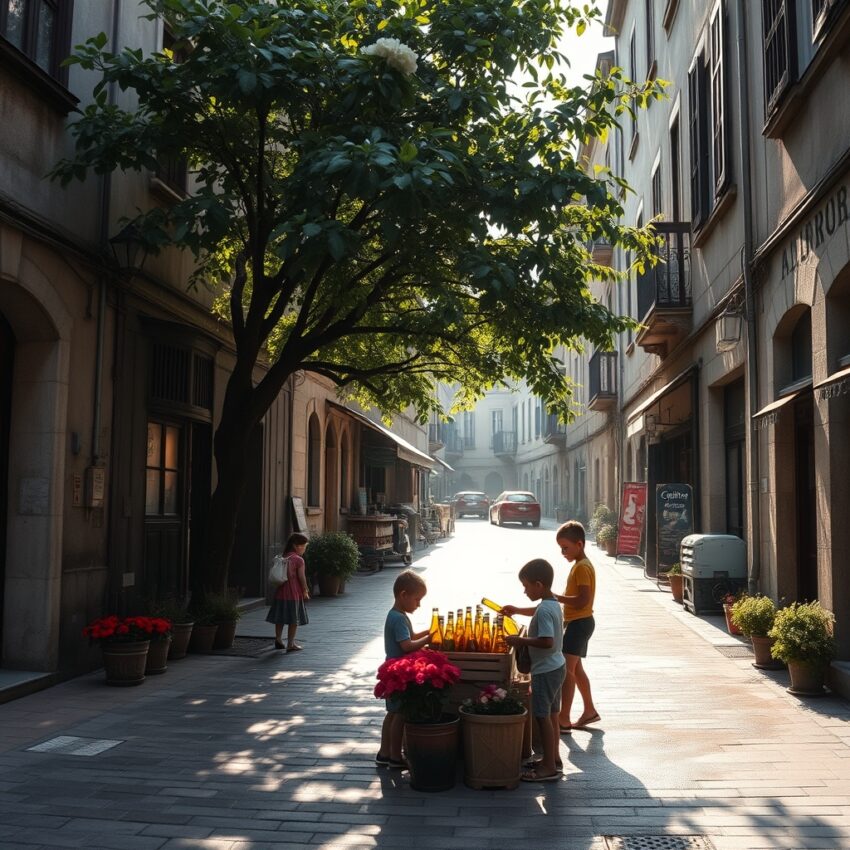
Eski kentlerde çevre bilinci bugünkü gibi tabelalarla, kampanyalarla ya da uzun toplantı tutanaklarıyla başlamazdı. Daha çok sabahın erken saatlerinde kapı önüne su serpen bir kadının hareketinde, bakkalın boş şişeleri kenara ayırmasında, çocukların dut ağacının gölgesinde oyun kurarken toprağı ezmemeye çalışmasında kendini belli ederdi. Sokak henüz kalabalıklaşmadan taş kaldırımlar yıkanır, pencereler açılır, avlulardan saksı kokusu gelirdi. Kent nefes alıyorsa, bunu mahalle halkının gündelik dikkatinde alırdı. Kimse buna büyük bir isim vermeyebilirdi; ama çöpe, suya, ağaca ve sokağın ortak düzenine gösterilen özen, çevre bilincinin en eski ve en sıcak biçimiydi.
Zamanın İzinde bakıldığında eski mahalle yaşamı, doğayla şehir arasında kırılgan ama canlı bir denge kurardı. Gazetelerde zaman zaman susuzluk haberleri, belediye temizlik uyarıları, ağaçlandırma çalışmaları ya da dumanlı kışların şikâyetleri yer alırdı; fakat asıl dönüşüm gündelik hayatın içinde sessizce yaşanırdı. İnsanlar çeşmenin boşa akmaması gerektiğini bilir, soba külünü gelişigüzel savurmaz, pazar artıklarını hayvanlara ya da toprağa döndürecek bir yol bulurdu. Mahalle, yalnız evlerin yan yana dizildiği yer değildi; suyun, gölgenin, kokunun ve sesin paylaşıldığı ortak bir yaşam alanıydı. Bu yüzden çevreye dikkat etmek çoğu zaman komşuya dikkat etmek anlamına gelirdi.
Bu bağın en görünür olduğu yerlerden biri kapı önleriydi. Akşamüstü serinliği çökerken kaldırımlar süpürülür, sardunyalar sulanır, çınar ya da akasya gölgesindeki tabureler ortaya çıkarılırdı. Çocuklar gazoz kapağıyla oyun oynarken büyüklerden biri “kağıdı yere atma” diye seslenir, bakkal kese kâğıdını yeniden kullanmak üzere saklar, terzi kumaş kırpıntılarını küçük işlere ayırırdı. Bugün geri dönüşüm diye tarif ettiğimiz pek çok davranış, o yıllarda yokluk ve saygının birleştiği doğal bir alışkanlıktı. Eşyalar hemen atılmaz, onarılır; cam kavanozlar reçel için bekletilir; eski gazeteler raflara serilirdi. Böylece mahalle, tüketmeden kullanmayı öğreten görünmez bir okul gibi çalışırdı.
Kentlerin nefes aldığı günler biraz da gölgenin ve suyun kıymetinin bilinmesiyle güzelleşirdi. Yazın sokak başındaki çeşme yalnız susuzluğu gidermez, mahallenin ritmini de düzenlerdi. Bir çocuk testiyi doldurur, yaşlı biri elini yüzünü serinletir, esnaf dükkân önündeki tozu bastırırdı. Ağaç kesildiğinde yalnız bir dal değil, bütün sokağın serinliği eksilirdi; bir arsa betonla kaplandığında çocukların oyunu, kuşların sesi ve komşuların akşam durağı da değişirdi. Bu nedenle eski kent insanı çevreyi soyut bir kavram olarak değil, günlük hayatın doğrudan hissedilen dokusu olarak tanırdı. Hava ağırsa herkes bilirdi, su azsa herkes kısardı, sokak kirliyse herkes utanırdı.
Bugün geçmişe döndüğümüzde bu mahalle bilincini romantik bir hatıra gibi değil, kaybolmuş pratik bir bilgelik olarak okumak gerekir. Eski kentlerin nefes almasını sağlayan şey kusursuz altyapı ya da büyük sözler değildi; küçük davranışların ortaklaşa sürdürülmesiydi. Kapı önünü temiz tutmak, ağacın gölgesini korumak, suyu boşa akıtmamak, eşyayı onarmak ve sokağı yalnız geçilen değil yaşanan bir yer saymak, çevre bilincinin mahalle yaşamıyla kurduğu en derin bağdı. O bağ bugün hâlâ bize şunu söyler: Bir kent, yalnız binalarıyla değil, insanların ortak nefesi korumaya gösterdiği özenle yaşar.
🇬🇧 English | The Days When Old Cities Breathed: The Bond Environmental Awareness Formed with Neighborhood Life
In old cities, environmental awareness did not begin with signs, campaigns, or long meeting notes as it often does today. It appeared more quietly in the movement of a woman sprinkling water before her doorway in the early morning, in the grocer setting empty bottles aside, in children trying not to crush the soil while playing beneath the shade of a mulberry tree. Before the street grew crowded, stone pavements were washed, windows opened, and the scent of potted plants drifted from courtyards. If the city breathed, it breathed through the daily care of the neighborhood. No one may have given it a grand name, yet the attention paid to waste, water, trees, and the shared order of the street was one of the oldest and warmest forms of environmental awareness.
From the perspective of time, old neighborhood life created a fragile but living balance between nature and the city. Newspapers sometimes carried reports of water shortages, municipal cleaning warnings, tree-planting efforts, or complaints about smoky winters, but the real transformation took place quietly within everyday life. People knew that a public fountain should not be left running, that stove ash should not be scattered carelessly, and that market scraps could find their way back to animals or soil. A neighborhood was not merely a line of houses standing side by side. It was a shared living space where water, shade, scent, and sound belonged to everyone. For that reason, caring for the environment often meant caring for the neighbor.
One of the clearest places where this bond appeared was the doorstep. As the coolness of late afternoon arrived, pavements were swept, geraniums were watered, and stools were carried beneath the shade of plane or acacia trees. While children played with bottle caps, an elder might call out, “Don’t throw that paper on the ground.” The grocer saved paper bags for reuse, and the tailor set fabric scraps aside for smaller jobs. Many acts we now describe as recycling were then natural habits born from both scarcity and respect. Objects were not immediately discarded; they were repaired. Glass jars waited for jam, and old newspapers lined shelves. In this way, the neighborhood worked like an invisible school teaching people to use without wasting.
The days when cities breathed were also made beautiful by knowing the value of shade and water. In summer, the fountain at the corner did more than relieve thirst; it regulated the rhythm of the neighborhood. A child filled a jug, an older person cooled hands and face, and a shopkeeper settled the dust before his store. When a tree was cut down, it was not only a branch that disappeared, but the coolness of an entire street. When an open lot was covered with concrete, children’s games, birdsong, and the evening gathering point of neighbors changed as well. The old city dweller therefore understood the environment not as an abstract idea, but as a texture directly felt in daily life. If the air grew heavy, everyone noticed; if water was scarce, everyone used less; if the street was dirty, everyone felt ashamed.
When we look back today, this neighborhood awareness should be read not merely as romantic memory, but as a lost practical wisdom. What allowed old cities to breathe was not perfect infrastructure or grand declarations, but the shared continuation of small behaviors. Keeping the doorstep clean, protecting the shade of a tree, not letting water run to waste, repairing objects, and treating the street not only as a place of passage but as a place of life formed the deepest bond between environmental awareness and neighborhood culture. That bond still tells us this: a city lives not only through its buildings, but through the care people show in protecting a common breath.
🇧🇷 Português (Brasil) | Os Dias em que as Cidades Antigas Respiravam: O Vínculo que a Consciência Ambiental Criou com a Vida de Bairro
Nas cidades antigas, a consciência ambiental não começava com placas, campanhas ou longas atas de reunião, como muitas vezes acontece hoje. Ela aparecia de modo mais silencioso no gesto de uma mulher jogando água diante da porta de casa pela manhã, no merceeiro separando garrafas vazias, nas crianças tentando não machucar a terra enquanto brincavam à sombra de uma amoreira. Antes que a rua ficasse cheia, as calçadas de pedra eram lavadas, as janelas se abriam e o cheiro dos vasos vinha dos pátios. Se a cidade respirava, respirava pelo cuidado cotidiano do bairro. Talvez ninguém desse a isso um nome grande, mas a atenção ao lixo, à água, às árvores e à ordem comum da rua era uma das formas mais antigas e mais calorosas de consciência ambiental.
Na trilha do tempo, a antiga vida de bairro criava um equilíbrio frágil, mas vivo, entre a natureza e a cidade. Os jornais às vezes traziam notícias sobre falta de água, avisos de limpeza da prefeitura, trabalhos de arborização ou reclamações sobre invernos enfumaçados, mas a verdadeira transformação acontecia em silêncio dentro da vida diária. As pessoas sabiam que a fonte pública não devia ficar correndo à toa, que a cinza do fogão não podia ser espalhada sem cuidado e que as sobras da feira podiam voltar aos animais ou à terra. O bairro não era apenas uma fileira de casas. Era um espaço comum onde água, sombra, cheiro e som eram compartilhados. Por isso, cuidar do ambiente muitas vezes significava cuidar do vizinho.
Um dos lugares onde esse vínculo ficava mais visível era a porta de casa. Quando o frescor da tarde chegava, as calçadas eram varridas, os gerânios recebiam água e os bancos iam para a sombra dos plátanos ou das acácias. Enquanto as crianças brincavam com tampinhas de garrafa, algum adulto dizia “não jogue esse papel no chão”. O merceeiro guardava sacos de papel para usar outra vez, e a costureira separava retalhos para pequenos consertos. Muitos gestos que hoje chamamos de reciclagem eram, naquele tempo, hábitos naturais nascidos da escassez e do respeito. As coisas não eram jogadas fora imediatamente; eram consertadas. Potes de vidro esperavam geleia, e jornais velhos forravam prateleiras. Assim, o bairro funcionava como uma escola invisível que ensinava a usar sem desperdiçar.
Os dias em que as cidades respiravam também se tornavam belos porque se conhecia o valor da sombra e da água. No verão, a fonte da esquina não matava apenas a sede; ela organizava o ritmo do bairro. Uma criança enchia a jarra, uma pessoa idosa refrescava o rosto, e o comerciante assentava a poeira diante da loja. Quando uma árvore era cortada, não desaparecia apenas um galho, mas o frescor de toda a rua. Quando um terreno livre era coberto de concreto, mudavam também as brincadeiras das crianças, o canto dos pássaros e o ponto de encontro dos vizinhos ao anoitecer. O morador da cidade antiga entendia o ambiente não como ideia abstrata, mas como textura sentida diretamente na vida cotidiana. Se o ar pesava, todos percebiam; se a água faltava, todos economizavam; se a rua estava suja, todos se envergonhavam.
Quando hoje olhamos para trás, essa consciência de bairro deve ser lida não apenas como lembrança romântica, mas como uma sabedoria prática perdida. O que fazia as cidades antigas respirarem não era uma infraestrutura perfeita nem grandes discursos, e sim a continuidade coletiva de pequenos gestos. Manter a porta limpa, proteger a sombra de uma árvore, não deixar a água correr sem necessidade, consertar objetos e tratar a rua não só como lugar de passagem, mas como lugar de vida, formavam o vínculo mais profundo entre consciência ambiental e cultura de bairro. Esse vínculo ainda nos diz: uma cidade vive não apenas por seus prédios, mas pelo cuidado que as pessoas dedicam a preservar uma respiração comum.