🇹🇷 Türkçe | okul dönüşü tabağa ilk uzanan kaşık ile hatırlanan sahurda yumurtalı ekmek: mevsim geçişlerinde neden daha da anlam kazanıyor
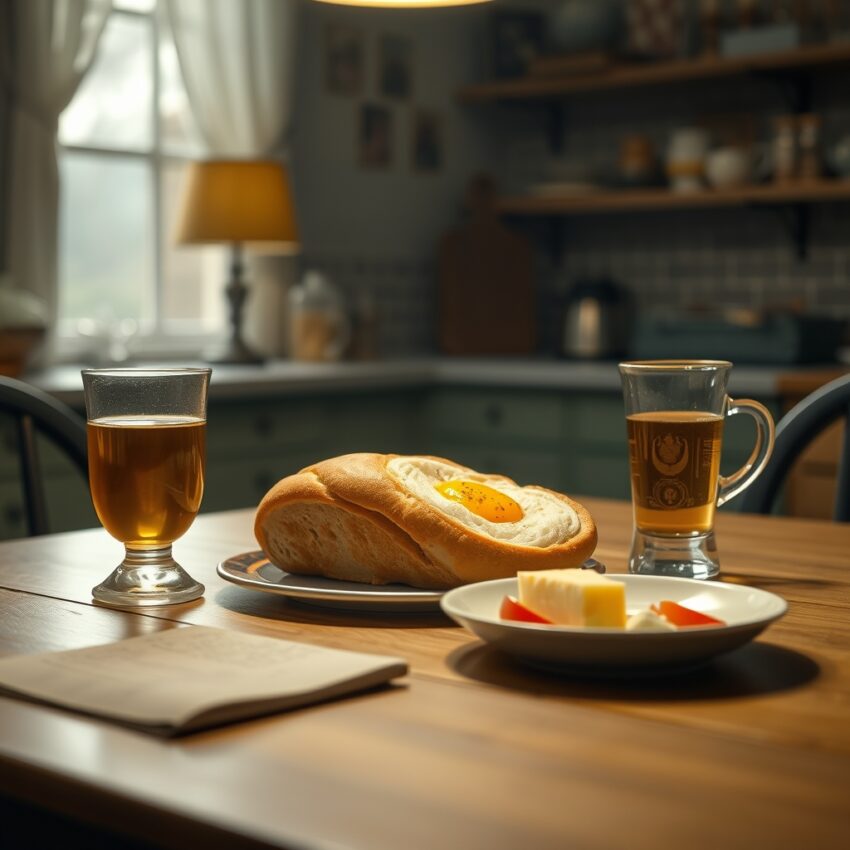
Bazı tatlar yalnız sofrada değil, günün iki ayrı vaktini birbirine bağlayan duyguda yaşar. Sahurda yumurtalı ekmek de böyle bir tattır. Bir yanda gecenin sessizliğinde, mutfak lambasının sarı ışığı altında hazırlanan sade ama doyurucu bir tabak; öte yanda okul dönüşü açlığında tabağa ilk uzanan kaşığın aynı sıcaklığı yeniden hatırlatması. Bu yemek çoğu evde büyük bir tarif iddiası taşımazdı. Bayatlamaya yüz tutmuş ekmek dilimleri yumurtaya bulanır, tavada hafifçe kızarır, kimi zaman az tuz, kimi zaman peynir, kimi zaman da çayın yanına yakışan küçük bir domates eşliğiyle sofraya gelirdi. Ama sade oluşu, hafızadaki yerini küçültmezdi. Tam tersine, tam da bu yalınlık sayesinde ev içi şefkatin en kuvvetli işaretlerinden birine dönüşürdü.
Damak Hafızası bakımından yumurtalı ekmek, yokluğu gizleyen değil, eldekiyle sıcaklık kuran eski mutfak kültürünün belirgin örneklerinden biridir. Sahur sofrasında seçilmesi tesadüf değildir; hem pratik hem besleyici, hem de uykuyla uyanıklık arasındaki saate uygun bir yemektir. Fakat bu yiyeceğin asıl duygusal gücü, yalnız oruç vaktine değil, başka zamanlara da sızabilmesinde yatar. Okul dönüşü tabağa uzanan ilk kaşık ifadesi biraz bunu anlatır. Çocuk öğleden sonra eve döner, mutfaktan gelen kızarmış ekmek kokusu kapıda karşılar, daha çantasını tam bırakmadan sofraya yaklaşır. O anda sahurda yenmiş aynı lezzetle görünmez bir bağ kurulur. Yemek, yalnız mideyi değil, günün farklı saatleri arasında kurulan aile hafızasını da besler.
Mevsim geçişlerinde bu yemeğin daha anlamlı görünmesi, evin ritminin değişmesinden kaynaklanır. İlkbahardan yaza ya da sonbahardan serin günlere geçerken mutfakta yapılan basit yemekler daha çok fark edilir. Sabah erken saatlerde havanın biraz serin, öğleden sonra ise hâlâ aydınlık olduğu günlerde yumurtalı ekmek hem tok tutan hem de iç ısıtan bir tanıdıklık sunar. Sahurda yenildiğinde gecenin sessizliğine eşlik eder; okul dönüşünde yenildiğinde günün yorgunluğunu yumuşatır. Pencere hafif aralıktır, mutfaktan tava sesi gelir, ekmeğin kenarları kızarırken evin içine tanıdık bir koku yayılır. Böyle anlarda mevsim yalnız dışarıda değişmez; sofranın dili de değişir. İnsan, büyük yemek şölenlerinden çok bu küçük geçiş tariflerini daha derin hatırlar.
Yumurtalı ekmek aynı zamanda aile içi emeğin sade ama güçlü bir ifadesidir. Çoğu kez anne, büyükanne ya da evde erken kalkan biri birkaç malzemeyle hızlıca hazırlar; ama sofraya gelen şey acele yapılmış gibi hissettirmez. Çünkü onda bakım duygusu vardır. Dilimlerin tavada tek tek çevrilmesi, fazla yağın süzülmesi, yanına çay konması ya da çocuk seviyor diye biraz peynir eklenmesi, mutfağın sessiz ilgisini gösterir. Bu yüzden okul dönüşü ilk kaşığın ya da sahurda ilk lokmanın hafızada büyümesi şaşırtıcı değildir. Yemeğin lezzeti kadar, onu hazırlayan elin ritmi de hatırlanır. Damak hafızası çoğu zaman malzemeden çok ilişkiyi saklar; yumurtalı ekmek de tam bu ilişkinin mütevazı ama kalıcı örneklerinden biridir.
Bugün mevsim geçişlerinde neden daha da anlam kazandığını sorduğumuzda, aslında bu yemeğin taşıdığı sürekliliği fark ederiz. Hayat hızlandıkça, mevsimler daha kısa yaşanıyor gibi geldikçe, sade ev yemekleri zamanın akışını yeniden elle tutulur hale getirir. Sahurda yumurtalı ekmek, geceyle sabah arasındaki sınırı yumuşatır; okul dönüşünde ise dışarının yorgunluğunu evin sıcaklığına bağlar. Bu yüzden aynı tarif, iki ayrı anın ortak hafızası olur. Yumurtalı ekmek büyük mutfak gösterilerinin değil, gündelik dayanıklılığın yemeğidir. Mevsim geçişlerinde daha anlamlı görünmesinin nedeni de tam burada saklıdır: değişen havaya, değişen saate ve değişen ruha rağmen evin bazı tatları aynı güveni korur. İnsan o tabağa ilk uzanan kaşıkta yalnız yemeği değil, evin devam eden sıcaklığını da bulur.
🇬🇧 English | Eggy Bread at Sahur Remembered with the First Spoon Reaching Toward the Plate After School: Why Does It Gain Even More Meaning in Seasonal Transitions?
Some flavors live not only on the table, but in the feeling that connects two different moments of the day. Eggy bread at sahur belongs to that kind. On one side stands a simple yet filling plate prepared in the yellow light of the kitchen lamp during the quiet of night. On the other stands the first spoon reaching toward the plate after school and remembering the same warmth again. In many homes this dish never claimed the ambition of a grand recipe. Slices of bread beginning to go stale were dipped in egg, lightly browned in a pan, and served sometimes with a little salt, sometimes with cheese, and sometimes with a tomato that fit naturally beside tea. Yet its simplicity never reduced its place in memory. On the contrary, precisely because it was so plain, it became one of the strongest signs of domestic tenderness.
Seen as taste memory, eggy bread is one of the clearest examples of an older kitchen culture that did not conceal scarcity, but built warmth from what was already at hand. Its place at the sahur table is not accidental. It is practical, nourishing, and suitable for the hour between sleepiness and wakefulness. But the real emotional power of this food lies in its ability to leak beyond the fasting meal into other hours of life. That is part of what is meant by the first spoon reaching for the plate after school. A child returns home in the afternoon, meets the smell of frying bread at the door, and moves toward the table before the schoolbag is fully set down. In that moment an invisible tie forms with the same flavor once eaten at sahur. The dish nourishes not only the stomach, but also the family memory linking different hours of the day.
Its greater meaning during seasonal transitions comes from the way the rhythm of the house changes. When spring turns toward summer or autumn arrives with cooler air, the simplest foods in the kitchen become more noticeable. On days when the early hour is slightly cold but the afternoon remains bright, eggy bread offers a familiarity that both warms and sustains. When eaten at sahur it accompanies the silence of night; when eaten after school it softens the fatigue of the day. A window is left a little open, the sound of the pan comes from the kitchen, and the edges of the bread brown while a familiar smell spreads through the home. In such moments the season does not change only outside. The language of the table changes as well. People often remember these small transition dishes more deeply than great feasts.
Eggy bread is also a plain yet powerful expression of family labor. Often a mother, grandmother, or whoever woke early in the household prepared it quickly from a few ingredients, yet what arrived at the table never felt careless. It carried the feeling of care. The slices turned one by one in the pan, the excess oil allowed to drain, the tea set beside them, or a little cheese added because a child liked it all showed the quiet attention of the kitchen. That is why the first spoon after school or the first bite at sahur grows so large in memory. People remember not only the taste of the food, but also the rhythm of the hand that prepared it. Taste memory preserves relationships as much as ingredients, and eggy bread remains one of the modest yet lasting examples of that truth.
When we ask why it gains even more meaning during seasonal transitions today, we are really noticing the continuity this food carries. As life accelerates and the seasons themselves seem to pass more quickly, simple household dishes make the flow of time tangible again. Eggy bread at sahur softens the border between night and morning, while after school it binds the tiredness of the outside world to the warmth of home. For that reason, the same recipe becomes the shared memory of two separate moments. It is not the food of grand culinary display, but of everyday resilience. That is exactly why it seems more meaningful when the seasons turn. Even as the air changes, the hour changes, and the mood changes, certain tastes of the home preserve the same trust. In the first spoon reaching toward that plate, one finds not only food, but the ongoing warmth of the household itself.
🇧🇷 Português (Brasil) | O Pão com Ovo do Sahur Lembrado pela Primeira Colher que Alcança o Prato Depois da Escola: Por Que Ele Ganha Ainda Mais Sentido nas Mudanças de Estação?
Alguns sabores vivem não apenas na mesa, mas no sentimento que liga dois momentos diferentes do dia. O pão com ovo do sahur é um desses sabores. De um lado está um prato simples, mas substancioso, preparado sob a luz amarela da cozinha durante o silêncio da noite. Do outro está a primeira colher que alcança o prato depois da escola e recorda de novo o mesmo calor. Em muitas casas, esse alimento nunca teve a pretensão de ser uma grande receita. Fatias de pão já um pouco amanhecidas eram mergulhadas no ovo, douradas levemente na frigideira e servidas às vezes com um pouco de sal, às vezes com queijo, às vezes com um tomate que combinava bem com o chá. Ainda assim, sua simplicidade nunca diminuiu seu lugar na memória. Ao contrário, foi justamente por ser tão simples que se transformou num dos sinais mais fortes do afeto doméstico.
Como memória do paladar, o pão com ovo é um dos exemplos mais claros de uma antiga cultura de cozinha que não escondia a escassez, mas construía calor com aquilo que já existia em casa. Sua presença na mesa do sahur não é por acaso. Ele é prático, nutritivo e adequado àquela hora entre o sono e a vigília. Mas a verdadeira força emocional dessa comida está em sua capacidade de escapar do momento do jejum e alcançar outras horas da vida. É isso que se revela na imagem da primeira colher estendida ao prato depois da escola. A criança volta para casa à tarde, encontra o cheiro de pão dourando logo na porta e se aproxima da mesa antes mesmo de largar a mochila por completo. Nesse instante surge uma ligação invisível com o mesmo sabor experimentado no sahur. O prato alimenta não só o corpo, mas também a memória familiar que une diferentes horas do dia.
O fato de ele ganhar mais sentido nas mudanças de estação vem da alteração do ritmo da casa. Quando a primavera se aproxima do verão ou quando o outono traz de volta o ar fresco, os pratos mais simples da cozinha se tornam mais perceptíveis. Nos dias em que a manhã ainda é um pouco fria, mas a tarde continua clara, o pão com ovo oferece uma familiaridade que aquece e sustenta ao mesmo tempo. No sahur ele acompanha o silêncio da noite; depois da escola ele suaviza o cansaço do dia. A janela fica um pouco aberta, vem da cozinha o som da frigideira, e as bordas do pão douram enquanto um cheiro conhecido se espalha pela casa. Nesses instantes, a estação não muda apenas do lado de fora. A linguagem da mesa também muda. Muitas vezes é desses pequenos pratos de transição que a memória guarda o traço mais fundo, mais do que de grandes banquetes.
O pão com ovo também é uma expressão simples, porém poderosa, do trabalho afetivo dentro da família. Na maioria das vezes, uma mãe, uma avó ou alguém que acordou cedo o prepara rapidamente com poucos ingredientes, mas o que chega à mesa nunca parece descuidado. Há ali uma sensação de cuidado. As fatias viradas uma a uma na frigideira, o excesso de óleo escorrendo, o chá posto ao lado ou um pouco de queijo acrescentado porque a criança gosta, tudo isso mostra a atenção silenciosa da cozinha. Por isso não surpreende que a primeira colher depois da escola ou a primeira mordida no sahur cresçam tanto na memória. O que fica guardado não é apenas o gosto, mas também o ritmo da mão que preparou. A memória do paladar preserva relações tanto quanto preserva ingredientes, e o pão com ovo é um exemplo modesto, porém duradouro, dessa verdade.
Quando perguntamos por que ele ganha ainda mais sentido hoje nas mudanças de estação, na verdade estamos percebendo a continuidade que essa comida carrega. À medida que a vida acelera e as estações parecem passar mais depressa, os pratos simples da casa tornam o tempo novamente palpável. O pão com ovo do sahur suaviza a fronteira entre noite e manhã; depois da escola, ele liga o cansaço da rua ao calor do lar. Por isso a mesma receita se transforma na memória comum de dois momentos distintos. Não é a comida dos grandes espetáculos culinários, mas da resistência cotidiana. E é exatamente por isso que parece mais significativa quando o clima muda. Mesmo que o ar, o horário e o humor se alterem, certos sabores da casa continuam oferecendo a mesma confiança. Na primeira colher que alcança esse prato, a pessoa encontra não só alimento, mas o calor contínuo da própria casa.