🇹🇷 Türkçe | Gaz Lambasının Işığında Kurulan Ev Ritmi
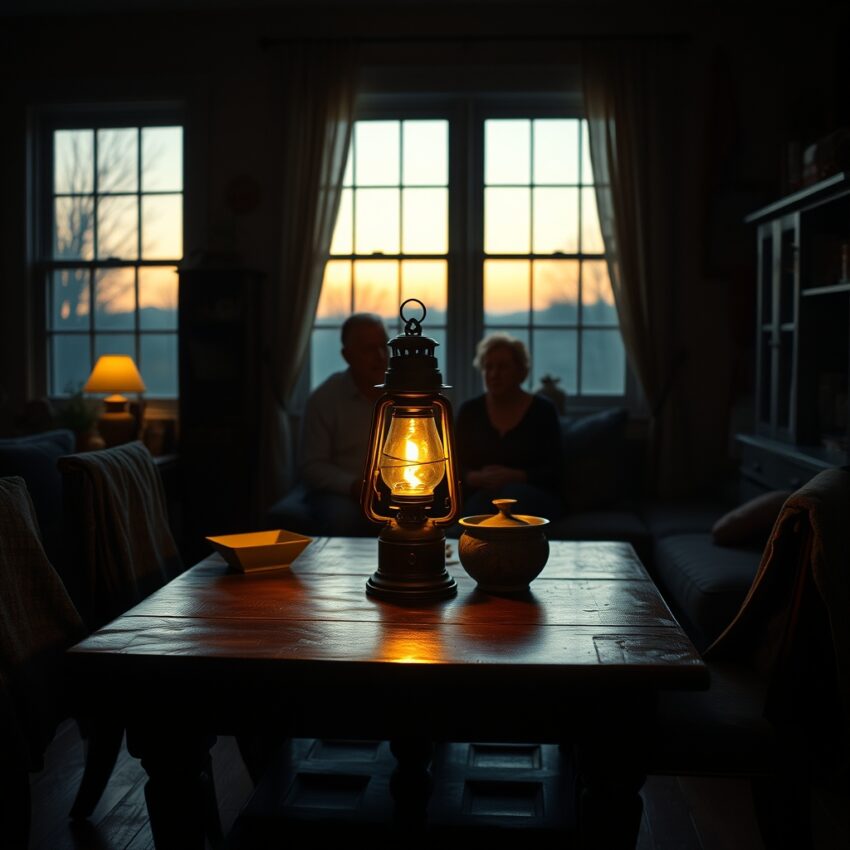
Bir zamanlar akşamın gerçek başladığını elektrik düğmesi değil, gaz lambasının yakılışı haber verirdi. Gün batımına doğru evin içindeki hareketler hafifçe değişir, perdeler çekilir, mutfakta tencerenin sesi usullaşır, çocuklar seslerini biraz kısar ve bir büyük, lambayı dikkatle ortaya getirirdi. Cam haznenin silinmesi, fitilin ayarlanması, kibritin çıtırtısı ve ardından yükselen o sarı, hafif titrek ışık evin içine bambaşka bir düzen kurardı. Gaz lambası yalnız karanlığı dağıtan bir araç değildi; o, akşamın ritmini başlatan bir eşikti. Onun çevresinde oturmak, dikiş dikmek, mektup okumak, ders çalışmak ya da sessizce çay içmek ev hayatının tekrar eden bir törenine dönüşürdü. Bu nedenle gaz lambası zaman içinde sıradan bir eşya olmaktan çıkar, elden ele geçen bir aile yadigârı gibi anlam kazanırdı.
Obje Hikayeleri açısından gaz lambasının en güçlü yanı, kullanımının hafızaya dokunma biçimidir. Çünkü bu nesne, yalnız bir dönemin teknolojik koşullarını değil, ev içindeki dikkat kültürünü de taşır. Lambanın iyi yanması için camının temizlenmesi, yağının tamamlanması, fitilinin taşmaması gerekirdi. Bu bakım, evde eşyayla kurulan sabırlı ilişkinin parçasıydı. Çocuklar çoğu zaman lambaya hemen dokunmamaları gerektiğini öğrenerek büyür, büyükler ise ışığın yeterince yükselip yükselmediğini göz ucuyla kontrol ederdi. Böylece gaz lambası, evin merkezine yerleşen ama herkesin belli bir saygıyla yaklaştığı bir nesneye dönüşürdü. Onun çevresinde kurulan akşamlar, hızdan çok ölçüye dayanırdı. Işık az olduğu için hareketler sakinleşir, konuşmalar derinleşir, gölgeler odanın eşyalarına başka bir ağırlık verirdi.
Bir gaz lambasının aile içinde elden ele geçmesi de tesadüfi değildir. Bu tür nesneler, sadece kullanıldıkları için değil, tanıklık ettikleri hayatlar yüzünden saklanır. Anneannenin sandığında duran, sonra annenin evine geçen, yıllar sonra bir vitrinin üstüne hatıra olarak yerleştirilen lamba; her kuşağın akşamına biraz başka biçimde karışır. İlk sahibinin elinde zorunlu bir aydınlatma aracı olan eşya, sonraki kuşakta ev terbiyesinin simgesine dönüşebilir. Camındaki hafif is izi, metal gövdesindeki kararma, tutma yerindeki aşınma, hepsi dokunulmuş yılları gösterir. Bu yüzden aile yadigârı dediğimiz şey yalnız eski olmakla ilgili değildir; o nesnenin farklı ellerde aynı özeni uyandırabilmesiyle ilgilidir.
Gaz lambasının ev hayatının ritüellerini şekillendirmesi biraz da zaman duygusunu düzenlemesinden gelir. Lambanın ne zaman yakılacağı, ne zaman söndürüleceği, çocukların hangi ışıkta ödev yapacağı, büyüklerin hangi köşede oturup örgü öreceği bu ışığa göre belirlenirdi. Kış akşamlarında lambanın çevresinde toplanmak dışarıdaki karanlığa karşı küçük bir iç dünya kurardı. Yazın avluya ya da balkona taşındığında ise ışık, komşuyla sohbetin ve serin gecenin eşlikçisi olurdu. Böylece gaz lambası yalnız bir odanın değil, ailenin birlikte vakit geçirme biçiminin de düzenleyicisi hâline gelirdi. Işığın sınırları, ev içi hareketin sınırlarını da çizerdi.
Bugün bir gaz lambasına bakıldığında çoğu insan eski bir eşyadan fazlasını görür. O nesne, elektrik öncesi hayatın zorluğunu kadar onun sakin terbiyesini de hatırlatır. Elden ele geçmiş olması, ona yalnız maddi değil duygusal bir parlaklık verir. Gaz lambası bu yüzden ev hayatının unutulmayan simgelerinden biridir: çünkü bir zamanlar akşamı başlatan ışık oydu, aileyi bir araya toplayan merkez oydu ve gündelik ritüellerin temposunu sessizce belirleyen de oydu. Hafızada kalan şey bazen ışığın kendisi değil, o ışığın altında birbirine yaklaşan hayatlardır.
🇬🇧 English | The Domestic Rhythm Formed in the Light of the Oil Lamp
There was a time when the true beginning of evening was announced not by an electric switch, but by the lighting of an oil lamp. As sunset approached, the movements inside the house changed slightly: curtains were drawn, the sound of the cooking pot softened in the kitchen, children lowered their voices, and an elder carefully brought the lamp to the center of the room. The wiping of the glass chimney, the adjustment of the wick, the crackle of a match, and then the rise of that yellow, gently trembling light established a wholly different order within the home. The oil lamp was not merely a tool that pushed back the dark; it was a threshold that began the rhythm of the evening. Sitting around it, sewing, reading letters, studying, or quietly drinking tea became a repeated ceremony of domestic life. For that reason the lamp ceased, over time, to be an ordinary object and gained the meaning of a family heirloom passed from hand to hand.
From the perspective of object stories, the deepest power of the oil lamp lies in the way its use touches memory. It carried not only the technical conditions of an earlier age, but also a culture of care within the home. For the lamp to burn well, its glass had to be cleaned, its oil refilled, and its wick kept properly trimmed. This maintenance belonged to the patient relationship people built with objects in the house. Children grew up learning not to touch it too quickly, while elders kept an eye on whether the light had risen enough. In this way, the lamp became an object placed at the center of the home yet approached by everyone with a certain respect. Evenings formed around it depended more on measure than on speed. Because the light was limited, movements slowed, conversations deepened, and shadows gave the room’s objects another weight.
It is no accident, either, that an oil lamp was often passed down through the family. Such objects are preserved not only because they were useful, but because of the lives they witnessed. A lamp that once stood in a grandmother’s chest, then passed into a mother’s home, and years later was placed on a shelf as a memory entered each generation’s evenings in a different way. In the hands of its first owner, it may have been a necessary source of light; in the next generation, it could become a symbol of domestic refinement. The slight soot on the glass, the tarnish on the metal body, the wear on the handle, all speak of years of touch. That is why being a family heirloom is not simply a matter of age; it is a matter of awakening the same care in different hands.
The oil lamp shaped the rituals of home life partly because it organized the feeling of time. The moment it would be lit, the moment it would be extinguished, the light under which children would do their lessons, and the corner where elders would sit to knit were all determined by that glow. On winter evenings, gathering around it created a small inner world against the darkness outside. In summer, when carried to the courtyard or balcony, the lamp accompanied conversation with neighbors and the coolness of the night. In that way, the oil lamp became not only an object in a room but a quiet arranger of the family’s way of spending time together. The limits of its light also drew the limits of movement inside the house.
Today, when people look at an oil lamp, they often see more than an old object. It reminds them not only of the hardship of life before electricity, but also of its calm discipline. Having passed from hand to hand gives it not only material value, but emotional brightness. That is why the oil lamp remains one of the unforgettable symbols of home life: it was once the light that truly began the evening, the center that gathered the family together, and the quiet force that determined the tempo of everyday rituals. What memory keeps is sometimes not the light itself, but the lives that drew closer beneath it.
🇧🇷 Português (Brasil) | O Ritmo da Casa Formado à Luz do Lampião
Houve um tempo em que o começo real da noite não era anunciado por um interruptor elétrico, mas pelo acender de um lampião. Quando o sol começava a cair, os movimentos dentro da casa mudavam um pouco: as cortinas eram fechadas, o barulho da panela na cozinha ficava mais brando, as crianças baixavam a voz e algum adulto trazia o lampião com cuidado para o centro do cômodo. Limpar o vidro, ajustar o pavio, ouvir o estalo do fósforo e então ver subir aquela luz amarela e levemente trêmula criava dentro da casa uma ordem completamente diferente. O lampião não era apenas um objeto para afastar a escuridão; ele era um limiar que iniciava o ritmo da noite. Costurar, ler cartas, estudar ou tomar chá em silêncio ao redor dele se transformava num ritual repetido da vida doméstica. Por isso, com o tempo, o lampião deixava de ser um objeto comum e passava a carregar o sentido de herança de família, passada de mão em mão.
Do ponto de vista das histórias dos objetos, a força maior do lampião está na maneira como seu uso toca a memória. Ele carrega não apenas as condições técnicas de um tempo anterior, mas também uma cultura de cuidado dentro de casa. Para queimar bem, o vidro precisava estar limpo, o reservatório precisava ser reabastecido e o pavio tinha de ser aparado com atenção. Essa manutenção fazia parte da relação paciente que as pessoas construíam com os objetos do lar. As crianças cresciam aprendendo a não tocá-lo de qualquer modo, enquanto os mais velhos observavam de lado se a luz estava forte o bastante. Assim, o lampião se tornava um objeto colocado no centro da casa, mas cercado de respeito. As noites organizadas em torno dele dependiam mais da medida do que da pressa. Como a luz era limitada, os gestos se tornavam lentos, as conversas se aprofundavam e as sombras davam outro peso aos móveis do quarto.
Também não é acaso que um lampião passasse de geração em geração. Objetos assim são guardados não só por terem sido úteis, mas pelas vidas que testemunharam. O lampião que ficou no baú da avó, depois passou para a casa da mãe e anos mais tarde foi colocado numa prateleira como lembrança entrou na noite de cada geração de um jeito diferente. Nas mãos do primeiro dono, podia ser uma necessidade de iluminação; na geração seguinte, virava símbolo de educação doméstica. A leve fuligem no vidro, o escurecimento do metal, o desgaste na alça, tudo mostra anos de toque. Por isso, ser herança de família não significa apenas ser antigo; significa conseguir despertar o mesmo cuidado em mãos diferentes.
O lampião moldou os rituais da vida em casa também porque organizava a sensação do tempo. A hora de acendê-lo, a hora de apagá-lo, a luz sob a qual as crianças fariam a lição e o canto onde os mais velhos se sentariam para tricotar eram definidos por esse brilho. Nas noites de inverno, reunir-se ao redor dele criava um pequeno mundo interior contra a escuridão de fora. No verão, quando era levado para o quintal ou para a varanda, o lampião acompanhava a conversa com os vizinhos e o frescor da noite. Assim, ele se tornava não apenas um objeto do cômodo, mas um organizador silencioso da maneira como a família passava o tempo junta. Os limites da sua luz também desenhavam os limites do movimento dentro de casa.
Hoje, ao olhar para um lampião, muita gente vê mais do que um objeto antigo. Ele lembra não só as dificuldades da vida antes da eletricidade, mas também sua disciplina serena. O fato de ter passado de mão em mão lhe dá não apenas valor material, mas também um brilho afetivo. É por isso que o lampião continua sendo um dos símbolos mais fortes da vida doméstica: foi a luz que durante muito tempo realmente começava a noite, o centro que reunia a família e a presença silenciosa que regulava o compasso dos rituais cotidianos. O que a memória guarda, muitas vezes, não é apenas a luz, mas as vidas que se aproximavam sob ela.