🇹🇷 Türkçe | müzik kutusu günleri: anteni çevirdikçe netleşen umut ile büyüyen bir alışkanlık neden unutulmadı sokak lambasının altında zihinde kalan eski bir melodiyle
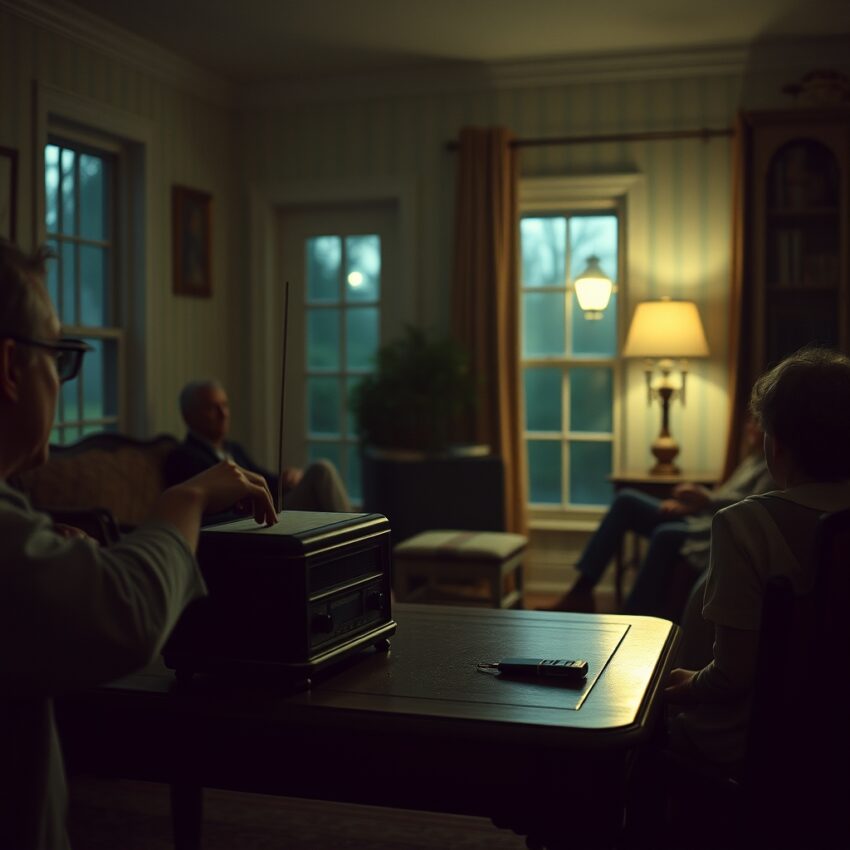
Sokak lambasının altında akşam ağırlaşırken, bazı evlerde küçük bir müzik kutusunun ya da radyonun sesi günün sonuna ince bir çizgi çekerdi. Anten biraz sağa çevrilir, cızırtı azalır, uzak bir istasyondan gelen melodi yavaş yavaş belirginleşirdi. Çocuklar susar, büyükler konuşmayı yarım bırakır, bir şarkının ilk notaları salonda beklenen bir misafir gibi karşılanırdı. Müzik kutusu günleri dediğimiz şey yalnız bir cihazın çalışması değildi; sesin zor bulunması, bulunduğunda kıymetlenmesi ve evin içinde herkesin aynı melodiyi paylaşmasıydı.
Teknoloji Mirası açısından bu cihazlar, analog çağın sabır isteyen ses kapılarıydı. Üzerindeki düğmeler, küçük antenler, kaset bölmeleri ya da frekans ibreleri insanı dinleyici olmaktan çıkarır, sesi arayan bir katılımcıya dönüştürürdü. Bugünün sınırsız müzik erişiminden farklı olarak, o yıllarda bir parçaya ulaşmak bazen anteni çevirmek, bazen istasyonu tutturmak, bazen de kaseti kalemle geri sarmak demekti. Bu emek, dinleme deneyimini törensel kılardı. Melodi bir anda gelmez, cızırtının içinden çıkar; netleştiğinde ise sanki evin havası değişirdi.
Müzik kutusu ya da küçük radyo etrafında büyüyen alışkanlık, ailelerin ve mahallelerin ortak saatlerine yerleşirdi. Akşam yemeğinden sonra çay konur, pencere aralanır, dışarıdaki sokak lambası yanarken içeride müzik başlardı. Kimi zaman komşudan duyulan şarkı, kimi zaman açık pencereden sokağa taşan nakarat, mahalleyi görünmez bir ses ağıyla birbirine bağlardı. Çocuklar hangi şarkının hangi mevsimi çağırdığını fark etmeden öğrenir, gençler sevdiği melodiyi defter köşesine yazacak kadar ciddiye alırdı. Bazı melodiler ev ödevinin kenarında, bazıları yazlık dönüşü valiz açılırken, bazıları da gece sessizliğinde kalırdı. Her biri evin zamanına küçük bir işaret koyar, eski akşamların duygusunu usulca çoğaltırdı. Teknoloji, bu küçük cihazlarla yalnız eğlence değil, hatırlama biçimi de üretirdi.
Bu alışkanlığın unutulmamasının nedeni, müziğin gündelik hayatın boşluklarına yerleşmesidir. Bir şarkı ütü yapılırken, okul çantası hazırlanırken, yağmur sonrası pencere silinirken ya da gece lambası altında mektup okunurken duyulurdu. Antenin çevrilmesiyle netleşen umut, aslında sadece sesin değil, günün de düzeleceğine dair küçük bir inançtı. Cızırtı azalınca insanın içi de sakinleşir, doğru frekans bulunduğunda evin dağınık duyguları toparlanırdı. Bu yüzden eski melodiler bugün bile yalnız kulağa değil, odanın ışığına, mobilyanın yerine ve sokaktan gelen serinliğe birlikte döner.
Bugün müzik kutusu günlerini hatırlarken özlediğimiz şey eski cihazların kendisinden fazlasıdır. Özlenen, sesi arama zahmeti, melodinin kıymeti ve aynı şarkının bir evi sessizce birleştirme gücüdür. Sokak lambasının altında zihinde kalan eski melodi, teknolojiyle hafıza arasındaki en yumuşak bağlardan biridir. O melodinin ardından gelen kısa sessizlik bile hatıranın parçası olurdu. Anteni çevirdikçe netleşen umut, bize şunu anlatır: Bazı alışkanlıklar unutulmaz, çünkü onlar yalnız kulağa değil, akşamın ritmine, evin sıcaklığına ve birlikte dinlemenin sabrına yerleşmiştir.
🇬🇧 English | Music Box Days: Why a Habit That Grew with Hope Becoming Clearer as the Antenna Turned Was Not Forgotten, with an Old Melody Remaining in the Mind Under the Street Lamp
As evening grew heavier beneath the street lamp, the sound of a small music box or radio drew a fine line at the end of the day in some homes. The antenna was turned a little to the right, the static softened, and a melody from a distant station slowly became clear. Children fell silent, adults left their conversations unfinished, and the first notes of a song were welcomed in the living room like an expected guest. What we call music box days was not merely the functioning of a device. It was the difficulty of finding sound, the value it gained once found, and the sharing of the same melody inside the home.
From the perspective of technological heritage, these devices were patient sound doors of the analog age. Their knobs, small antennas, cassette compartments, and frequency needles transformed people from mere listeners into participants searching for sound. Unlike today’s limitless access to music, reaching a song in those years sometimes meant turning the antenna, catching the station, or rewinding a cassette with a pencil. This effort made listening feel ceremonial. A melody did not arrive all at once; it emerged from static, and when it became clear, the air of the house seemed to change.
The habit that grew around a music box or small radio settled into the shared hours of families and neighborhoods. After dinner, tea was prepared, the window opened slightly, the street lamp came on outside, and music began within. Sometimes a song heard from a neighbor, sometimes a chorus spilling into the street from an open window, connected the neighborhood through an invisible net of sound. Children learned without noticing which song called up which season, while young people took a beloved melody seriously enough to write it in the corner of a notebook. Some melodies remained beside homework, some while unpacking a suitcase after returning from a summer place, and others in the quiet of night. Each placed a small mark on the time of the home. Through these small devices, technology produced not only entertainment, but also a way of remembering.
The reason this habit has not been forgotten is that music settled into the gaps of everyday life. A song was heard while ironing, preparing a schoolbag, wiping a window after rain, or reading a letter beneath a night lamp. The hope that became clearer as the antenna turned was in fact a small belief that not only the sound, but the day itself might improve. When the static faded, the inner world also calmed; when the right frequency was found, the scattered feelings of the home gathered together. That is why old melodies return today not only to the ear, but together with the room’s light, the placement of furniture, and the coolness arriving from the street.
When we remember music box days now, what we miss is more than the old devices themselves. We miss the effort of searching for sound, the value of melody, and the power of one song to quietly unite a household. The old melody remaining in the mind beneath the street lamp is one of the gentlest bonds between technology and memory. The hope that cleared as the antenna turned tells us this: some habits are not forgotten because they settle not only in the ear, but in the rhythm of evening, the warmth of home, and the patience of listening together.
🇧🇷 Português (Brasil) | Dias de Caixa de Música: Por que um Hábito que Cresceu com a Esperança Ficando Mais Clara ao Girar a Antena Não Foi Esquecido, com uma Antiga Melodia Guardada na Mente Sob o Poste de Luz
Quando a noite ficava mais pesada sob o poste de luz, o som de uma pequena caixa de música ou de um rádio traçava uma linha fina no fim do dia em algumas casas. A antena era girada um pouco para a direita, o chiado diminuía, e uma melodia vinda de uma estação distante ficava aos poucos mais clara. As crianças se calavam, os adultos deixavam a conversa pela metade, e as primeiras notas de uma canção eram recebidas na sala como uma visita esperada. O que chamamos de dias de caixa de música não era apenas o funcionamento de um aparelho. Era a dificuldade de encontrar o som, o valor que ele ganhava depois de encontrado e a partilha da mesma melodia dentro de casa.
Do ponto de vista da herança tecnológica, esses aparelhos eram portas sonoras pacientes da era analógica. Seus botões, pequenas antenas, compartimentos de fita e ponteiros de frequência transformavam a pessoa de simples ouvinte em participante que procurava o som. Diferente do acesso ilimitado à música de hoje, alcançar uma canção naqueles anos às vezes significava girar a antena, acertar a estação ou rebobinar a fita com uma caneta. Esse esforço tornava a escuta quase cerimonial. A melodia não chegava de uma vez; saía do chiado, e quando ficava nítida parecia mudar o ar da casa.
O hábito que cresceu em torno da caixa de música ou do pequeno rádio entrava nas horas comuns das famílias e dos bairros. Depois do jantar, o chá era preparado, a janela se abria um pouco, o poste acendia lá fora e a música começava dentro de casa. Às vezes uma canção vinda do vizinho, às vezes um refrão escapando pela janela aberta, ligava o bairro por uma rede invisível de som. As crianças aprendiam sem perceber que música chamava qual estação, enquanto os jovens levavam uma melodia querida a sério o bastante para escrevê-la no canto do caderno. Algumas melodias ficavam ao lado da lição de casa, outras durante a abertura da mala depois da volta do verão, outras no silêncio da noite. Cada uma deixava uma pequena marca no tempo da casa. Com esses pequenos aparelhos, a tecnologia produzia não só diversão, mas também uma forma de lembrar.
O motivo de esse hábito não ter sido esquecido é que a música se instalava nos intervalos da vida cotidiana. Uma canção era ouvida enquanto se passava roupa, se preparava a mochila da escola, se limpava a janela depois da chuva ou se lia uma carta sob a luz de cabeceira. A esperança que ficava mais clara ao girar a antena era, na verdade, uma pequena crença de que não só o som, mas o próprio dia podia melhorar. Quando o chiado diminuía, o interior da pessoa também se acalmava; quando a frequência certa era encontrada, os sentimentos espalhados da casa se reuniam. Por isso, antigas melodias voltam hoje não só ao ouvido, mas junto com a luz do quarto, o lugar dos móveis e o frescor vindo da rua.
Quando lembramos hoje dos dias de caixa de música, o que sentimos falta é mais do que os aparelhos antigos. Sentimos falta do esforço de procurar o som, do valor da melodia e da força de uma canção para unir uma casa em silêncio. A antiga melodia guardada na mente sob o poste de luz é um dos vínculos mais suaves entre tecnologia e memória. A esperança que clareava ao girar a antena nos diz isto: alguns hábitos não são esquecidos porque se instalam não apenas no ouvido, mas no ritmo da noite, no calor da casa e na paciência de escutar juntos.