🇹🇷 Türkçe | ipek eşarp kutusu ve çeyiz odasında büyüyen bekleyişi: nasıl bir aile mirasına dönüştü
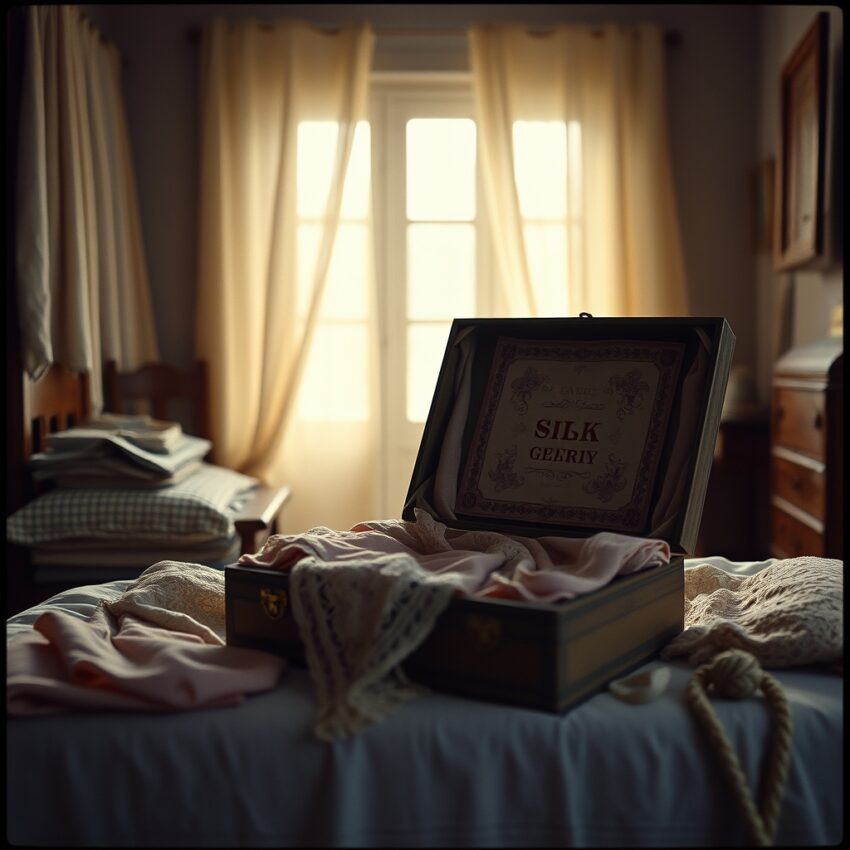
Bazı eşyalar kullanılmadan önce bile aile içinde yerini alır. İpek eşarp kutusu da böyledir. Çeyiz odasının en sessiz köşesinde, dantel örtülerin, naftalin kokusunun ve özenle katlanmış kumaşların arasında duran o kutu; henüz gündelik hayata karışmamış bir geleceğin habercisi gibidir. Kapak kaldırıldığında görünen parlak kâğıt, eşarbın ipeksi yüzeyi ve kutunun içindeki düzen, yalnız bir aksesuarı değil, beklenmiş bir hayat evresini de saklar. O odada zaman farklı işler; eşyalar kullanılmak için değil, günü geldiğinde anlamını tamamlamak için bekler. İpek eşarp kutusu da tam bu yüzden basit bir saklama nesnesi olmaktan çıkar, ailenin sabırla kurduğu duygusal düzenin parçasına dönüşür.
Obje Hikayeleri açısından bu kutu, ev içi estetiğin ve kuşaklar arası aktarımın küçük ama yoğun bir temsilcisidir. Eski evlerde çeyiz odası yalnızca eşya biriktirilen bir yer değil; geleceğe dair terbiyenin, özenin ve toplumsal beklentilerin de toplandığı bir alandı. Kutuya konan ipek eşarp, çoğu zaman düğün, ziyaret, bayram ya da yeni hayatın ilk misafirlikleri için düşünülürdü. Bu nedenle kutunun kendisi de eşarp kadar önemliydi. Baskılı kapağı, içindeki ince kâğıt, bazen üretici etiketi ya da kurdeleyi andıran detaylarıyla hem modern mağaza kültürünün hem de geleneksel hazırlık duygusunun izlerini taşırdı. Eşya burada yalnız satın alınmış değil, anlam yüklenmişti.
Çeyiz odasında büyüyen bekleyişin aile mirasına dönüşmesi, tam da bu uzun süreli anlam birikimiyle ilgilidir. Bir genç kızın odasına kaldırılan kutu, yıllar geçtikçe yalnız onun değil, evin büyüklerinin de hikâyesini içine alır. Anne “bunu özel gün için ayırmıştık” der, teyze kumaşın kalitesinden söz eder, büyükanne kutunun kapağını eliyle düzeltirken kendi gençliğinin alışverişlerini hatırlar. Böylece obje tek bir kişinin mülkiyetinden çıkar, aile içinde dolaşan hafızalı bir tanığa dönüşür. Bekleyiş sadece kullanılacağı günü değil, etrafında biriken cümleleri, tavsiyeleri ve sessiz beklentileri de büyütür. Kutunun açılıp kapanma biçimi bile evde bir tören ciddiyeti taşır.
Bu nesnenin mirasa dönüşmesinde malzeme kadar mekânın da payı büyüktür. Çeyiz odası çoğu evde herkesin her gün girmediği, biraz serin, biraz düzenli, biraz da zamana kapalı bir bölgedir. İşte tam bu yarı kapalı atmosfer, kutuya sıradan eşyalardan farklı bir ağırlık verir. Üzerine bırakılan lavanta torbası, kenarında duran işlemeli bohça, gardırop içinde korunan diğer kumaşlar; hepsi birlikte bekleyişin dekorunu kurar. İpek eşarp kutusu bu dekor içinde sadece bir obje olarak değil, geleceğe yönelik iyi dileklerin somutlaştığı bir merkez gibi görünür. Yıllar sonra eşarp kullanılmış, modası değişmiş ya da kumaşı yıpranmış olsa bile kutu çoğu zaman atılmaz. Çünkü saklanan şey artık sadece eşarp değil, beklemenin kendisidir.
Bugün bu kutulara neden aile mirası gibi bakıldığını anlamak zor değil. Modern hayat hızlandıkça, eşyanın hazırlanma ve bekletilme süreci neredeyse kayboldu. Oysa ipek eşarp kutusu, bir dönemde eşyaların yalnız alınmadığını; beklenerek, korunarak ve anlam verilerek aile hayatına katıldığını hatırlatır. Çeyiz odasında büyüyen bekleyiş, zamanla bir tür ev içi hafızaya dönüşür. Kutunun kapağı açıldığında geçmişteki sesler, kumaşların kokusu ve kadınlar arasında dolaşan cümleler de yeniden açılır. Bu yüzden o küçük kutu bugün yalnız zarif bir obje değil; sabrın, hazırlığın ve kuşaktan kuşağa aktarılan ev içi özenin mütevazı ama güçlü bir temsilcisidir.
🇬🇧 English | The Silk Scarf Box and the Waiting That Grew in the Dowry Room: How Did It Turn into a Family Heirloom?
Some objects take their place within a family even before they are used. The silk scarf box is one of them. Resting in the quietest corner of the dowry room among lace covers, the scent of mothballs, and carefully folded fabrics, it seems like the messenger of a future not yet entered into daily life. When the lid is lifted, the glossy tissue paper, the silky surface of the scarf, and the order arranged inside preserve not only an accessory, but a long-awaited stage of life. Time works differently in that room. Objects do not wait merely to be used; they wait for the day when their meaning will be completed. For that reason, the silk scarf box ceases to be a simple container and becomes part of the emotional order a family builds with patience.
From the perspective of object stories, this box is a small but concentrated representative of domestic aesthetics and intergenerational transfer. In older homes, the dowry room was not merely a place where goods were stored, but a place where manners, care, and social expectations about the future were gathered as well. The silk scarf placed in the box was often intended for a wedding, a holiday visit, a formal occasion, or the first rounds of visiting in a new household. For that reason, the box itself mattered almost as much as the scarf. With its printed lid, delicate paper lining, and at times a maker’s label or ribbon-like detail, it carried traces of both modern retail culture and the older feeling of careful preparation. Here, the object was not merely purchased; it was invested with meaning.
The waiting that grew in the dowry room became a family heirloom precisely because meaning accumulated around it over time. A box placed in a young woman’s room gradually came to hold not only her story, but those of the elder women in the household. A mother would say, “we were saving this for a special day.” An aunt would speak about the quality of the fabric. A grandmother smoothing the lid with her hand would remember the shopping of her own youth. In that way, the object passed beyond individual ownership and became a witness circulating through family memory. The waiting enlarged not only the day on which it would be used, but also the sentences, advice, and quiet expectations that gathered around it. Even the manner in which the box was opened and closed carried the gravity of a small ceremony.
Place mattered in the making of this heirloom just as much as material. In many homes, the dowry room was a somewhat cool, orderly, and time-sealed space that not everyone entered every day. This half-closed atmosphere gave the box a weight different from ordinary belongings. A lavender sachet resting on it, an embroidered bundle beside it, and the other protected fabrics inside the wardrobe all helped build the scenery of waiting. Within that decor, the silk scarf box appeared not only as an object, but as a center in which good wishes for the future became tangible. Years later the scarf may have been worn, its fashion changed, or its fabric worn thin, yet the box was often kept. What was being preserved by then was no longer only the scarf, but waiting itself.
It is not difficult to understand why such boxes are now viewed as family heirlooms. As modern life accelerated, the process of preparing and keeping objects in readiness almost disappeared. The silk scarf box reminds us that there was a time when objects were not simply bought, but brought into family life through waiting, protection, and meaning. The waiting that grew in the dowry room turned over time into a kind of domestic archive. When the lid is opened, past voices, the smell of cloth, and the sentences exchanged among women in the household seem to open with it. That is why this small box is remembered today not merely as an elegant object, but as a modest yet powerful representative of patience, preparation, and transmitted domestic care.
🇧🇷 Português (Brasil) | A Caixa do Lenço de Seda e a Espera que Cresceu no Quarto do Enxoval: Como Se Transformou em uma Herança de Família?
Alguns objetos ocupam seu lugar dentro da família antes mesmo de serem usados. A caixa do lenço de seda é um deles. Guardada no canto mais silencioso do quarto do enxoval, entre rendas, cheiro de naftalina e tecidos dobrados com cuidado, ela parece anunciar um futuro que ainda não entrou na vida cotidiana. Quando a tampa se abre, o papel brilhante, a superfície sedosa do lenço e a ordem do interior guardam não apenas um acessório, mas uma etapa de vida longamente esperada. O tempo funciona de outro modo nesse quarto. As coisas não aguardam apenas para serem usadas; aguardam o dia em que seu sentido será completado. Por isso a caixa do lenço de seda deixa de ser um simples recipiente e passa a fazer parte da ordem afetiva que a família constrói com paciência.
No campo das histórias dos objetos, essa caixa é uma representação pequena, mas intensa, da estética doméstica e da transmissão entre gerações. Nas casas antigas, o quarto do enxoval não era apenas um espaço para guardar peças, mas também um lugar onde se reuniam cuidado, compostura e expectativas sociais em relação ao futuro. O lenço colocado ali costumava ser pensado para um casamento, uma visita de festa, um feriado ou os primeiros compromissos da nova vida. Por isso a própria caixa importava quase tanto quanto o lenço. Com sua tampa impressa, o papel fino por dentro e às vezes uma etiqueta da loja ou um detalhe parecido com fita, ela trazia marcas tanto da cultura moderna das lojas quanto do sentimento tradicional de preparação cuidadosa. O objeto não havia sido apenas comprado; havia recebido significado.
A espera que cresceu no quarto do enxoval se transformou em herança de família justamente porque o sentido foi se acumulando ao redor dela com o tempo. Uma caixa guardada no quarto de uma jovem acabava contendo não apenas a história dela, mas também as das mulheres mais velhas da casa. A mãe dizia: “guardamos isso para um dia especial”. A tia comentava a qualidade do tecido. A avó, ao alisar a tampa com a mão, lembrava das compras da própria juventude. Assim, o objeto deixava de pertencer a uma única pessoa e se tornava uma testemunha que circulava pela memória familiar. A espera fazia crescer não só o dia em que seria usada, mas também as frases, os conselhos e as expectativas silenciosas acumuladas ao redor. Até a forma de abrir e fechar a caixa carregava a seriedade de um pequeno ritual.
Nesse processo, o espaço importa tanto quanto o material. Em muitas casas, o quarto do enxoval era um ambiente um pouco fresco, organizado e fechado ao tempo, onde nem todos entravam diariamente. Essa atmosfera meio reservada dava à caixa um peso diferente das outras coisas da casa. O sachê de lavanda apoiado sobre ela, a trouxa bordada ao lado e os demais tecidos guardados no armário montavam juntos a cenografia da espera. Dentro desse cenário, a caixa do lenço de seda aparecia não apenas como um objeto, mas como um centro onde os bons desejos para o futuro ganhavam forma concreta. Anos depois, o lenço podia ter sido usado, a moda podia ter mudado ou o tecido podia ter se desgastado, mas a caixa muitas vezes permanecia. O que se preservava já não era apenas o lenço, e sim a própria espera.
Não é difícil entender por que essas caixas hoje são vistas como heranças de família. À medida que a vida moderna acelerou, o processo de preparar e guardar as coisas para o momento certo quase desapareceu. A caixa do lenço de seda lembra que houve um tempo em que os objetos não eram apenas comprados, mas integrados à vida da família por meio de espera, proteção e significado. A espera que crescia no quarto do enxoval acabava se tornando uma espécie de arquivo doméstico. Quando a tampa se abre, abrem-se junto as vozes do passado, o cheiro dos tecidos e as frases trocadas entre as mulheres da casa. Por isso essa pequena caixa é lembrada hoje não só como um objeto elegante, mas como uma representação modesta e poderosa da paciência, da preparação e do cuidado doméstico transmitido entre gerações.