
Skip to content

Eski Pano

🇹🇷 Geçmişin güzelliğini keşfedin 🇬🇧 Exploring the beauty of the past 🇧🇷 Explorando a beleza do passado

Menu
  • Hakkımızda | About Us | Sobre Nós
  • İletişim | Contact | Contato
Menu

Faks Makinesi Başında Geçen Saatler: Tamircilerin Elinde Neden İkinci bir Ömür Bulduğunu Açıklıyor | the Hours Spent at the Fax Machine: Explaining Why It Found a Second Life in the Hands of Repairmen | as Horas Passadas Diante da Máquina de Fax: Explica Por Que Ela Encontrou Uma Segunda Vida Nas Mãos dos Técnicos
Posted on 10/04/2026 by admin

🇹🇷 Türkçe | Faks Makinesinin Uğultusunda Saklanan İkinci Hayat

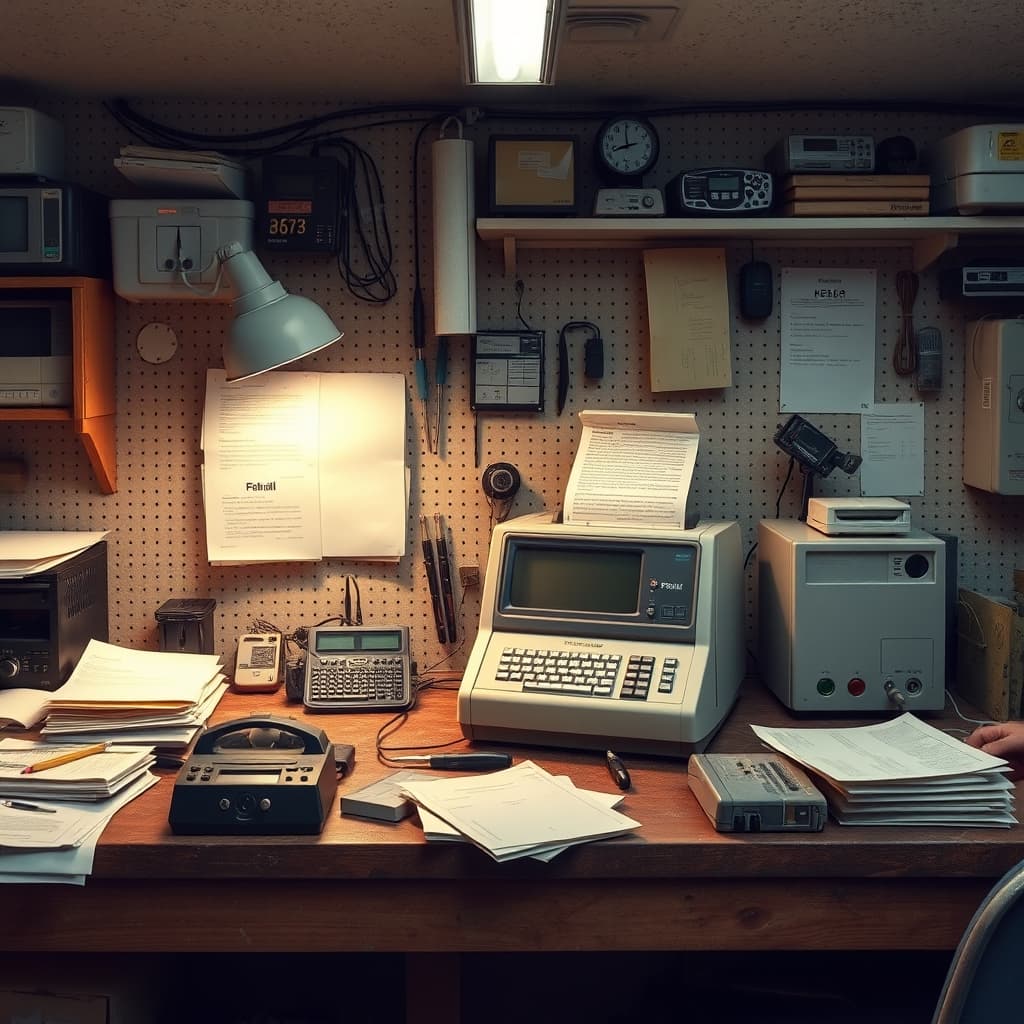
Bir dönemde ofislerin en tanıdık seslerinden biri, uzun uzun düşünen bir cihaz gibi inleyen faks makinesinden gelirdi. Duvara yakın duran küçük masa, üstünde kıvrılmış telefon kablosu, yanında tükenmeye yüz tutmuş rulo kâğıt ve başında bekleyen sabırsız bakışlar, erken dijital çağın kendine özgü sabır terbiyesini taşırdı. Belge geçsin diye sessizce beklenir, karşı taraftan ses kesilmesin diye kimse yüksek konuşmaz, sayfa çıkınca yazı tam oturdu mu diye herkes başını aynı anda eğip bakardı. O makine, yalnız yazı aktaran bir araç değil, mesafenin üstüne kurulan geçici bir köprüydü. Bugün unutulmuş gibi görünse de, tamircilerin tezgâhında yeniden canlanan her faks makinesi, yakın geçmişin çalışma ritmini yeniden hatırlatır.

Teknoloji Mirası açısından bakıldığında faks makinesi, analog ile dijital arasındaki geçiş çağının en öğretici nesnelerinden biridir. Bir yandan telefon hattına yaslanır, bir yandan kâğıdın fiziksel varlığını korur; hem modern görünür hem de mekanik kırılganlıklarını saklamazdı. Tuş takımı, termal baskı düzeni, besleme silindirleri, kopan film şeritleri ve sıkışan belgeler, cihazın günlük kullanımla ne kadar iç içe olduğunu gösterirdi. Tamirciler işte bu yüzden faks makinelerine yalnız bozuk eşya gözüyle bakmadı. Onlar için her cihaz söküldüğünde içinden bir dönemin mühendislik mantığı, iş yeri telaşı ve kullanıcı alışkanlığı çıkardı. Cihazın kapağını açmak, biraz da eski çalışma hayatının iç yapısını görmek demekti.

Faks makinesinin tamircilerin elinde ikinci bir ömür bulmasının en güçlü nedenlerinden biri, bu cihazların tamir edilebilirliğiydi. Bugünün kapalı kutu elektroniklerinin aksine, birçok eski model vida ile açılır, parçası temizlenir, lastiği değiştirilir, baskı yolu düzeltilir, hatta devresi sabırla takip edilirdi. Mahalle aralarındaki elektronikçi dükkânlarında ince tornavidalar, lehim kokusu, raflarda bekleyen adaptörler ve sararmış kullanım kılavuzları arasında faks makineleri yeniden ayağa kaldırılırdı. Bir usta, kâğıt çekmeyen silindiri değiştirirken yalnız bir parçayı değil, cihazın işlevine bağlı olan küçük bir dünyanın akışını onarırdı. Çünkü avukat bürolarından nakliye şirketlerine, hastane sekreterliklerinden küçük ihracatçılara kadar birçok yer için faks hâlâ vazgeçilmezdi.

Gündelik hayat ayrıntıları bu ikinci ömrün niçin değerli olduğunu daha iyi gösterir. Tamir dükkânına gelen müşteri çoğu zaman yeni cihaz almak yerine “bunun yeri başka” derdi. Çünkü o makine yıllarca aynı masada durmuş, aynı siparişleri geçirmiş, aynı resmi yazıları ulaştırmıştı. Üst köşesine yapıştırılmış bir numara etiketi, kapağın iç tarafına sıkıştırılmış not kâğıdı ya da belli belirsiz kahve lekesi, onu anonim bir ofis eşyasından çıkarıp iş yerinin hafızasına dönüştürürdü. Tamirciler de bunu bilirdi. Onlar için mesele yalnız akımı ölçmek değil, cihazın çalışma karakterini anlamaktı. Hangi sesin normal, hangi tıkırtının arıza habercisi olduğunu kulakla ayırt ederlerdi. Bu dikkat, eski teknolojilerle kurulan usta ilişkisini daha da kıymetli kılar.

Bugün faks makinelerine bakınca hissedilen nostalji, yalnız modası geçmiş bir aygıta duyulan sempatiden ibaret değildir. O cihazların yeniden tamir edilmesi, bir dönemin iş yapma ahlakının da korunması anlamına gelir. Sabırla sayfa beklemek, gelen belgeyi elinde tutmak, imzayı gerçekten görmek ve karşı taraftan geçen çizgili çıktıyı önemsemek, bugünün hız kültüründe kaybolan bazı alışkanlıkları hatırlatır. Tamircinin tezgâhında çalışan bir faks makinesi, “eski teknoloji” olmanın ötesinde, onarılabilir dünyanın mümkün olduğuna dair sessiz bir delildir.

Sonuçta faks makinesi başında geçen saatlerin tamircilerin elinde ikinci bir ömür bulması tesadüf değildir. Bu cihazlar hem mekanik olarak tamire açık, hem kültürel olarak hafızaya yakın, hem de çalışma hayatının ritmini taşıyan nesnelerdi. Onlara eğilen ustalar, sadece kablo ve devre ile uğraşmadı; bir dönemin belge dili, ofis telaşı ve mühendislik terbiyesini de ayakta tuttu. Bugün o uğultuyu duyanlar, aslında yakın geçmişin hâlâ tamamen susmadığını hisseder.


🇬🇧 English | The Second Life Hidden in the Hum of the Fax Machine

For a certain generation, one of the most familiar sounds in offices was the faint groan of a fax machine, as if the device itself were thinking. A small table near the wall, a curled telephone cable, a roll of paper nearing its end, and impatient eyes waiting beside it all belonged to the particular discipline of patience that marked the early digital age. People lowered their voices so the line would not be disturbed, stood still while a page was being transmitted, and bent over the printed sheet together to see whether the text had arrived clearly. The fax machine was not only a tool for sending writing. It was a temporary bridge laid over distance. Though it seems forgotten now, every fax machine revived on a repairman’s bench recalls the working rhythm of the recent past.

From the perspective of technological heritage, the fax machine is one of the most revealing objects of the transition between the analog and digital eras. It depended on the telephone line while preserving the physical presence of paper. It looked modern, yet never hid its mechanical vulnerability. Its keypad, thermal print system, feeding rollers, torn ribbons, and jammed documents showed how deeply it lived inside everyday use. That is why repairmen never saw fax machines as mere broken appliances. Whenever they opened one, they found inside a whole logic of engineering, workplace urgency, and user habit. Lifting the casing meant, in a sense, looking into the structure of an older working life.

One of the strongest reasons fax machines found a second life in the hands of repairmen was that they were repairable. Unlike many sealed contemporary devices, older models could be opened with screws, cleaned, fitted with a new rubber roller, adjusted along the paper path, and patiently traced through their circuitry. In neighborhood electronics shops, among fine screwdrivers, the smell of solder, shelves of adapters, and yellowing manuals, fax machines were brought back to their feet. When a technician replaced a worn feed roller, he was not only changing a part. He was restoring the flow of a small world that depended on that machine. Law offices, freight companies, hospital desks, and small exporters all continued to rely on it longer than many people now remember.

Everyday details explain why that second life mattered so much. Customers entering a repair shop often preferred to say, “This one is different,” instead of buying a new device. That machine had stood on the same desk for years, transmitted the same orders, carried the same official documents. A label with an office number, a note tucked into the lid, or the faint trace of a coffee stain turned it from a generic office object into part of a workplace memory. Repairmen understood this. Their task was not merely to measure current or test a cable, but to understand the temperament of the device itself. They could distinguish by ear which sound belonged to normal operation and which click warned of failure. That attentiveness made the craftsman’s relationship with old technology especially valuable.

The nostalgia attached to fax machines today is not only affection for an outdated device. Their repair also preserves a certain ethic of work. Waiting patiently for a page, holding the arriving document in one’s hand, seeing a signature physically present, and treating that striped paper output as important all recall habits that speed culture has largely erased. A functioning fax machine on a technician’s bench is more than an old machine. It is a quiet proof that a repairable world once existed and can still, in fragments, exist again.

In the end, the hours spent at the fax machine found a second life in the hands of repairmen for good reason. These devices were mechanically open to repair, culturally close to memory, and deeply tied to the rhythm of working life. The technicians who leaned over them did not preserve only circuits and cables. They preserved a period’s documentary language, office tension, and engineering discipline. Anyone who hears that hum today is really hearing that the recent past has not gone silent after all.


🇧🇷 Português (Brasil) | A Segunda Vida Escondida no Zumbido da Máquina de Fax

Para muita gente, um dos sons mais conhecidos dos escritórios foi durante anos o gemido baixo da máquina de fax, como se o aparelho pensasse antes de responder. Uma mesinha encostada na parede, o fio do telefone enrolado, o rolo de papel quase no fim e os olhares impacientes ao lado compunham a disciplina de paciência própria do início da era digital. Falava-se mais baixo para não atrapalhar a linha, esperava-se em silêncio a página passar, e todos se inclinavam ao mesmo tempo para ver se o texto havia chegado nítido. A máquina de fax não era apenas um instrumento de envio. Era uma ponte temporária lançada sobre a distância. Mesmo parecendo esquecida hoje, cada aparelho reanimado na bancada de um técnico traz de volta o ritmo de trabalho de um passado recente.

Do ponto de vista do patrimônio tecnológico, a máquina de fax é um dos objetos mais reveladores da passagem entre o mundo analógico e o digital. Ela dependia da linha telefônica e, ao mesmo tempo, preservava a presença física do papel. Parecia moderna, mas nunca escondia sua fragilidade mecânica. O teclado, o sistema térmico de impressão, os roletes de alimentação, as fitas danificadas e os atolamentos mostravam o quanto ela estava mergulhada no uso cotidiano. Por isso os técnicos nunca olharam para o fax apenas como um aparelho quebrado. Cada vez que abriam um deles, encontravam uma lógica inteira de engenharia, urgência de escritório e hábito de usuário. Levantar a tampa era, em certo sentido, enxergar a estrutura de uma antiga vida de trabalho.

Uma das razões mais fortes para o fax ter encontrado uma segunda vida nas mãos dos técnicos foi sua capacidade de reparo. Ao contrário de muitos dispositivos atuais, fechados e pouco acessíveis, muitos modelos antigos podiam ser abertos com parafusos, limpos, receber novos roletes de borracha, ter o trajeto do papel ajustado e o circuito seguido com paciência. Nas pequenas lojas de eletrônica do bairro, entre chaves finas, cheiro de solda, adaptadores empilhados e manuais amarelados, as máquinas de fax voltavam a funcionar. Quando o técnico trocava um rolete gasto, não estava mudando apenas uma peça. Estava restaurando o fluxo de um pequeno mundo que dependia daquele aparelho. Escritórios de advocacia, transportadoras, recepções hospitalares e exportadores de pequeno porte ainda precisavam dele por mais tempo do que muita gente hoje imagina.

Os detalhes do cotidiano ajudam a explicar por que essa segunda vida era tão valiosa. Quem chegava à assistência muitas vezes dizia “essa aqui é diferente” em vez de pedir logo um aparelho novo. Aquela máquina havia ficado anos sobre a mesma mesa, transmitido os mesmos pedidos e enviado os mesmos documentos formais. Uma etiqueta com número interno, um bilhete preso na tampa ou uma mancha leve de café faziam dela algo além de um objeto anônimo de escritório. Os técnicos sabiam disso. O trabalho deles não era apenas medir corrente ou testar cabo, mas compreender o temperamento da máquina. Eles conseguiam distinguir pelo som o que era funcionamento normal e o que anunciava defeito. Essa atenção tornava ainda mais precioso o vínculo artesanal com as velhas tecnologias.

A nostalgia que hoje envolve as máquinas de fax não é apenas simpatia por um aparelho fora de moda. Repará-las também significa preservar uma certa ética do trabalho. Esperar a página com paciência, segurar o documento na mão, ver a assinatura de forma concreta e tratar aquela impressão listrada como algo importante traz de volta hábitos que a cultura da velocidade quase apagou. Uma máquina de fax funcionando na bancada de um técnico é mais do que tecnologia antiga. É uma prova silenciosa de que um mundo reparável existiu e ainda pode sobreviver em alguns fragmentos.

No fim, as horas passadas diante da máquina de fax encontraram uma segunda vida nas mãos dos técnicos por uma razão clara. Esses aparelhos eram mecanicamente abertos ao conserto, culturalmente próximos da memória e profundamente ligados ao ritmo do trabalho. Os profissionais que se inclinavam sobre eles não preservavam apenas fios e circuitos. Preservavam a linguagem documental de uma época, a tensão do escritório e a disciplina da engenharia. Quem ouve hoje aquele zumbido percebe, no fundo, que o passado recente ainda não se calou por completo.


Category: Teknoloji Mirası / Tech Heritage / Herança Tecnológica

Yazı gezinmesi

← Dönemin Ruhunu Ele Veren o Eski Saatlerde Fotoğraf Stüdyolarının Aile Tarihini Çerçevelediği Dönem: Geçmişe Bakınca Neden Daha Parlak Görünüyor Ihlamur Kokusuna Dönen Bahçeler | In Those Old Hours That Revealed the Spirit of the Era, the Period When Photo Studios Framed Family History: Why do Gardens Turning Into the Scent of Linden Look Brighter in Memory? | Naquelas Velhas Horas Que Revelavam o Espírito da Época, o Período Em Que Os Estúdios Fotográficos Emolduravam a História da Família: Por Que Os Jardins Que Se Transformam Em Cheiro de Tília Parecem Mais Luminosos Ao Olhar Para o Passado?
Yorgan Sandığı ve Taşınmalar Boyunca Eve Eşlik Eden Hatırası: Nostalji Meraklılarının Gözünde Neden Hemen Parlıyor | the Quilt Chest and the Memory That Accompanied the Home Through Every Move: Why Does It Shine So Quickly in the Eyes of Nostalgia Lovers? | O Baú de Edredons E a Memória Que Acompanhou a Casa Ao Longo Das Mudanças: Por Que Brilha Tão Rapidamente Aos Olhos dos Apaixonados Pela Nostalgia? →

Bir yanıt yazın Yanıtı iptal et

E-posta adresiniz yayınlanmayacak. Gerekli alanlar * ile işaretlenmişlerdir

🇹🇷 Retro, Tarih ve Nostaljik Hikayeler
🇬🇧 Retro, History & Vintage Stories
🇧🇷 Histórias Retro, Históricas e Vintage

Son Yazılar | Recent Posts | Postagens recentes

  • Fırında Patates Oturtması Günleri: Unutulan Mutfak Alışkanlıklarını Nasıl Geri Çağırıyor | the Days of Baked Potato Oturtma: How Does It Call Back Forgotten Kitchen Habits? | Os Dias do Patates Oturtması No Forno: Como Faz Voltar Hábitos Esquecidos da Cozinha?
  • Boza Gecelerinin Sıcaklığı Neden Eski Şehir Hayatının Kalbinde Yer Etti | Why Did the Warmth of Boza Nights Settle in the Heart of Old City Life? | Por Que o Calor Das Noites de Boza Ocupou o Coração da Antiga Vida Urbana?
  • Desenli Çay Tepsisi ve Anneanne Evinin Değişmeyen Köşesi: Ustalık ve Sabrın İzini Neden Hâlâ Taşıyor | the Patterned Tea Tray and the Unchanging Corner of Grandmother’s House: Why Does It Still Carry the Trace of Craftsmanship and Patience? | A Bandeja de Chá Estampada E o Canto Imutável da Casa da Avó: Por Que Ainda Carrega o Rastro da Habilidade E da Paciência?
  • Salonda Toplanan Ailelerin Sessiz Heyecanı ve Telesekreter: Analog Çağın Unutulmayan Heyecanını Anlatıyor | the Quiet Excitement of Families Gathering in the Living Room and the Answering Machine: It Tells the Unforgotten Thrill of the Analog Age | A Emoção Silenciosa Das Famílias Reunidas Na Sala E a Secretária Eletrônica: Conta a Emoção Inesquecida da Era Analógica
  • Sokak Lambalarının Altında Büyüyen Anılarda Semt Pazarlarının Haftanın Nabzını Tuttuğu Sabahlar: Unutulan Ayrıntılarıyla Bize ne Söylüyor Çiçek Kokulu Sokaklar | In the Memories That Grew Beneath the Streetlights, the Mornings When Neighborhood Markets Held the Pulse of the Week: What do Flower-Scented Streets Tell Us with Their Forgotten Details? | Nas Memórias Que Cresceram Sob as Luzes da Rua, as Manhãs Em Que as Feiras de Bairro Marcavam o Ritmo da Semana: O Que Nos Dizem as Ruas Com Cheiro de Flores Em Seus Detalhes Esquecidos?

Son Yorumlar | Recent Comments | Comentários recentes

  1. Susiewedia - Seramik Sürahi ve Gündelik Kullanımın İçinde Görünmeden Bıraktığı İz: bir Dönemin Zevk Anlayışını Nasıl Yansıttı | the Ceramic Pitcher and the Trace İt Left Almost İnvisibly in Everyday Use: How İt Reflected an Era’s Sense of Taste | A Jarra de Cerâmica E o Rastro Quase İnvisível Que Deixou No Uso Cotidiano: Como Refletiu o Senso de Gosto de Uma Época
  2. GregoryLossy - Seramik Sürahi ve Gündelik Kullanımın İçinde Görünmeden Bıraktığı İz: bir Dönemin Zevk Anlayışını Nasıl Yansıttı | the Ceramic Pitcher and the Trace İt Left Almost İnvisibly in Everyday Use: How İt Reflected an Era’s Sense of Taste | A Jarra de Cerâmica E o Rastro Quase İnvisível Que Deixou No Uso Cotidiano: Como Refletiu o Senso de Gosto de Uma Época
  3. SheilaWex - Seramik Sürahi ve Gündelik Kullanımın İçinde Görünmeden Bıraktığı İz: bir Dönemin Zevk Anlayışını Nasıl Yansıttı | the Ceramic Pitcher and the Trace İt Left Almost İnvisibly in Everyday Use: How İt Reflected an Era’s Sense of Taste | A Jarra de Cerâmica E o Rastro Quase İnvisível Que Deixou No Uso Cotidiano: Como Refletiu o Senso de Gosto de Uma Época
  4. Susiewedia - Seramik Sürahi ve Gündelik Kullanımın İçinde Görünmeden Bıraktığı İz: bir Dönemin Zevk Anlayışını Nasıl Yansıttı | the Ceramic Pitcher and the Trace İt Left Almost İnvisibly in Everyday Use: How İt Reflected an Era’s Sense of Taste | A Jarra de Cerâmica E o Rastro Quase İnvisível Que Deixou No Uso Cotidiano: Como Refletiu o Senso de Gosto de Uma Época
  5. SheilaWex - Seramik Sürahi ve Gündelik Kullanımın İçinde Görünmeden Bıraktığı İz: bir Dönemin Zevk Anlayışını Nasıl Yansıttı | the Ceramic Pitcher and the Trace İt Left Almost İnvisibly in Everyday Use: How İt Reflected an Era’s Sense of Taste | A Jarra de Cerâmica E o Rastro Quase İnvisível Que Deixou No Uso Cotidiano: Como Refletiu o Senso de Gosto de Uma Época

Arşivler | Archives | Arquivos

  • Nisan 2026
  • Mart 2026
  • Şubat 2026

Kategoriler | Categories | Categorias

  • Damak Hafızası / Taste of Memory / Memória do Paladar
  • Mahalle Kültürü / Neighborhood Culture / Cultura do Bairro
  • Obje Hikayeleri / Object Stories / Histórias de Objetos
  • Teknoloji Mirası / Tech Heritage / Herança Tecnológica
  • Zamanın İzinde / Traces of Time / Trilhas do Tempo
eskipano.com'da yer alan bilgi, yorum ve değerlendirmeler yatırım danışmanlığı kapsamında değildir. Yatırım danışmanlığı hizmeti; aracı kurumlar, portföy yönetim şirketleri, mevduat kabul etmeyen bankalar ve yatırımcı arasında imzalanacak sözleşme çerçevesinde sunulmaktadır.

Sitede paylaşılan içerikler genel bilgilendirme amacı taşımakta olup, bunları hazırlayanların kişisel görüş ve değerlendirmelerine dayanabilir. Bu içerikler, ziyaretçilerin mali durumu ile risk ve getiri tercihleri dikkate alınarak hazırlanmış özel öneriler niteliğinde değildir. Bu nedenle yalnızca burada yer alan bilgi, yorum ve değerlendirmelere dayanılarak yatırım kararı verilmesi, beklentilere uygun sonuçlar doğurmayabilir.

eskipano.com üzerinde yayımlanan bazı içeriklerde reklam, sponsorluk, tanıtım, iş birliği, bağlı kuruluş bağlantıları (affiliate links) veya ticari yönlendirmeler yer alabilir. Bu tür içerikler, ilgili durumun niteliğine göre açıkça belirtilmeye çalışılsa da, kullanıcıların sitede yer alan her içeriği kendi değerlendirmeleri çerçevesinde incelemesi tavsiye edilir. Reklam, sponsorluk veya benzeri ticari unsurlar içeren içerikler, hiçbir şekilde kesin tavsiye, garanti ya da taahhüt anlamına gelmez.

eskipano.com'da yayımlanan içeriklerde doğruluk ve güncellik konusunda azami özen gösterilmekle birlikte, sitede yer alan bilgi ve verilerde oluşabilecek hata, eksiklik, gecikme ya da farklılıklardan; ayrıca bu bilgilerin kullanılması veya kullanılmaması nedeniyle ortaya çıkabilecek doğrudan ya da dolaylı zararlardan, kar kaybından veya üçüncü kişilerin uğrayabileceği zararlardan site yönetimi sorumlu tutulamaz.
  • Gizlilik Politikası | Privacy Policy | Política de Privacidade
  • Hakkımızda | About Us | Sobre Nós
  • İletişim | Contact | Contato
  • Site Haritası | Sitemap | Mapa do site
© 2026 Eski Pano | Powered by Minimalist Blog WordPress Theme