🇹🇷 Türkçe | cevizli erişte pilavı ve okul dönüşü tabağa ilk uzanan kaşık: mevsim geçişlerinde neden daha da anlam kazanıyor
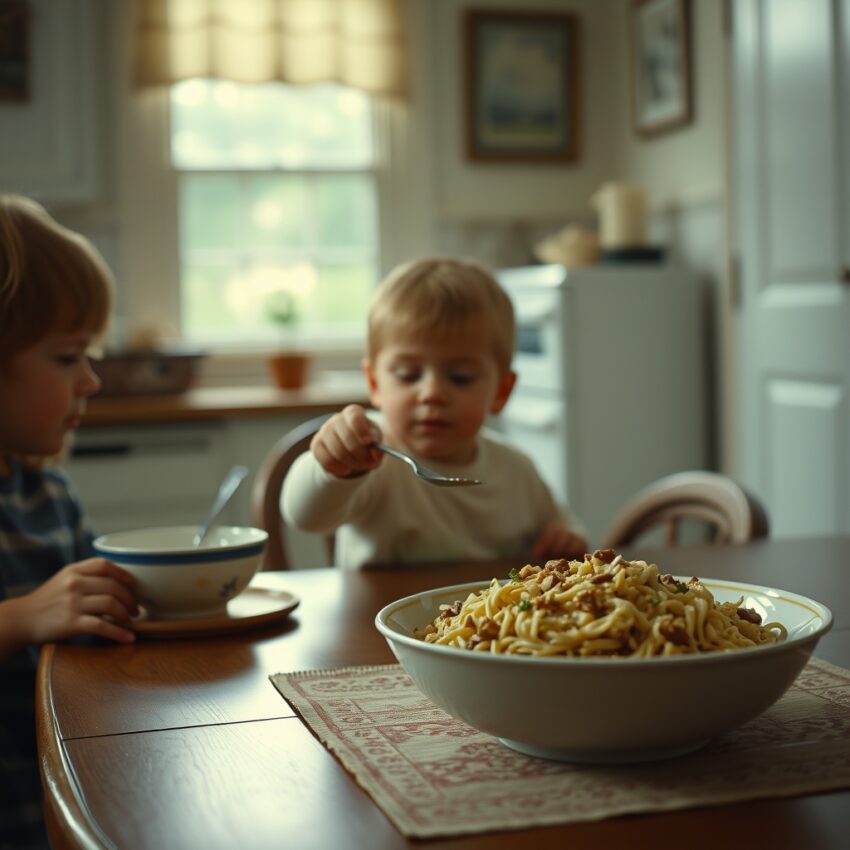
Bazı yemekler yalnız sofraya gelmez; günün en yorgun saatini de yumuşatır. Cevizli erişte pilavı, okul dönüşü eve giren çocuğun üstündeki serinliği, açlığı ve hafif dağınık ruh hâlini bir anda toparlayan tabaklardan biridir. Antreden sınıf kokusu, ıslanmış mont kumaşı ya da güneşte terlemiş yaka ile içeri girilirken mutfaktan gelen tereyağı, kavrulmuş erişte ve ceviz kokusu evi bambaşka gösterirdi. İlk uzanan kaşık çoğu zaman sabırsızdı; çünkü bu yemek yalnız karın doyurmaz, eve dönülmüş olduğunu da hissettirirdi. Mevsim geçişlerinde daha da anlam kazanmasının nedeni biraz da budur: dışarının değişkenliği karşısında içeride kurulan sıcak ve tanıdık düzeni temsil eder.
Damak Hafızası açısından cevizli erişte pilavı, mevsimler arasında köprü kuran ev yemeklerinden biridir. Ne yazın bütünüyle hafifliğine ne de kışın ağır tencerelerine aittir; tam aradaki günlerin yemeğidir. Sonbahara dönen akşamlarda, ilkbaharın serin sabahlarında ya da okulun yeni açıldığı haftalarda mutfakta sıkça görünür. Eriştenin önceden kesilip kurutulmuş olması, cevizin kilerden çıkması ve tereyağının tencerede yavaşça köpürmesi, bu yemeği mevsimsel hazırlığın da parçası yapar. Birçok evde anne ya da babaanne “hava döndü” derken sofraya bu tür tanıdık, toparlayıcı yemekler gelirdi. Böylece tabak sadece lezzet değil; mevsimin eve nasıl tercüme edildiğini de taşırdı.
Okul dönüşü tabağa ilk uzanan kaşığın hafızada kalması, yemeğin paylaşım biçimiyle de ilgilidir. Bu pilav genellikle tek başına yenmez; yanına yoğurt, turşu ya da ince belli bardakta çay eşlik ederdi. Mutfakta biri son tabakları yerleştirirken çocuk çoktan bir çatal ya da kaşık kapıp tencereden tadına bakmak isterdi. “Sofraya otur” uyarısı gelse de o ilk lokma çoğu zaman kaçınılmaz olurdu. Çünkü eriştenin tereyağlı sıcaklığı ile cevizin tok lezzeti, bütün günün açlığını bir anda tanıdık bir güvene çevirirdi. O sırada evde konuşulanlar da yemeğin anlamını büyütürdü: okulda ne oldu, hava neden serinledi, akşam üstüne misafir gelir mi, yarın hangi hırka giyilecek… Yemek, mevsim değişiminin aile içi konuşmalarla birleştiği bir merkez hâline gelirdi.
Bu tabağın geçiş günlerinde daha anlamlı olması biraz da ölçülü sadeliğindendir. Çok gösterişli değildir, ama güçlüdür; tıpkı mevsim dönerken evde aranan denge gibi. Ceviz, eriştenin yumuşaklığına hafif bir diş verir; tereyağı sıcaklık ekler; bazen karabiber ya da sade bir et suyu dipten gelen derinliği tamamlar. Dışarıda rüzgârın yönü değişirken, okul çantalarının içi yeni defterlerle dolarken ya da akşamlar biraz erken inerken bu tür yemekler insana günün yerli yerine oturduğunu söyler. Çocuk için bu, çok düşünmeden hissedilen bir rahatlamadır. Yıllar sonra aynı koku duyulduğunda hatırlanan da çoğu zaman tarif değil; montun askıya asıldığı, ellerin yıkandığı ve sofranın yavaş yavaş toparlandığı o ara saattir.
Bugün cevizli erişte pilavının neden mevsim geçişlerinde daha derin bir anlam taşıdığı sorulduğunda, cevap yalnız tadında değil, zamanlamasında bulunur. Bu yemek değişimin tam ortasında istikrar duygusu verir. Okul dönüşü ilk uzanan kaşık, açlığın ötesinde eve kavuşma işaretidir. O yüzden hafızada parlak kalır. Bir dönemin aile mutfağı, çocukluk temposu ve mevsim bilgisi bu tabakta birleşir. Cevizli erişte pilavı, yalnızca eski bir ev yemeği değil; dışarısı değişirken içerinin nasıl sabit tutulduğunu anlatan sade ama kuvvetli bir mirastır. İlk lokmada geri gelen şey de tam olarak budur: mevsim dönerken bile değişmeyen ev sıcaklığı.
🇬🇧 English | Walnut Noodle Pilaf and the First Spoon Reaching for the Plate After School: Why Does It Gain Even More Meaning During Seasonal Transitions?
Some foods do not merely arrive at the table; they soften the most tired hour of the day. Walnut noodle pilaf is one of those dishes that could gather up the chill, hunger, and slightly scattered mood of a child returning from school all at once. As one entered carrying the smell of the classroom, the dampness of a coat, or the sweat of a sunny afternoon, the fragrance of butter, toasted noodles, and walnuts from the kitchen made the house appear entirely different. The first spoon reaching toward the plate was often impatient, because this dish did more than satisfy hunger. It made one feel that one had truly arrived home. That is one reason it gains deeper meaning during the transitions between seasons: against the changeability outside, it stands for the warm and familiar order established within.
From the perspective of taste memory, walnut noodle pilaf is one of the household foods that builds a bridge between seasons. It belongs neither fully to the lightness of summer nor to the heavy pots of winter; it is the meal of the in-between days. It appears often on evenings turning toward autumn, on cool spring mornings, or during the first weeks after school begins. The fact that the noodles were cut and dried beforehand, that the walnuts came down from the pantry, and that the butter foamed slowly in the pot makes this dish part of seasonal preparation as well. In many homes, when a mother or grandmother said, “the weather has turned,” such familiar and gathering foods appeared on the table. In that way the plate carried not only flavor, but the translation of season into domestic life.
The reason the first spoon reaching toward the plate after school remains so vivid in memory is also tied to the way the dish was shared. This pilaf was rarely eaten alone; yogurt, pickles, or tea in a tulip glass often accompanied it. While someone in the kitchen was still placing the last plates, the child had already picked up a fork or spoon and wanted to taste it straight from the pot. Even if the warning “sit at the table first” came, that first bite was often unavoidable. The buttery warmth of the noodles and the full taste of walnuts turned the day’s hunger into familiar reassurance all at once. The conversations in the house deepened the meaning of the meal as well: what happened at school, why the weather had cooled, whether visitors might come by in the evening, which cardigan would be worn tomorrow. The dish became a center where seasonal change joined family conversation.
Part of the reason this plate feels more meaningful on transition days lies in its measured simplicity. It is not ostentatious, yet it is strong, much like the balance sought inside the home when seasons shift. The walnut gives the softness of the noodles a mild bite, the butter adds warmth, and sometimes black pepper or a light broth completes the depth beneath. While the wind outside changes direction, schoolbags fill with fresh notebooks, and evenings begin a little earlier, such meals tell a person that the day has settled into place. For a child, this is a relief felt without having to name it. Years later, when the same scent is encountered, what returns is often not the recipe itself, but that interval when coats were hung up, hands were washed, and the table slowly came together.
If one asks today why walnut noodle pilaf carries deeper meaning during seasonal transitions, the answer lies not only in taste, but in timing. This meal gives a feeling of steadiness in the middle of change. The first spoon after school signals more than hunger; it signals arrival. That is why it remains bright in memory. A family’s kitchen, the rhythm of childhood, and the knowledge of the seasons meet in this plate. Walnut noodle pilaf is not merely an old home dish, but a plain yet powerful inheritance showing how the inside of the house was kept constant while the outside world shifted. What comes back with the first bite is precisely that unchanged warmth of home.
🇧🇷 Português (Brasil) | Pilaf de Macarrão com Nozes e a Primeira Colher que se Estende ao Prato na Volta da Escola: Por que Ganha Ainda Mais Sentido nas Mudanças de Estação?
Alguns pratos não chegam apenas à mesa; eles suavizam a hora mais cansada do dia. O pilaf de macarrão com nozes é um daqueles que conseguem organizar de uma vez só o frio, a fome e o humor um pouco disperso da criança que volta da escola. Ao entrar em casa trazendo o cheiro da sala de aula, do casaco úmido ou da gola suada pelo sol, o aroma de manteiga, massa dourada e nozes vindo da cozinha fazia a casa parecer outra. A primeira colher que se estendia ao prato quase sempre era impaciente, porque esse prato fazia mais do que matar a fome. Ele fazia sentir que se havia realmente voltado para casa. É por isso que ganha um sentido ainda maior nas mudanças de estação: diante da instabilidade do lado de fora, representa a ordem quente e conhecida construída no lado de dentro.
Do ponto de vista da memória gustativa, o pilaf de macarrão com nozes é uma das comidas da casa que constroem uma ponte entre as estações. Ele não pertence totalmente nem à leveza do verão nem às panelas pesadas do inverno; é a refeição dos dias intermediários. Aparece muito nas noites que caminham para o outono, nas manhãs frescas da primavera ou nas primeiras semanas de aula. O fato de a massa ter sido cortada e seca antes, de as nozes saírem da despensa e de a manteiga espumar devagar na panela faz desse prato também parte da preparação sazonal. Em muitas casas, quando a mãe ou a avó dizia “o tempo virou”, esse tipo de comida conhecida e reconfortante chegava à mesa. Assim, o prato levava não apenas sabor, mas a tradução da estação para a vida doméstica.
O fato de a primeira colher que alcança o prato na volta da escola permanecer tão viva na memória também está ligado à forma como essa comida era compartilhada. Esse pilaf raramente era comido sozinho; iogurte, picles ou chá em copo fino costumavam acompanhá-lo. Enquanto alguém na cozinha ainda colocava os últimos pratos, a criança já pegava um garfo ou colher e queria provar direto da panela. Mesmo que viesse o aviso “senta à mesa primeiro”, aquela primeira garfada quase sempre era inevitável. O calor amanteigado da massa e o sabor encorpado da noz transformavam a fome do dia numa segurança familiar de uma vez só. As conversas da casa também ampliavam o sentido da refeição: o que aconteceu na escola, por que o tempo esfriou, se viriam visitas à tarde, qual casaco seria usado no dia seguinte. O prato se tornava um centro onde a mudança da estação se encontrava com a conversa da família.
Parte do motivo de esse prato parecer mais significativo nos dias de transição está em sua simplicidade medida. Não é vistoso, mas é forte, como o equilíbrio procurado dentro de casa quando as estações mudam. A noz dá uma leve mordida à maciez da massa, a manteiga acrescenta calor, e às vezes pimenta-do-reino ou um caldo leve completam a profundidade. Enquanto o vento lá fora muda de direção, as mochilas se enchem de cadernos novos e as noites chegam um pouco mais cedo, refeições assim dizem à pessoa que o dia voltou ao lugar. Para a criança, é um alívio sentido sem precisar ser nomeado. Anos depois, quando o mesmo cheiro reaparece, o que volta muitas vezes não é a receita em si, mas aquele intervalo em que o casaco era pendurado, as mãos eram lavadas e a mesa ia se organizando devagar.
Se perguntarmos hoje por que o pilaf de macarrão com nozes carrega um sentido mais profundo nas mudanças de estação, a resposta está não só no sabor, mas no momento em que ele surge. Essa comida oferece estabilidade no meio da mudança. A primeira colher depois da escola sinaliza mais do que fome; sinaliza chegada. É por isso que permanece luminosa na lembrança. A cozinha da família, o ritmo da infância e o conhecimento das estações se encontram nesse prato. O pilaf de macarrão com nozes não é apenas uma antiga comida caseira, mas uma herança simples e poderosa que mostra como o lado de dentro da casa era mantido constante enquanto o mundo lá fora mudava. O que retorna na primeira mordida é exatamente esse calor doméstico que não se altera.