🇹🇷 Türkçe | Üzeri Kızaran Hafıza: Fırın Sütlacın Mutfağa Geri Getirdiği Eski Düzen
Bazı tatlar kaşığa gelmeden önce evi doldurur. Fırın sütlaç da onlardan biridir. Pirincin yumuşaklığı, sütün ağır ağır koyulaşması, şekerin dengesi ve sonunda fırında kızaran üst tabakanın kokusu, daha ilk andan itibaren yalnız bir tatlı değil, bir mutfak ritmi kurar. Eski evlerde fırın sütlaç günleri genellikle sıradan bir can çekmesinden doğmazdı; planlı bir hazırlığın, mevsime göre düşünülmüş bir ev içi düzenin ve birlikte yenilecek bir şey yapma isteğinin sonucuydu. Bu yüzden bugün fırın sütlaç denildiğinde hafızaya yalnız bir lezzet değil, tencerenin başında geçen zaman, tabakların dizilişi ve soğumayı bekleme sabrı da gelir.
Unutulan mutfak alışkanlıklarını geri çağırmasının nedeni de tam burada başlar. Fırın sütlaç, aceleyle hazırlanan bir tatlı değildir. Süt taşmadan karıştırılmalı, pirinç tam kararında pişmeli, kıvam gözle ve sabırla izlenmeli, ardından kaselere pay edilip fırında üstü usulca kızartılmalıdır. Bu süreç, eski mutfak kültürünün temel özelliklerini taşır: dikkat, el ayarı, zaman ayırma ve sonucun paylaşılacağını bilerek çalışma. Günümüzde birçok tatlı hazır paketler ya da hızlı tarifler üzerinden düşünülürken, fırın sütlaç bizi daha yavaş bir mutfak anlayışına geri götürür. Mutfakta geçirilen sürenin sadece sonuç için değil, ev atmosferi için de önemli olduğu günleri hatırlatır.
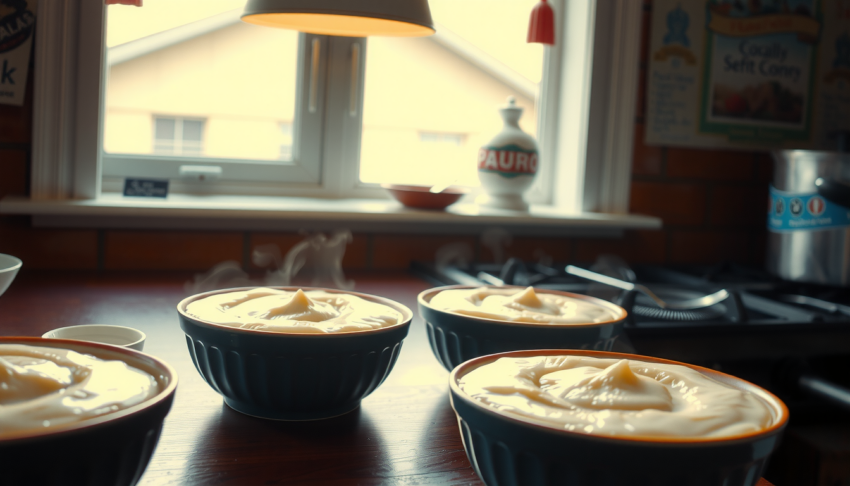
Bu tatlının çağırdığı alışkanlıklar yalnız pişirme tekniğiyle sınırlı değildir. Kaselerin mutfak tezgâhında sıra sıra dizilmesi, biri sıcakken tadına bakmak istemesi, soğuması için pencere önüne alınması, akşam misafirine saklanacak birkaç kabın ayrılması, üzerinin tarçınla mı sade mi bırakılacağına karar verilmesi… Bunlar küçük mutfak hareketleridir ama bir kültürün asıl dokusunu oluştururlar. Fırın sütlaç, aynı anda hem gündelik hem özenli olabilen eski ev mutfağının en iyi örneklerinden biridir. Çünkü gösterişli değildir, ama emek ister; tanıdıktır, ama her seferinde evi yeniden toparlayan bir sıcaklık taşır.
Bugün fırın sütlaç günlerinin nostaljik gelmesi, biraz da kaybolan mutfak zamanını hatırlatmasındandır. Eski mutfak kültürü yalnız tariflerin toplamı değildi; beklemek, paylaşmak, saklamak, ertesi güne bırakmak ve bir yemeği ev düzeninin parçası hâline getirmekti. Fırın sütlaç bu yüzden hafızada güçlü kalır. Üzeri hafifçe yanmış o tabaka, kaşığın kaseden aldığı ilk buhar ve son lokmaya kadar süren tanıdıklık hissi, geçmişin mutfakta nasıl yaşadığını anlatır. Unutulan alışkanlıkları geri çağırması da bundandır: Çünkü bazı tatlar, damağa gelmeden önce bir evin çalışma biçimini, sabrını ve sıcaklığını geri getirir.
🇬🇧 English | Memory Browning on Top: The Old Order Baked Rice Pudding Brings Back to the Kitchen
Some flavors fill a house before they ever reach the spoon. Baked rice pudding is one of them. The softness of the rice, the slow thickening of milk, the balance of sugar, and finally the scent of the browned surface in the oven create not just a dessert, but a kitchen rhythm from the very beginning. In older homes, baked rice pudding days rarely came from a passing craving. They were the result of planned preparation, an order of domestic life shaped by the season, and the desire to make something to be eaten together. That is why, when baked rice pudding is remembered today, what returns is not only a flavor, but also the time spent over the pot, the arrangement of the bowls, and the patience of waiting for them to cool.
Its ability to call back forgotten kitchen habits begins there. Baked rice pudding is not something prepared in haste. The milk must be stirred before it spills, the rice cooked to the proper softness, the texture watched carefully and adjusted with patience, then divided into bowls and browned gently in the oven. This process carries the core qualities of old kitchen culture: attention, instinctive measurement, giving time, and working with the knowledge that the result will be shared. At a time when many desserts are shaped by instant mixes or quick recipes, baked rice pudding brings us back to a slower understanding of cooking. It reminds us of days when time spent in the kitchen mattered not only for the result, but for the atmosphere of the home itself.
The habits it recalls are not limited to technique. Bowls lined up on the counter, someone wanting to taste one while still warm, several placed by the window to cool, a few saved for evening guests, the decision of whether to leave them plain or dust them with cinnamon: these are small gestures, yet they form the true texture of a culinary culture. Baked rice pudding is one of the best examples of the old home kitchen that could be both everyday and attentive at once. It is not showy, but it asks for effort; it is familiar, yet each time it carries a warmth that seems to gather the household together again.
That baked rice pudding days feel nostalgic today is partly because they remind us of lost kitchen time. Old kitchen culture was not only a collection of recipes. It was about waiting, sharing, storing, saving something for the next day, and making food part of the order of the home. That is why baked rice pudding remains powerful in memory. The lightly browned top, the first warm steam rising with the spoon, the sense of familiarity that lasts until the final bite: all of this tells us how the past once lived in the kitchen. Its power to bring forgotten habits back lies here. Some flavors restore not just taste, but the working rhythm, patience, and warmth of a home before they are even eaten.
🇧🇷 Português (Brasil) | A Memória Dourada por Cima: A Antiga Ordem que o Arroz-Doce de Forno Traz de Volta à Cozinha
Alguns sabores enchem a casa antes mesmo de chegarem à colher. O arroz-doce de forno é um deles. A maciez do arroz, o leite engrossando devagar, o equilíbrio do açúcar e, por fim, o cheiro da superfície dourada no forno criam desde o início não apenas uma sobremesa, mas um ritmo de cozinha. Nas casas antigas, os dias de arroz-doce de forno raramente nasciam de uma vontade repentina. Eram resultado de um preparo pensado, de uma organização doméstica ajustada à estação e do desejo de fazer algo para ser comido em conjunto. Por isso, quando se fala nele hoje, não volta só o sabor, mas também o tempo passado diante da panela, a fila das tigelas e a paciência de esperar esfriar.
É exatamente aí que começa seu poder de chamar de volta hábitos esquecidos da cozinha. O arroz-doce de forno não é uma sobremesa feita com pressa. O leite deve ser mexido antes de transbordar, o arroz precisa cozinhar no ponto certo, a consistência tem de ser observada com calma e, só então, a mistura é colocada em tigelas e levada ao forno para dourar suavemente. Esse processo traz consigo qualidades centrais da antiga cultura da cozinha: atenção, medida pelo tato, tempo dedicado e a consciência de que o resultado será compartilhado. Num tempo em que muitas sobremesas são pensadas a partir de misturas prontas ou receitas muito rápidas, o arroz-doce de forno nos leva de volta a uma ideia mais lenta de cozinhar. Ele lembra dias em que o tempo na cozinha importava não apenas pelo resultado, mas também pela atmosfera da casa.
Os hábitos que ele desperta vão além da técnica. As tigelas alinhadas sobre o balcão, alguém querendo provar ainda morno, algumas sendo colocadas perto da janela para esfriar, outras reservadas para a visita da noite, a decisão entre deixar simples ou polvilhar canela por cima… São gestos pequenos, mas formam a textura real de uma cultura culinária. O arroz-doce de forno é um dos melhores exemplos da antiga cozinha caseira que conseguia ser, ao mesmo tempo, cotidiana e cuidadosa. Não é uma sobremesa ostensiva, mas exige trabalho; é familiar, mas toda vez traz um calor que parece reorganizar a casa.
O fato de os dias de arroz-doce de forno parecerem tão nostálgicos hoje se explica também porque eles nos lembram de um tempo de cozinha que se perdeu. A antiga cultura culinária não era apenas um conjunto de receitas. Era esperar, compartilhar, guardar, deixar algo para o dia seguinte e transformar a comida em parte da ordem da casa. É por isso que o arroz-doce de forno permanece tão forte na memória. A superfície levemente tostada, o primeiro vapor subindo com a colher e a sensação de familiaridade até a última colherada mostram como o passado vivia na cozinha. Se ele consegue trazer de volta hábitos esquecidos, é porque certos sabores restauram, antes de tudo, o ritmo de trabalho, a paciência e o calor de um lar.