🇹🇷 Türkçe | Sokakların Sessiz Yazarları: Arzuhalciler ve Mühürlü Kağıtlar
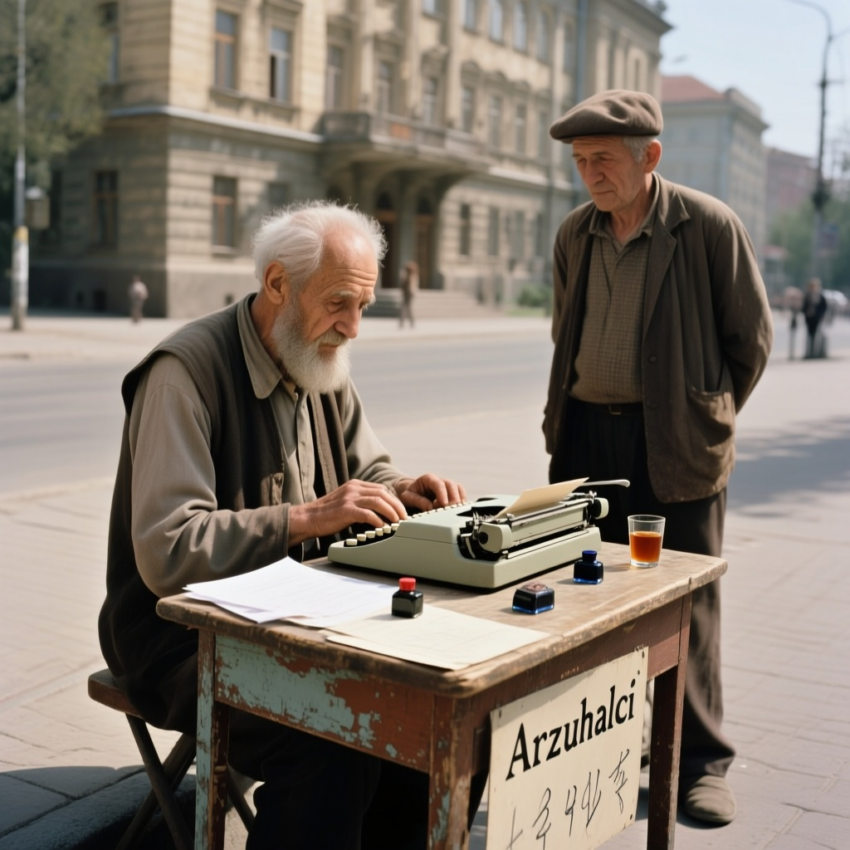
Adliye önlerinde, gölgeli bir duvar dibinde ya da kalabalığın kenarında duran bir masa… Üzerinde daktilo, yanında mühürlü kâğıtlar ve çekmecede saklanan sayısız hikâye. Arzuhalciler, sokakların en sessiz ama en çok şey bilen yazarlarıydı.
İnsanlar onlara yalnızca dilekçe yazdırmaya gelmezdi. Bir miras kavgası, bir boşanma isteği, bir asker mektubu ya da gizlice yazdırılan bir aşk itirafı… Hepsi aynı daktilonun tuşlarında buluşurdu. Arzuhalci, kelimeleri hukukun diline çevirirken aynı zamanda dinler, tartar ve çoğu zaman yol gösterirdi. Bu yüzden onlar yalnızca katip değil; mahallenin sırdaşı, adliyenin eşiğinde duran rehberlerdi.
Daktilonun “tık tık” sesi, bekleyenlerin kalp atışına karışırdı. Her satır sonunda kâğıt biraz daha ağırlaşır, çünkü yüklenen yalnızca mürekkep değil, insanın derdiydi. Mühür vurulduğunda ise yazı resmiyet kazanır, umut ya da endişe bir dosyanın içine girerdi.
Zaman geçti. Bilgisayarlar, hazır dilekçeler ve dijital formlar geldi. Arzuhalcilerin masaları birer birer toplandı, daktilolar sustu. Sokak, bir sesini daha kaybetti. Bugün geriye, mühürlü kâğıtlarda kalan sararmış izler ve hatırlayanların hafızasında yaşayan bir meslek kaldı.
🇬🇧 English | The Silent Writers of the Streets: Petition Writers and Sealed Papers
In front of courthouses, by shaded walls or quiet corners, there used to be a small table with a typewriter. Petition writers—street scribes—turned people’s troubles into words that the law could understand.
They were not merely clerks. People brought them inheritance disputes, divorce requests, official pleas, and sometimes love letters written in secret. As fingers struck the keys, the petition writer listened, advised, and translated emotion into formal language. They became confidants of the neighborhood and informal guides through the legal maze.
The steady clack of the typewriter echoed with anxiety and hope. Each page carried more than ink; it carried a life moment. When the paper was stamped and sealed, a private story entered the public record.
Technology arrived quietly and replaced them efficiently. Templates, printers, and online forms buried this craft in silence. What remains is memory—of a profession that once gave voice to those who had none.
🇧🇷 Português (Brasil) | Os Escritores Silenciosos das Ruas: Redatores Populares e Papéis Selados
Em frente aos fóruns, à sombra de um muro ou no canto de uma praça, havia uma mesa simples com uma máquina de escrever. Ali trabalhavam os redatores populares, os escritores silenciosos das ruas.
As pessoas não levavam apenas pedidos oficiais. Levavam dores, conflitos familiares, súplicas jurídicas e até cartas de amor escritas em segredo. O redator não só digitava: ouvia, aconselhava e transformava sentimentos em linguagem formal. Era confidente do bairro e guia informal no mundo da lei.
O som ritmado das teclas acompanhava a tensão de quem esperava. Cada folha ganhava peso—não pelo papel, mas pela história. Com o carimbo final, a vida privada ganhava forma oficial.
Com o avanço da tecnologia, essa profissão foi sendo empurrada para o silêncio. Modelos prontos e sistemas digitais tomaram seu lugar. Ficou a lembrança de um ofício humano, próximo e profundamente necessário.