🇹🇷 Türkçe | Tarihte Bugün: Eski Gazetelerin Sayfalarında Bir Gün
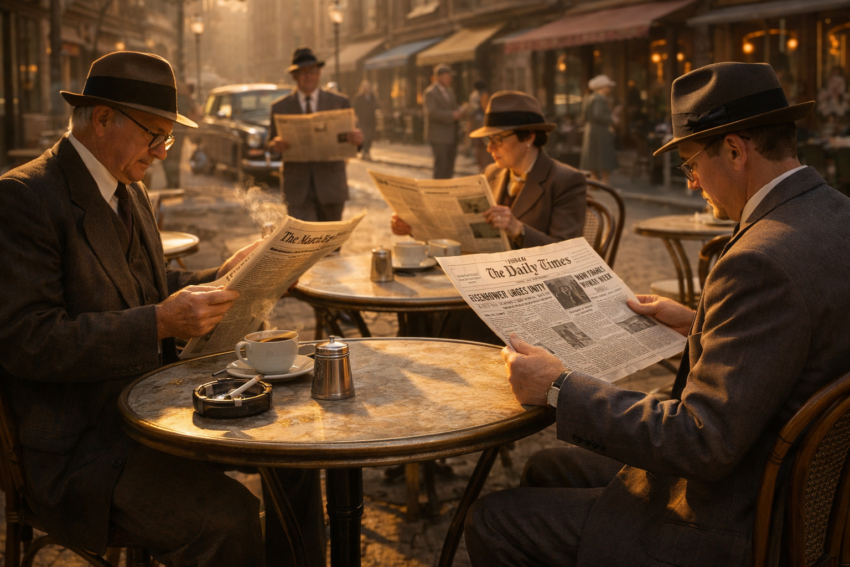
Sabahın erken saatlerinde şehrin sokakları henüz tam uyanmamışken, gazete dağıtıcılarının ayak sesleri kaldırımlarda yankılanırdı. Demir posta kutularına bırakılan gazetelerin hafif sesi, yeni bir günün başladığını haber verirdi. Evlerin kapıları açılır, insanlar ilk iş olarak kapının önünden gazetelerini alırdı. O günün dünyası, birkaç katlanmış sayfanın içinde saklıydı.
Eski gazetelerin sayfalarını çevirdiğinizde, yalnızca büyük siyasi olayları değil, aynı zamanda insanların günlük yaşamını da görürdünüz. Küçük ilanlar, kaybolan eşyalar, yeni açılan dükkânlar, tiyatro gösterileri ve mahalle haberleri… Hepsi bir şehrin kalbinin nasıl attığını anlatırdı.
8 Mart tarihli eski gazetelere baktığımızda, şehir hayatının canlı bir fotoğrafını görmek mümkündür. Gazete sayfalarında bir yanda uluslararası gelişmeler yer alırken, diğer yanda mahalle bakkalının ilanı veya yeni gelen sinema filmlerinin duyurusu bulunurdu. İnsanların gündelik hayatı, bu küçük detayların arasında saklıydı.
Örneğin bir köşede “Bugün sinemalarda” başlığı altında yeni filmlerin afişleri yer alırdı. Sinemaya gitmek o dönem için büyük bir sosyal etkinlikti. Aileler akşamları en iyi kıyafetlerini giyip şehir merkezindeki sinemalara giderdi. Gazeteler, bu etkinliklerin en önemli rehberlerinden biriydi.
Bir başka sayfada ise ev eşyası ilanları bulunurdu. Dikiş makineleri, radyolar, gramofonlar… O dönemin teknolojisi insanların hayatına yeni yeni girmeye başlamıştı. Gazete ilanları, modern yaşamın habercisiydi. İnsanlar bu ilanlara bakarak yeni teknolojileri keşfeder, belki de hayalini kurardı.
Mahalle haberleri de gazetelerin en sıcak köşelerinden biriydi. Bir mahallede açılan yeni fırın, başka bir mahallede düzenlenen yardım etkinliği veya bir okulun mezuniyet töreni… Bu küçük haberler, toplumun gündelik hayatını belgeleyen sessiz tanıklardı.
Gazeteler aynı zamanda şehir kültürünün aynasıydı. Sokakların nasıl yaşadığını, insanların ne konuştuğunu ve hangi konuların gündemde olduğunu gösterirdi. Bir anlamda gazeteler, o günün sosyal hafızasını oluşturuyordu.
Bugün eski gazetelerin sararmış sayfalarına baktığımızda, yalnızca haberleri değil, geçmişin ruhunu da hissederiz. Reklamların dili, fotoğrafların tonu, kullanılan kelimeler… Hepsi başka bir zamanın atmosferini taşır.
Belki de bu yüzden eski gazeteler yalnızca bir bilgi kaynağı değildir. Onlar aynı zamanda bir zaman kapsülüdür. Her sayfa, geçmişte yaşayan insanların günlük hayatından küçük bir kesit sunar.
Ve her 8 Mart’ta, o eski sayfaları yeniden açtığımızda, geçmişten gelen bir ses bize fısıldar: Günlük hayatın en küçük detayları bile tarihin bir parçasıdır.
🇬🇧 English | Today in History: A Day Inside Old Newspapers
In the early hours of the morning, before the city fully awakened, the footsteps of newspaper vendors echoed along the sidewalks. Newspapers slipped into metal mailboxes with a soft sound that quietly announced the beginning of a new day. Doors opened, and people stepped outside to pick up the folded pages waiting for them. Inside those pages lived the entire world of that day.
When you turn the pages of old newspapers, you discover far more than major political events. You also encounter the rhythms of everyday life. Small advertisements, lost items, newly opened shops, theater performances, and neighborhood announcements filled the columns. Together they painted a vivid portrait of how a city breathed and moved.
Looking at newspapers dated March 8 from past decades, one can see a lively snapshot of urban life. On one page, international developments were discussed, while on another there might be an advertisement from the neighborhood grocery store or announcements for the latest films in town. Daily life unfolded quietly between those lines.
Cinema advertisements were especially prominent. Under headlines such as “Now Showing Today,” newspapers displayed posters and short descriptions of the newest films. Going to the cinema was a major social event in those years. Families would dress in their best clothes and head to theaters in the city center. Newspapers served as the primary guide for these cultural outings.
Elsewhere in the paper, readers would find advertisements for household items. Sewing machines, radios, and gramophones were among the exciting technologies entering homes at the time. These advertisements represented the promise of modern life. Many people would read them with curiosity, sometimes imagining the future they hinted at.
Neighborhood news also occupied warm corners of the pages. A newly opened bakery, a charity event organized by residents, or a school graduation ceremony might appear in small columns. These seemingly modest stories documented the everyday experiences of communities.
In many ways, newspapers functioned as mirrors of urban culture. They revealed what people talked about, where they gathered, and which topics shaped the public conversation. Newspapers quietly created a collective memory of daily life.
Today, when we look at the yellowed pages of those old newspapers, we sense more than information. We feel the spirit of another era. The style of advertisements, the tone of photographs, and even the language used reflect the atmosphere of the past.
For this reason, old newspapers are more than historical records. They are time capsules. Each page offers a glimpse into the ordinary moments that once shaped people’s lives.
And every March 8, when those pages are opened again, they remind us of a simple truth: even the smallest details of daily life eventually become part of history.
🇧🇷 Português (Brasil) | Hoje na História: Um Dia Dentro dos Jornais Antigos
Nas primeiras horas da manhã, quando a cidade ainda despertava lentamente, os passos dos entregadores de jornais ecoavam pelas calçadas. Os jornais eram colocados nas caixas de correio de metal com um som suave que anunciava silenciosamente o início de um novo dia. As portas se abriam e as pessoas pegavam as páginas dobradas que aguardavam do lado de fora. Dentro delas estava o mundo inteiro daquele dia.
Ao folhear jornais antigos, percebemos que eles não traziam apenas grandes acontecimentos políticos. Eles também revelavam os ritmos da vida cotidiana. Pequenos anúncios, objetos perdidos, lojas recém-abertas, apresentações teatrais e notícias de bairro preenchiam as colunas. Juntos, esses elementos formavam um retrato vívido de como uma cidade vivia.
Ao observar jornais datados de 8 de março em décadas passadas, é possível ver um panorama vibrante da vida urbana. Em uma página estavam os acontecimentos internacionais, enquanto em outra apareciam anúncios da mercearia do bairro ou a programação dos cinemas da cidade. A vida cotidiana se desenrolava discretamente entre essas linhas.
Os anúncios de cinema eram especialmente populares. Sob títulos como “Hoje nos cinemas”, os jornais apresentavam cartazes e descrições curtas dos filmes mais recentes. Ir ao cinema era um grande evento social naquela época. Famílias se vestiam com suas melhores roupas e iam aos cinemas do centro da cidade. Os jornais funcionavam como o principal guia cultural dessas saídas.
Em outras páginas apareciam anúncios de produtos domésticos. Máquinas de costura, rádios e gramofones eram tecnologias que começavam a entrar nas casas. Esses anúncios representavam a promessa da vida moderna. Muitas pessoas os liam com curiosidade, imaginando o futuro que essas novidades poderiam trazer.
As notícias de bairro também ocupavam espaços acolhedores nas páginas. A inauguração de uma nova padaria, um evento beneficente organizado pelos moradores ou a formatura de uma escola apareciam em pequenas notas. Essas histórias aparentemente simples registravam a experiência diária das comunidades.
De certa forma, os jornais funcionavam como espelhos da cultura urbana. Eles mostravam o que as pessoas discutiam, onde se encontravam e quais temas dominavam as conversas públicas. Assim, os jornais criavam uma memória coletiva da vida cotidiana.
Hoje, ao observar as páginas amareladas desses jornais antigos, sentimos mais do que informações. Sentimos o espírito de outra época. O estilo dos anúncios, o tom das fotografias e até a linguagem utilizada refletem a atmosfera do passado.
Por isso, os jornais antigos são mais do que registros históricos. Eles são cápsulas do tempo. Cada página oferece um pequeno vislumbre dos momentos comuns que moldaram a vida das pessoas.
E a cada 8 de março, quando essas páginas são abertas novamente, elas nos lembram de uma verdade simples: até os menores detalhes da vida cotidiana acabam se tornando parte da história.