🇹🇷 Türkçe | Zamanın Tik Tak Şiiri: Köstekli Saatler
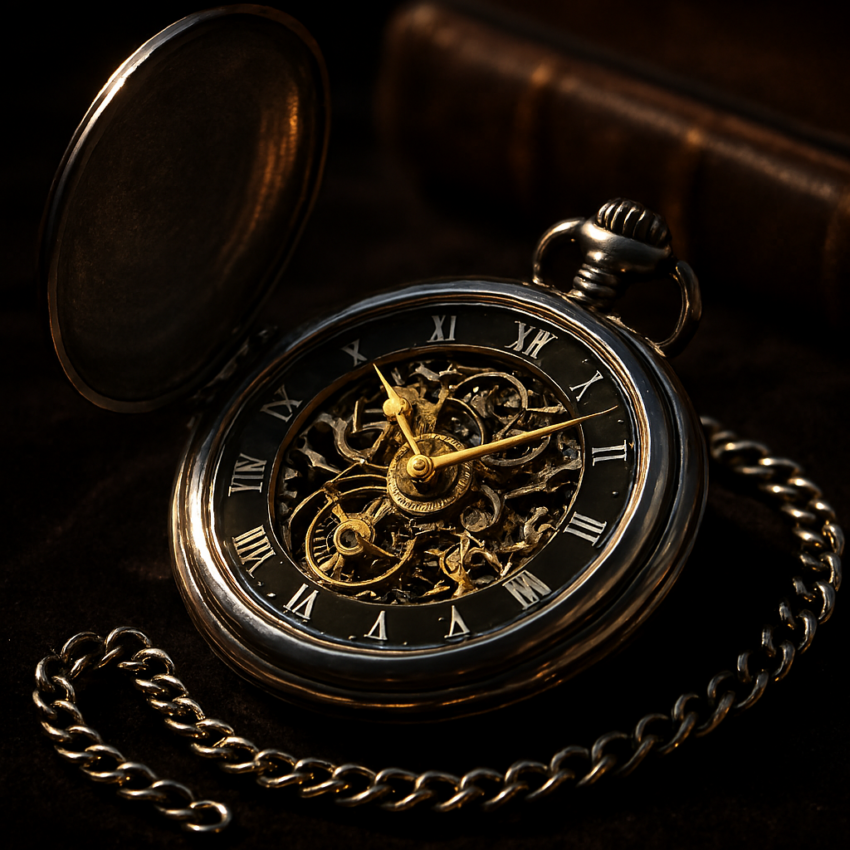
Bir yelek cebinden yavaşça çekilen gümüş bir zincir… Zincirin ucunda ağır metal bir saat ve kapağı açıldığında duyulan o net “klik” sesi. Bu küçük an, geçmişin zarif bir ritüelini hatırlatır. Köstekli saatler yalnızca zamanı göstermek için yapılmış araçlar değildir; onlar aynı zamanda bir dönemin vakarını, estetik anlayışını ve teknik ustalığını temsil eden küçük mekanik şaheserlerdir. Bir zamanlar bir beyefendinin cebinde taşıdığı bu saat, günlük yaşamın ritmini belirleyen sessiz bir yoldaş gibiydi.
- yüzyılın sonu ile 20. yüzyılın başlarında köstekli saatler, hem Avrupa’da hem de Osmanlı coğrafyasında prestijli bir aksesuar olarak görülürdü. Özellikle İsviçre saat ustalarının ürettiği mekanik saatler büyük bir saygı görürdü. Bu dönemin önemli markalarından biri olan Omega, köstekli saat üretiminde yüksek hassasiyeti ve zarif tasarımlarıyla öne çıkmıştı. Benzer şekilde Patek Philippe gibi ustalık gerektiren saat markaları, el işçiliğiyle hazırlanmış kadranları ve ince mekanizmalarıyla saat koleksiyonculuğunun en saygın örneklerini ortaya koymuştur.
Köstekli saatlerin kalbinde mekanik bir dünya gizlidir. Saatin tepesinde yer alan küçük kurma kolu çevrildiğinde içerdeki zemberek sıkıştırılır ve bu enerji yavaş yavaş dişli çarklara aktarılır. Birbirine kusursuz şekilde bağlanmış onlarca küçük dişli, saniyelerin düzenli akışını sağlar. Saat ustalarının “kaçış mekanizması” olarak adlandırdığı bu sistem, enerjiyi kontrollü biçimde serbest bırakarak o tanıdık “tik tak” ritmini oluşturur. Bu ses yalnızca zamanın ilerlediğini değil, mekanizmanın canlı bir organizma gibi çalıştığını da hissettirir.
Köstekli saatlerin estetik dünyası da en az mekanik yapısı kadar etkileyicidir. Birçok modelde porselen kadran kullanılmıştır. Bu beyaz yüzey üzerinde yer alan Roma rakamları, ince mavi veya altın tonlu akrep ve yelkovanlarla birleştiğinde zarif bir görsel denge oluşturur. Saatin kapağı çoğu zaman gravürlerle süslenirdi. Av sahneleri, çiçek motifleri, aile armaları veya demiryolu sembolleri bu kapakların üzerinde ince işçilikle işlenirdi. Her gravür, saatin sahibine özgü bir hikâyeyi anlatırdı.
Saatin ayrılmaz parçası olan köstek zinciri ise sadece güvenlik amacı taşımazdı; aynı zamanda bir stil göstergesiydi. Zincir genellikle yeleğin düğmesine veya özel bir halkaya takılır, saatin gövdesi ise cebin içinde korunurdu. Zincirin ucunda bazen küçük mühürler, minyatür madalyonlar veya aile sembolleri bulunurdu. Böylece köstekli saat yalnızca bir zaman ölçer değil, kişisel kimliğin de bir parçası hâline gelirdi.
Demiryolu çağında köstekli saatler daha da önemli bir rol üstlendi. Trenlerin zamanında hareket etmesi için saniyelerin bile büyük önem taşıdığı bu dönemde, makinistler ve istasyon görevlileri yüksek hassasiyetli saatler kullanmak zorundaydı. Bu yüzden “railroad grade” olarak bilinen özel standartlar geliştirilmişti. Bu saatler yalnızca estetik değil, aynı zamanda güvenilirlik sembolüydü.
Bugün akıllı telefonlar ve dijital ekranlar zamanı anında gösteriyor olabilir. Ancak köstekli saatlerin sunduğu deneyim bambaşkadır. Bir köstekli saati kulağınıza yaklaştırdığınızda duyduğunuz o düzenli tik tak sesi, mekanik bir kalbin atışı gibidir. Bu ses, geçmişten bugüne uzanan bir zaman köprüsünü hatırlatır. Çünkü köstekli saatler sadece zamanı ölçmez; zamanı hissettirir.
🇬🇧 English | The Ticking Poetry of Time: Pocket Watches
A silver chain slowly drawn from the pocket of a waistcoat… At the end of that chain hangs a heavy metal watch, and when its lid opens with a crisp “click,” a small but meaningful ritual unfolds. Pocket watches were never merely instruments for telling time. They were elegant mechanical companions that reflected the dignity, craftsmanship, and aesthetic sensibilities of an entire era.
During the late nineteenth and early twentieth centuries, pocket watches were symbols of refinement across Europe and the Ottoman world alike. Swiss watchmakers in particular earned global respect for their precision engineering. Brands such as Omega became renowned for producing highly accurate and beautifully designed pocket watches. Likewise, the craftsmanship of Patek Philippe represented the pinnacle of mechanical watchmaking, where artistry and engineering were inseparable.
Inside every pocket watch lies a miniature mechanical universe. At the crown of the watch sits the winding mechanism. When turned gently by hand, it tightens the mainspring within the case. This stored energy gradually releases into a network of tiny gears, each turning in perfect harmony with the others. The escapement mechanism carefully regulates the flow of this energy, producing the familiar ticking rhythm that defines mechanical timekeeping. The steady “tick-tock” does more than measure seconds—it gives the impression that the watch itself is alive.
The aesthetic dimension of pocket watches is equally captivating. Many models feature porcelain dials whose bright white surfaces create a perfect canvas for Roman numerals. Delicate hour and minute hands, often finished in blue steel or gold tones, move gracefully across the dial. The protective lid of the watch frequently carries engraved artwork: hunting scenes, floral patterns, family crests, or railway emblems. These engravings transform the watch into a deeply personal object, reflecting the story of its owner.
The chain, known as the “fob,” is another distinctive element of pocket watch design. More than a safety measure, it was also an important accessory of style. The chain would attach to a waistcoat buttonhole while the watch itself rested safely inside the pocket. At the end of the chain, small decorative seals, medallions, or symbolic charms often appeared, adding another layer of individuality to the object.
During the age of railroads, pocket watches gained even greater importance. Railway conductors and engineers relied on highly accurate watches to maintain precise schedules. Special “railroad-grade” standards ensured reliability and accuracy under demanding conditions. In this context, pocket watches were not just elegant accessories but critical tools for safe transportation.
Today, digital displays and smartphones deliver time instantly and effortlessly. Yet the experience of holding a pocket watch is something entirely different. When brought close to the ear, the gentle ticking echoes like the heartbeat of a tiny machine. That sound carries a quiet reassurance, a reminder of a world where craftsmanship and patience shaped everyday objects. Pocket watches do not simply show time—they allow us to hear it.
🇧🇷 Português (Brasil) | A Poesia do Tique-Taque: Relógios de Bolso
Uma corrente prateada sendo puxada lentamente do bolso de um colete… Na ponta dessa corrente balança um relógio de metal, cuja tampa se abre com um nítido “clique”. Esse pequeno gesto revela um ritual elegante do passado. Os relógios de bolso nunca foram apenas instrumentos para medir o tempo; eles eram companheiros mecânicos que refletiam a dignidade, o refinamento e a habilidade artesanal de uma época inteira.
No final do século XIX e início do século XX, esses relógios eram considerados símbolos de prestígio tanto na Europa quanto no mundo otomano. Os relojoeiros suíços ganharam fama mundial por sua precisão técnica. Marcas como Omega tornaram-se conhecidas por produzir relógios de bolso de alta qualidade e grande precisão. Da mesma forma, o trabalho refinado da Patek Philippe representava o auge da relojoaria mecânica, unindo engenharia e arte em cada peça.
Dentro de cada relógio de bolso existe um pequeno universo mecânico. No topo da peça está a coroa de corda. Quando girada com cuidado, ela comprime a mola principal no interior do mecanismo. Essa energia acumulada é liberada gradualmente para uma rede de pequenas engrenagens que giram em perfeita harmonia. O mecanismo de escape regula essa energia com precisão, criando o famoso ritmo do “tique-taque”. Esse som constante não apenas marca os segundos — ele transmite a sensação de que o relógio possui uma vida própria.
A dimensão estética desses relógios também é fascinante. Muitos modelos possuem mostradores de porcelana, cuja superfície branca destaca os numerais romanos. Ponteiros delicados, frequentemente em aço azulado ou tons dourados, deslizam com elegância pelo mostrador. A tampa protetora muitas vezes apresenta gravuras detalhadas: cenas de caça, motivos florais, brasões familiares ou símbolos ferroviários. Cada gravação transforma o relógio em um objeto profundamente pessoal.
A corrente, chamada de “fob”, é outro elemento característico. Mais do que um dispositivo de segurança, ela era um acessório de estilo. A corrente era presa ao botão do colete, enquanto o relógio permanecia protegido dentro do bolso. Na extremidade da corrente, pequenas medalhas, selos ou pingentes decorativos frequentemente acrescentavam personalidade à peça.
Durante a era das ferrovias, os relógios de bolso ganharam importância ainda maior. Maquinistas e funcionários ferroviários dependiam de relógios extremamente precisos para manter horários rigorosos. Surgiram então padrões conhecidos como “railroad grade”, garantindo confiabilidade e exatidão. Assim, esses relógios tornaram-se não apenas acessórios elegantes, mas instrumentos essenciais para a segurança do transporte.
Hoje, smartphones e telas digitais mostram a hora de forma instantânea. No entanto, segurar um relógio de bolso oferece uma experiência completamente diferente. Ao aproximá-lo do ouvido, o suave tique-taque soa como o batimento de um pequeno coração mecânico. Esse som traz uma sensação de calma e continuidade. Os relógios de bolso não apenas mostram o tempo — eles nos permitem ouvi-lo.