🇹🇷 Türkçe | Sokak Satıcılarının Melodisi: Unutulmayan Mahalle Sesleri
Güneş henüz tam doğmamışken, mahallenin üzerine serili o sabah sessizliği bir sesle bölünürdü. Bu ses, sıradan bir çağrı değil; yıllar boyunca ezbere bilinen, tonu ve ritmiyle kime ait olduğu hemen anlaşılan bir nidâydı. Her sokak satıcısının kendine özgü bir makamı vardı; kimisi uzun ve tok bir sesle çağırır, kimisi kelimeleri adeta şarkı gibi uzatırdı. Bu sesler, sadece bir ürünün değil, yeni bir günün başladığını haber verirdi.
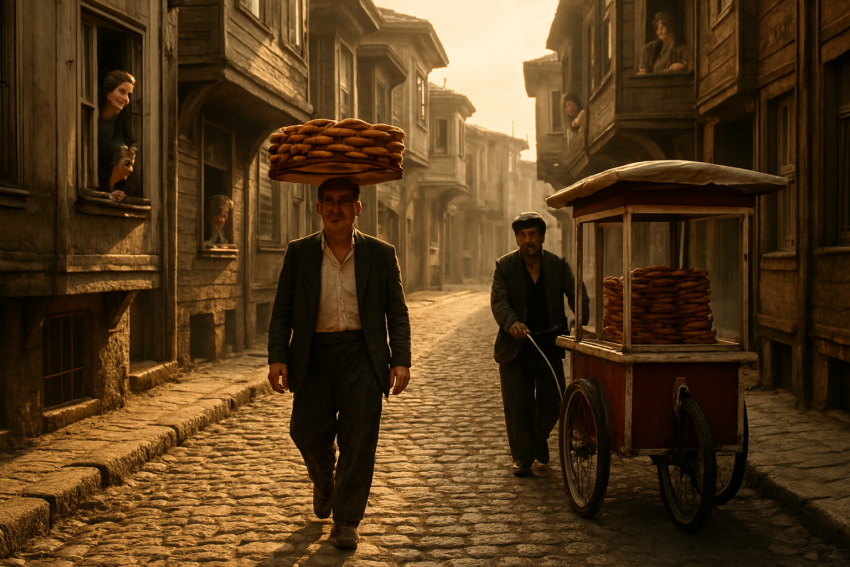
Yoğurtçuların omuzlarına astıkları askılardan çıkan metal tınılar, simitçilerin başlarında taşıdıkları tablalara vuran hafif çıtırtılar ve eskicilerin o yanık, hüzünlü sesleri mahallenin ses haritasını oluştururdu. Bu çağrılar ticaretten çok daha fazlasıydı; mahallenin yaşayan birer çalar saati gibiydiler. İnsanlar saate bakmadan, “Eskiciiiii!” sesiyle öğleden sonranın geldiğini, simitçinin sesiyle sabahın ilerlediğini anlardı.
Mevsimler değiştikçe bu melodiler de değişirdi. Yaz aylarında camcıların keskin ve dikkatli çağrıları yankılanır, kış gecelerinde bozacıların tok ve davetkâr sesi sokakları doldururdu. Dondurmacının sesi duyulduğunda çocuklar oyunlarını yarıda bırakır, nefes nefese pencereye koşardı. O ses, sadece bir dondurma değil, kısa bir mutluluk vaadiydi.
Bu sokak sesleri, mahalle kültürünün görünmez ama en güçlü bağlarından biriydi. Satıcılar yüzleri tanınmasa bile sesleriyle bilinir, o sesler güven ve aşinalık hissi yaratırdı. Camdan sarkıtılan bir sepet, aşağı uzatılan bir ip ve yukarı çekilen alışveriş; hepsi bu seslerin etrafında şekillenen küçük ritüellerdi.
Bugün market uygulamaları ve kurye bildirimleri hayatımızı kolaylaştırsa da, o canlı anonsların taşıdığı insan sıcaklığını dolduramıyor. Çünkü sokak satıcılarının melodisi, yalnızca bir alışveriş çağrısı değil; paylaşımın, ritmin ve mahalle olmanın sesiydi. Kaybolan bu sesler, aslında birlikte yaşamanın en samimi notalarıydı.
🇬🇧 English | The Melody of the Streets: Forgotten Neighborhood Sounds
Before the sun fully rose, the quiet of the neighborhood would be broken by a familiar call. This was not an ordinary shout, but a cry known by heart for years, instantly recognizable by its tone and rhythm. Every street vendor had a unique “melody”; some called out with long, deep voices, while others stretched words as if singing. These sounds announced not just a product, but the beginning of a new day.
The metallic clinks from yogurt sellers’ shoulder yokes, the soft crackling of simit trays balanced on heads, and the melancholic calls of scrap dealers formed the neighborhood’s soundscape. These calls were far more than commerce; they acted as living alarm clocks for the community. Without checking the time, people knew the hour by the sound of “Scrap dealeeer!” or the simit seller passing by.
As seasons changed, so did these melodies. In summer, the sharp and careful calls of glass repairmen echoed through the streets, while on winter nights, the warm and inviting voice of the boza seller filled the air. When the ice cream vendor’s call was heard, children would abandon their games and rush to the windows. That sound promised not just ice cream, but a brief moment of joy.
These street sounds were invisible yet powerful threads of neighborhood culture. Even if vendors were not recognized by face, they were known by voice, creating a sense of trust and familiarity. Baskets lowered from windows, ropes pulled back up, and quick exchanges all revolved around these calls, forming small daily rituals.
Today, grocery apps and courier notifications may offer convenience, but they fail to replace the human warmth carried by these live announcements. The melody of street vendors was never just about selling; it was the sound of sharing, rhythm, and belonging. The loss of these sounds marks the fading of one of the most intimate expressions of community life.
🇧🇷 Português (Brasil) | A Melodia das Ruas: Sons Esquecidos do Bairro
Antes mesmo do sol nascer completamente, o silêncio da vizinhança era rompido por um chamado familiar. Não era um grito comum, mas uma voz conhecida de cor, reconhecida imediatamente pelo tom e pelo ritmo. Cada vendedor ambulante tinha sua própria “melodia”; alguns chamavam com vozes longas e graves, outros esticavam as palavras como se estivessem cantando. Esses sons anunciavam não apenas um produto, mas o início de um novo dia.
Os tilintares metálicos dos vendedores de iogurte com suas cangas nos ombros, o leve estalo das bandejas de simit equilibradas na cabeça e os chamados melancólicos dos catadores formavam a paisagem sonora do bairro. Esses sons eram muito mais do que comércio; funcionavam como despertadores vivos da comunidade. Sem olhar o relógio, as pessoas sabiam a hora pelo som do vendedor passando.
Com a mudança das estações, as melodias também mudavam. No verão, ecoavam os chamados atentos dos vidraceiros, enquanto nas noites de inverno a voz encorpada e acolhedora do vendedor de boza tomava as ruas. Ao ouvir o vendedor de sorvetes, as crianças interrompiam as brincadeiras e corriam para a janela. Aquele som prometia não apenas um sorvete, mas um instante de felicidade.
Esses sons de rua eram fios invisíveis, porém fortes, da cultura do bairro. Mesmo sem reconhecer os vendedores pelo rosto, todos os conheciam pela voz, criando uma sensação de confiança e proximidade. Cestos descendo pelas janelas, cordas sendo puxadas de volta e trocas rápidas aconteciam em torno desses chamados, formando pequenos rituais cotidianos.
Hoje, aplicativos de mercado e notificações de entrega oferecem praticidade, mas não conseguem substituir o calor humano dessas chamadas ao vivo. A melodia dos vendedores ambulantes nunca foi apenas sobre vender; era o som da convivência, do ritmo e do pertencimento. O desaparecimento desses sons representa a perda de uma das expressões mais sinceras da vida em comunidade.