🇹🇷 Türkçe | okul dönüşü tabağa ilk uzanan kaşık ile hatırlanan demlikten yayılan tavşan kanı çay: ev mutfağının karakterini nasıl anlatıyor
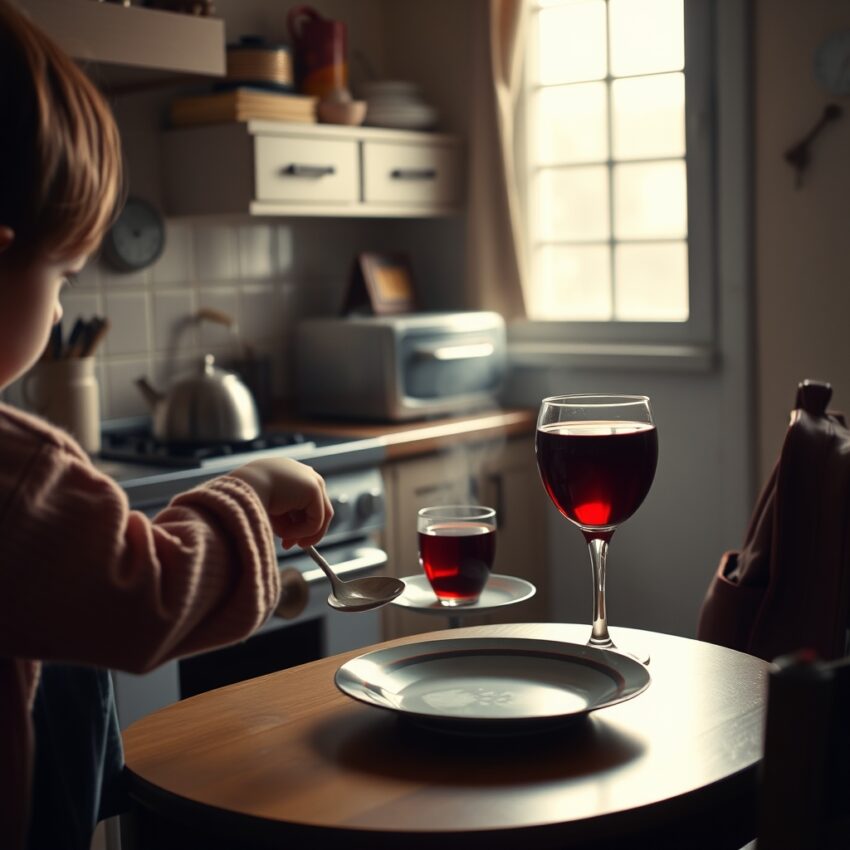
Okul dönüşü kapıdan içeri giren çocuk için evin mutfağı çoğu zaman kokuyla açılırdı. Çantanın bir köşeye bırakılması, ayakkabıların yarım yamalak çıkarılması ve tabağa ilk uzanan kaşık, günün asıl rahatlama anını başlatırdı. Ocakta demlikten yükselen tavşan kanı çay, mutfağa hem renk hem de karakter verirdi. İnce belli bardağın içindeki koyu kırmızı parlaklık, yalnız bir içecek değil, evin düzeninin sürdüğünü gösteren işaretti. Çay demlenmişse, sofra kurulacak, bir tabak sıcak yemek bulunacak ve okulun yorgunluğu yavaşça çözülecekti.
Damak Hafızası açısından tavşan kanı çay, ev mutfağının en tanıdık ses ve kokularından biridir. Çayın iyi demlenmesi, suyun kaynama zamanı, demliğin altlı üstlü duruşu ve bardağa dökülürken rengin ayarlanması, mutfak bilgisinin küçük ama önemli ayrıntılarıydı. Her evin çayı biraz farklı olurdu; kimi daha koyu, kimi daha açık, kimi daha buruk, kimi daha yumuşak. Bu farklar ailenin damak terbiyesini ve mutfak alışkanlığını anlatırdı. Çay, okul dönüşü yenen çorbanın, pilavın ya da makarnanın yanında sofrayı tamamlayan sıcak bir ritim kurardı.
Tabağa ilk uzanan kaşıkla çayın birlikte hatırlanması tesadüf değildir. Çocuk, gün boyu okul sırasında tuttuğu bedenini mutfakta gevşetir; ilk lokma, evde olmanın güvenini hissettirirdi. Demlikten yayılan koku ise bu güveni derinleştirirdi. Anneler ya da büyükanneler bir yandan tabağa yemek koyar, bir yandan çayın altını kısar, çocukların anlatacaklarını dinlerdi. Kimin öğretmeni ne demiş, kim defterini unutmuş, teneffüste ne olmuş; bütün bu küçük haberler mutfak masasının etrafında çay buharına karışırdı. Çoğu zaman masanın kenarında bir dilim ekmek, yarım kalmış ödev ve okul önlüğünün kolunda günün izi dururdu. Ev mutfağı, yalnız yemek yapılan yer değil, günün çözüldüğü yerdi.
Tavşan kanı çayın ev mutfağının karakterini anlatması, onun sabır ve ölçü istemesinden gelir. Aceleyle yapılan çay rengini tutturmaz, fazla bekleyen çay buruklaşır, suyu az ya da çok olursa bardaktaki denge bozulurdu. Bu küçük dikkatler, eski mutfakların genel ahlakını yansıtırdı: Yemek de çay da rastgele değil, göz kararıyla ama özenle yapılırdı. Okul dönüşü sofraya konan basit bir tabak bile bu özenle anlam kazanırdı. Çay, mutfağın çalışkanlığını, misafirperverliğini ve ev halkını toparlama becerisini tek bardakta gösterirdi.
Bugün okul dönüşü mutfaklarını hatırlarken içimizi ısıtan şey, yalnız çayın tadı değildir. Tabağa uzanan ilk kaşık, demlikten yükselen buhar, bardağın koyu kırmızı rengi ve mutfakta sorulan “günün nasıl geçti?” cümlesi birlikte bir ev karakteri oluşturur. Tavşan kanı çay, bu karakterin en sade simgelerinden biridir. Çünkü ev mutfağı, en çok da gündelik tekrarlarla kendini anlatır: Çayı demlemek, tabağı doldurmak, çocuğun anlatmasını beklemek ve yorgunluğu sıcak bir sofrada eritmek. Damak hafızasında kalan asıl lezzet biraz da bu güvendir.
🇬🇧 English | Rabbit-Blood Tea Spreading from the Teapot, Remembered with the First Spoon Reaching for the Plate After School: How Does It Describe the Character of the Home Kitchen?
For a child entering the house after school, the home kitchen often opened through scent. Dropping the schoolbag in a corner, removing shoes halfway, and reaching the first spoon toward the plate began the real moment of relief in the day. The rabbit-blood tea rising from the teapot on the stove gave the kitchen both color and character. The dark red shine inside the tulip-shaped glass was not merely a drink, but a sign that the order of the home continued. If tea had been brewed, the table would be set, there would be a warm plate of food, and the tiredness of school would slowly loosen.
From the perspective of taste memory, rabbit-blood tea is one of the most familiar sounds and scents of the home kitchen. Brewing tea well, timing the boiling water, the stacked position of teapot and kettle, and adjusting the color while pouring into the glass were small but important details of kitchen knowledge. Each household’s tea was a little different: some darker, some lighter, some more astringent, some softer. These differences described the palate and kitchen habits of the family. Beside the soup, rice, or pasta eaten after school, tea established a warm rhythm that completed the table.
It is no accident that the first spoon reaching toward the plate and tea are remembered together. A child relaxes in the kitchen after holding the body in school discipline all day; the first bite gives the security of being at home. The scent spreading from the teapot deepens that security. Mothers or grandmothers would place food on the plate, lower the heat under the tea, and listen to what the children had to tell. What the teacher said, who forgot a notebook, what happened at recess: all these small pieces of news mixed with tea steam around the kitchen table. Often a slice of bread, unfinished homework, and the trace of the day on a school uniform sleeve waited at the edge of the table. The home kitchen was not merely where food was cooked, but where the day was loosened and understood.
Rabbit-blood tea describes the character of the home kitchen because it requires patience and measure. Tea made in haste fails to find its color, tea left too long grows bitter, and if the water is too little or too much the balance in the glass is lost. These small attentions reflected the wider ethic of old kitchens: food and tea were not made carelessly, but by judgment and care. Even a simple plate served after school gained meaning through this attention. In a single glass, tea showed the kitchen’s diligence, hospitality, and ability to gather the household together.
When we remember after-school kitchens today, what warms us is not only the taste of tea. The first spoon reaching the plate, steam rising from the teapot, the dark red color of the glass, and the question “How was your day?” asked in the kitchen together form a character of home. Rabbit-blood tea is one of the simplest symbols of that character. The home kitchen expresses itself most strongly through daily repetitions: brewing tea, filling the plate, waiting for the child to speak, and melting tiredness at a warm table. The true flavor left in taste memory is partly this sense of safety.
🇧🇷 Português (Brasil) | O Chá Cor de Sangue de Coelho que se Espalha do Bule, Lembrado com a Primeira Colher que Vai ao Prato Depois da Escola: Como Descreve o Caráter da Cozinha de Casa?
Para a criança que entrava em casa depois da escola, a cozinha muitas vezes se abria pelo cheiro. Deixar a mochila num canto, tirar os sapatos pela metade e levar a primeira colher ao prato iniciavam o verdadeiro momento de alívio do dia. O chá cor de sangue de coelho que subia do bule no fogão dava à cozinha tanto cor quanto caráter. O brilho vermelho escuro dentro do copo fino não era apenas uma bebida, mas um sinal de que a ordem da casa continuava. Se o chá estava pronto, a mesa seria posta, haveria um prato quente e o cansaço da escola se dissolveria devagar.
Do ponto de vista da memória gustativa, o chá cor de sangue de coelho é um dos sons e cheiros mais conhecidos da cozinha de casa. Preparar bem o chá, acertar a hora da água, manter bule e chaleira um sobre o outro e ajustar a cor ao servir no copo eram detalhes pequenos, mas importantes, do saber da cozinha. O chá de cada casa era um pouco diferente: alguns mais escuros, outros mais claros, alguns mais fortes, outros mais suaves. Essas diferenças contavam a educação do paladar e os hábitos da família. Ao lado da sopa, do arroz ou do macarrão comido depois da escola, o chá criava um ritmo quente que completava a mesa.
Não é por acaso que a primeira colher indo ao prato e o chá são lembrados juntos. A criança relaxa na cozinha depois de manter o corpo preso à disciplina da escola durante o dia inteiro; a primeira colherada dá a segurança de estar em casa. O cheiro que sai do bule aprofunda essa segurança. Mães ou avós colocavam comida no prato, abaixavam o fogo do chá e ouviam o que as crianças tinham para contar. O que a professora disse, quem esqueceu o caderno, o que aconteceu no recreio: todas essas pequenas notícias se misturavam ao vapor do chá em volta da mesa da cozinha. Muitas vezes, uma fatia de pão, a lição inacabada e a marca do dia na manga do uniforme ficavam na beira da mesa. A cozinha de casa não era apenas o lugar onde se cozinhava, mas onde o dia se desfazia e era entendido.
O chá cor de sangue de coelho descreve o caráter da cozinha doméstica porque exige paciência e medida. Chá feito às pressas não acerta a cor, chá que espera demais fica amargo, e se a água é pouca ou muita o equilíbrio do copo se perde. Esses pequenos cuidados refletiam a ética mais ampla das cozinhas antigas: comida e chá não eram feitos de qualquer jeito, mas com olhar e atenção. Até um prato simples servido depois da escola ganhava sentido por causa desse cuidado. Em um único copo, o chá mostrava o trabalho da cozinha, sua hospitalidade e sua capacidade de reunir a casa.
Quando hoje lembramos das cozinhas depois da escola, o que nos aquece não é apenas o gosto do chá. A primeira colher indo ao prato, o vapor saindo do bule, a cor vermelha escura do copo e a pergunta “como foi seu dia?” feita na cozinha formam juntos um caráter de casa. O chá cor de sangue de coelho é um dos símbolos mais simples desse caráter. A cozinha doméstica se conta sobretudo pelas repetições diárias: preparar o chá, encher o prato, esperar a criança falar e derreter o cansaço numa mesa quente. O verdadeiro sabor que fica na memória gustativa é também essa sensação de segurança.