🇹🇷 Türkçe | Hatıraların tozlu raflarında kıyı kasabalarında akşam gezmelerinin ritüele dönüştüğü yazlar: bugüne hangi sessiz alışkanlıkları bıraktı yaz akşamları
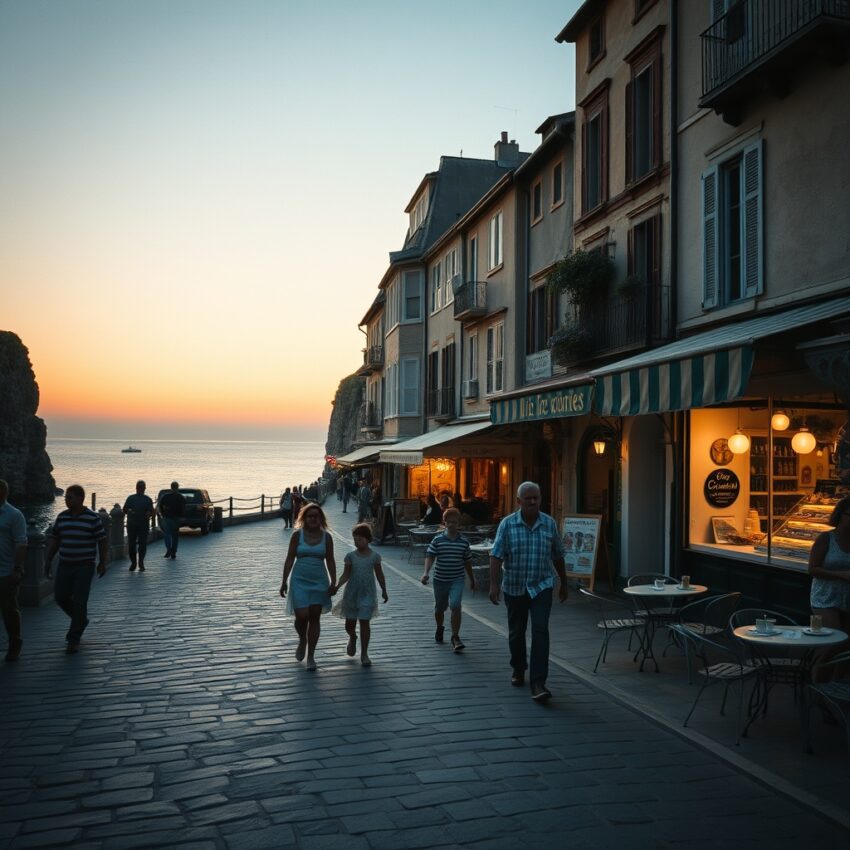
Kıyı kasabalarında yaz akşamı, güneşin denizin üstünden yavaşça çekilmesiyle değil, evlerin içinden sokağa çıkan ilk sandalet sesiyle başlardı. Yemekten sonra kapılar aralanır, çocukların saçları aceleyle taranır, büyükler ince hırkalarını koluna alır, sahile inen yol aynı saatlerde kalabalıklaşırdı. Dondurmacının ışığı yanar, çay bahçesinden bardak sesleri gelir, tuzlu rüzgâr evlerin pencerelerinden içeri kalan sıcaklığı dışarı taşırdı. Akşam gezmesi yalnız yürümek değildi; günün kapanışını mahalleyle, denizle ve birbirine benzeyen küçük selamlarla paylaşma biçimiydi.
Zamanın İzinde bakıldığında bu gezmeler, eski kıyı kasabalarının yaz takviminde neredeyse değişmeyen bir yere sahipti. Eski gazeteler yazlıkçı kalabalıklarından, vapur saatlerinden ya da sahil düzenlemelerinden söz ederdi; fakat asıl hayat, akşam serinliğinde aynı rotayı usulca yürüyen insanların adımlarında saklıydı. Herkesin bildiği bir tur vardı: iskeleden çay bahçesine, oradan fırının önüne, sonra yeniden meydana. Bu rota, kasabayı yalnız coğrafya olmaktan çıkarır, ortak hafızanın dolaşıldığı bir sahneye dönüştürürdü. İnsanlar konuşmasa bile aynı yürüyüşe katılarak birbirini tanırdı.
Akşam gezmelerinin ritüele dönüşmesi, tekrarın verdiği güvenle ilgiliydi. Her yaz aynı bankta oturan yaşlı çift, aynı köşede çekirdek satan çocuk, aynı vitrinin önünde duran gençler ve aynı dondurma külahını bekleyen kardeşler, kasabanın sessiz düzenini kurardı. Kimse acele etmezdi; çünkü yürüyüşün amacı varılacak yer değil, yolda kalmaktı. Kıyı boyunca yavaşlamak, günün sıcağını üstünden atmak, tanıdık yüzlere başla selam vermek ve denizin kararan yüzüne bakmak, yaz akşamlarının terbiye ettiği alışkanlıklardı. Bazen bir kapı önünde iki cümlelik hâl hatır sorulur, bazen aynı aile ertesi akşam yine aynı saatte görülürdü. Bu küçük süreklilikler kasaba insanına zamanın akıp gitmediğini, birlikte tutulduğunu hissettirirdi. Bu alışkanlıklar insanın hem kendine hem de bulunduğu yere dikkat etmesini sağlardı.
Bugüne kalan sessiz alışkanlıkların çoğu bu sade gezmelerden gelir. Akşam yemeğinden sonra kısa bir yürüyüşe çıkmak, telefonla değil yüz yüze selamlaşmanın değerini bilmek, serinlik bastığında pencereyi açmak, sahile ya da parka uğramadan günün bitmediğini hissetmek, hep o eski yazlardan taşınmış davranışlardır. Kıyı kasabalarında akşam gezmesi, insanların birbirini denetlediği katı bir düzen değil; varlığıyla güven veren yumuşak bir toplumsal ritimdi. Çocuklar kalabalığın içinde kaybolmadan serbest kalmayı öğrenir, gençler görünür olmanın heyecanını taşır, büyükler kasabanın nabzını adımlarıyla yoklardı.
Bugün hatıraların tozlu raflarına uzandığımızda o yaz akşamlarını parlak gösteren şey, büyük olaylar değil, küçük tekrarların kurduğu huzurdur. Kıyı kasabalarında ritüele dönüşen gezmeler, bize yavaşlığın, tanıdıklığın ve ortak mekânı birlikte kullanmanın değerini bıraktı. Denizin kokusu, taş sokakların akşam serinliği, dondurma kuyruğu ve uzaktan gelen müzik, bir dönemin gündelik inceliğini hâlâ taşır. Belki de yaz akşamlarının bugüne bıraktığı en sessiz alışkanlık şudur: İnsan bazen kendini en çok, aynı yolda başkalarıyla yavaşça yürürken hatırlar.
🇬🇧 English | The Summers When Evening Walks in Coastal Towns Turned into Rituals on the Dusty Shelves of Memory: What Quiet Habits Did Summer Evenings Leave to Today?
In coastal towns, a summer evening began not simply when the sun slowly withdrew over the sea, but when the first sound of sandals came from houses into the street. After dinner, doors opened, children’s hair was combed in haste, elders took light cardigans over their arms, and the road descending toward the shore grew crowded at the same hours. The ice cream shop switched on its light, tea glasses sounded from the garden cafe, and the salty wind carried the remaining heat out through open windows. The evening walk was not merely walking; it was a way of sharing the closing of the day with the neighborhood, the sea, and small familiar greetings.
From the perspective of time, these walks held an almost unchanging place in the summer calendar of old coastal towns. Old newspapers might mention vacation crowds, ferry hours, or waterfront arrangements, yet the real life was hidden in the steps of people who slowly walked the same route in the evening coolness. There was a circuit everyone knew: from the pier to the tea garden, from there to the bakery front, then back to the square. This route turned the town from a mere geography into a stage where shared memory was walked through. Even when people did not speak, they recognized one another by joining the same movement.
The evening walk became a ritual because repetition gave confidence. The elderly couple sitting on the same bench every summer, the child selling seeds on the same corner, the teenagers stopping before the same shop window, and siblings waiting for the same ice cream cone all formed the quiet order of the town. No one hurried, because the purpose of the walk was not arrival, but remaining on the way. Slowing down along the shore, shaking off the day’s heat, greeting familiar faces with a nod, and looking at the darkening surface of the sea were habits trained by summer evenings. Sometimes two brief sentences of greeting were exchanged at a doorway, and sometimes the same family was seen again the next evening at the same hour. These small continuities made people feel that time was not merely passing, but being held together. These habits taught a person to pay attention both to the self and to the place inhabited.
Many of the quiet habits left to today come from these simple walks. Going out for a short walk after dinner, valuing face-to-face greeting rather than distant contact, opening the window when the coolness arrives, feeling that the day is incomplete without stopping by the shore or a park: all these are behaviors carried from those old summers. In coastal towns, the evening walk was not a harsh order in which people monitored one another, but a soft social rhythm that gave reassurance simply by existing. Children learned freedom without being lost in the crowd, young people carried the excitement of being visible, and adults measured the pulse of the town with their steps.
When we reach today toward the dusty shelves of memory, what makes those summer evenings shine is not great events, but the calm built by small repetitions. The walks that became rituals in coastal towns left us the value of slowness, familiarity, and sharing common space. The smell of the sea, the evening coolness of stone streets, the ice cream line, and music heard from far away still carry the daily refinement of an era. Perhaps the quietest habit summer evenings left to today is this: sometimes a person remembers the self most clearly while walking slowly with others along the same road.
🇧🇷 Português (Brasil) | Os Verões em que os Passeios Noturnos nas Cidades Costeiras Viraram Rituais nas Prateleiras Empoeiradas das Lembranças: Que Hábitos Silenciosos as Noites de Verão Deixaram para Hoje?
Nas cidades costeiras, a noite de verão começava não apenas quando o sol se retirava devagar sobre o mar, mas quando o primeiro som de sandálias saía das casas para a rua. Depois do jantar, as portas se abriam, o cabelo das crianças era penteado às pressas, os mais velhos levavam um casaco fino no braço, e o caminho que descia para a orla ficava cheio sempre nos mesmos horários. A sorveteria acendia a luz, os copos de chá soavam no jardim, e o vento salgado levava para fora o calor que restava nas janelas. O passeio da noite não era apenas caminhar; era uma forma de dividir o fim do dia com o bairro, o mar e pequenos cumprimentos conhecidos.
Na trilha do tempo, esses passeios tinham um lugar quase fixo no calendário de verão das antigas cidades costeiras. Jornais antigos podiam falar da presença dos veranistas, dos horários dos barcos ou das obras na orla, mas a vida verdadeira estava nos passos de quem caminhava devagar pela mesma rota no frescor da noite. Havia um circuito que todos conheciam: do cais ao jardim de chá, dali à frente da padaria, depois de volta à praça. Esse caminho transformava a cidade em algo mais que geografia; fazia dela um palco onde se percorria a memória comum. Mesmo sem conversar, as pessoas se reconheciam por participar do mesmo movimento.
O passeio da noite virou ritual porque a repetição dava confiança. O casal idoso sentado no mesmo banco todos os verões, a criança vendendo sementes na mesma esquina, os jovens parados diante da mesma vitrine e os irmãos esperando o mesmo sorvete criavam a ordem silenciosa da cidade. Ninguém tinha pressa, porque o objetivo da caminhada não era chegar, mas permanecer no caminho. Andar devagar pela orla, tirar do corpo o calor do dia, cumprimentar rostos conhecidos com a cabeça e olhar a superfície escura do mar eram hábitos educados pelas noites de verão. Às vezes duas frases rápidas eram trocadas diante de uma porta, e às vezes a mesma família era vista de novo na noite seguinte, no mesmo horário. Essas pequenas continuidades faziam sentir que o tempo não apenas passava, mas era segurado em comum. Esses hábitos ensinavam a pessoa a prestar atenção em si mesma e no lugar onde vivia.
Muitos hábitos silenciosos que chegaram até hoje vêm desses passeios simples. Sair para caminhar depois do jantar, valorizar o cumprimento cara a cara, abrir a janela quando o frescor chega, sentir que o dia não acabou sem passar pela praia ou por uma praça: tudo isso foi levado daqueles verões antigos. Nas cidades costeiras, o passeio noturno não era uma regra dura em que todos se vigiavam, mas um ritmo social suave que dava segurança só por existir. As crianças aprendiam liberdade sem se perder na multidão, os jovens sentiam a emoção de serem vistos, e os adultos mediam o pulso da cidade com os próprios passos.
Quando hoje alcançamos as prateleiras empoeiradas da memória, o que faz aquelas noites de verão brilharem não são grandes acontecimentos, mas a paz criada por pequenas repetições. Os passeios que viraram ritual nas cidades costeiras nos deixaram o valor da lentidão, da familiaridade e do uso compartilhado do espaço comum. O cheiro do mar, o frescor das ruas de pedra, a fila do sorvete e uma música distante ainda carregam a delicadeza cotidiana de uma época. Talvez o hábito mais silencioso que as noites de verão deixaram seja este: às vezes a pessoa se lembra de si mesma com mais clareza quando caminha devagar com outros pelo mesmo caminho.