🇹🇷 Türkçe | Mahalle takviminden düşmeyen bir sahne olarak vapurlarda simit kokusunun güne karıştığı seferler: neden bugün bile bir sızı gibi hatırlanıyor tatil kokulu günler
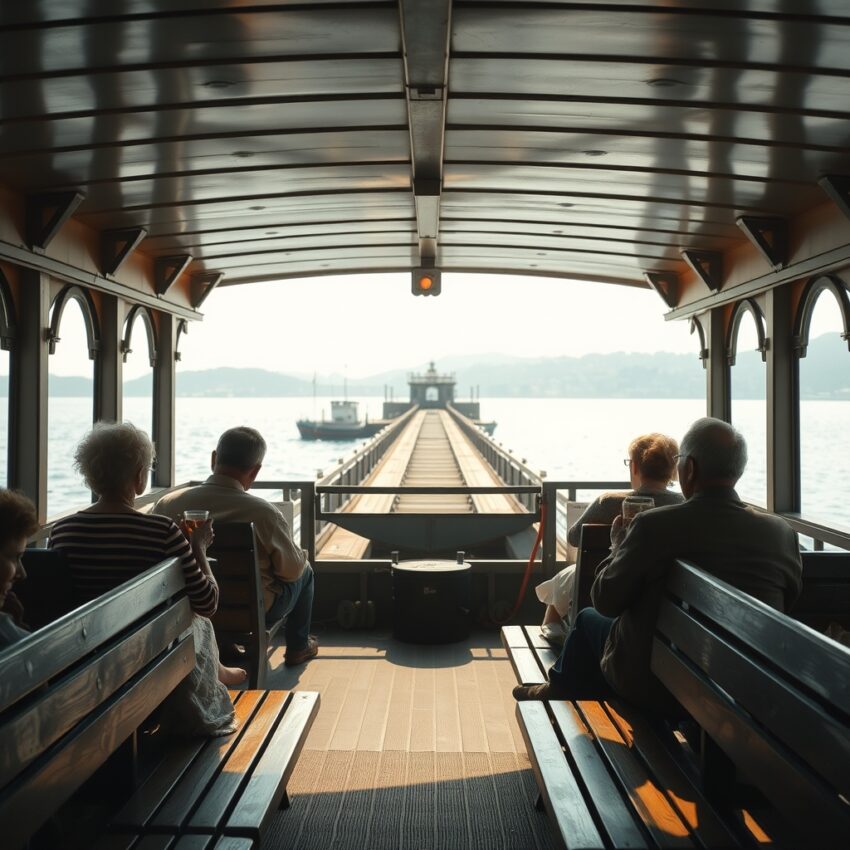
Vapur iskelesine sabah erken saatte varıldığında gün daha tam açılmadan kendine özgü kokusunu bulurdu. Nemli tahtaların, deniz tuzunun, çayın ve taze simidin kokusu birbirine karışır; bilet gişesinin önünde bekleyenlerin omuzlarında yaz hafifliği dolaşırdı. Mahalleden çıkan biri için vapura binmek yalnız karşı yakaya geçmek değildi. O sefer, evden dışarıya açılan küçük bir tören, tatilin henüz başlamadan duyulan habercisi gibiydi. Simit kâğıdının hışırtısı, çay bardağının ince sesi, banklara yerleşen ailelerin sessiz telaşı ve rüzgârın yüzü serinletmesi, günün sıradan akışını bir anda hatıraya dönüştürürdü.
Zamanın İzinde bakıldığında vapur seferleri, eski şehir hayatının ortak takviminde özel bir yer tutardı. Gazeteler sefer saatlerini, iskele kalabalıklarını ya da yaz tarifelerini yazardı; ama asıl hikâye insanların o saatlere yüklediği duyguda saklıydı. Mahallede kimin hangi vapurla işe gittiği, kimin yazlık yoluna çıktığı, kimin akraba ziyaretine geçtiği bilinirdi. Vapur bu yüzden yalnız ulaşım aracı değil, şehirle mahalle arasındaki duygusal köprüydü. Bir yaka geride kalırken diğeri yaklaşır, insan kısa bir süreliğine gündelik sorumluluklardan uzaklaşırdı. Simit kokusu da bu geçişin en sade ama en güçlü işaretlerinden biriydi.
Tatil kokulu günlerin vapurla birlikte hatırlanmasının sebebi, yolculuğun kendisinin bir bekleyiş üretmesiydi. Çocuklar korkuluklara yaklaşmadan denizi izler, büyükler simidi bölüştürür, biri çayı dökmeden taşımaya çalışır, biri çantadaki havluları ya da dönüş biletini kontrol ederdi. Daha yolun başında olunmasına rağmen insanın zihni plaja, pikniğe, akraba evine ya da uzun bir yaz öğleden sonrasına kayardı. Vapurun ağır ağır kalkması, iskelenin uzaklaşması ve simit kırıntılarının elde kalması, yazın başlayacağına dair küçük ama güvenilir işaretlerdi. Bu yüzden o seferler mahalle takviminden düşmeyen sahneler gibi hafızada kaldı.
Bugün onları bir sızı gibi hatırlatan şey yalnız geçmişin güzelliği değildir; o güzelliğin toplu yaşanmış olmasıdır. Vapurda herkes birbirine yabancı görünse de aynı sabah serinliğini, aynı simit kokusunu ve aynı yolculuk ritmini paylaşırdı. Bankta yan yana oturan insanlar, çay kuyruğunda bekleyenler, cam kenarında sessizce dışarı bakanlar aynı şehir duygusunun parçası olurdu. O yıllarda seyahat, hızla tüketilen bir mesafe değil, duyularla yaşanan bir ara zaman sayılırdı. Mahalleden iskeleye, iskeleden vapura uzanan yol, şehir insanına hem ait olma hem de kısa süreliğine uzaklaşma imkânı verirdi.
Vapurlarda simit kokusunun güne karıştığı seferleri bugün hâlâ hatırlamamız bu yüzden şaşırtıcı değildir. Onlar, yazın ve şehrin aynı anda hissedildiği, mahalle hayatının denizle buluştuğu, gündelik yolculuğun küçük bir bayrama dönüştüğü anlardı. Tatil kokulu günler hafızada biraz sızı bırakıyorsa, sebebi geri gelmeyecek olmalarından çok, bir zamanlar ne kadar basit şeylerle tamamlandığımızı göstermeleridir. Bir simit, bir çay, bir vapur bankı ve uzaklaşan iskele; eski şehir hayatının en derin duygularından birini anlatmaya yetiyordu.
🇬🇧 English | The Trips Where the Smell of Simit on Ferries Mixed into the Day as a Scene Never Falling from the Neighborhood Calendar: Why Vacation-Scented Days Are Still Remembered Like an Ache Even Today
When one arrived at the ferry pier early in the morning, the day found its own scent before it had fully opened. The smell of damp wood, sea salt, tea, and fresh simit mingled together, while a lightness of summer moved over the shoulders of those waiting before the ticket booth. For someone leaving the neighborhood, boarding a ferry was not merely crossing to the other shore. That trip was a small ceremony opening from the home toward the world, a sign of vacation felt before it had truly begun. The rustle of simit paper, the thin sound of a tea glass, the quiet bustle of families settling onto benches, and the wind cooling the face could turn an ordinary morning into memory.
From the perspective of time, ferry trips held a special place in the shared calendar of old city life. Newspapers printed departure hours, pier crowds, and summer timetables, but the real story was hidden in the emotion people attached to those hours. In the neighborhood, people knew who took which ferry to work, who was setting out toward a summer place, and who was crossing for a family visit. For that reason, the ferry was not only a means of transportation, but an emotional bridge between city and neighborhood. As one shore remained behind and the other approached, a person moved away from daily obligations for a brief interval. The smell of simit became one of the simplest and strongest signs of that passage.
The reason vacation-scented days are remembered together with ferries lies in the waiting produced by the journey itself. Children watched the water without leaning too close to the railings, adults shared simit, one person tried to carry tea without spilling it, and another checked the towels or return tickets inside a bag. Although the trip had barely begun, the mind already drifted toward the beach, a picnic, a relative’s house, or a long summer afternoon. The ferry’s slow departure, the pier falling away, and simit crumbs left in the hand were small but reliable signs that summer was about to begin. That is why those trips remained in memory like scenes that never disappeared from the neighborhood calendar.
What makes us remember them today like an ache is not only the beauty of the past, but the fact that this beauty was shared. On the ferry, everyone might seem like a stranger, yet they shared the same morning coolness, the same smell of simit, and the same rhythm of travel. People seated side by side on benches, waiting in the tea line, or silently looking out by the window became part of the same city feeling. In those years, travel was not a distance consumed at speed, but an interval lived through the senses. The road from neighborhood to pier and from pier to ferry gave city dwellers both a sense of belonging and a brief chance to move away.
It is therefore unsurprising that we still remember the trips where the smell of simit mixed into the day on ferries. They were moments when summer and the city were felt at once, when neighborhood life met the sea, and when an ordinary journey turned into a small celebration. If vacation-scented days leave a slight ache in memory, it is not only because they will not return, but because they show how complete we once felt with simple things. A simit, a glass of tea, a ferry bench, and a pier receding behind us were enough to express one of the deepest emotions of old city life.
🇧🇷 Português (Brasil) | As Viagens em que o Cheiro de Simit nos Barcos se Misturava ao Dia Como uma Cena que Nunca Saía do Calendário do Bairro: Por que os Dias com Cheiro de Férias Ainda São Lembrados Como uma Dor
Quando se chegava cedo ao cais, o dia encontrava seu próprio cheiro antes mesmo de se abrir por completo. O odor da madeira úmida, do sal do mar, do chá e do simit fresco se misturava, enquanto uma leveza de verão passava pelos ombros de quem esperava diante da bilheteria. Para alguém que saía do bairro, entrar no barco não era apenas atravessar para a outra margem. Aquela viagem era uma pequena cerimônia que levava a casa para o mundo, um anúncio de férias sentido antes de elas começarem de verdade. O ruído do papel do simit, o som fino do copo de chá, a pressa silenciosa das famílias nos bancos e o vento refrescando o rosto transformavam uma manhã comum em lembrança.
Na trilha do tempo, as viagens de barco tinham um lugar especial no calendário comum da antiga vida urbana. Os jornais publicavam horários, movimento nos cais e tabelas de verão, mas a história verdadeira estava escondida no sentimento que as pessoas colocavam nessas horas. No bairro, sabia-se quem pegava qual barco para o trabalho, quem seguia para uma casa de verão e quem atravessava para visitar parentes. Por isso, o barco não era apenas transporte, mas uma ponte afetiva entre a cidade e o bairro. Enquanto uma margem ficava para trás e a outra se aproximava, a pessoa se afastava por alguns minutos das obrigações diárias. O cheiro do simit era um dos sinais mais simples e mais fortes dessa passagem.
O motivo de os dias com cheiro de férias serem lembrados junto dos barcos está na espera que a própria viagem criava. As crianças observavam a água sem se aproximar demais das grades, os adultos dividiam o simit, alguém tentava levar o chá sem derramar, outro conferia as toalhas ou as passagens de volta dentro da bolsa. Mesmo estando no início do caminho, a cabeça já escapava para a praia, para o piquenique, para a casa de parentes ou para uma longa tarde de verão. A partida lenta do barco, o cais ficando distante e as migalhas de simit na mão eram pequenos sinais confiáveis de que o verão começaria. Por isso, essas viagens permaneceram na memória como cenas que nunca caíam do calendário do bairro.
O que hoje as faz voltar como uma dor não é apenas a beleza do passado, mas o fato de essa beleza ter sido vivida em comum. No barco, todos pareciam desconhecidos, mas compartilhavam o mesmo frescor da manhã, o mesmo cheiro de simit e o mesmo ritmo da viagem. Pessoas sentadas lado a lado, esperando na fila do chá ou olhando em silêncio pela janela faziam parte do mesmo sentimento de cidade. Naqueles anos, viajar não era consumir uma distância com velocidade, mas viver um intervalo pelos sentidos. O caminho do bairro ao cais e do cais ao barco dava ao morador da cidade tanto a sensação de pertencer quanto a chance breve de se afastar.
Não surpreende, portanto, que ainda lembremos das viagens em que o cheiro de simit se misturava ao dia nos barcos. Eram momentos em que o verão e a cidade eram sentidos ao mesmo tempo, em que a vida do bairro encontrava o mar e uma viagem comum se transformava numa pequena festa. Se os dias com cheiro de férias deixam uma dor leve na memória, não é só porque não voltarão, mas porque mostram como já fomos inteiros com coisas simples. Um simit, um copo de chá, um banco de barco e o cais se afastando bastavam para contar uma das emoções mais profundas da antiga vida urbana.