🇹🇷 Türkçe | anteni çevirdikçe netleşen umut ve çevirmeli telefon: tamircilerin elinde neden ikinci bir ömür bulduğunu açıklıyor cam buğusunun ardından bir çınar gölgesine sığınarak
Cam buğusunun ardından sokağa bakılan kış sabahlarında, evlerin içinde teknoloji dediğimiz şey çoğu zaman sabırla çalışan birkaç eşyanın sesinden ibaretti. Tüplü televizyonun anteni çevrildikçe görüntü biraz daha netleşir, çevirmeli telefonun diski döndükçe evin içinde küçük bir beklenti halkası oluşurdu. Bir haber gelecek, bir akraba aranacak, uzak bir şehir birkaç saniyeliğine odanın içine girecekti. Bu cihazların gövdesinde yalnız plastik, bakır ve vida yoktu; ailelerin bekleyişi, çocukların merakı ve yetişkinlerin “biraz daha idare eder” dediği gündelik umut da vardı. Bu yüzden bozulduklarında hemen vazgeçilmez, tamircinin elinde ikinci bir ömür ararlardı.
Teknoloji Mirası açısından çevirmeli telefon, ev içi iletişimin en dokunsal simgelerinden biriydi. Numarayı çevirmek aceleye gelmezdi; parmak deliğe yerleşir, disk sonuna kadar döner, sonra kendi ritmiyle geri gelirdi. Her rakam, konuşmanın başlaması için verilmiş küçük bir emek gibiydi. Anten de benzer bir sabır isterdi. Biri ekranın karşısında “şimdi daha iyi” der, biri pencere kenarında ya da çatı arasında anteni milim milim çevirirdi. Bu iki nesne, teknolojinin sadece hız değil, ayar, bekleyiş ve ortak dikkat istediği bir dönemi hatırlatır. Ev halkı cihazların çalışmasına seyirci değil, neredeyse ortağıydı.
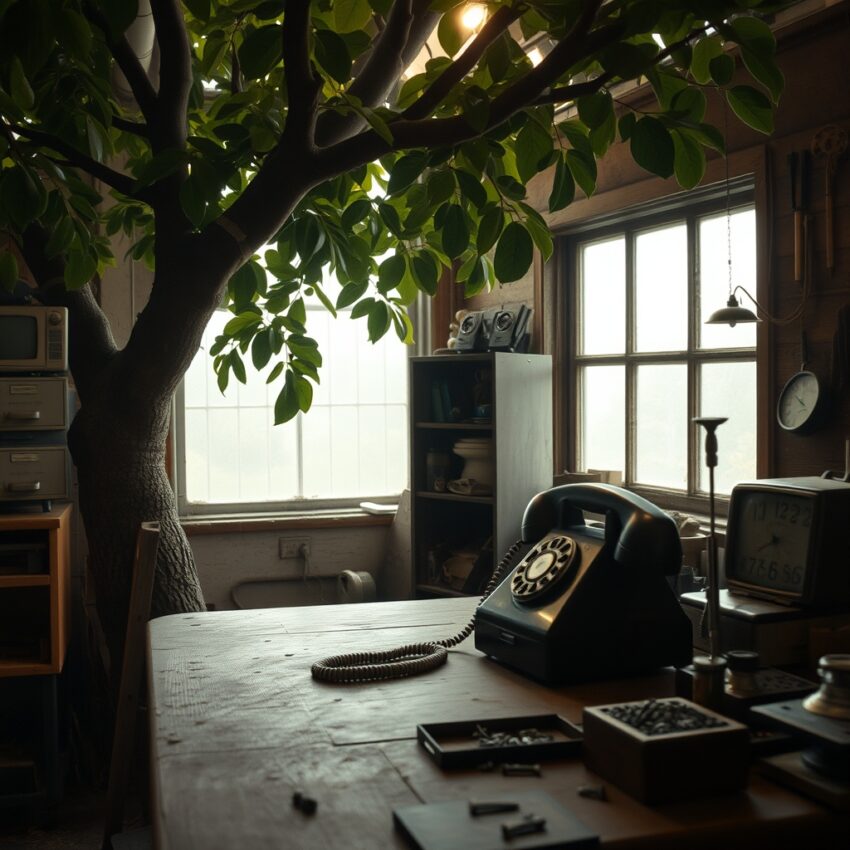
Tamircilerin bu hikâyedeki yeri çok özeldi. Dar dükkânların önünde çoğu zaman bir çınar gölgesi, içeride lehim kokusu, küçük çekmecelerde dizili vidalar ve duvarda yıllardır sararmış bir takvim bulunurdu. Tezgâha bırakılan telefonun kablosu sökülür, zil mekanizması denenir, ahizenin içindeki ince bağlantılar gözden geçirilirdi. Televizyon anteni, radyo, ütü ya da telefon fark etmez; tamirci, eşyanın hayatını biraz daha uzatan kişiydi. Onun elindeki tornavida yalnız teknik bir alet değil, aile bütçesini, hatıraları ve alışkanlıkları koruyan sessiz bir güvenceydi. Bir cihazın onarılması, çoğu zaman evin düzeninin de onarılması anlamına gelirdi.
Çevirmeli telefonların ikinci ömür bulmasının nedeni, sağlamlıkları kadar onlarla kurulan duygusal bağdı. Ahizeyi kaldırınca duyulan çevir sesi, numara defterinin sayfaları, telefonun yanındaki dantel örtü ve konuşma sırasında kapının aralanıp dinleyen çocuklar, onu basit bir iletişim aracı olmaktan çıkarırdı. Tamirden dönen telefon masaya yeniden konduğunda evde küçük bir rahatlama yaşanırdı. Aynı şey anten için de geçerliydi. Görüntü karıncalanmayı bıraktığında sadece kanal netleşmez, akşamın akışı da yerine otururdu. Teknoloji, kusurlarıyla birlikte yaşandığı için daha çok sahiplenilirdi; çünkü her arıza, birinin becerisiyle aşılabilecek ortak bir meseleydi.
Bugün o cihazlara bakınca eski görünmelerinin yanında insana iyi gelen başka bir tarafları da var. Onlar, teknolojinin onarılabilir, anlaşılabilir ve insan eliyle yeniden hayata döndürülebilir olduğu günleri hatırlatıyor. Anteni çevirdikçe netleşen umut, çevirmeli telefonun ağır diski ve tamircinin sabırlı eli, hız çağında kaybolan bir ilişki biçimini anlatıyor. Eşyayla bağ kurmak, onu hemen değiştirmemek, arızanın içindeki emeği görmek ve bir çınar gölgesindeki küçük dükkânda çözüm beklemek; bütün bunlar teknoloji mirasının sessiz dersleri. İkinci ömür bulan cihazlar bize hâlâ şunu söylüyor: Bazen ilerleme, yenisini almakta değil, çalışanı anlamakta ve yaşatmaktadır.
🇬🇧 English | Hope Becoming Clearer as the Antenna Turns and the Rotary Telephone: Explaining Why It Found a Second Life in Repairers’ Hands by Taking Shelter in a Plane Tree’s Shade After Window Fog
On winter mornings when people looked out at the street through fogged glass, what we called technology inside the home often consisted of the sounds of a few objects working patiently. As the antenna of the tube television was turned, the picture became a little clearer; as the dial of the rotary telephone spun, a small circle of expectation formed in the house. News would arrive, a relative would be called, a distant city would enter the room for a few seconds. Inside the bodies of those devices there was not only plastic, copper, and screws. There was also the waiting of families, the curiosity of children, and the daily hope of adults who said, “It will manage a little longer.” That is why, when they broke, people did not give them up at once. They searched for a second life in the hands of a repairer.
From the perspective of technological heritage, the rotary telephone was one of the most tactile symbols of domestic communication. Dialing a number could not be rushed. A finger settled into the hole, the dial turned to the end, and then returned according to its own rhythm. Each digit felt like a small effort offered before conversation could begin. The antenna demanded a similar patience. One person before the screen would say, “Now it is better,” while another turned the antenna millimeter by millimeter near a window or under the roof. These two objects remind us of a time when technology required not only speed, but adjustment, waiting, and shared attention. The household did not merely watch devices work; it almost became a partner in their operation.
The repairer held a special place in this story. In front of narrow shops there was often the shade of a plane tree; inside there was the smell of solder, screws lined up in small drawers, and a calendar yellowed by many years on the wall. The cable of a telephone left on the counter would be opened, the bell mechanism tested, and the fine connections inside the receiver examined. Whether it was a television antenna, radio, iron, or telephone, the repairer was the person who extended the life of things. The screwdriver in his hand was not only a technical tool, but a quiet assurance that protected family budgets, memories, and habits. Repairing a device often meant repairing the order of the home as well.
The reason rotary telephones found a second life was not only their durability, but the emotional bond people formed with them. The dial tone heard when the receiver was lifted, the pages of the number notebook, the lace cloth beneath the phone, and the children listening through a half-open door during a call made it more than a simple communication tool. When the phone returned from repair and was placed back on the table, a small relief spread through the house. The same was true of the antenna. When the image stopped filling with static, it was not only the channel that became clear; the rhythm of the evening settled back into place. Technology was embraced more fully because people lived with its flaws. Every malfunction was a shared matter that could be overcome through someone’s skill.
When we look at those devices today, they do more than appear old; they carry a comforting message. They recall days when technology could be repaired, understood, and brought back to life by human hands. The hope that cleared as the antenna turned, the heavy dial of the rotary telephone, and the patient hand of the repairer describe a relationship lost in the age of speed. Forming a bond with an object, not replacing it at once, seeing the labor inside a malfunction, and waiting for a solution in a small shop beneath a plane tree are all quiet lessons of technological heritage. Devices that found a second life still tell us this: sometimes progress lies not in buying the new, but in understanding and preserving what can still work.
🇧🇷 Português (Brasil) | A Esperança que Fica Mais Nítida ao Girar a Antena e o Telefone de Disco: Explica por que Encontrou uma Segunda Vida nas Mãos dos Consertadores ao se Abrigar à Sombra de um Plátano Depois do Vidro Embaçado
Nas manhãs de inverno em que se olhava a rua por trás do vidro embaçado, aquilo que chamávamos de tecnologia dentro de casa muitas vezes era feito do som de alguns objetos trabalhando com paciência. À medida que a antena da televisão de tubo era girada, a imagem ficava um pouco mais nítida; quando o disco do telefone girava, uma pequena roda de expectativa se formava na casa. Uma notícia chegaria, um parente seria chamado, uma cidade distante entraria por alguns segundos na sala. No corpo desses aparelhos não havia apenas plástico, cobre e parafusos. Havia também a espera das famílias, a curiosidade das crianças e a esperança cotidiana dos adultos que diziam: “ainda aguenta mais um pouco”. Por isso, quando quebravam, ninguém desistia deles imediatamente. Buscavam uma segunda vida nas mãos do consertador.
Do ponto de vista da herança tecnológica, o telefone de disco foi um dos símbolos mais táteis da comunicação doméstica. Discar um número não permitia pressa. O dedo entrava no orifício, o disco girava até o fim e depois voltava no seu próprio ritmo. Cada número parecia um pequeno esforço oferecido antes que a conversa pudesse começar. A antena exigia uma paciência parecida. Alguém diante da tela dizia “agora melhorou”, enquanto outra pessoa girava a antena milímetro por milímetro perto da janela ou no forro da casa. Esses dois objetos lembram um tempo em que a tecnologia pedia não só velocidade, mas ajuste, espera e atenção compartilhada. A família não era apenas espectadora do funcionamento dos aparelhos; quase participava dele.
O consertador tinha um lugar muito especial nessa história. Diante das lojas estreitas havia muitas vezes a sombra de um plátano; dentro, o cheiro de solda, parafusos alinhados em pequenas gavetas e um calendário amarelado na parede. O cabo do telefone deixado sobre o balcão era aberto, o mecanismo da campainha era testado, e as ligações finas dentro do fone eram examinadas. Fosse antena de televisão, rádio, ferro ou telefone, o consertador era quem prolongava um pouco mais a vida das coisas. A chave de fenda em sua mão não era apenas uma ferramenta técnica, mas uma garantia silenciosa que protegia o orçamento da família, as lembranças e os hábitos. Consertar um aparelho muitas vezes significava consertar também a ordem da casa.
O motivo de os telefones de disco encontrarem uma segunda vida não estava apenas na sua resistência, mas no vínculo afetivo criado com eles. O sinal ouvido ao levantar o fone, as páginas da agenda de números, a toalhinha de renda sob o telefone e as crianças escutando pela porta entreaberta durante uma ligação transformavam o aparelho em algo maior que uma ferramenta de comunicação. Quando o telefone voltava do conserto e era colocado novamente sobre a mesa, uma pequena tranquilidade percorria a casa. O mesmo acontecia com a antena. Quando a imagem parava de chuviscar, não era só o canal que ficava nítido; o ritmo da noite também voltava ao lugar. A tecnologia era mais estimada porque se convivia com suas falhas. Cada defeito era uma questão comum que podia ser vencida pela habilidade de alguém.
Quando hoje olhamos para esses aparelhos, eles não parecem apenas antigos; trazem também uma mensagem que conforta. Recordam dias em que a tecnologia podia ser consertada, compreendida e trazida de volta à vida por mãos humanas. A esperança que clareava ao girar a antena, o disco pesado do telefone e a mão paciente do consertador falam de uma relação perdida na era da velocidade. Criar vínculo com um objeto, não trocá-lo imediatamente, perceber o trabalho escondido dentro do defeito e esperar uma solução numa lojinha à sombra de um plátano são lições silenciosas da herança tecnológica. Os aparelhos que ganharam uma segunda vida ainda nos dizem: às vezes o progresso não está em comprar o novo, mas em entender e preservar aquilo que ainda pode funcionar.