🇹🇷 Türkçe | tarçın kokulu sütlaç: unutulan mutfak alışkanlıklarını nasıl geri çağırıyor ve eski mutfak kültürünü nasıl yaşatıyor
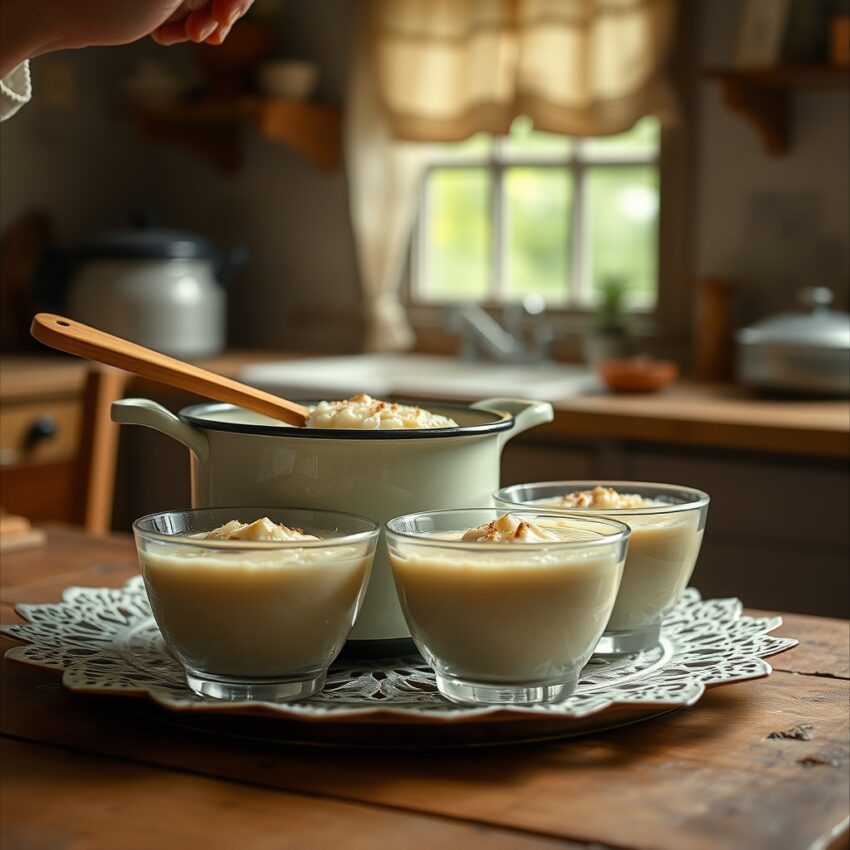
Bazı tatlar yalnız damakta kalmaz; mutfağın düzenini, evin kokusunu ve aile içindeki zamanı da birlikte geri getirir. Tarçın kokulu sütlaç tam olarak böyledir. Süt ağır ateşte usulca koyulaşırken tahta kaşığın tencerede bıraktığı dairesel iz, mutfakta geçirilen sakin vakitlerin ritmini kurar. Pirincin sabırla pişmesi, şekerin doğru anda eklenmesi, kaselere pay edilip üstüne tarçının ince bir yağmur gibi serpilmesi, yalnız bir tarifin adımları değildir. Bunlar, eski mutfak kültürünün gündelik nezaketidir. Sütlaç bu yüzden sadece tatlı değil; unutulan alışkanlıkları geri çağıran, mutfağı yeniden bir hafıza mekânına dönüştüren bir işarettir.
Damak Hafızası bakımından sütlaç, eski sofralarda gösterişten çok dengeyi temsil ederdi. Evde olan malzemeyle yapılan, ama özensiz yapılması mümkün olmayan bir tatlıydı. Sütün taşmaması için başından ayrılmamak, pirincin kıvamını takip etmek, altını fazla açmamak ve kâseleri soğumaya bırakırken acele etmemek gerekirdi. Bu dikkatli süreç, mutfakta zamanın hız değil ritim üzerinden yaşandığı dönemleri hatırlatır. Bugün paketli tatlıların ve hızlı tüketim alışkanlıklarının gölgesinde unutulan pek çok küçük mutfak davranışı, sütlaç hazırlanırken yeniden görünür olur. Kaşığı tencereye vurup kıvam bakmak, tarçını elle serpmek, bir kâseyi komşuya ayırmak ya da en üstteki kaymak tabakasını kime bırakacağını düşünmek; hepsi eski ev içi hayatın parçasıdır.
Tarçın kokusunun bu çağrıyı güçlendirmesi tesadüf değildir. Koku, hafızanın en ısrarlı yollarından biridir. Sütlaç fırından çıkmasa bile sıcak sütün ve tarçının birlikte kurduğu hava, birçok insan için çocukluk akşamlarını, bayram öncesi hazırlıkları ya da kalabalık aile sofralarından sonra gelen sakinliği anımsatır. Eski mutfaklarda bu koku çoğu zaman emaye tencerelere, cam kaselere ve dantel kenarlı tepsilere eşlik ederdi. Yemek yalnız doymak için değil, evin düzenini ve misafirperverliğini göstermek için de hazırlanırdı. Sütlaç bu noktada sade ama zarif bir temsil gücüne sahipti. Her eve yakışır, her yaştan insanı memnun eder ve soğudukça lezzeti daha da yerleşirdi.
Eski mutfak kültürünü yaşatmasının bir başka nedeni, paylaşma biçimini canlı tutmasıdır. Sütlaç çoğu zaman tek kişilik bir keyif değil, çok kişilik bir dağıtım düzeni içinde var olurdu. Kaseler mutfak tezgâhında yan yana dizilir, biri yaşlı komşuya, biri misafire, biri çocuklar için buzdolabına ayrılırdı. Bazen üstüne tarçınla küçük bir desen yapılır, bazen en güzel kase kapı komşusuna giderdi. Bu küçük jestler, yemeğin toplumsal bir bağ kurma aracı olduğunu gösterirdi. Bir tatlının değeri, yalnız lezzetinde değil; kimlerle, hangi sırayla ve hangi özenle paylaşıldığında da saklıydı. Tarçın kokulu sütlaç, unutulan mutfak alışkanlıklarını tam da bu ilişkisel yönüyle geri çağırır.
Bugün bir kase sütlaç önümüze geldiğinde bizi etkileyen şey sadece tanıdık tat değildir. Asıl etkileyen, onun arkasında duran yavaşlık, dikkat ve paylaşım kültürüdür. Eski mutfaklar yalnız yemek yapılan yerler değil; aile içi ritmin, el becerisinin ve gündelik zarafetin kurulduğu alanlardı. Tarçın kokulu sütlaç, bu kültürün hâlâ yaşatılabilir olduğunu hatırlatır. Çünkü bazı tarifler geçmişten bugüne yalnız malzeme taşımıyor; aynı zamanda davranış, zaman duygusu ve ev içi ahlak da taşıyor. Sütlaç bu yüzden unutulmuş bir tatlı değil, eski mutfak terbiyesinin bugün bile kaşıkla alınabilir bir hatırasıdır.
🇬🇧 English | Cinnamon-Scented Rice Pudding: How Does It Recall Forgotten Kitchen Habits and Keep Old Culinary Culture Alive?
Some flavors do not remain only on the palate; they also bring back the order of the kitchen, the scent of the home, and the rhythm of time within the family. Cinnamon-scented rice pudding is exactly such a flavor. As milk slowly thickens over low heat, the circular trace left by the wooden spoon in the pot establishes the rhythm of calm time spent in the kitchen. The patient cooking of the rice, the addition of sugar at the right moment, the dividing into bowls, and the dusting of cinnamon like a fine rain are not merely steps in a recipe. They are part of the daily courtesy of old kitchen culture. That is why rice pudding is not simply a dessert, but a sign that recalls forgotten habits and turns the kitchen once more into a place of memory.
From the perspective of taste memory, rice pudding represented balance rather than display at old tables. It was a dessert made from familiar ingredients, yet impossible to prepare carelessly. One had to stay near the pot so the milk would not rise too high, follow the texture of the rice, avoid too much heat, and resist haste while letting the bowls cool. That careful process reminds us of periods when time in the kitchen was lived not through speed, but through rhythm. Today, in the shadow of packaged sweets and hurried consumption, many small domestic habits that have faded become visible again during the making of rice pudding. Tapping the spoon against the side of the pot to judge thickness, scattering cinnamon by hand, setting aside one bowl for a neighbor, or deciding who should receive the top layer of cream all belong to the old life of the home.
It is no coincidence that the scent of cinnamon strengthens this act of recollection. Smell is among memory’s most persistent pathways. Even when rice pudding is not baked, the atmosphere formed by warm milk and cinnamon together recalls childhood evenings, pre-holiday preparations, or the calm that followed crowded family meals for many people. In older kitchens, that scent often accompanied enamel pots, glass bowls, and trays edged with lace. Food was prepared not only for nourishment, but also to demonstrate household order and hospitality. Rice pudding possessed a simple yet elegant representative power within that world. It suited every home, pleased nearly every age, and settled more deeply into itself as it cooled.
Another reason it keeps old kitchen culture alive is that it preserves a way of sharing. Rice pudding was rarely only an individual indulgence; it existed within a system of distribution among many people. Bowls were lined up on the kitchen counter, one reserved for an elderly neighbor, one for a guest, one placed in the refrigerator for the children. Sometimes cinnamon was dusted into a small pattern on top, and sometimes the prettiest bowl was sent next door. These modest gestures showed that food was a means of creating social connection. The value of a dessert lay not only in its taste, but in with whom, in what order, and with what care it was shared. Cinnamon-scented rice pudding recalls forgotten kitchen habits precisely through this relational dimension.
When a bowl of rice pudding is placed before us today, what moves us is not only the familiar taste. More powerful is the culture of slowness, attention, and sharing standing behind it. Old kitchens were not merely places where food was made. They were spaces where family rhythm, hand skill, and everyday elegance were formed. Cinnamon-scented rice pudding reminds us that this culture can still be kept alive. Some recipes carry not only ingredients across time, but also behavior, a feeling for time, and a domestic ethic. For that reason, rice pudding is not a forgotten dessert. It is a memory of old kitchen discipline that can still be lifted with a spoon.
🇧🇷 Português (Brasil) | Arroz-doce com Cheiro de Canela: Como Relembra Hábitos Esquecidos da Cozinha e Mantém Viva a Antiga Cultura Culinária?
Alguns sabores não ficam apenas na boca; eles trazem de volta a ordem da cozinha, o cheiro da casa e o ritmo do tempo dentro da família. O arroz-doce com cheiro de canela é exatamente assim. Enquanto o leite engrossa devagar em fogo baixo, o rastro circular deixado pela colher de pau na panela organiza o ritmo do tempo calmo passado na cozinha. O cozimento paciente do arroz, a entrada do açúcar no momento certo, a divisão em tigelas e a canela polvilhada por cima como uma chuva fina não são apenas etapas de uma receita. São parte da delicadeza cotidiana da antiga cultura culinária. Por isso, o arroz-doce não é somente uma sobremesa, mas um sinal que relembra hábitos esquecidos e transforma a cozinha novamente em lugar de memória.
Do ponto de vista da memória gustativa, o arroz-doce representava equilíbrio, e não ostentação, nas mesas antigas. Era uma sobremesa feita com ingredientes comuns, mas impossível de ser preparada de modo descuidado. Era preciso ficar perto da panela para o leite não subir demais, acompanhar a textura do arroz, evitar fogo alto e não ter pressa na hora de deixar as tigelas esfriarem. Esse processo atento faz lembrar épocas em que o tempo da cozinha era vivido não pela velocidade, mas pelo ritmo. Hoje, à sombra dos doces industrializados e do consumo apressado, muitos pequenos hábitos domésticos esquecidos voltam a aparecer quando se faz arroz-doce. Bater a colher na panela para sentir o ponto, espalhar a canela com a mão, separar uma tigela para a vizinha ou decidir quem ficaria com a camada mais grossa de nata no topo: tudo isso pertence à antiga vida da casa.
A força da canela nessa lembrança não é coincidência. O cheiro é um dos caminhos mais persistentes da memória. Mesmo quando o arroz-doce não vai ao forno, a atmosfera criada pelo leite quente junto com a canela faz muita gente lembrar de noites de infância, preparativos antes das festas ou da calma que vinha depois de refeições familiares cheias. Nas cozinhas antigas, esse perfume costumava acompanhar panelas esmaltadas, tigelas de vidro e bandejas com rendas nas bordas. A comida era preparada não apenas para alimentar, mas também para mostrar organização doméstica e hospitalidade. O arroz-doce tinha nesse cenário um poder de representação simples e elegante. Combinava com qualquer casa, agradava gente de todas as idades e se assentava ainda melhor conforme esfriava.
Outra razão pela qual ele mantém viva a antiga cultura da cozinha é conservar um modo de repartir. O arroz-doce quase nunca era apenas um agrado individual; existia dentro de uma lógica de distribuição entre várias pessoas. As tigelas ficavam alinhadas sobre a bancada, uma reservada para a vizinha idosa, outra para a visita, outra guardada na geladeira para as crianças. Às vezes a canela desenhava um pequeno enfeite na superfície, e às vezes a tigela mais bonita era enviada à casa ao lado. Esses gestos discretos mostravam que a comida era um meio de criar vínculo social. O valor da sobremesa não estava só no sabor, mas também em com quem, em que ordem e com que cuidado ela era compartilhada. O arroz-doce com cheiro de canela relembra hábitos esquecidos justamente por essa dimensão relacional.
Quando hoje uma tigela de arroz-doce chega à nossa frente, o que nos toca não é apenas o sabor conhecido. Mais forte ainda é a cultura de lentidão, atenção e partilha que está por trás dele. As cozinhas antigas não eram apenas lugares onde se preparava comida. Eram espaços onde se formavam o ritmo da família, a habilidade manual e a elegância cotidiana. O arroz-doce com cheiro de canela lembra que essa cultura ainda pode continuar viva. Algumas receitas não atravessam o tempo levando só ingredientes; levam também comportamentos, sensação de tempo e uma ética doméstica. Por isso, o arroz-doce não é uma sobremesa esquecida, mas uma lembrança comestível da antiga disciplina da cozinha.