🇹🇷 Türkçe | tüplü televizyon başında geçen saatler: analog çağın unutulmayan heyecanını anlatıyor ilkbahar yağmurunun ardından çocukluğun kıyısında bekler gibi
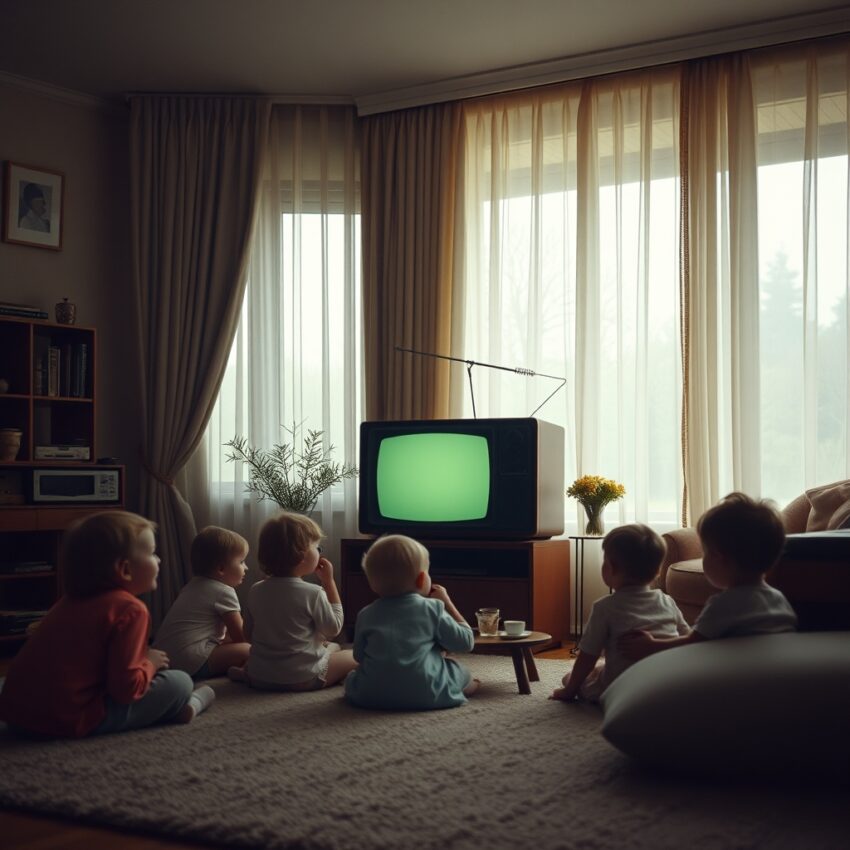
İlkbahar yağmurundan sonra sokakların üstüne çöken o temiz koku eve de sinerdi. Camlar hafif aralanır, perdeler şişer, salondaki tüplü televizyonun ekranı açılırken içinden gelen ince uğultu bütün evi tek bir noktaya toplardı. Çocuklar halının üzerine yüzüstü uzanır, büyükler koltukların kenarına ilişir, antenin yönü bir kez daha düzeltilirdi. Görüntü tam netleştiğinde yaşanan küçük sevinç, bugünün kesintisiz ekran alışkanlıklarıyla karşılaştırılamayacak kadar sahici görünür. Çünkü o televizyon sadece izlenen bir araç değildi; evin içindeki zamanı ortaklaştıran, beklemeyi heyecana dönüştüren ve çocukluğun kıyısında duran bir eşikti.
Teknoloji Mirası açısından tüplü televizyon, analog çağın ev içindeki en belirgin simgelerinden biridir. Ahşap görünümlü çerçeveler, düğmeli kanallar, üstünde dantel örtü duran gövdeler ve kimi zaman yanına yerleştirilmiş yapma çiçeklerle o cihaz yalnız teknik bir alet olmaktan çıkar, salon düzeninin parçasına dönüşürdü. Televizyon açılmadan önce hangi programın izleneceği konuşulur, yayın saati beklenir, reklamlarda mutfağa gidilir, bazı dizilerin ya da maçların günü haftalık ritmi belirlerdi. Böylece cihaz, sürekli akış sunan bir ekran değil; belirli saatlerde hayatın merkezine yerleşen törensel bir pencere olurdu. Onun heyecanı biraz da bu sınırlılıktan doğardı.
İlkbahar yağmurunun ardından çocukluğun kıyısında beklemek benzetmesi tam da burada anlam kazanır. Dışarıda ıslak asfaltın kokusu yükselirken içeride ekranın camında beliren ilk görüntü, sanki dünya eve yeni geliyormuş hissi yaratırdı. Çizgi film saati, cumartesi akşamı eğlence programı, siyah beyaz filmler ya da gece haberleri; her biri yaşa göre başka bir merak uyandırırdı. Çocuk için önemli olan çoğu zaman yalnız içerik değil, o ana hazırlanıştı. Antenin ayarlanması, ekranın üstündeki hafif statik parıltı, kanal değiştirirken çıkan ses ve “başlıyor” cümlesinin evde yarattığı toplu dikkat, hafızada tek başına programdan daha güçlü yer ederdi. Teknoloji, böylece sadece izleme deneyimi değil, ortak beklenti terbiyesi hâline gelirdi.
Bu cihazın unutulmayan heyecanı biraz da kusurlarından beslenirdi. Görüntü bazen karıncalanır, ses ansızın yükselir, uzaktan kumanda olmadığı için biri mutlaka kalkıp düğmeye giderdi. Fakat bu eksikler can sıkıcı olmaktan çok katılım duygusu yaratırdı. Ekranı düzeltmek için üstüne hafifçe vurmak, antene doğru “öyle kalsın” diye seslenmek ya da yayın kesildiğinde komşunun evinde de aynı sorun olup olmadığını merak etmek, teknolojiyi bireysel değil toplu yaşanan bir deneyime dönüştürürdü. Analog çağ, kusursuz çalışmayan ama insanı cihazın içine daha çok dahil eden bir ilişki biçimi kurmuştu. Belki de bugünden bakınca heyecanlı görünmesinin nedeni, seyretmenin pasif değil, neredeyse birlikte kurulan bir eylem olmasıdır.
Bugün tüplü televizyonu hatırlarken ekranın kendisinden çok, etrafında toplanan hayatı özlüyoruz. Halıdaki mısır kırıntıları, çay bardaklarının ince buğusu, yayın başlarken alçalan konuşmalar ve yağmur sonrası serinliğin pencere kenarında birikmesi; hepsi analog çağın unutulmayan heyecanını somutlaştırır. O saatler bize teknolojinin yalnız hız ve çözünürlük meselesi olmadığını, bazen ortak zaman ve ortak dikkat üretme kapasitesiyle değer kazandığını anlatıyor. Tüplü televizyon başında geçen saatler bu yüzden eski bir cihaz hatırasından fazlasıdır. Onlar, çocukluğun kıyısında beklerken dünyanın eve biraz yavaş, biraz cızırtılı ama çok daha toplu bir şekilde girdiği günlerin hafızasıdır.
🇬🇧 English | The Hours Spent in Front of a Tube Television: Telling the Unforgotten Excitement of the Analog Age as if Waiting on the Edge of Childhood After Spring Rain
After a spring rain, that clean scent settling over the streets would also enter the house. Windows were opened a little, curtains filled with air, and when the tube television in the living room was switched on, the thin hum rising from inside it gathered the whole family around a single point. Children lay face down on the carpet, adults settled on the edge of the sofas, and the antenna was adjusted once more. The little happiness felt when the picture finally sharpened seems far more genuine than today’s uninterrupted screen habits. That television was not merely a device to watch. It was a threshold inside the home, one that turned waiting into excitement and held itself at the edge of childhood.
From the perspective of technological heritage, the tube television is among the clearest domestic symbols of the analog age. With wood-patterned frames, channel knobs, bodies draped with lace cloths, and sometimes artificial flowers placed beside them, such sets became part of the visual order of the living room rather than remaining mere technical tools. Before the television was turned on, people discussed which program would be watched, waited for the broadcast hour, went to the kitchen during commercials, and arranged their weekly rhythm around certain series, matches, or entertainment shows. The screen therefore did not provide endless flow. It opened like a ceremonial window that took the center of life only at certain hours. Much of its excitement grew precisely from that limitation.
The comparison to waiting at the edge of childhood after spring rain gains its meaning here. While the smell of wet asphalt rose outside, the first image appearing on the curved glass screen created the feeling that the world was arriving at the house anew. Cartoon hours, Saturday night variety programs, black-and-white films, or the late news each awakened a different curiosity according to age. For a child, what mattered was often not only the content, but the preparation for that moment. The tuning of the antenna, the slight static flicker on the screen, the sound made while changing channels, and the sentence “It’s starting” gathering everyone’s attention all settled in memory with greater force than the program itself. Technology thus became not just a viewing experience, but a discipline of shared anticipation.
Part of the unforgotten excitement of the device came from its imperfections. The image sometimes filled with snow, the volume jumped unexpectedly, and because there was no remote control someone always had to rise and turn the knob. Yet those shortcomings created participation more than annoyance. Tapping the frame lightly to steady the picture, calling out to the person holding the antenna to “leave it there,” or wondering whether the neighbors were suffering the same interruption transformed technology into a collective experience rather than a private one. The analog age formed a relationship that did not always work flawlessly, but drew people more deeply into the device. Perhaps that is why, from today’s distance, it still seems exciting: watching was not passive, but something almost assembled together.
When we remember the tube television now, what we miss is not only the screen but the life gathered around it. Crumbs on the carpet, the thin steam of tea glasses, conversations lowering as the broadcast began, and the post-rain coolness collecting near the window all make the excitement of the analog age tangible. Those hours remind us that technology is not valuable only through speed or resolution. Sometimes its worth lies in its capacity to produce shared time and shared attention. For that reason, the hours spent before a tube television are more than nostalgia for an old machine. They are the memory of days when the world entered the home a little more slowly, a little more noisily, yet far more collectively while childhood stood nearby, waiting.
🇧🇷 Português (Brasil) | As Horas Passadas Diante da Televisão de Tubo: Contam a Emoção Inesquecível da Era Analógica Como se Esperassem na Beira da Infância Depois da Chuva de Primavera
Depois da chuva de primavera, aquele cheiro limpo que descia sobre as ruas também entrava na casa. As janelas se abriam um pouco, as cortinas inflavam, e quando a televisão de tubo da sala era ligada, o zumbido fino que vinha de dentro reunia toda a casa em torno de um só ponto. As crianças se deitavam de bruços no tapete, os adultos se acomodavam na ponta do sofá, e a antena era ajustada mais uma vez. A pequena alegria sentida quando a imagem enfim ficava nítida parece hoje muito mais verdadeira do que o costume atual de telas contínuas. Aquela televisão não era apenas um aparelho para assistir. Era um limiar dentro da casa, capaz de transformar espera em entusiasmo e de permanecer à beira da infância.
Do ponto de vista da herança tecnológica, a televisão de tubo é um dos símbolos domésticos mais evidentes da era analógica. Com molduras que imitavam madeira, botões de canal, corpos cobertos por toalhinhas rendadas e às vezes flores artificiais ao lado, o aparelho deixava de ser apenas uma ferramenta técnica para se tornar parte da ordem visual da sala. Antes de ligá-lo, a família comentava qual programa iria ver, esperava o horário da transmissão, ia à cozinha durante o intervalo e organizava o ritmo da semana em torno de certas novelas, partidas ou atrações de sábado à noite. A tela, assim, não oferecia um fluxo infinito. Ela se abria como uma janela cerimonial que tomava o centro da vida apenas em certas horas. Boa parte da sua emoção nascia justamente dessa limitação.
A comparação com esperar na beira da infância depois da chuva de primavera ganha força exatamente aqui. Enquanto o cheiro do asfalto molhado subia lá fora, a primeira imagem surgindo na superfície curva da tela criava a sensação de que o mundo estava chegando de novo à casa. Hora do desenho, programa de auditório, filme em preto e branco ou o noticiário da noite; cada um despertava uma curiosidade diferente conforme a idade. Para a criança, muitas vezes o importante não era só o conteúdo, mas a preparação daquele instante. Ajustar a antena, ver o leve brilho estático, ouvir o som da troca de canal e perceber a frase “vai começar” puxando a atenção de todos deixava na memória uma marca ainda mais forte do que o próprio programa. A tecnologia, assim, virava não apenas experiência de consumo, mas disciplina de expectativa compartilhada.
Uma parte da emoção inesquecível do aparelho vinha também de suas imperfeições. Às vezes a imagem enchia de chuvisco, o som subia de repente e, como não havia controle remoto, alguém sempre precisava levantar para girar o botão. Mesmo assim, essas falhas produziam mais participação do que irritação. Dar um leve toque na carcaça para estabilizar a imagem, gritar para quem segurava a antena “deixa assim” ou querer saber se na casa do vizinho o problema era o mesmo transformava a tecnologia em experiência coletiva, não individual. A era analógica criou uma relação que nem sempre funcionava perfeitamente, mas que colocava as pessoas mais dentro do aparelho. Talvez por isso, olhando hoje, ainda pareça tão emocionante: assistir não era um gesto passivo, e sim algo quase montado em conjunto.
Quando lembramos da televisão de tubo agora, o que faz falta não é apenas a tela, mas a vida reunida ao redor dela. As migalhas no tapete, o vapor fino dos copos de chá, as conversas baixando quando o programa começava e o frescor depois da chuva se acumulando perto da janela tornam concreta a emoção da era analógica. Essas horas lembram que a tecnologia não vale só por velocidade ou resolução. Às vezes, seu valor está na capacidade de produzir tempo comum e atenção comum. Por isso, as horas passadas diante da televisão de tubo são mais do que saudade de um aparelho antigo. Elas são a memória de dias em que o mundo entrava em casa um pouco mais devagar, um pouco mais ruidoso, mas muito mais compartilhado, enquanto a infância esperava logo ali ao lado.