🇹🇷 Türkçe | şeritli yazıcı günleri: salonda toplanan ailelerin sessiz heyecanı ile büyüyen bir alışkanlık neden unutulmadı çarşı kalabalığının içinde sokakların hafızasına sinerek
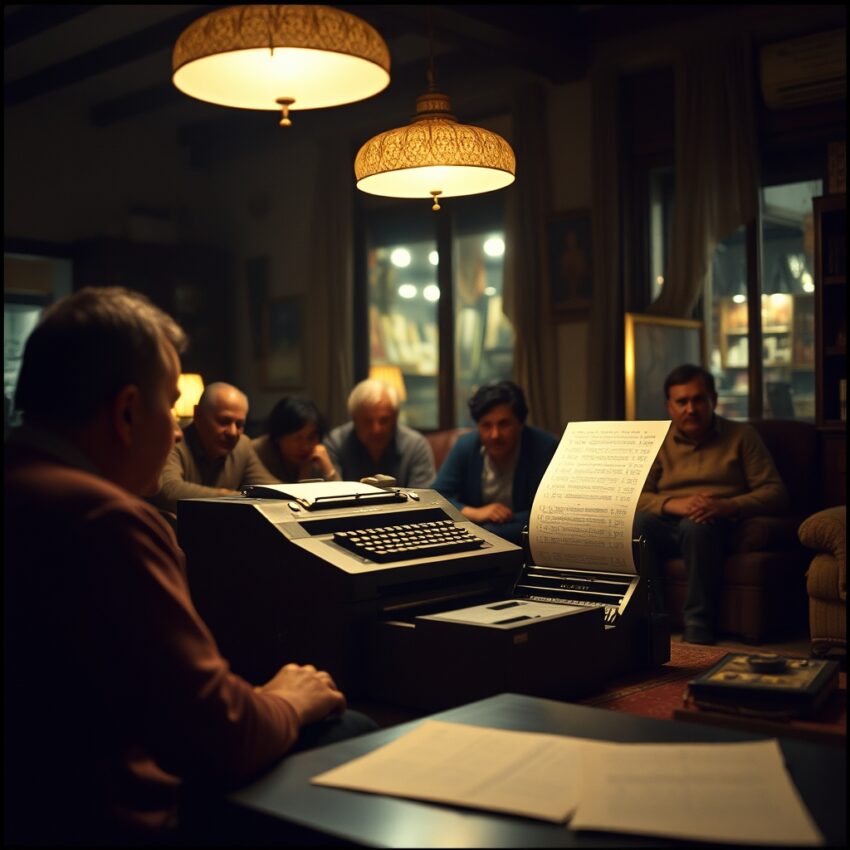
Bazı sesler bir dönemin ev içi hayatını tek başına geri çağırır. Şeritli yazıcının kâğıdı satır satır ilerleten o kesik ritmi de bunlardan biridir. Akşam saatlerinde salonda televizyonun sesi biraz kısılır, masa örtüsünün üstü toparlanır, çocuklar sandalyelerini yaklaştırır, büyükler “bakalım ne çıkacak” diye hafifçe öne eğilirdi. Yazıcının delikli kenarlı kâğıdı makaradan çekilirken yalnız bir belge basılmaz; ailenin merakı da satır satır görünür olurdu. O mekanik tıkırtı, yeni olanla tanışmanın fazla gürültüye ihtiyaç duymayan bir biçimiydi. Çarşıda bilgisayarcı dükkânlarının vitrininden başlayıp evlerin salonlarına kadar uzanan bu alışkanlık, kısa sürede gündelik hayatın tanıdık bir sahnesine dönüştü.
Teknoloji Mirası açısından şeritli yazıcılar, dijitalleşmenin erken evresinde ev ve işyeri arasındaki bağı temsil eder. Çarşı kalabalığının içinde yer alan küçük elektronikçiler, muhasebeciler ve kırtasiyeler bu makinelerin en görünür sahnesiydi. Camın arkasından kıvrılarak çıkan sürekli form kâğıtlar, çocuklar için neredeyse büyülü bir görüntü yaratırdı. Ama asıl unutulmayan, bu cihazların eve taşındığında kazandığı anlamdı. Yazıcı, yalnız ofise ait soğuk bir alet olarak kalmaz; okul ödevlerini, adres listelerini, bayram öncesi davet metinlerini, bazen de ilk bilgisayar oyunlarının komut sayfalarını aile ortamına getirirdi. Böylece teknoloji, gündelik hayatın dışından gelmiş yabancı bir misafir değil; salondaki sessiz heyecana ortak olan yeni bir ev eşyası hâline gelirdi.
Bu alışkanlığın unutulmamasında, baskı sürecinin gözle görünür olması büyük rol oynar. Bugün çoğu çıktı aniden gelir; oysa şeritli yazıcı günlerinde yazının oluşumu neredeyse bir seyirlikti. İğnelerin vurduğu her harf, mürekkep şeridinden geçerek kâğıda değdiğinde insanlar sonucu adım adım izlerdi. “Bir satır daha çıktı” duygusu, teknolojiyi kapalı bir kutu olmaktan çıkarırdı. Salonda toplanan ailelerin sessiz heyecanı biraz da bu ortak tanıklıktan beslenirdi. Çocuk için yazıcının başı küçük bir gösteri alanıydı; baba için düzen ve kayıt hissi, anne için evin içinde modern zamana değmenin somut bir işaretiydi. Kâğıdın kenarındaki delikleri koparmak bile çoğu evde neredeyse törensel bir işti.
Çarşı kalabalığının içinde sokakların hafızasına sinmesi de tesadüf değildir. Çünkü şeritli yazıcı yalnız evde değil, mahalle ekonomisinin de sesi olmuştu. Fatura döken dükkânlar, isim listesi hazırlayan esnaf, okul kayıtları basan kırtasiyeler ve otobüs acentelerinde sürekli akan kâğıtlar; hepsi aynı mekanik ritmi şehrin işlek damarlarına yayardı. İnsan bir sokaktan geçerken içeriden gelen o tıkırtıyı duyduğunda orada bir işin ciddiyetle yürüdüğünü anlardı. Yazıcı sesi, eski şehirde düzenin, kaydın ve hafif bir gelecek duygusunun sesi gibiydi. Evdeki merak ile çarşıdaki çalışma temposu böylece aynı teknoloji çevresinde buluşuyordu.
Bugün bu alışkanlık neden hâlâ unutulmadı diye düşününce, cevap yalnız cihazın kendisinde değil; etrafında kurulan toplu dikkat duygusunda bulunur. Şeritli yazıcılar aileye beklemeyi, oluşumu izlemeyi ve çıktının maddi değerini hissetmeyi öğretmişti. Çarşıya ise düzenli emeğin işitsel imzasını bırakmıştı. Bu yüzden hafızada kalan yalnız delikli kâğıt ya da mekanik ses değil; insanların yeni bir teknolojiye korkuyla değil, dikkatle ve biraz da hayranlıkla yaklaşma biçimidir. Sokakların hafızasına sinen şey, çarşıdaki dükkânlardan salondaki sehpaya kadar uzanan o ölçülü heyecandır. Şeritli yazıcı günleri bugün geride kalsa da, kâğıdın yavaş yavaş belirlediği ortak merak hâli bellekte yaşamayı sürdürüyor.
🇬🇧 English | The Days of Dot-Matrix Printers: Why Was a Habit That Grew with the Quiet Excitement of Families Gathering in the Living Room Not Forgotten, Sinking into the Memory of the Streets Within the Bazaar Crowd?
Some sounds call back the inner life of an entire period on their own. The broken rhythm of a dot-matrix printer advancing paper line by line is one of them. In the evening, the television in the living room would be lowered a little, the tablecloth straightened, children would drag their chairs closer, and the adults would lean forward gently and say, “let’s see what comes out.” As the perforated paper moved through the rollers, it was not only a document being printed; the family’s curiosity was also becoming visible line by line. That mechanical rattling was a way of meeting something new without needing spectacle. Beginning in the windows of computer shops in the crowded bazaar and stretching into the living rooms of homes, this habit soon became a familiar scene of everyday life.
From the perspective of technological heritage, dot-matrix printers represent the bond between home and workplace in the early stages of digitization. Small electronics shops, stationers, and bookkeeping offices in busy market streets were among the most visible stages for these machines. The continuous feed paper curling out behind glass looked almost magical to children. Yet what remained unforgettable was the meaning the printers gained once they entered the home. They did not remain cold office devices. They brought school assignments, address lists, holiday invitation texts, and sometimes even command sheets for early computer games into the family setting. Technology thus ceased to be an alien guest arriving from the outside and became a new household object joining the quiet excitement of the living room.
One reason this habit was not forgotten lies in how visible the printing process was. Today most printouts arrive all at once, but in the age of dot-matrix printers the formation of text was almost something to watch. Every letter struck by the pins, passing through the ink ribbon onto the paper, allowed people to follow the result step by step. The sense that “one more line has appeared” prevented technology from remaining a sealed box. The quiet excitement of families gathering in the living room was nourished by this shared witnessing. For a child, the printer became a miniature performance stage. For a father, it conveyed order and record. For a mother, it offered a concrete sign that modern time had entered the home. Even tearing off the perforated side strips from the paper was, in many houses, almost ceremonial.
Its sinking into the memory of the streets within the bazaar crowd was no coincidence either. The dot-matrix printer became not only a domestic device, but one of the sounds of neighborhood commerce. Shops printing invoices, stationers preparing name lists, school offices producing registrations, and bus agencies where the paper flowed continuously all spread the same mechanical rhythm through the city’s working arteries. Passing through a street and hearing that sound from inside told you that some task was being carried out with seriousness. The noise of the printer was like the sound of order, record, and a mild future-mindedness in the old city. The curiosity at home and the working tempo of the bazaar thus met around the same machine.
When we ask why this habit is still not forgotten today, the answer lies not only in the device, but in the collective attention gathered around it. Dot-matrix printers taught families to wait, to watch a result take shape, and to feel the material value of a printout. They gave the bazaar an audible signature of disciplined labor. What remains in memory is therefore not just the perforated paper or the mechanical sound, but the manner in which people approached new technology not with fear, but with care and a certain admiration. What entered the memory of the streets was that measured excitement stretching from small shops in the market to the coffee table in the living room. The days of dot-matrix printers may be past, yet the shared curiosity created by text appearing slowly on paper continues to live in memory.
🇧🇷 Português (Brasil) | Os Dias das Impressoras Matriciais: Por que um Hábito que Cresceu com a Excitação Silenciosa das Famílias Reunidas na Sala Não Foi Esquecido, Entranhando-se na Memória das Ruas em Meio à Multidão do Bazar?
Alguns sons devolvem sozinhos a vida doméstica de uma época inteira. O ritmo entrecortado da impressora matricial fazendo o papel avançar linha por linha é um deles. À noite, o volume da televisão na sala era abaixado um pouco, a toalha da mesa era ajeitada, as crianças puxavam as cadeiras para perto e os adultos se inclinavam com discrição dizendo: “vamos ver o que sai”. Enquanto o papel com laterais perfuradas corria pelo rolo, não era apenas um documento que estava sendo impresso; a curiosidade da família também surgia linha por linha. Aquele som mecânico era uma forma de encontrar o novo sem precisar de barulho. Começando nas vitrines das lojas de informática em meio ao bazar e chegando às salas das casas, esse hábito logo virou uma cena conhecida do cotidiano.
Do ponto de vista da herança tecnológica, as impressoras matriciais representam o elo entre casa e trabalho nos primeiros momentos da digitalização. Pequenas lojas de eletrônicos, papelarias e escritórios de contabilidade nas ruas movimentadas eram um dos palcos mais visíveis dessas máquinas. O papel contínuo se curvando atrás do vidro parecia quase mágico para as crianças. Mas o que permaneceu inesquecível foi o significado que essas impressoras ganhavam quando entravam em casa. Elas não ficavam como aparelhos frios de escritório. Levavam para o ambiente familiar trabalhos escolares, listas de endereços, textos de convite para datas especiais e às vezes até páginas de comando dos primeiros jogos de computador. Assim, a tecnologia deixava de ser uma visitante estranha vinda de fora e se tornava um novo objeto doméstico participando da excitação silenciosa da sala.
Uma razão para esse hábito não ter sido esquecido está no fato de o processo de impressão ser visível. Hoje a maioria das páginas aparece de uma vez, mas nos dias das impressoras matriciais a formação do texto era quase um espetáculo. Cada letra batida pelos pinos, passando pela fita de tinta até o papel, permitia acompanhar o resultado passo a passo. A sensação de “mais uma linha apareceu” impedia que a tecnologia permanecesse como uma caixa fechada. A excitação silenciosa das famílias reunidas na sala se alimentava justamente dessa testemunha compartilhada. Para a criança, a impressora era um pequeno palco. Para o pai, transmitia ordem e registro. Para a mãe, era um sinal concreto de que o tempo moderno tocava a casa. Até arrancar as faixas perfuradas das laterais do papel era, em muitas famílias, quase um ritual.
O fato de esse hábito ter entrado na memória das ruas em meio à multidão do bazar também não foi por acaso. A impressora matricial não foi apenas um aparelho doméstico, mas também um dos sons da economia do bairro. Lojas emitindo faturas, papelarias montando listas de nomes, secretarias escolares imprimindo registros e agências de ônibus com papel correndo sem parar espalhavam o mesmo ritmo mecânico pelas artérias de trabalho da cidade. Ao passar por uma rua e ouvir aquele som vindo de dentro, a pessoa entendia que ali havia um serviço sendo conduzido com seriedade. O barulho da impressora parecia o som da ordem, do arquivo e de um leve sentimento de futuro na cidade antiga. Assim, a curiosidade da casa e o ritmo de trabalho do bazar se encontravam na mesma tecnologia.
Quando pensamos por que esse hábito ainda não foi esquecido, a resposta está não só no aparelho, mas no sentimento de atenção coletiva construído ao redor dele. As impressoras matriciais ensinaram as famílias a esperar, a observar o resultado tomando forma e a sentir o valor material de uma página impressa. Deram ao bazar uma assinatura sonora de trabalho disciplinado. O que fica na memória não é apenas o papel perfurado ou o ruído mecânico, mas a maneira como as pessoas se aproximavam da tecnologia nova não com medo, e sim com cuidado e um certo encantamento. O que se entranhou na memória das ruas foi essa excitação medida que ia das pequenas lojas da feira até a mesa da sala. Os dias das impressoras matriciais podem ter passado, mas a curiosidade compartilhada criada pelo texto surgindo lentamente no papel continua viva na lembrança.