🇹🇷 Türkçe | Mahalle takviminden düşmeyen bir sahne olarak bayram sabahlarının şehri erkenden uyandırdığı yıllar: neden bugün bile bir sızı gibi hatırlanıyor ıhlamur kokusuna dönen bahçeler
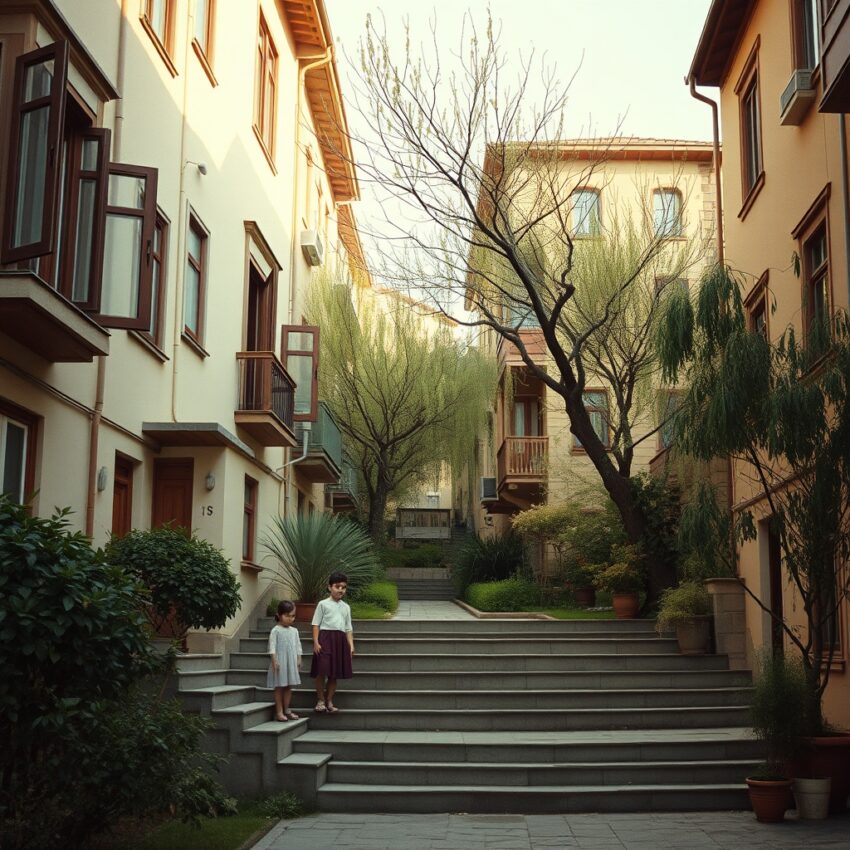
Bazı sabahların sesi ezandan bile önce duyulur. Bayram sabahları eski şehirlerde tam da böyle gelirdi; hava daha serinliğini bırakmamışken pencereler birer birer aralanır, apartman boşluklarına sabunlu su, kolonya ve yeni ütülenmiş gömleklerin kumaş kokusu karışırdı. Sokağa henüz kalabalık inmeden, evlerin içinde tatlı bir telaş başlardı. Çocukların ayakkabıları kapının önüne dizilir, anneler mutfakta son tepsiyi kontrol eder, babalar tıraş olurken aynanın karşısında günün ağırlığını değil, günün anlamını taşırdı. Bahçelerdeki ıhlamur ağaçları rüzgârı hafifçe tuttuğunda, mahalle o sabahın başka bir sabah olmadığını anlar; şehir, neredeyse aynı anda uyanırdı.
Zamanın İzinde açısından bayram sabahlarının şehir hafızasında bu kadar derin yer etmesi tesadüf değildir. Eski gazetelerin bayram sayıları incelendiğinde, manşetlerde çoğu zaman resmi kutlamalar, toplu ziyaretler ve bereket dili öne çıkar; ama asıl kalıcı olan, gündelik hayatta kurulan müşterek ritimdir. Bayram sabahı yalnız takvimde işaretli bir gün değil, şehrin kendini birlikte yeniden düzenlediği bir andı. Fırınlar daha erken açılır, simitçilerin ve sütçülerin geçiş saatleri bile değişir, camilerden dönen insanların ayak sesi ara sokaklara yumuşak bir kalabalık gibi yayılırdı. Toplumsal dönüşümler, kent yaşamının temposunu sonraki yıllarda ne kadar değiştirmiş olursa olsun, o sabahların ortak uyanış duygusu hafızada bütün hâliyle kaldı.
Bu sahnenin etkisi biraz da bayramın ev ile sokak arasındaki sınırı inceltmesinden gelirdi. Normal günlerde içeriye ait olan özen, bayram sabahı eşikten dışarı taşardı. Kapı önleri yıkanır, merdiven boşlukları süpürülür, apartman girişine kadar yayılan temizlik hissi komşuluk ilişkisinin sessiz bir ilanı gibi görünürdü. Çocuklar ceplerindeki mendili ve harçlık beklentisini aynı anda taşırken, büyükler hangi akrabanın önce ziyaret edileceğini konuşurdu. Mahalle bakkalı kepengi yarım açık bırakır, berber dükkânı o gün çalışmasa bile önünden geçerken selam verilir, herkes birbirinin yüzünde aynı sabahın izini okurdu. Şehrin erkenden uyanması, bir zorunluluktan değil, müşterek bir nezaketten kaynaklanıyordu sanki.
Ihlamur kokusuna dönen bahçeler bu yüzden yalnız bir doğa ayrıntısı değildir; hatıranın yumuşak merkezidir. Bahar ile yaz arasında kalan o ince mevsimde, bayram sabahı bahçeye çıkan biri nemli toprağın, yeni sulanmış saksıların ve açık pencerelerden taşan börek kokusunun aynı havada buluştuğunu duyardı. O an, aile ile mahalleyi birbirine bağlayan görünmez bir dikiş gibiydi. Misafirlik için hazırlanmış tabaklar, ütülü örtüler, şekerlikler ve kolonya şişeleri ev içi düzeni temsil ederken, bahçeden yükselen ıhlamur kokusu bütün bu düzenin dışarıyla konuşan tarafı olurdu. Bu yüzden yıllar sonra bile bayram sabahları çoğu insanın zihninde bir görüntüden çok bir koku olarak belirir; hafızanın en dirençli katı bazen tam da budur.
Bugün o sabahların neden hafif bir sızıyla hatırlandığını sorduğumuzda, cevap kaybolan eşyadan ya da değişen şehirden daha geniştir. Asıl özlenen şey, aynı anda uyanan bir topluluğun hissidir. Herkesin birbirinden haberdar olduğu, aynı günün önemini aynı beden diliyle taşıdığı, kapıların ve bahçelerin birbirine daha yakın göründüğü bir düzen… Bayram sabahları, şehri erkenden uyandırırken insanlara yalnız dini ya da geleneksel bir görev değil, birlikte yaşamanın inceliğini de hatırlatıyordu. Ihlamur kokusuna dönen bahçeler bugün hâlâ iç burkutarak anılıyorsa, bu biraz da o sabahların şehir hayatına geçicilik değil devamlılık duygusu vermesindendir. Bir mahalle takviminden düşmeyen sahne olarak kalmalarının sebebi tam da budur.
🇬🇧 English | As a Scene That Never Fell Off the Neighborhood Calendar, the Years When Holiday Mornings Woke the City Early: Why Are Gardens Turning into the Scent of Linden Still Remembered Like an Ache Today?
Some mornings are heard even before the call to prayer. Holiday mornings in older cities arrived exactly like that. While the air had not yet given up its coolness, windows opened one by one, and the smell of soapy water, cologne, and freshly ironed shirts drifted through apartment stairwells. Before the streets had fully filled, a gentle urgency began inside the homes. Children’s shoes were lined up by the door, mothers checked the last tray in the kitchen, and fathers shaving in the mirror seemed to carry not the burden of the day, but its meaning. When the linden trees in the gardens caught the breeze, the neighborhood understood that this was no ordinary morning. The city seemed to wake almost all at once.
From the perspective of time and memory, it is no accident that holiday mornings occupy such a deep place in urban remembrance. If one looks at old newspaper holiday editions, the headlines usually emphasize official visits, public celebrations, and the language of abundance. Yet what lasts is the shared rhythm established in everyday life. A holiday morning was not simply a marked date on the calendar. It was a moment when the city arranged itself together once again. Bakeries opened earlier, even the passing hours of simit sellers and milkmen shifted, and the footsteps of people returning from the mosque spread through side streets like a soft crowd. No matter how much social transformation later changed the tempo of urban life, the feeling of waking together on those mornings remained intact in memory.
Part of the scene’s power came from the way the holiday blurred the line between home and street. Care that normally belonged indoors crossed the threshold outside. Doorsteps were washed, stairwells swept, and the feeling of cleanliness extending to the apartment entrance looked almost like a quiet declaration of neighborliness. Children carried both their handkerchiefs and their expectation of holiday coins in their pockets, while adults discussed which relatives would be visited first. The neighborhood grocer kept the shutter half open, and even if the barber shop was closed that day, one still greeted it while passing by. Everyone read the trace of the same morning on one another’s faces. The city woke early not out of obligation, but out of a shared courtesy.
That is why gardens turning into the scent of linden are not merely a natural detail. They are the soft center of memory itself. In that fine season between spring and summer, anyone stepping into the garden on a holiday morning would sense damp soil, freshly watered pots, and the smell of pastries drifting from open windows in the same air. That moment was like an invisible stitch binding family and neighborhood together. Plates prepared for guests, ironed tablecloths, sugar bowls, and bottles of cologne represented domestic order, while the rising scent of linden became the part of that order that spoke to the outdoors. Perhaps for this reason, holiday mornings appear in many minds years later less as an image than as a fragrance. Sometimes the most durable layer of memory is exactly that.
When we ask today why those mornings are remembered with a slight ache, the answer reaches beyond lost objects or changed streets. What is truly missed is the feeling of a community waking at the same time. A way of life in which everyone knew of one another, carried the importance of the same day in the same bodily language, and saw doors and gardens standing closer together. While holiday mornings woke the city early, they also reminded people not only of a religious or traditional duty, but of the delicacy of living together. If gardens turning into the scent of linden still stir the heart, it is because those mornings gave city life not a sense of passing, but of continuity. That is precisely why they remained a scene that never fell off the neighborhood calendar.
🇧🇷 Português (Brasil) | Como uma Cena que Nunca Saía do Calendário do Bairro, os Anos em que as Manhãs de Festa Acordavam a Cidade Bem Cedo: Por Que os Jardins que Viravam Cheiro de Tília Ainda São Lembrados Como uma Dor Suave?
Há manhãs cujo som chega antes até do chamado para a oração. Nas cidades antigas, as manhãs de festa vinham exatamente assim. Quando o ar ainda não tinha perdido o frescor, as janelas se abriam uma a uma, e o cheiro de água com sabão, colônia e camisas recém-passadas se misturava pelos corredores e escadas. Antes de a rua ficar cheia, começava dentro das casas uma pressa doce. Os sapatos das crianças eram alinhados perto da porta, as mães conferiam a última assadeira na cozinha, e os pais diante do espelho, fazendo a barba, pareciam carregar não o peso do dia, mas o seu sentido. Quando as tílias dos jardins seguravam levemente o vento, o bairro entendia que aquela não era uma manhã qualquer. A cidade despertava quase ao mesmo tempo.
No rastro do tempo, não é por acaso que essas manhãs de festa ocupam lugar tão fundo na memória urbana. Quando se observam os velhos jornais de feriado, as manchetes geralmente destacam visitas oficiais, celebrações coletivas e uma linguagem de fartura. Mas o que permanece é o ritmo comum criado na vida cotidiana. A manhã de festa não era apenas uma data marcada no calendário. Era um instante em que a cidade se arrumava de novo em conjunto. As padarias abriam mais cedo, até os horários do vendedor de simit e do leiteiro mudavam, e os passos das pessoas voltando da oração se espalhavam pelas ruas menores como uma multidão suave. Por mais que as transformações sociais tenham mudado depois o compasso da vida urbana, a sensação de acordar junto nessas manhãs ficou inteira na lembrança.
Parte da força dessa cena vinha do fato de a festa afinar a fronteira entre a casa e a rua. O cuidado que normalmente pertencia ao interior atravessava o limiar. Lavavam-se as entradas, varriam-se as escadas, e aquela sensação de limpeza chegando até a porta do prédio parecia uma declaração silenciosa de boa vizinhança. As crianças carregavam no bolso ao mesmo tempo o lenço e a expectativa de ganhar moedas, enquanto os adultos combinavam quais parentes seriam visitados primeiro. O merceeiro do bairro deixava a porta meio aberta, e mesmo que a barbearia não funcionasse naquele dia, ainda se cumprimentava o lugar ao passar. Todos liam no rosto dos outros a marca da mesma manhã. A cidade acordava cedo não por obrigação, mas por uma cortesia compartilhada.
Por isso os jardins que viravam cheiro de tília não são apenas um detalhe da natureza. Eles são o centro macio da memória. Naquela estação fina entre a primavera e o verão, quem saía ao jardim numa manhã de festa percebia o encontro do cheiro de terra úmida, dos vasos recém-regados e dos quitutes que escapavam das janelas abertas. Esse instante era como uma costura invisível ligando família e bairro. Pratos preparados para as visitas, toalhas passadas, açucareiros e frascos de colônia representavam a ordem da casa, enquanto o perfume da tília era a parte dessa ordem que conversava com o lado de fora. Talvez por isso, anos depois, a manhã de festa volte à mente menos como imagem e mais como cheiro. Às vezes a camada mais resistente da memória é exatamente essa.
Quando perguntamos hoje por que essas manhãs são lembradas com uma dor suave, a resposta vai além dos objetos perdidos ou das cidades transformadas. O que se sente falta, de fato, é da experiência de uma comunidade acordando junta. Um modo de vida em que todos sabiam uns dos outros, carregavam a importância do mesmo dia no mesmo gesto e viam portas e jardins mais próximos entre si. Ao acordar a cidade bem cedo, a manhã de festa lembrava às pessoas não apenas um dever religioso ou tradicional, mas a delicadeza de viver em comum. Se os jardins transformados em cheiro de tília ainda apertam o peito, é porque aquelas manhãs davam à vida urbana não uma sensação de passagem, mas de continuidade. É exatamente por isso que permaneceram como uma cena que nunca saía do calendário do bairro.