🇹🇷 Türkçe | sumaklı kısır günleri: mevsim geçişlerinde neden daha da anlam kazanıyor
Bir zamanlar mevsimlerin tam değiştiği günlerde evlerin mutfaklarında başka türlü bir telaş olurdu. Kışın ağırlığı çekilirken ya da yazın bunaltıcı sıcakları henüz kapıya dayanmamışken, kadınlar öğle vakti için kısır yoğurur, ince bulgurun suyla yumuşamasını beklerken masanın üstüne yeşillikleri dizerdi. Sumaklı kısır günleri, yalnız bir tarifin hazırlanması değil; mevsim değişiminin ev içi dilde karşılık bulmasıydı. Ekşilikle ferahlık arasında kurulan o tanıdık denge, tam da havanın kararsızlaştığı, gardıropların değiştiği, perdelerin yıkandığı ve evde küçük yenilenme hislerinin dolaştığı zamanlara yakışırdı. Bugün bu günlerin daha anlamlı görünmesinin nedeni, kısırın yalnız yenilen bir şey olmaması; sohbeti, komşuluğu ve mevsim duygusunu aynı sofrada toplamasıdır.
Damak Hafızası bakımından sumaklı kısır, geçmiş mutfak kültüründe gündelik olanla tören arasındaki o ince çizgide durur. Ne bütünüyle bayram yemeğidir ne de sıradan bir akşam çorbası. Daha çok, kadınların bir araya geldiği gün toplantılarında, komşu ziyaretlerinde, okul dönüşü ikramlarında ve mevsimin değiştiğini haber veren ev buluşmalarında kendine yer bulur. Kısırın tepside yoğrulması, nar ekşisinin dikkatle ayarlanması, taze nane, maydanoz ve yeşil soğanın bol tutulması; hepsi birlikte o günün ev sahibinin özenini gösterirdi. Sumak ise yalnız tat veren bir malzeme değil, yemeğin hafızasında belirleyici bir imzaydı. Hafif buruk, canlı ve serinletici etkisiyle kısırı mevsim geçişlerine en çok yakışan sofralardan biri haline getirirdi. Çünkü bu tat, tam da havanın ve ruh halinin değiştiği günlerde insanın aradığı tazeliği taşırdı.
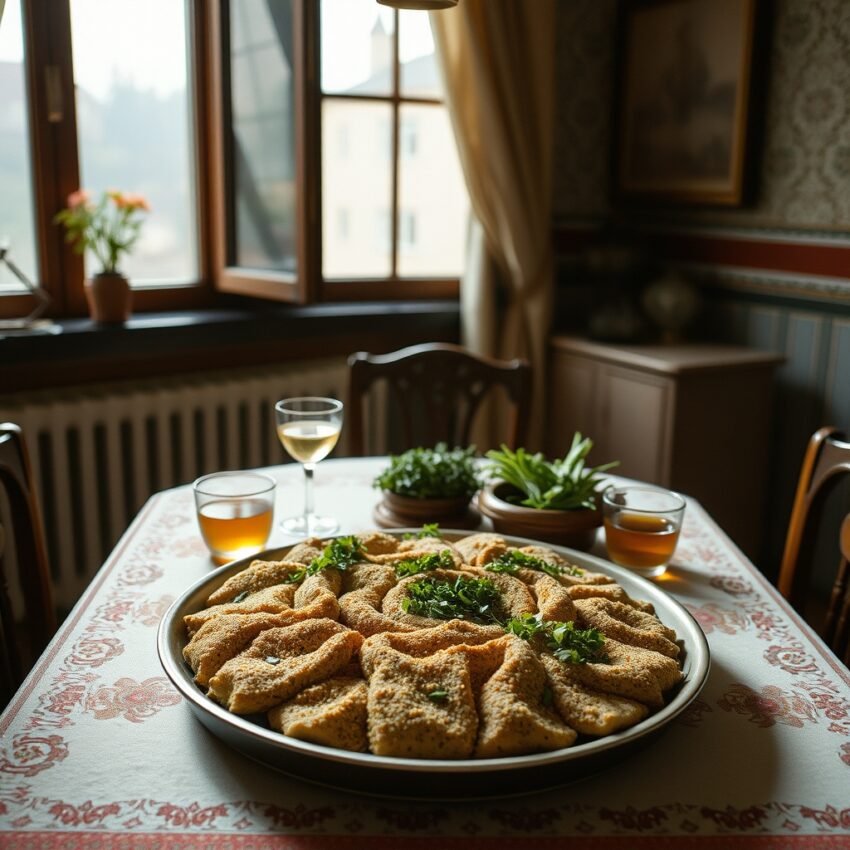
Sumaklı kısır günlerinin anlamı biraz da etrafında kurulan sosyal ritüelden gelir. Masa örtüsü açılır, küçük tabaklar dizilir, çayın altı yakılır, bir köşede kek ya da kurabiye de hazırlanırdı; ama çoğu zaman sohbetin merkezine yine kısır otururdu. Tepsiden kaşığa alınan her porsiyon, sadece bir lezzet değil, ev içi emeğin görünür hale gelmesiydi. Kim daha bol limon sever, kim marulu yanında ister, kim acıyı az tutardı; bütün bunlar bilinir, ikram da buna göre yapılırdı. Mevsim geçişlerinde bu sofraların çoğalması tesadüf değildi. Çünkü insanlar tam da o günlerde birbirine uğramaya, evleri havalandırmaya, bir tür iç ferahlığı paylaşmaya daha çok ihtiyaç duyardı. Kısır, bu ihtiyaca hem ekonomik hem cömert hem de çok sesli bir cevap verirdi. İçinde tek bir malzemenin değil, bir araya gelmenin mantığı vardı.
Geçmişe bakınca sumaklı kısır günlerinin daha anlamlı görünmesinin bir başka nedeni, mutfağın mevsimle kurduğu ilişkiyi açıkça göstermesidir. Kış yemeklerinin ağır tencerelerinden sonra daha yeşil, daha canlı ve daha hareketli bir tabak arzusu başlardı. Yaz gelmeden önce insanın damağı biraz ekşilik, biraz tazelik, biraz da kalabalık sofranın neşesini isterdi. Sumaklı kısır tam bu eşiğin yemeğiydi. Onu hatırlarken sadece lezzeti değil, mutfakta ince bulgurun şişmesini bekleyen sabrı, doğranan demet demet maydanozu, yoğurma sırasında avuç içine sinen kokuyu ve tepsinin sofraya gelişini de hatırlarız. Bir yemeği anlamlı kılan çoğu zaman tarifinin ötesindeki bu hazırlık sahneleridir. Kısır, mevsim değişimini yalnız duyuran değil, yenilebilir hale getiren bir ev geleneği gibi çalışırdı.
Bugün hâlâ bir yerde sumaklı kısır ikram edildiğinde, birçok insanın yüzünde aynı tanıdık yumuşama belirir. Çünkü o tat, yalnız damağa değil, sosyal hafızaya da dokunur. İçinde komşu günlerinin sesi, tabak şıngırtısı, çay bardaklarının buğusu, pencereden giren bahar rüzgârı ve ev sahibinin “biraz daha al” ısrarı vardır. Mevsim geçişlerinde daha da anlam kazanmasının sebebi budur: kısır, değişen havaya karşı evin kurduğu sıcak cevaptır. Geçmiş mutfak kültüründe bazı yemekler karın doyurur, bazıları ise zamanı işaretler. Sumaklı kısır günleri ikinci türe girer. O günler, mevsimin yalnız takvimde değil, sofrada ve sohbette de değiştiğini anlatır. Bu yüzden bugün bile sadece hatırlanmaz; aynı zamanda içten içe özlenir.
🇬🇧 English | Sumac Kısır Days: Why Do They Gain Even More Meaning During Seasonal Transitions?
There was a time when kitchens became restless in a different way on the days when the seasons were truly changing. As the heaviness of winter receded or before the oppressive heat of summer fully arrived, women prepared kısır for the midday table, waiting for the fine bulgur to soften while arranging fresh herbs across the counter. Days of sumac kısır were not simply about making a recipe; they were the domestic language through which a seasonal shift found expression. That familiar balance between tartness and freshness suited the uncertain days when wardrobes were changing, curtains were being washed, and a quiet sense of renewal moved through the house. The reason those days seem more meaningful today is that kısır was never only something to eat. It gathered conversation, neighborliness, and the feeling of the season at the same table.
From the perspective of taste memory, sumac kısır stood on that delicate line between the everyday and the ceremonial in past kitchen culture. It was neither entirely a feast dish nor an ordinary weekday soup. Rather, it found its place in women’s gathering days, visits between neighbors, after-school treats, and small household meetings that announced the turn of the season. The way it was kneaded in a tray, the careful balance of pomegranate molasses, and the abundance of mint, parsley, and green onion all showed the attentiveness of the host. Sumac was not only a seasoning, but a defining signature in the memory of the dish. With its slightly sharp, lively, cooling note, it made kısır one of the tables best suited to seasonal transitions. That flavor carried precisely the freshness people sought on days when both weather and mood were shifting.
The meaning of sumac kısır days also comes from the social ritual built around them. The tablecloth was spread, small plates were arranged, tea was set on the stove, and somewhere a cake or cookies were prepared as well, yet conversation almost always gathered around the kısır. Each spoonful lifted from the tray made visible not only flavor, but household labor itself. It was known who preferred more lemon, who wanted lettuce on the side, who liked the spice kept gentle, and the serving followed these small personal truths. It was no coincidence that such tables multiplied during transitional seasons. At exactly those times, people felt a stronger need to visit one another, air out their homes, and share a kind of inner freshness. Kısır answered that need in a way that was economical, generous, and full of many voices at once. Its logic belonged not to a single ingredient, but to gathering.
Another reason sumac kısır days look more meaningful in memory is that they reveal clearly how the kitchen once related to the season itself. After the heavy pots of winter, there arose a desire for something greener, livelier, and more mobile on the plate. Before summer arrived, the palate wanted a little tartness, a little freshness, and the cheer of a crowded table. Sumac kısır was the food of exactly that threshold. When we remember it, we recall not only the taste, but also the patience of waiting for fine bulgur to swell, the bunches of parsley being chopped, the scent settling into the palms while kneading, and the tray being carried to the table. What gives a dish meaning is often these scenes of preparation beyond the recipe itself. Kısır worked like a domestic tradition that did not merely announce the change of season, but made it edible.
Even today, when sumac kısır is served somewhere, the same familiar softening appears on many faces. That taste touches not only the palate, but social memory. It contains the sound of neighbor gatherings, the clink of plates, the mist rising from tea glasses, the spring breeze entering through the window, and the host’s insistence that one should take a little more. This is why it gains even more meaning during seasonal transitions: kısır is the warm answer a home offers to changing weather. In the kitchen culture of the past, some dishes fed the body, while others marked time itself. Days of sumac kısır belonged to the second kind. They showed that the season was changing not only on the calendar, but also at the table and inside conversation. That is why they are not merely remembered today, but deeply missed.
🇧🇷 Português (Brasil) | Dias de Kısır com Sumagre: Por Que Ganham Ainda Mais Sentido nas Mudanças de Estação?
Houve um tempo em que as cozinhas ganhavam uma agitação diferente nos dias em que a estação realmente mudava. Quando o peso do inverno começava a sair ou antes de o calor forte do verão bater à porta, as mulheres preparavam kısır para o almoço, esperando o bulgur fino amolecer enquanto espalhavam ervas frescas sobre a mesa. Os dias de kısır com sumagre não eram apenas o preparo de uma receita; eram a forma doméstica de dar voz à mudança da estação. Aquele equilíbrio conhecido entre acidez e frescor combinava exatamente com os dias indecisos em que se trocavam roupas, se lavavam cortinas e um pequeno sentimento de renovação circulava pela casa. Se hoje esses dias parecem mais significativos, é porque o kısır nunca foi apenas algo para comer. Ele reunia conversa, vizinhança e a sensação da estação na mesma mesa.
Do ponto de vista da memória do paladar, o kısır com sumagre ocupava aquela linha delicada entre o cotidiano e a ocasião especial na antiga cultura da cozinha. Não era um prato totalmente festivo, nem uma sopa comum de fim de tarde. Seu lugar aparecia nas reuniões femininas, nas visitas entre vizinhas, nos lanches depois da escola e nos encontros domésticos que anunciavam a virada do tempo. O modo como era sovado na bandeja, o cuidado com a quantidade de melaço de romã e a fartura de hortelã, salsinha e cebolinha mostravam o capricho da anfitriã. O sumagre não era apenas um tempero, mas uma assinatura decisiva na memória do prato. Com seu toque levemente ácido, vivo e refrescante, ele fazia do kısır uma das mesas mais adequadas às mudanças de estação. Esse sabor carregava exatamente o frescor que as pessoas buscavam quando o tempo e o humor também mudavam.
O significado dos dias de kısır com sumagre também nasce do ritual social formado ao redor deles. A toalha era aberta, os pratos pequenos eram colocados, o chá ia ao fogo e, em algum canto, um bolo ou biscoitos também eram preparados; ainda assim, a conversa quase sempre acabava girando em torno do kısır. Cada colher servida da bandeja tornava visível não apenas o sabor, mas o trabalho doméstico. Sabia-se quem preferia mais limão, quem gostava de alface ao lado, quem queria menos pimenta, e a oferta seguia essas pequenas verdades pessoais. Não era coincidência que essas mesas se multiplicassem nas mudanças de estação. Exatamente nesses dias, as pessoas sentiam mais vontade de visitar umas às outras, ventilar a casa e compartilhar uma espécie de frescor interior. O kısır respondia a essa necessidade de forma econômica, generosa e cheia de vozes ao mesmo tempo. Sua lógica pertencia menos a um ingrediente isolado e mais ao encontro.
Outra razão para que esses dias pareçam mais cheios de sentido quando olhamos para trás é o fato de mostrarem claramente como a cozinha se relacionava com a estação. Depois das panelas pesadas do inverno, surgia o desejo de algo mais verde, mais vivo e mais leve no prato. Antes de o verão chegar, o paladar pedia um pouco de acidez, um pouco de frescor e a alegria de uma mesa cheia. O kısır com sumagre era a comida exata desse limiar. Quando o lembramos, não recordamos apenas o sabor, mas também a paciência de esperar o bulgur inchar, os maços de salsinha sendo picados, o cheiro que ficava nas mãos durante a mistura e a bandeja chegando à mesa. Muitas vezes, o que torna um prato significativo são essas cenas de preparo que existem além da receita. O kısır funcionava como uma tradição doméstica que não apenas anunciava a mudança da estação, mas a tornava comestível.
Ainda hoje, quando se serve kısır com sumagre em algum lugar, o mesmo amolecimento conhecido aparece no rosto de muita gente. Porque esse sabor toca não apenas o paladar, mas também a memória social. Dentro dele estão o som das reuniões de vizinhas, o tilintar dos pratos, o vapor dos copos de chá, a brisa de primavera entrando pela janela e a insistência da dona da casa para que se coma mais um pouco. É por isso que ele ganha ainda mais sentido nas mudanças de estação: o kısır é a resposta calorosa da casa ao tempo que muda. Na antiga cultura da cozinha, alguns pratos alimentavam o corpo, enquanto outros marcavam o tempo. Os dias de kısır com sumagre pertencem a esse segundo tipo. Eles mostravam que a estação mudava não apenas no calendário, mas também à mesa e na conversa. Por isso não são apenas lembrados hoje; são sentidos com saudade.