🇹🇷 Türkçe | cam gazoz şişesi ve çeyiz odasında büyüyen bekleyişi: nasıl bir aile mirasına dönüştü
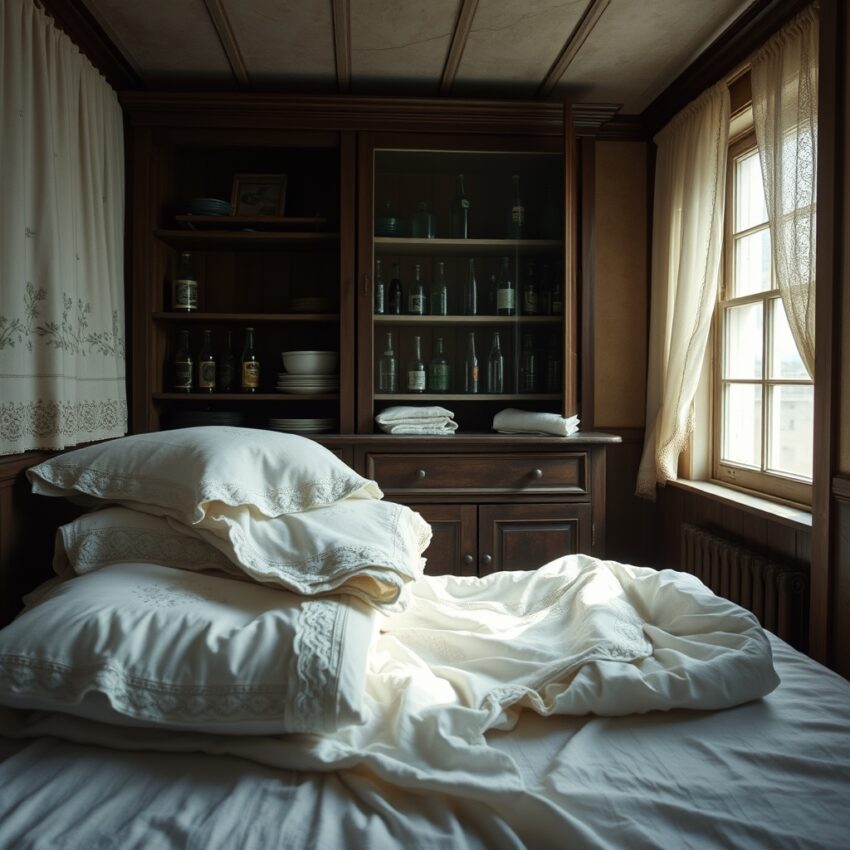
Bir zamanlar bazı evlerde çeyiz odaları yalnız kullanılmayan eşyaların değil, saklanmış zamanın da odasıydı. Güneş öğleden sonra pencerenin kenarından süzülürken işlemeli bohçalar, dantel örtüler, kristal şekerlikler ve özenle kaldırılmış cam gazoz şişeleri aynı sessizlik içinde beklerdi. O şişeler, sadece içilip bitmiş bir içeceğin geride kalan kabı değildi; nişan, bayram, misafirlik ya da düğün hazırlığı gibi özel günlerin hafif parıltısını üzerinde taşıyan küçük hatıra nesneleriydi. Çeyiz odasında büyüyen bekleyiş biraz da bu nesnelerin etrafında şekillenirdi; çünkü her biri gelecekte kurulacak sofraların, açılacak sandıkların ve yeni bir ailenin gündelik düzeninin önceden hazırlanmış işareti sayılırdı.
Obje Hikayeleri açısından cam gazoz şişesi, tasarımı kadar dolaşımıyla da anlam kazanan bir nesnedir. Kalın camın serinliği, kabartmalı yazılar, ince boyun, metal kapak izi ve ışığa tutulduğunda görünen hafif renk, onu sıradan bir mutfak objesinden ayırır. Fakat bu şişenin aile mirasına dönüşmesi estetikten çok ev içindeki kullanım terbiyesiyle ilgilidir. Şişe atılmaz, saklanır, bazen tekrar doldurulur, bazen vitrinde bekletilir, bazen de çeyiz arasında ileride “lazım olur” düşüncesiyle yerini alırdı. Nesnenin değeri, yalnız maddesinde değil; ona yüklenen ihtimalde saklıydı. Bir gün kurulacak sofrada kullanılma ihtimali, onu bekleyen bir objeye dönüştürürdü.
Bu bekleyişin aile içinde taşıdığı anlam kuşaktan kuşağa aktarılırdı. Genç kızın çeyizi hazırlanırken büyükler hangi bardak takımının, hangi örtünün, hangi şişenin uygun olacağını konuşur, her eşya için küçük bir gelecek senaryosu kurulurdu. Cam gazoz şişesi bazen misafire şerbet koymak için, bazen masada zarif dursun diye, bazen de evin yeni düzenine eski bir alışkanlığı taşısın diye saklanırdı. Çocuklar için o oda biraz dokunulmaz, biraz merak uyandırıcıydı; orada duran nesneler hem tanıdık hem de erişilmez görünürdü. Bu yüzden çeyiz odasında büyüyen bekleyiş, yalnız evlenme hazırlığının değil, aile içinde gelecek fikrinin nasıl somutlaştırıldığının da hikâyesidir. Nesneler konuşmazdı ama hepsi ileride kurulacak hayat adına sessizce sıraya dizilirdi.
Cam gazoz şişesinin aile mirasına dönüşmesinde, gündelik ile törensel olanı bir arada taşıması da etkili oldu. O şişe mahalle bakkalından alınan serin bir içeceğin hatırasını taşıyabilir, ama aynı zamanda bayram günü tepsiye konulup daha özenli bir sofraya da eşlik edebilirdi. Tam da bu geçişkenlik, onu ev içinde kalıcı kıldı. Bir yandan modernleşen tüketim kültürünün işaretiydi; diğer yandan eski saklama, yeniden kullanma ve anlam yükleme alışkanlıklarının parçasıydı. Bu yüzden yıllar sonra çeyiz odasındaki cam gazoz şişesine bakıldığında, insanlar yalnız bir nesneyi değil; bir dönemin tasarruf anlayışını, estetik zevkini ve aile kurma tahayyülünü de görür oldu.
Bugün pek çok evde çeyiz odalarının yerini başka düzenler almış olsa da, o odalarda büyüyen bekleyişin duygusu bütünüyle kaybolmadı. Cam gazoz şişesi nasıl bir aile mirasına dönüştü sorusunun cevabı, nesnenin çok değerli olmasından çok, aile içinde gelecek zamanın taşıyıcısı olmasında yatıyor. Beklemek, saklamak, uygun zamanı kollamak ve bir nesneyi kullanımının ötesinde anlamla korumak, eski ev kültürünün en belirgin alışkanlıklarındandı. Bu yüzden cam gazoz şişesi bugün yeniden hatırlandığında, insanın aklına yalnız serin bir içecek değil; çeyiz odasının hafif tozlu ışığı, bohçaların sessizliği ve ailelerin geleceği eşyalara emanet etme biçimi geliyor.
🇬🇧 English | The Glass Soda Bottle and the Waiting That Grew in the Dowry Room: How Did It Turn into a Family Heritage
There was a time when dowry rooms in certain homes held not only unused objects, but stored time itself. As afternoon sunlight slipped past the edge of the window, embroidered bundles, lace covers, crystal sugar bowls, and carefully put away glass soda bottles all waited in the same silence. Those bottles were not merely the containers left behind after a drink had been finished. They carried on their surface the faint gleam of special occasions such as engagements, holidays, visits, or wedding preparations. The waiting that grew inside the dowry room took shape partly around such objects, because each of them was seen as an advance sign of future tables to be laid, chests to be opened, and a new family order yet to be formed.
From the perspective of object stories, the glass soda bottle is an item whose meaning comes as much from its circulation as from its design. The cool weight of thick glass, embossed lettering, the slender neck, the trace of a metal cap, and the slight tint visible when held to the light distinguish it from an ordinary kitchen object. Yet the transformation of that bottle into family heritage has less to do with beauty than with the domestic discipline surrounding its use. It was not thrown away; it was kept, sometimes refilled, sometimes displayed in a cabinet, sometimes placed among dowry goods with the thought that it might be needed later. Its value lay not only in its material, but in the possibility attached to it. The possibility of being used one day on a carefully prepared table turned it into an object of waiting.
The meaning of that waiting was passed from one generation to another. While a young woman’s dowry was being assembled, elders discussed which set of glasses, which cloth, which bottle would be suitable, and a small future scenario was imagined for each item. The glass soda bottle might be kept for serving sherbet to guests, for looking elegant on the table, or for carrying an old habit into a new household order. For children, that room seemed slightly untouchable and deeply intriguing; the objects standing there looked both familiar and inaccessible. For that reason, the waiting that grew in the dowry room tells not only of preparation for marriage, but also of how the idea of the future was made tangible within the family. The objects did not speak, yet all of them stood quietly in line on behalf of a life that had not yet begun.
Another reason the glass soda bottle became family heritage is that it carried the ordinary and the ceremonial at once. The same bottle could hold the memory of a cold drink bought from the neighborhood grocer, yet also appear on a more elegant tray during a holiday gathering. It was precisely that fluid passage between daily life and occasion that made it permanent within the home. On one hand it signaled a modernizing culture of consumption; on the other, it belonged to older habits of preserving, reusing, and assigning meaning. That is why, years later, when people looked at a glass soda bottle in the dowry room, they saw not only an object, but a period’s understanding of thrift, aesthetic taste, and the imagined shape of family life.
Even if dowry rooms have largely given way to other arrangements today, the feeling of waiting that once grew in them has not disappeared entirely. The answer to how the glass soda bottle turned into family heritage lies less in the object being precious than in its becoming a carrier of future time within the household. Waiting, storing, saving something for the right moment, and preserving an object with meaning beyond its use were among the most distinctive habits of older domestic culture. That is why, when the glass soda bottle is remembered today, what comes to mind is not only a chilled drink, but also the lightly dusty light of the dowry room, the silence of wrapped linens, and the way families entrusted the future to objects.
🇧🇷 Português (Brasil) | A Garrafa de Refrigerante de Vidro e a Espera que Cresceu no Quarto do Enxoval: Como se Transformou em um Legado de Família
Houve um tempo em que os quartos do enxoval em certas casas guardavam não apenas objetos pouco usados, mas o próprio tempo armazenado. Quando a luz da tarde entrava pela janela, trouxas bordadas, rendas, açucareiros de cristal e garrafas de refrigerante de vidro cuidadosamente guardadas esperavam no mesmo silêncio. Essas garrafas não eram apenas recipientes deixados depois que a bebida acabava. Levavam em sua superfície um brilho discreto de dias especiais, como noivados, festas, visitas ou preparativos de casamento. A espera que crescia dentro do quarto do enxoval se formava em parte ao redor desses objetos, porque cada um deles era visto como sinal antecipado das mesas que ainda seriam postas, dos baús que ainda seriam abertos e de uma nova ordem familiar que ainda se formaria.
Pela ótica das histórias dos objetos, a garrafa de refrigerante de vidro é uma peça cujo sentido vem tanto de sua circulação quanto de seu desenho. O peso fresco do vidro grosso, as letras em relevo, o pescoço estreito, a marca da tampa metálica e a leve tonalidade percebida contra a luz a diferenciam de um simples utensílio de cozinha. Mas a transformação dessa garrafa em legado familiar tem menos a ver com beleza e mais com a disciplina doméstica que a cercava. Ela não era descartada; era guardada, às vezes reutilizada, às vezes exposta na vitrine, às vezes colocada entre as peças do enxoval com a ideia de que poderia servir no futuro. Seu valor não estava apenas no material, mas na possibilidade depositada nela. A possibilidade de ser usada um dia numa mesa preparada com cuidado fazia dela um objeto de espera.
O sentido dessa espera passava de geração em geração. Enquanto o enxoval de uma jovem era preparado, os mais velhos discutiam qual conjunto de copos, qual toalha, qual garrafa seria mais adequada, e um pequeno cenário de futuro era imaginado para cada peça. A garrafa podia ser guardada para servir um sherbet aos convidados, para ficar elegante sobre a mesa, ou para levar um costume antigo para dentro de uma casa nova. Para as crianças, aquele quarto parecia ao mesmo tempo intocável e fascinante; os objetos ali eram familiares, mas também distantes. Por isso, a espera que crescia no quarto do enxoval conta não apenas a preparação para o casamento, mas também a maneira como a ideia de futuro se tornava concreta dentro da família. Os objetos não falavam, mas todos ficavam quietamente alinhados em nome de uma vida que ainda viria.
Outra razão para a garrafa de vidro ter se transformado em legado familiar foi sua capacidade de carregar o cotidiano e o cerimonial ao mesmo tempo. A mesma garrafa podia guardar a memória de uma bebida comprada no armazém do bairro e também aparecer numa bandeja mais caprichada em dia de festa. Foi justamente essa passagem entre o comum e o especial que a tornou duradoura dentro da casa. De um lado, era sinal de uma cultura de consumo em modernização; de outro, fazia parte de hábitos antigos de guardar, reutilizar e atribuir sentido. Por isso, anos depois, ao olhar para uma garrafa dessas no quarto do enxoval, as pessoas viam não apenas um objeto, mas também a ideia de economia, gosto estético e imaginação de vida familiar de toda uma época.
Mesmo que os quartos do enxoval tenham cedido lugar a outras formas de organização hoje, o sentimento de espera que crescia neles não desapareceu por completo. A resposta para como a garrafa de refrigerante de vidro se transformou em legado de família está menos no fato de ela ser valiosa e mais no fato de carregar o tempo futuro dentro da casa. Esperar, guardar, reservar para a hora certa e preservar um objeto com sentido maior que seu uso eram hábitos centrais da antiga cultura doméstica. Por isso, quando a garrafa de vidro é lembrada hoje, o que vem à mente não é apenas uma bebida gelada, mas também a luz levemente empoeirada do quarto do enxoval, o silêncio das trouxas guardadas e a forma como as famílias confiavam o futuro aos objetos.