🇹🇷 Türkçe | Yoğurtlu Semizotunun Sofraya Getirdiği Eski Düzen
Bir zamanlar yoğurtlu semizotu sofraya geldiğinde onun yalın görünüşünün ardında büyük bir ev içi düzen hissedilirdi. İnce doğranmış semizotunun sarımsaklı yoğurtla buluştuğu o serin tabak, kalabalık aile sofralarında ana yemeğin yanında sessiz ama vazgeçilmez bir yer tutardı. Gösterişli değildi; üstünde ağır süsler, karmaşık sunumlar ya da uzun anlatılar yoktu. Ama tam da bu yüzden çok şey anlatırdı. Çünkü yoğurtlu semizotu, mevsimi takip eden bir mutfak aklını, eldeki malzemeyle denge kuran bir ev bilgisini ve sofranın yalnız doyurmak için değil serinletmek, düzenlemek ve tamamlamak için de kurulduğu eski alışkanlıkları hatırlatırdı. Yaz öğlelerinde ya da akşam yemeğinde ortaya gelen bu tabak, kalabalığın içinde bile hafifliğini koruyan bir ev terbiyesi gibiydi.
Damak Hafızası açısından yoğurtlu semizotu, unutulmayan bir tadın ötesinde, unutulan mutfak alışkanlıklarına açılan küçük bir kapıdır. Eski kuşaklar için mutfak, yalnız tariflerin uygulandığı yer değil, mevsimin ritmine uyum sağlanan gündelik bir bilgeliğin alanıydı. Semizotunun pazardan taze alınması, ayıklanması, bol suda yıkanması, yoğurdun evde mayalanmışsa ayrı bir kıvam taşıması ve sarımsağın ölçüsünün ev halkının damak tadına göre ayarlanması bu bilginin parçalarıydı. Çoğu zaman sofradaki yemekler tek başına değil, birbirleriyle kurdukları denge sayesinde değer kazanırdı. Ağır tencere yemeklerinin yanına yoğurtlu bir ot konur, pilavın sıcaklığına serin bir tabak eşlik eder, kalabalık sofranın iştahı böylece yumuşatılırdı. Bugün hızla kaybolan mutfak alışkanlıklarından biri de tam olarak bu denge bilgisidir.
Kalabalık aile sofralarının unutulmayan tadı denildiğinde, hatırlanan şey yalnız lezzet değil, sofradaki düzen ve paylaşım biçimidir. Yoğurtlu semizotu çoğu evde büyük cam ya da çelik bir kâsede gelir, ilk kaşığı genellikle evin büyüğü alır, ardından tabak sessizce herkesin erişebileceği bir yere çekilirdi. Çocuklar kimi zaman semizotunun ekşi-yeşil tadına önce mesafeli dursa da yoğurdun yumuşatıcı etkisi sayesinde alışır, yıllar sonra bu tadı çocukluk sofrasıyla birlikte anımsardı. Bu yemek, mutfakta gösterişin değil devamlılığın önemli olduğu bir dönemin işaretidir. Fazla malzeme istemeden, mevsimsel bir otu aile sofrasının hatırlanan lezzetlerinden birine dönüştürmesi de bundan gelir. Yoğurtlu semizotu, evin mutfak mantığını olduğu kadar aile içi ritmi de taşır.
Bu yemeğin unutulan alışkanlıkları geri çağırması, hazırlama biçiminin kendisinden kaynaklanır. Semizotu tek tek ayıklanırken gösterilen dikkat, yoğurdun kıvamını açarken kullanılan ölçü, üzerine zeytinyağı gezdirilip gezdirilmeyeceğine dair evler arasında değişen küçük kararlar, hepsi mutfağın kişisel ama aktarılabilir bilgisini oluşturur. Ayrıca bu tabak, mutfakta israf etmeme kültürüyle de ilgilidir. Mevsiminde bol bulunan bir ürün, serin ve besleyici bir eşliğe dönüşür; böylece sofradaki çeşit yalnız zenginlikten değil, akıllı kullanım alışkanlığından doğar. Günümüz mutfaklarında sıklaşan hızlı tarifler ve tek tabak pratikleri içinde bu tür eşlik eden yemekler giderek azalırken, yoğurtlu semizotu geçmişten gelen düzen duygusunu hâlâ canlı tutar.
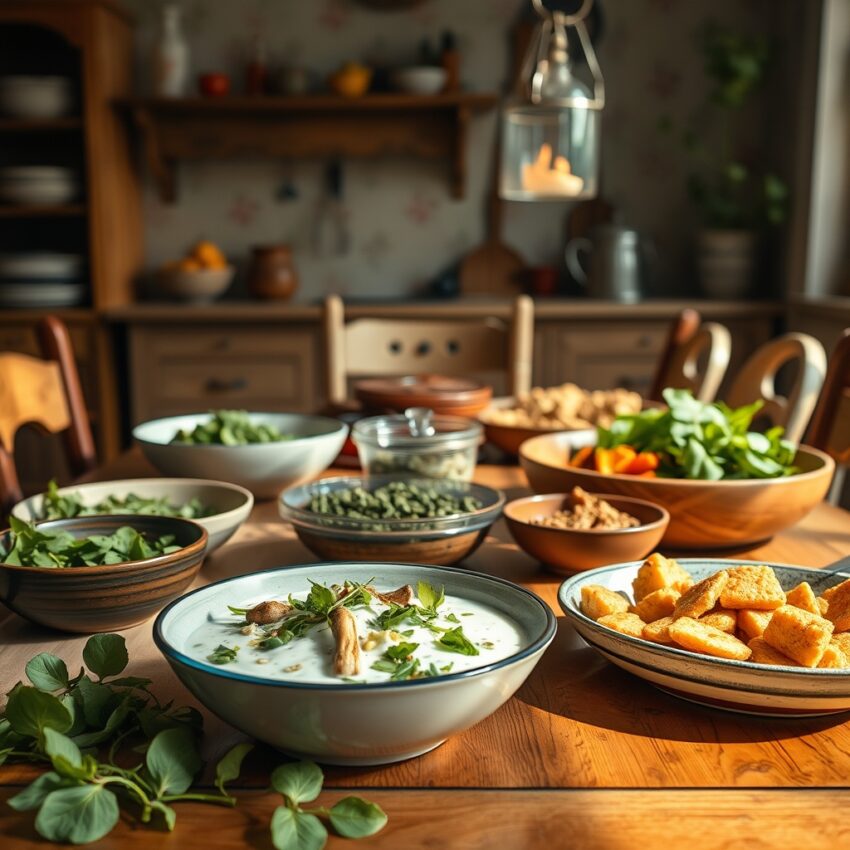
Bugün bir sofrada yoğurtlu semizotu görüldüğünde, pek çok kişi için anımsanan şey yalnız o tanıdık serin tat değildir. Aynı zamanda geniş masalar, birlikte yenilen akşam yemekleri, mutfaktan peş peşe çıkan kâseler ve mevsimine göre kurulan sofralar da geri gelir. Bu yüzden yoğurtlu semizotu, kalabalık aile sofralarının unutulmayan tadı olarak hafızada yer eder. Çünkü o tat, tek başına bir tarif değil; eski mutfak düzeninin, mevsim bilgisiyle çalışan ev aklının ve paylaşmayı bilen sofraların kısa ama etkili özetidir. Unutulan mutfak alışkanlıklarını geri çağırması da tam buradan gelir: insan bazen bir tabağın içinden yalnız lezzeti değil, bütün bir yaşam biçimini hatırlar.
🇬🇧 English | The Old Order Brought to the Table by Purslane with Yogurt
There was a time when a bowl of purslane with yogurt arrived at the table carrying, behind its simple appearance, a strong sense of domestic order. That cool dish, where finely chopped purslane met yogurt seasoned with garlic, held a quiet yet indispensable place beside the main meal at crowded family tables. It was not flashy. It carried no heavy decoration, no complicated presentation, no elaborate story. Yet precisely for that reason it said a great deal. Purslane with yogurt recalled a kitchen intelligence that followed the season, a household knowledge that balanced what was available, and older habits in which a table was set not only to satisfy hunger, but also to cool, regulate, and complete the meal. Appearing at lunch in summer or beside the evening dinner, it felt like a kind of household discipline that kept its lightness even amid a crowd.
From the perspective of taste memory, purslane with yogurt is more than an unforgettable flavor; it is a small doorway opening onto forgotten kitchen habits. For older generations the kitchen was not merely a place where recipes were executed, but a field of daily wisdom that adapted itself to the rhythm of the season. Fresh purslane bought from the market, carefully sorted and washed in abundant water, yogurt that carried a different texture if it had been cultured at home, and garlic adjusted to the taste of the household were all parts of that wisdom. In many homes, dishes gained value not on their own, but through the balance they created with one another. A heavy pot meal stood beside a bowl of yogurted greens, the warmth of rice was accompanied by a cool plate, and in that way the appetite of a crowded table was softened. One of the kitchen habits fading most quickly today is exactly this knowledge of balance.
When people speak of the unforgettable taste of crowded family tables, what is remembered is not only flavor, but the order and sharing shape of the table itself. Purslane with yogurt often arrived in a large glass or steel bowl; the first spoonful was usually taken by the oldest member of the household, and then the dish was quietly moved to a place everyone could reach. Children were sometimes hesitant at first before the tart green taste of purslane, yet the softness of yogurt helped them grow accustomed to it, and years later they remembered that taste together with the table of childhood. The dish belongs to a period when continuity mattered more than display in the kitchen. Its power came from turning a seasonal green into one of the remembered flavors of family life without requiring many ingredients. Purslane with yogurt carried not only the logic of the kitchen, but also the rhythm of the family itself.
The reason this dish calls back forgotten habits lies in the manner of its preparation. The care shown while picking through the greens one by one, the measure used while loosening the yogurt to the right consistency, the small household decisions about whether olive oil should be drizzled on top, all formed a knowledge that was personal yet transferable. The dish is also connected to a culture of avoiding waste. A product abundant in its season became a cool and nourishing companion, so variety at the table came not only from abundance, but from intelligent use. In present-day kitchens shaped by quick recipes and single-plate practicality, these accompanying dishes are becoming rarer, and yet purslane with yogurt continues to keep alive an older sense of order handed down from the past.
Today, when purslane with yogurt appears on a table, what returns for many people is not only that familiar cool taste. Wide tables, shared evening meals, bowls coming one after another from the kitchen, and menus arranged according to the season return as well. That is why purslane with yogurt remains in memory as one of the unforgotten tastes of crowded family tables. It is not only a recipe, but a concise and effective summary of an older kitchen order, of a household mind working with seasonal knowledge, and of tables that knew how to share. The reason it calls back forgotten kitchen habits lies exactly there: sometimes, through a single dish, people remember not only a flavor, but an entire way of living.
🇧🇷 Português (Brasil) | A Antiga Ordem que a Beldroega com Iogurte Levava à Mesa
Houve um tempo em que a beldroega com iogurte chegava à mesa trazendo, por trás de sua aparência simples, um forte sentido de ordem doméstica. Esse prato fresco, em que a beldroega picada encontrava o iogurte com alho, ocupava um lugar silencioso, mas indispensável, ao lado do prato principal nas mesas de família cheias. Não era chamativo. Não vinha com enfeites pesados, nem com apresentação complicada, nem com longas explicações. Ainda assim, justamente por isso, dizia muita coisa. A beldroega com iogurte lembrava uma inteligência culinária que seguia a estação, um saber de casa que equilibrava o que havia disponível e antigos hábitos em que a mesa era montada não só para alimentar, mas também para refrescar, organizar e completar a refeição. Servido no almoço de verão ou ao lado do jantar, esse prato parecia uma forma de disciplina doméstica que mantinha sua leveza mesmo em meio à multidão.
Do ponto de vista da memória do paladar, a beldroega com iogurte é mais do que um sabor inesquecível; ela é uma pequena porta para hábitos esquecidos da cozinha. Para as gerações mais antigas, a cozinha não era apenas o lugar onde receitas eram executadas, mas um campo de sabedoria cotidiana ajustada ao ritmo da estação. A beldroega fresca comprada na feira, separada com cuidado, lavada em bastante água, o iogurte com outra textura quando era feito em casa e o alho medido conforme o gosto da família eram partes desse saber. Em muitas casas, os pratos ganhavam valor não sozinhos, mas pelo equilíbrio que construíam entre si. Uma panela mais pesada vinha acompanhada de um verde com iogurte, o calor do arroz encontrava um prato fresco, e o apetite de uma mesa cheia se suavizava. Um dos hábitos culinários que mais rapidamente se perde hoje é justamente esse conhecimento do equilíbrio.
Quando se fala do sabor inesquecível das mesas de família cheias, o que se lembra não é apenas o gosto, mas também a ordem da mesa e a forma de partilha. A beldroega com iogurte chegava muitas vezes numa tigela grande de vidro ou aço; a primeira colherada costumava ser servida ao mais velho da casa e, depois, o prato era discretamente colocado num ponto onde todos pudessem alcançar. Às vezes as crianças estranhavam no início o sabor verde e levemente ácido da beldroega, mas a maciez do iogurte ajudava a acostumar, e anos mais tarde esse gosto voltava junto com a lembrança da mesa da infância. Esse prato pertence a um período em que a continuidade valia mais do que a aparência na cozinha. Sua força vinha de transformar uma verdura da estação num sabor memorável da vida familiar sem exigir muitos ingredientes. A beldroega com iogurte carregava não apenas a lógica da cozinha, mas também o ritmo da família.
O motivo de esse prato fazer voltar hábitos esquecidos está no próprio modo de preparo. O cuidado de separar as folhas uma a uma, a medida usada para acertar a consistência do iogurte e as pequenas decisões domésticas sobre colocar ou não azeite por cima formavam um conhecimento pessoal, mas transmissível. O prato também se relaciona a uma cultura de evitar desperdício. Um ingrediente abundante na estação se transformava num acompanhamento fresco e nutritivo, de modo que a variedade da mesa nascia não só da fartura, mas do uso inteligente. Nas cozinhas de hoje, marcadas por receitas rápidas e por refeições concentradas num único prato, esses acompanhamentos vão rareando; ainda assim, a beldroega com iogurte continua preservando um antigo senso de ordem herdado do passado.
Hoje, quando a beldroega com iogurte aparece sobre a mesa, o que volta para muita gente não é apenas aquele sabor fresco e conhecido. Voltam também as mesas largas, os jantares partilhados, as tigelas que saíam uma depois da outra da cozinha e os cardápios organizados conforme a estação. É por isso que a beldroega com iogurte permanece na memória como um dos sabores inesquecíveis das mesas de família cheias. Ela não é só uma receita, mas um resumo breve e preciso de uma antiga ordem culinária, de uma inteligência doméstica guiada pelo conhecimento da estação e de mesas que sabiam compartilhar. É daí que vem sua capacidade de chamar de volta hábitos esquecidos da cozinha: às vezes, dentro de um único prato, as pessoas não recordam apenas um sabor, mas um modo inteiro de viver.