🇹🇷 Türkçe | Salonun Ortasında Yanan Sesli Bir Hatıra
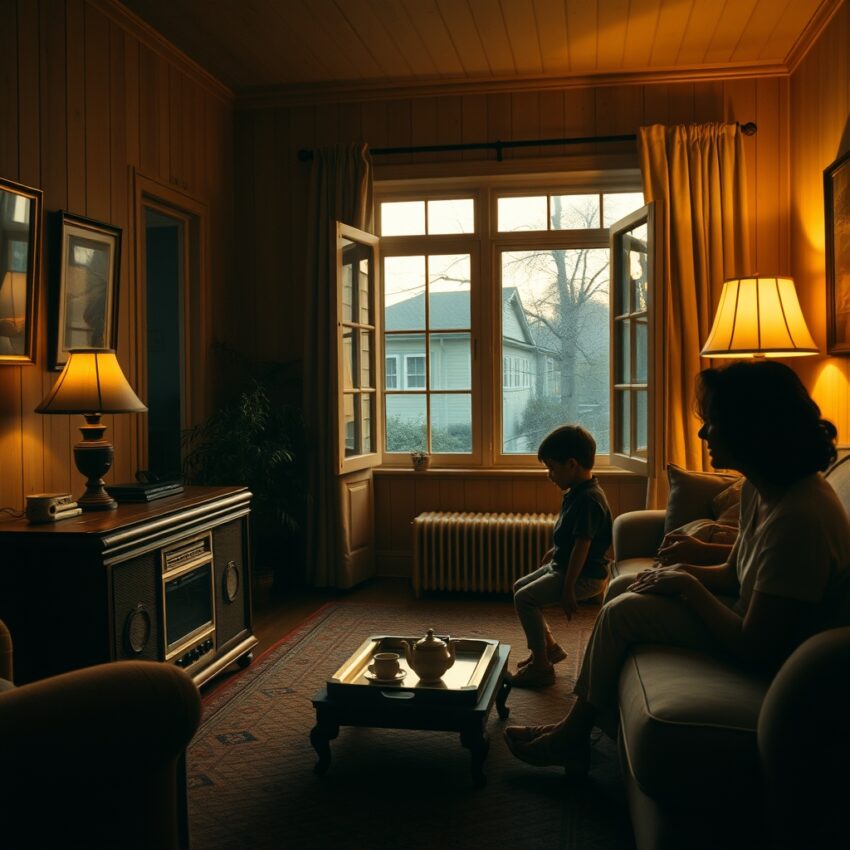
Bir zamanlar akşamın gerçekten başladığı an, evin salonunda radyonun düğmesinin çevrilmesiyle anlaşılırdı. Perdeler çekilir, çay bardakları tepside yerini bulur, koltukların yönü fark edilmeden aynı merkeze dönerdi. O merkezin tam ortasında, cilalı ahşap gövdeli ya da kumaş hoparlörlü bir radyo dururdu. Cızırtının arasından yükselen ilk temiz ses, sanki yalnız yayın değil, bütün ev halkının ortak beklentisini de açığa çıkarırdı. Mahalle dışarıda kendi uğultusuna devam ederken içeride herkes aynı sese kulak verir, radyo bir eşya olmaktan çıkıp akşamın asıl misafiri hâline gelirdi.
Teknoloji Mirası açısından radyo, analog çağın unutulmayan heyecanını en berrak biçimde taşıyan araçlardan biridir. Çünkü onun sunduğu deneyim yalnız işitmeye değil, beklemeye, birlikte dinlemeye ve program saatine göre yaşamaya dayanırdı. Bugün istenen içerik anında açılırken o yıllarda sevilen türkü programı, haber bülteni ya da radyo tiyatrosu için zaman kollanırdı. İnsanlar sesin ne zaman geleceğini bilir, ona göre akşam düzenini kurardı. Böylece teknoloji, bireysel tüketilen bir kolaylıktan çok, aileyi aynı anda aynı duyguda buluşturan ortak bir ritüele dönüşürdü. Radyonun teknik gücü kadar kültürel etkisi de burada yatıyordu.
Bu sessiz heyecanın unutulmamasını sağlayan şey, ev içindeki küçük sahnelerdir. Babanın haberleri kaçırmamak için sesi biraz açması, annenin mutfaktan “başladı mı?” diye seslenmesi, büyükannenin spikerin diksiyonunu övmesi, çocukların masal saatini beklerken halının üstüne yüzüstü uzanması, bütün bunlar radyonun çevresinde şekillenen ortak zamanın parçalarıydı. Bazı akşamlarda komşu evlerden de aynı yayın sızar, açık pencereler sayesinde bir sokak boyunca benzer cümleler yankılanırdı. Mahalle seslerinin arasında radyo, unutulmuş bir fotoğraf gibi dururdu; çünkü hem gündelikti hem de dokunulmaz bir özen taşırdı.
Radyonun bu kadar kalıcı olmasının bir başka nedeni de hayal gücüne bıraktığı geniş alandır. Görüntü olmadığı için ses her evde başka bir sahne kurar, her dinleyici kendi içindeki dekoru tamamlar, anlatılan hikâyeyi kendi hayatının ayrıntılarıyla birleştirirdi. Radyo tiyatrosunda kapı gıcırtısı duyulduğunda herkes başka bir koridor düşünür, bir şarkı çaldığında başka bir yüz hatırlanır, spikerin tok sesi başka başka salonlara aynı anda yayılırdı. Analog çağın heyecanı tam da burada saklıydı: teknoloji tüketilen bir görüntü sunmuyor, insanın zihniyle tamamlanan eksik ama büyülü bir alan açıyordu.
Bugün radyoyu düşündüğümüzde akla yalnız eski cihazlar ya da frekans düğmeleri gelmiyor. Asıl hatırlanan, bir ailenin sessiz heyecan içinde aynı sese bağlandığı o ortak akşam duygusu. Radyo, salonda toplanan insanları birbirine biraz daha yaklaştıran, mahallenin dışarıdaki sesleriyle evin iç ritmini aynı çerçevede buluşturan bir eşikti. Bu yüzden analog çağın unutulmayan heyecanı hâlâ sanki bir fotoğrafın solgun köşesinden bize bakar gibi yaşar. Sesin çevresinde kurulan yakınlık, teknoloji tarihinin en mütevazı ama en derin miraslarından biri olarak kalır.
🇬🇧 English | A Living Memory Lit at the Center of the Room
There was a time when the true beginning of evening was understood by the turning of the radio dial in the living room. Curtains were drawn, tea glasses found their places on a tray, and the direction of the armchairs slowly turned toward the same center. At the heart of that center stood a radio with a polished wooden body or a fabric speaker front. The first clear sound rising through the static seemed to reveal not only the broadcast, but the shared expectation of everyone in the house. While the neighborhood outside continued with its own murmur, everyone inside listened to the same voice, and the radio ceased to be an object and became the evening’s main guest.
From the perspective of technological heritage, radio is one of the clearest carriers of the unforgettable excitement of the analog age. The experience it offered depended not only on hearing, but on waiting, listening together, and arranging life around the hour of a program. Today a desired piece of content appears instantly; in those years people watched the clock for a favorite folk music hour, a news bulletin, or a radio play. They knew when the voice would arrive and organized the evening around it. In that way technology became less a convenience consumed alone and more a shared ritual that gathered a family in the same feeling at the same time. The cultural force of radio lived alongside its technical one.
What made that quiet excitement unforgettable were the small scenes inside the home. A father raising the volume slightly so as not to miss the news, a mother calling from the kitchen to ask whether it had begun, a grandmother praising the announcer’s diction, children lying face down on the carpet waiting for story hour, all were parts of the common time formed around the radio. On some evenings the same broadcast slipped in from neighboring homes as well, and through open windows similar sentences echoed along the street. Among the sounds of the neighborhood, the radio remained like a forgotten photograph, because it was both ordinary and treated with a special tenderness.
Another reason radio remained so lasting was the wide space it left to imagination. Because there was no image, sound built a different scene in every house, and each listener completed the setting with details from their own life. When a door creaked in a radio drama, everyone imagined a different corridor; when a song played, another face returned to memory; when the announcer’s rich voice spread through the air, it entered many different sitting rooms at once. The excitement of the analog age was hidden there. Technology did not present a finished image to consume. It opened an incomplete yet magical field, one completed by the listener’s own mind.
When we think of radio today, what comes back is not merely old devices or tuning knobs. What is truly remembered is that shared evening feeling in which a family connected to the same voice with quiet excitement. Radio was a threshold that drew the people gathered in the living room a little closer to one another while joining the sounds of the neighborhood outside with the inner rhythm of the home. That is why the unforgettable thrill of the analog age still seems to look at us from the faded corner of a photograph. The closeness built around sound remains one of the humblest and deepest inheritances in the history of technology.
🇧🇷 Português (Brasil) | Uma Memória Viva Acendida no Centro da Sala
Houve um tempo em que o verdadeiro começo da noite era entendido quando o botão do rádio era girado na sala. As cortinas eram fechadas, os copos de chá encontravam seu lugar na bandeja, e as poltronas, quase sem perceber, se voltavam para o mesmo centro. No meio desse centro estava um rádio de corpo de madeira polida ou com alto-falante coberto de tecido. O primeiro som limpo surgindo em meio à chiadeira parecia revelar não apenas a transmissão, mas também a expectativa comum de todos na casa. Enquanto o bairro lá fora seguia com o seu murmúrio, todos lá dentro se entregavam à mesma voz, e o rádio deixava de ser um objeto para se tornar o principal visitante da noite.
Do ponto de vista do patrimônio tecnológico, o rádio é um dos instrumentos que carregam com mais clareza a emoção inesquecível da era analógica. A experiência que ele oferecia dependia não só de ouvir, mas de esperar, de escutar junto e de organizar a vida conforme o horário do programa. Hoje qualquer conteúdo desejado aparece na mesma hora; naqueles anos, era preciso aguardar o programa de músicas preferidas, o boletim de notícias ou a radionovela. As pessoas sabiam quando a voz chegaria e montavam a noite em função disso. Assim, a tecnologia se transformava menos em uma facilidade consumida de forma individual e mais em um ritual compartilhado que reunia a família na mesma emoção ao mesmo tempo. A força cultural do rádio vivia ao lado de sua força técnica.
O que tornou essa emoção silenciosa inesquecível foram as pequenas cenas dentro da casa. O pai aumentando um pouco o volume para não perder o noticiário, a mãe perguntando da cozinha se já tinha começado, a avó elogiando a dicção do locutor, as crianças deitadas de bruços no tapete esperando a hora da história, tudo isso fazia parte do tempo comum criado em torno do rádio. Em algumas noites, a mesma transmissão também escapava das casas vizinhas, e pelas janelas abertas frases parecidas ecoavam ao longo da rua. Entre os sons do bairro, o rádio ficava como uma fotografia esquecida, porque era ao mesmo tempo cotidiano e cercado de um cuidado especial.
Outro motivo para o rádio permanecer tão duradouro estava no amplo espaço que deixava para a imaginação. Como não havia imagem, o som construía uma cena diferente em cada casa, e cada ouvinte completava o cenário com detalhes da própria vida. Quando uma porta rangia na radionovela, cada pessoa imaginava um corredor diferente; quando uma música tocava, outro rosto vinha à lembrança; quando a voz firme do locutor se espalhava, entrava em muitas salas ao mesmo tempo. A emoção da era analógica estava justamente aí. A tecnologia não entregava uma imagem pronta para ser consumida. Ela abria um campo incompleto, porém mágico, completado pela mente de quem escutava.
Quando pensamos no rádio hoje, o que retorna não são apenas os aparelhos antigos ou os botões de sintonia. O que realmente fica é aquela sensação compartilhada de fim de tarde e começo de noite, quando uma família inteira se ligava à mesma voz com um entusiasmo silencioso. O rádio era uma passagem que aproximava um pouco mais as pessoas reunidas na sala, ao mesmo tempo que unia os sons do bairro lá fora ao ritmo interior da casa. É por isso que a emoção inesquecível da era analógica ainda parece nos olhar do canto desbotado de uma fotografia. A proximidade construída em torno do som continua sendo uma das heranças mais simples e mais profundas da história da tecnologia.