🇹🇷 Türkçe | Tavadan Sofraya Kalan O Sıcak Yakınlık
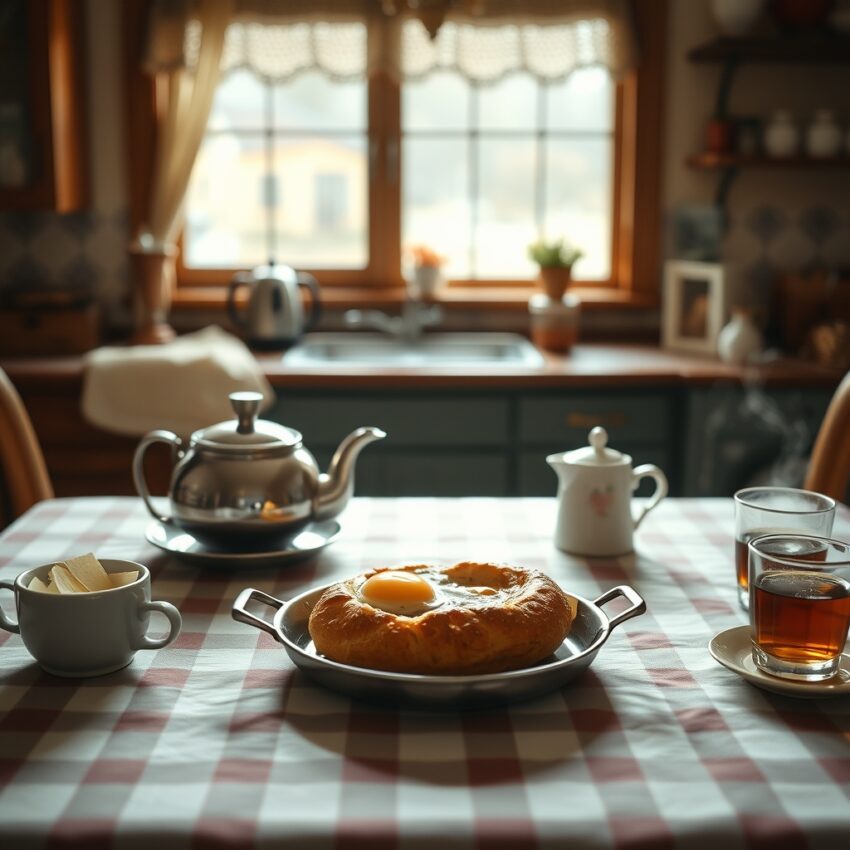
Bir zamanlar bazı yemekler sadece açlığı gidermez, evin içindeki duygusal düzeni de sessizce kurardı. Sahurda yumurtalı ekmek de tam böyle bir tarifti. Tavada kızaran ekmeğin kokusu gecenin uykulu sessizliğine karışır, mutfak lambasının altında toplanan aile bireylerine hem pratik hem de iç ısıtan bir teselli sunardı. İlginç olan, bu tarifin hafızada çoğu zaman yalnız sahur sofrasıyla değil, okul dönüşü tabağa ilk uzanan kaşıkla da birlikte yaşamasıdır. Çünkü aynı evde aynı lezzet, farklı saatlerde başka anlamlar kazanırdı. Gece yarısının mahmurluğu ile öğleden sonranın acıkmış sevinci, yumurtalı ekmeğin etrafında aynı aile sıcaklığında buluşurdu.
Damak Hafızası açısından bu yemeğin özel yeri, malzemesinin sadeliğiyle duygusunun yoğunluğu arasındaki dengede saklıdır. Bayatlamaya yüz tutmuş ekmeğin değerlendirilmesi, yumurtanın çırpılıp tavaya dökülmesi, kimi evlerde süte, kimi evlerde baharata, kimi evlerde bir tutam maydanoza yer açılması, her ailenin aynı temel tarifi kendi ses tonuyla söylemesi gibiydi. Bu yüzden yumurtalı ekmek tek bir reçete değil, aile içinde aktarılan küçük farkların toplamıydı. Bir evde daha kalın kesilir, başka bir evde kenarı özellikle kızartılır, bir başkasında yanında demli çay ya da domates dilimleriyle servis edilirdi. Basitliğinin içinde taşıdığı aidiyet duygusu tam da bu çeşitlilikten gelirdi.
Bu yemeğin neden hatırlandığını gündelik hayatın sahneleri daha iyi anlatır. Sahur için erken kalkan annenin ya da ninenin tavaya ekmek bırakırken çıkardığı ses, uykulu gözlerle mutfağa gelen çocuk, babanın çayı karıştırırken tabağa ilk uzanışı, sonra aynı tarifin okul dönüşü “hemen bir şey hazırlayayım” duygusuyla yeniden ortaya çıkması, tarifin ev içinde ne kadar yerleşik olduğunu gösterirdi. Bazen önlük daha çıkmadan sofraya oturulur, bazen mutfak tezgâhında ayakta yenir, bazen de kardeşler arasında son dilim için sessiz bir yarış olurdu. Yumurtalı ekmek bu yönüyle sadece yemek değil, günün farklı saatlerinde evi birbirine bağlayan bir geçiş lezzetiydi.
Aile tarifleri içinde özel bir yerde durmasının bir nedeni de gösterişten uzak oluşudur. Kutlama yemekleri gibi nadir anlara değil, tekrar eden günlere aittir. Tam da bu nedenle hafızada daha derin yer eder. İnsan çoğu zaman en görkemli sofraları değil, yorgun bir günün ardından hızla hazırlanmış ama sevgiyle sunulmuş tabakları hatırlar. Sahurda yumurtalı ekmek, aileye hem tasarrufun zarafetini hem de az malzemeyle doyurucu bir sıcaklık kurmanın bilgisini taşır. Eski mutfak kültüründe israf etmemenin, eldekiyle lezzet yaratmanın ve herkes için kısa sürede ortak bir tabak kurmanın kıymeti bu tarifte açıkça görünür.
Bugün yumurtalı ekmek dendiğinde birçok insanın yüzünde aynı anda hem gece hem gündüz hatırası belirir. Çünkü bu tarif, saatten bağımsız olarak evin güven duygusunu çağırır. İlk uzanan kaşığın, ilk koparılan dilimin, tavadan yükselen kokunun ve çayın buharının aynı hafızada buluşması bundandır. Aile tarifleri arasında özel kalmasının sebebi büyük mutfak maharetleri sergilemesi değil; aileyi sıradan anlarda bir araya getirmesidir. Sahurda ya da okul dönüşünde, bu tarif hep aynı şeyi yapar: evin sıcaklığını tabağa koyar. Ve bazı tatlar tam da bu yüzden unutulmaz olur.
🇬🇧 English | That Warm Nearness Carried from Pan to Table
There was a time when certain dishes did more than satisfy hunger; they quietly arranged the emotional order of the household. Egg bread for sahur was exactly such a recipe. The smell of bread frying in the pan mixed with the drowsy silence of the night and offered those gathered beneath the kitchen light a comfort that was both practical and deeply warming. What is striking is that this recipe often survives in memory not only through the sahur table itself, but also through the first spoon reaching toward the plate after school. In the same house, the same taste could take on different meanings at different hours. The sleepiness of midnight and the hungry relief of late afternoon met in the same family warmth around egg bread.
From the perspective of taste memory, the special place of this dish lies in the balance between the simplicity of its ingredients and the intensity of its feeling. Bread beginning to grow stale, eggs whisked and poured into the pan, milk in some homes, spices in others, a pinch of parsley in another, all made the same base recipe sound in a different family voice. For that reason egg bread was never a single fixed formula, but the sum of small variations passed through the family. In one house it was sliced thickly, in another the edges were browned on purpose, in another it arrived with strong tea or slices of tomato. The sense of belonging it carried within its simplicity came exactly from that variety.
The scenes of ordinary life explain better why this dish remained so memorable. The sound made by a mother or grandmother laying bread into the pan before sahur, the child entering the kitchen with sleepy eyes, the father reaching first toward the plate while stirring tea, and then the same recipe reappearing after school with the feeling of “let me prepare something quickly,” all showed how deeply settled the recipe was in the home. Sometimes children sat down before taking off their school aprons, sometimes it was eaten standing by the counter, and sometimes siblings competed in quiet for the last piece. In that sense egg bread was not merely food, but a transitional taste binding the household together at different hours of the day.
Another reason it held a special place among family recipes was its distance from display. It belonged not to rare celebration meals, but to recurring days. For that very reason it settled more deeply in memory. What people often remember most are not the grandest tables, but the plates prepared quickly after a tiring day and offered with affection. Egg bread for sahur carried into the family both the elegance of thrift and the knowledge of building a filling warmth out of few ingredients. In the old kitchen culture, the value of wasting nothing, creating flavor from what was at hand, and setting a shared plate before everyone in a short time becomes visible very clearly in this recipe.
Today, when egg bread is mentioned, many people feel both a night memory and a day memory appear at once. That is because the recipe calls up the sense of safety associated with home, regardless of the hour. The first spoon reaching out, the first torn piece, the smell rising from the pan, and the steam of tea meet in the same recollection for this reason. What keeps it special among family recipes is not an exhibition of great culinary skill, but its ability to gather a family in ordinary moments. At sahur or after school, the recipe always does the same thing: it places the warmth of home on a plate. And that is exactly why some tastes become unforgettable.
🇧🇷 Português (Brasil) | Aquele Calor Próximo que Ia da Frigideira ao Prato
Houve um tempo em que certos pratos faziam mais do que matar a fome; eles organizavam em silêncio a ordem afetiva da casa. O pão com ovo do sahur era exatamente uma dessas receitas. O cheiro do pão dourando na frigideira se misturava ao silêncio sonolento da noite e oferecia a quem se reunia sob a luz da cozinha um consolo ao mesmo tempo prático e acolhedor. O mais interessante é que essa receita costuma sobreviver na memória não apenas pela mesa do sahur, mas também pela primeira colher que alcançava o prato na volta da escola. Numa mesma casa, o mesmo sabor podia adquirir sentidos diferentes em horários diferentes. A sonolência da madrugada e o alívio faminto do fim da tarde se encontravam no mesmo calor familiar em torno do pão com ovo.
Do ponto de vista da memória gustativa, o lugar especial desse prato está no equilíbrio entre a simplicidade dos ingredientes e a intensidade do afeto que ele carrega. O pão quase ficando amanhecido, os ovos batidos e levados à frigideira, o leite em algumas casas, os temperos em outras, uma pitada de salsinha em outra, tudo isso fazia a mesma receita básica soar com a voz particular de cada família. Por isso, pão com ovo nunca foi uma fórmula única e fixa, mas a soma de pequenas variações transmitidas dentro de casa. Numa família ele era cortado em fatias mais grossas, em outra as bordas eram douradas de propósito, em outra ainda vinha acompanhado de chá forte ou de rodelas de tomate. O sentimento de pertencimento presente em sua simplicidade vinha justamente dessa variedade.
As cenas da vida comum explicam melhor por que esse prato permaneceu tão vivo na lembrança. O som da mãe ou da avó colocando o pão na frigideira antes do sahur, a criança entrando na cozinha com os olhos ainda pesados de sono, o pai sendo o primeiro a alcançar o prato enquanto mexe o chá, e depois a mesma receita reaparecendo na volta da escola com o gesto de “vou preparar alguma coisa rapidinho”, tudo mostrava como a receita estava profundamente instalada na casa. Às vezes a criança se sentava à mesa antes mesmo de tirar o uniforme, às vezes comia em pé no balcão, às vezes os irmãos disputavam em silêncio o último pedaço. Nesse sentido, o pão com ovo não era apenas comida, mas um sabor de transição que amarrava a casa em diferentes horas do dia.
Outra razão para ocupar lugar especial entre as receitas de família era sua distância do exibicionismo. Ele não pertencia aos pratos raros de comemoração, mas aos dias repetidos. E justamente por isso se fixava mais fundo na memória. As pessoas costumam lembrar não das mesas mais grandiosas, mas dos pratos preparados depressa depois de um dia cansativo e oferecidos com carinho. O pão com ovo do sahur levava para a família tanto a elegância da economia quanto o saber de construir saciedade e calor com poucos ingredientes. Na antiga cultura da cozinha, o valor de não desperdiçar, de criar sabor com o que havia em casa e de montar rapidamente um prato comum para todos aparece com muita clareza nessa receita.
Hoje, quando se fala em pão com ovo, muita gente sente ao mesmo tempo uma lembrança da noite e uma lembrança do dia. Isso acontece porque a receita convoca a sensação de segurança ligada à casa, independentemente do horário. A primeira colher estendida, o primeiro pedaço rasgado, o cheiro subindo da frigideira e o vapor do chá se encontram na mesma recordação por causa disso. O que a mantém especial entre as receitas de família não é a exibição de uma grande habilidade culinária, mas a capacidade de reunir a família em momentos comuns. No sahur ou na volta da escola, essa receita faz sempre a mesma coisa: coloca o calor da casa no prato. E é exatamente por isso que certos sabores se tornam inesquecíveis.