🇹🇷 Türkçe | Kavrulan İrmiğin Kokusuyla Odanın Değil Evin Tamamını Saran Sofra Hâli
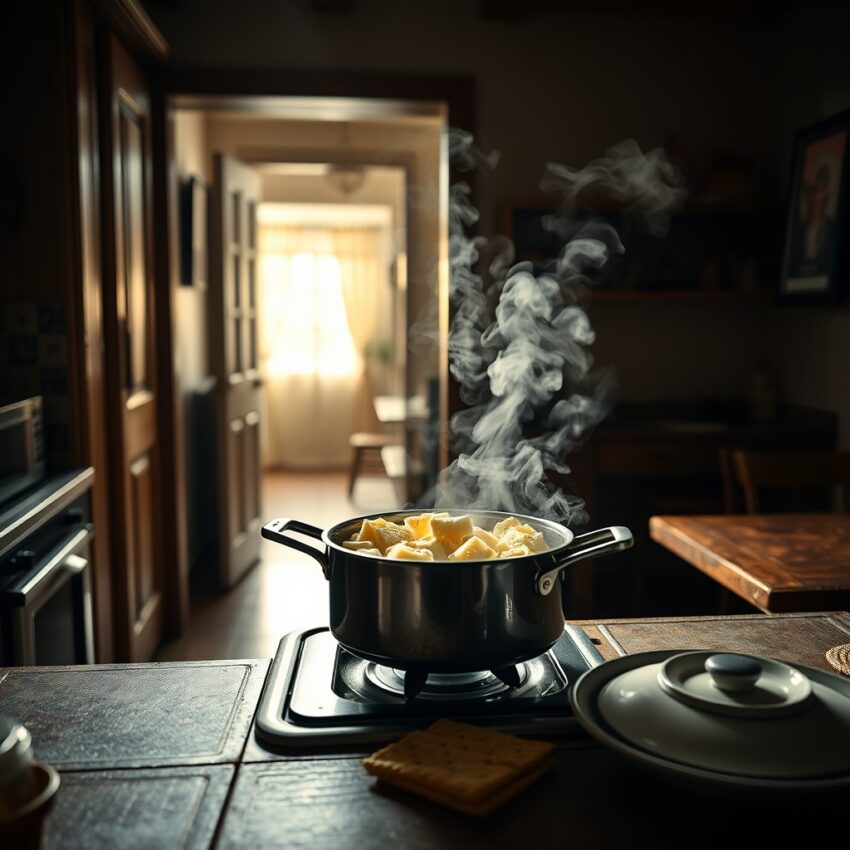
Bazı yemekler mutfakta pişmekle kalmaz, evin tamamına yayılan bir ruh hâli kurar. Eski usul irmik helvası da böyledir. Tereyağının tavada ağır ağır eridiği, irmiğin sabırla kavrulduğu ve kaşığın döndükçe çıkan o tanıdık sıcak kokunun kapı aralarına, koridora, perdeye kadar sızdığı anlarda yalnız bir tatlı hazırlanmazdı. Evde herkes, henüz tabağa gelmeden neyin piştiğini anlardı. Bu yüzden irmik helvası sofraya ulaştığında bütün evin aynı kokuyla dolmuş olması şaşırtıcı değil, beklenen bir son olurdu. Helva önce havayı, sonra hatırayı tutardı.
Damak Hafızası açısından bunun ilk nedeni, irmik helvasının koku üzerinden çalışan güçlü bir ev yemeği olmasıdır. Şerbetli tatlılar çoğu zaman fırında ya da tepside şekil alırken, irmik helvası tencerenin başında sabır isteyen bir yakınlıkla pişer. Kavrulma derecesi gözle, kokuyla ve kulağa gelen hafif çıtırtıyla takip edilir. Ne çok açık ne çok koyu olacak o renk, bir kuşağın mutfak bilgisiyle belirlenir. Çam fıstığı eklendiyse kokunun gövdesi değişir, süt ya da su ilavesiyle bir anda yükselen buhar bütün evi başka bir sıcaklığa taşır. Böylece bu tatlı, hazırlanırken bile sofranın gelmekte olduğunu evin her köşesine haber verir.
Eski usul irmik helvasının bütün evi kokuyla doldurmasının bir başka nedeni, onun çoğu zaman sıradan bir ara tat değil, küçük ama anlamlı bir vesileyle hazırlanmasıdır. Bir misafir gelişi, akşam yemeğinin ardından iç ısıtacak bir kapanış, kandil gecesi, yeni doğmuş bir haber ya da ev içinde paylaşılacak bir teselli anı, helvayı sofraya çağırabilirdi. Bu tür zamanlarda mutfağın kapısı tamamen kapanmaz, aksine içeriden gelen koku ev halkını yavaş yavaş aynı duyguya toplardı. Kimi kaşığı hazırlardı, kimi suyu koyardı, kimi “biraz daha kavrulsun” derdi. Böylece helvanın kokusu, ortaklaşan bir bekleyişin parçasına dönüşürdü.
Gündelik ev hayatında bu kokunun gücü çok belirgindi. Çocuk odasında ders çalışan biri önce tereyağını hisseder, ardından irmiğin kızaran sıcaklığına benzeyen o topraklı tatlı koku gelirdi. Salonda oturan büyükler mutfaktan yükselen sesi dinleyerek helvanın kıvamını neredeyse tahmin ederdi. Koridordan geçen biri tencerenin kapağı açıldığında yayılan buhara birkaç saniye duraksar, sofranın yaklaşmakta olduğunu anlar, evin iç ritmi de buna göre değişirdi. İrmik helvası bu yüzden sadece tabakta yenilen bir tatlı değil; evin farklı odalarını aynı anda aynı histe buluşturan bir işaretti.
Bu kokunun hafızada böylesine güçlü kalmasının tarihsel bir yanı da vardır. Eski mutfak kültüründe yemekler yalnız tada göre değil, ev içinde yarattıkları atmosferle de değer görürdü. İrmik helvası ekonomik malzemelerle derin etki yaratabilen bir tatlıydı. Az malzemeyle büyük bir sıcaklık duygusu kurar, hem gündelik hem törensel sofralara uyum sağlayabilirdi. Kavrulan irmiğin kokusu, yoksul ya da varlıklı ayırmadan pek çok evde aynı tanıdıklığı üretir, bu yüzden sınıf farklarını aşan ortak bir damak hafızası oluştururdu. Herkes kendi mutfağında pişirse de koku, kolektif bir tanışıklık taşırdı.
Sonuçta eski usul irmik helvası sofraya geldiğinde bütün evin aynı kokuyla dolmasının nedeni, bu tatlının yalnız bir yiyecek değil, evin duygusal iklimini kuran bir hazırlık olmasıdır. Tereyağı, kavrulmuş irmik ve sonradan yükselen buhar; mutfaktan salona, koridordan çocuk odasına kadar yayılarak herkesi aynı sofraya çağırır. Bugün bu koku hatırlandığında akla sadece helvanın tadı gelmez; tenceredeki kaşığın sesi, içeriden yükselen sabırlı emek ve birazdan birlikte oturulacak masanın huzuru da gelir. Belki de bu yüzden irmik helvası, eski evlerin en kapsayıcı kokularından biri olarak kalır.
🇬🇧 English | The Table Mood that Spread Beyond a Room and Covered the Whole House with the Scent of Roasting Semolina
Some dishes do more than cook in the kitchen. They create a mood that spreads through the whole house. Old-style semolina halva belongs to that kind. In the moments when butter melted slowly in the pan, semolina was roasted with patience, and that familiar warm aroma slipped through doorways, down the corridor, and into the curtains, a dessert was not merely being prepared. Everyone in the home already understood what was being made before it reached the table. That is why, when semolina halva finally arrived, the entire house sharing one scent felt not surprising, but natural. The halva held the air before it held memory.
From the perspective of culinary memory, the first reason lies in the fact that semolina halva is a deeply aromatic household dish. While syrup desserts often take shape in the oven or in trays, semolina halva is made in close attendance over the pot. Its degree of roasting is followed by sight, smell, and the faint crackling sound under the spoon. The color must become neither too pale nor too dark, and that balance is known through inherited kitchen knowledge. If pine nuts are added, the body of the aroma changes; when milk or water is poured in, the rising steam carries the whole house into another warmth. In this way, the dessert announces the coming table to every room while it is still being made.
Another reason old-style semolina halva fills the whole house with scent is that it is often prepared not as an ordinary sweet, but for a small yet meaningful occasion. The arrival of a guest, a comforting finish after dinner, a holy evening, new family news, or a moment needing quiet consolation inside the home could all call for halva. At such times, the kitchen door was not fully closed. The smell drifting out slowly gathered the household into the same feeling. One person prepared the spoons, another set the water, another said it should roast a little longer. The aroma of halva thus became part of a shared expectation.
In daily domestic life, the force of that scent was unmistakable. A child studying in another room first noticed the butter, then the earthy sweetness of semolina turning golden. Older people sitting in the living room could almost guess the consistency by the sound rising from the kitchen. Someone passing through the corridor paused for a few seconds when the lid was opened and the steam spread outward, understanding that the table was near and that the house’s internal rhythm was changing. Semolina halva was therefore not simply a dessert eaten on a plate. It was a sign capable of bringing different rooms into the same feeling at once.
There is also a historical side to why this scent remains so strong in memory. In older kitchen culture, foods were valued not only for taste, but for the atmosphere they created inside the house. Semolina halva was a dessert able to generate deep warmth from modest ingredients. With little, it produced a large emotional effect and fit both ordinary and ceremonial tables. The smell of roasting semolina created the same familiarity in many homes regardless of wealth, and in that way formed a shared culinary memory that crossed class difference. Each family made it in its own kitchen, yet the aroma carried a collective recognition.
In the end, the reason the whole house filled with the same scent when old-style semolina halva reached the table is that this dessert was not merely food, but preparation for the emotional climate of the house. Butter, roasted semolina, and the later rise of steam traveled from kitchen to living room, from corridor to children’s room, calling everyone to the same table. When that scent is remembered today, it brings back not only the taste of halva, but also the sound of the spoon in the pot, the patient labor inside the kitchen, and the calm of the table that people would soon share. That may be why semolina halva remains one of the most embracing scents of older homes.
🇧🇷 Português (Brasil) | O Clima de Mesa que Não Ficava num Só Cômodo e Cobria a Casa Inteira com o Aroma da Sêmola Torrada
Alguns pratos fazem mais do que cozinhar na cozinha. Eles criam um estado de espírito que se espalha pela casa inteira. A halva de sêmola à moda antiga é um deles. Quando a manteiga derretia devagar na panela, a sêmola era tostada com paciência e aquele aroma quente e conhecido escapava pelas portas, atravessava o corredor e se prendia até às cortinas, não se preparava apenas uma sobremesa. Todos na casa já sabiam o que estava sendo feito antes mesmo de chegar à mesa. Por isso, quando a halva finalmente aparecia, não surpreendia que a casa inteira estivesse tomada pelo mesmo cheiro. A halva primeiro ocupava o ar, depois a memória.
Do ponto de vista da memória gustativa, a primeira razão está no fato de a halva de sêmola ser um prato doméstico profundamente guiado pelo aroma. Enquanto as sobremesas em calda muitas vezes se formam no forno ou em travessas, a halva de sêmola pede proximidade com a panela. O ponto da torra é seguido pelo olhar, pelo cheiro e pelo ruído leve da colher mexendo. A cor não pode ficar nem clara demais nem escura demais, e esse equilíbrio vem de um saber de cozinha transmitido. Se entram pinhões, o corpo do aroma muda; quando se acrescenta leite ou água, o vapor sobe e leva outra temperatura à casa inteira. Assim, a sobremesa anuncia a mesa que está por vir a todos os cômodos ainda durante o preparo.
Outra razão para a halva antiga encher a casa inteira com seu aroma é que ela raramente aparece como um doce qualquer. Costuma ser feita por uma ocasião pequena, mas significativa. A chegada de uma visita, um fechamento acolhedor depois do jantar, uma noite santa, uma notícia nova na família ou um momento que pede consolo silencioso podem chamar a halva. Nesses instantes, a porta da cozinha não fica totalmente fechada. O cheiro que sai vai reunindo os moradores num mesmo sentimento. Um separa as colheres, outro prepara a água, outro diz que precisa dourar um pouco mais. O aroma da halva vira, assim, parte de uma expectativa compartilhada.
Na vida doméstica cotidiana, a força desse cheiro era muito clara. Uma criança estudando no quarto percebia primeiro a manteiga e depois o perfume adocicado e terroso da sêmola ganhando cor. Os mais velhos sentados na sala quase adivinhavam a textura pelo som vindo da cozinha. Quem passava pelo corredor parava por alguns segundos quando a tampa da panela era aberta e o vapor se espalhava, entendendo que a mesa estava próxima e que o ritmo interno da casa se transformava. Por isso, a halva de sêmola não era apenas uma sobremesa servida no prato. Era um sinal capaz de fazer vários cômodos sentirem a mesma coisa ao mesmo tempo.
Também há um lado histórico em essa lembrança olfativa permanecer tão forte. Na cultura culinária antiga, os alimentos eram valorizados não só pelo sabor, mas pela atmosfera que criavam dentro da casa. A halva de sêmola conseguia produzir calor afetivo com ingredientes simples. Com pouco, criava um grande efeito emocional e servia tanto às mesas comuns quanto às mais cerimoniais. O cheiro da sêmola torrada produzia a mesma familiaridade em muitas casas, independentemente da condição econômica, e por isso formava uma memória gustativa compartilhada que atravessava diferenças sociais. Cada família a fazia em sua cozinha, mas o aroma trazia um reconhecimento coletivo.
No fim, a razão de a casa inteira se encher do mesmo cheiro quando a halva de sêmola à moda antiga chegava à mesa é que esse doce não era apenas comida, mas preparação para o clima afetivo da casa. Manteiga, sêmola torrada e o vapor que sobe depois percorriam a cozinha, a sala, o corredor e o quarto das crianças, chamando todos para a mesma mesa. Quando esse aroma é lembrado hoje, não volta apenas o gosto da halva, mas também o som da colher na panela, o trabalho paciente dentro da cozinha e a paz da mesa que logo seria partilhada. Talvez por isso a halva de sêmola tenha permanecido como um dos cheiros mais acolhedores das casas antigas.