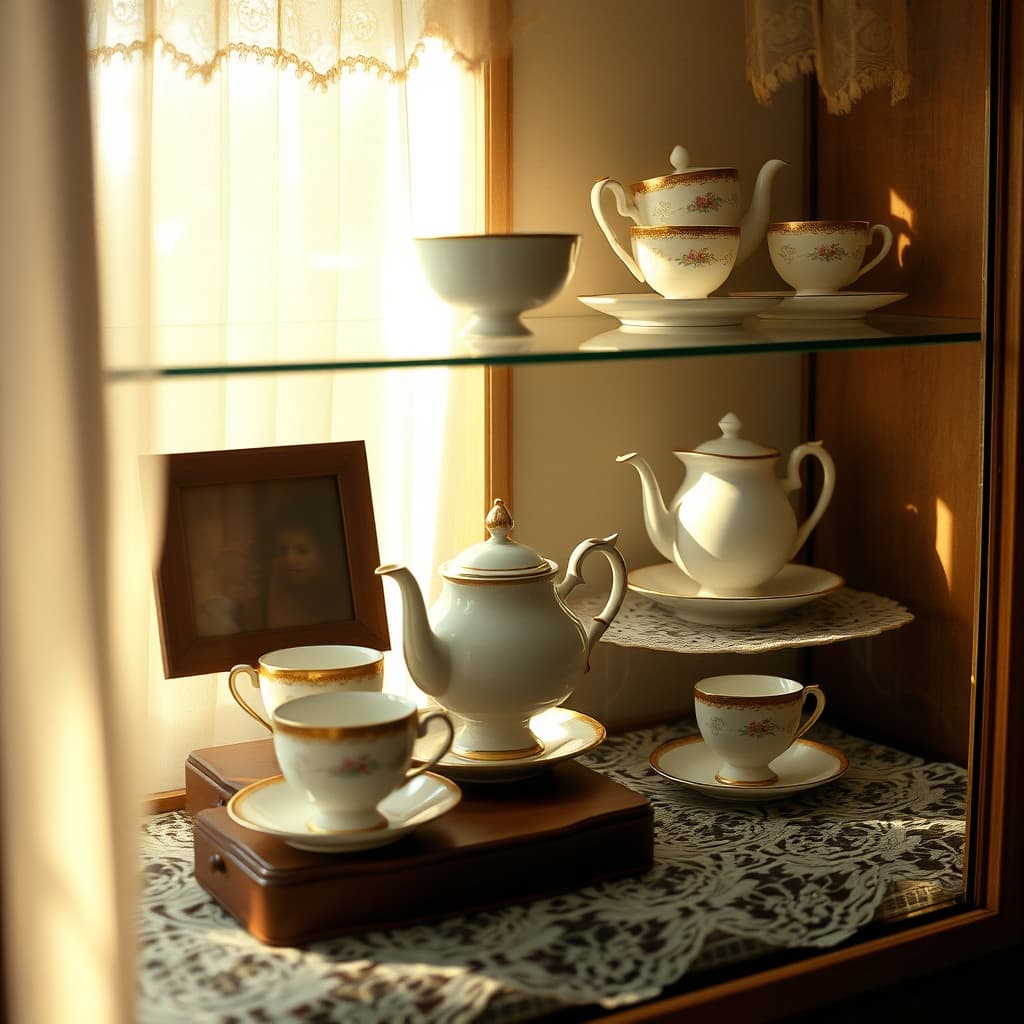
The vintage porcelain tea set is an iconic symbol of elegance and refinement, evoking memories of afternoon tea parties and delicate china. But have you ever wondered about the story behind this beloved design object? From its origins in 18th-century Europe to its current status as a highly sought-after collector's item, the vintage porcelain tea set has a rich and fascinating history. In this article, we'll delve into the world of porcelain tea sets, exploring their materials, craftsmanship, and cultural significance.
The Origins of Porcelain Tea Sets
Porcelain tea sets have their roots in 18th-century Europe, where they were first produced in countries such as England, France, and Germany. The earliest porcelain tea sets were made from a type of ceramic material called kaolin, which was discovered in China and later replicated in Europe. These early tea sets were highly prized for their beauty and durability, and were often decorated with intricate designs and patterns.
As the popularity of tea drinking grew throughout Europe, so did the demand for porcelain tea sets. By the 19th century, tea sets had become a staple of middle-class households, and were often used for special occasions such as afternoon tea parties. The tea sets were typically made up of several pieces, including a teapot, cups, saucers, and plates, and were often decorated with delicate patterns and designs.
The Craftsmanship of Porcelain Tea Sets
One of the most striking aspects of vintage porcelain tea sets is their exquisite craftsmanship. Each piece was carefully handmade by skilled artisans, who used techniques such as throwing, glazing, and painting to create the intricate designs and patterns. The level of detail and precision that went into creating these tea sets is truly remarkable, and is a testament to the skill and craftsmanship of the artisans who made them.
In addition to their beauty, porcelain tea sets were also highly functional. They were designed to be used, and were often made with a focus on durability and practicality. The tea sets were typically made from high-quality materials, such as porcelain and ceramic, which were resistant to chips and cracks. This meant that the tea sets could be used for many years, and were often passed down from generation to generation.
The Cultural Significance of Porcelain Tea Sets
Porcelain tea sets have played a significant role in many cultures throughout history. In Europe, they were often used as a symbol of wealth and status, and were highly prized for their beauty and rarity. In Asia, tea sets were often used in traditional tea ceremonies, where they were valued for their simplicity and elegance.
Today, vintage porcelain tea sets are highly sought after by collectors and enthusiasts. They are prized for their beauty, rarity, and historical significance, and are often used as a way to connect with the past. Whether you're a seasoned collector or simply someone who appreciates the beauty of antique china, a vintage porcelain tea set is a truly special and unique item.
In conclusion, the vintage porcelain tea set is a timeless icon of elegance and refinement, with a rich and fascinating history. From its origins in 18th-century Europe to its current status as a highly sought-after collector's item, the porcelain tea set has played a significant role in many cultures throughout history. Whether you're interested in the craftsmanship, cultural significance, or simply the beauty of these tea sets, there's no denying the enduring appeal of the vintage porcelain tea set.
Eski Pano