🇹🇷 Türkçe | Parlayan Yüzeyde Saklı Sofra Hafızası: Pirinç Küllüğün Sessiz Estetiği
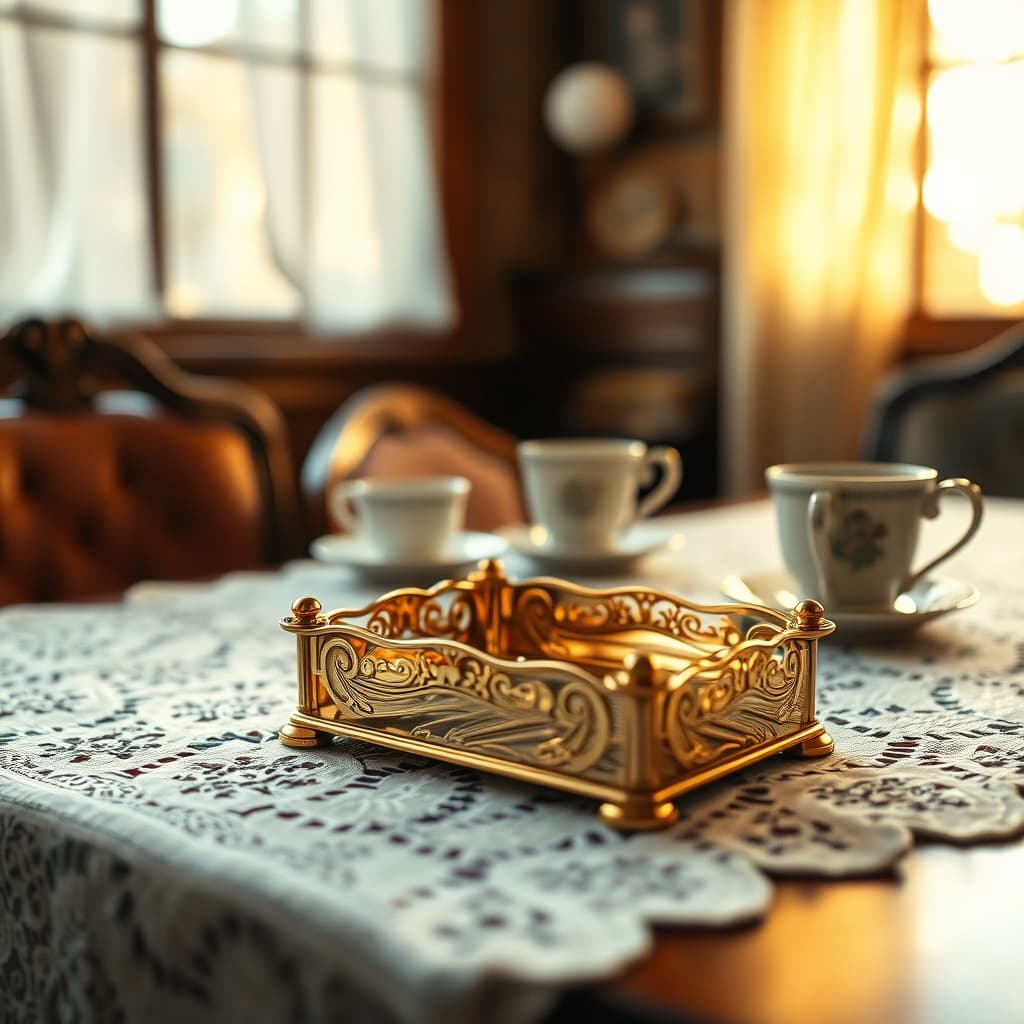
Bazı eşyalar konuşmaz ama bir dönemin görgüsünü, ev düzenini ve zevk anlayışını tek başına anlatır. Pirinç küllük de o sessiz anlatıcılardan biridir. Salon sehpasının köşesinde, kahve fincanlarının yanında ya da balkon masasının ortasında duran bu ağır ve parlak obje, yalnız işlevsel bir kap değildi; ev sahibinin tarzını, misafirle kurduğu mesafeyi ve dönemin estetik tercihlerini gösteren küçük bir işaretti. Öğleden sonra ikram edilen kahvenin buharı yükselirken küllüğün yüzeyinde perde aralığından sızan ışık kırılır, odanın havası bir anda daha “düzenlenmiş” görünürdü.
Pirinç malzemenin seçimi tesadüf değildi. Dayanıklılığı, sıcak tonu ve zamanla kazandığı patina, gündelik kullanım objesini neredeyse koleksiyon değerinde bir parçaya dönüştürürdü. Evlerde genellikle haftalık temizlikte kül tablası ayrı bir bezle parlatılır, üzerindeki izler limonla ya da özel macunlarla silinirdi. Bu bakım ritüeli, eşyanın yalnız temiz tutulması değil, saygı görmesi anlamına gelirdi. Çünkü o dönem için misafir ağırlamak, yalnız ikram hazırlamak değil; masadaki objelerin uyumunu da gözetmekti. Pirinç küllük, dantel örtü, kristal şekerlik, ince belli bardak ve duvar saatiyle birlikte bütün bir kompozisyonun parçasıydı.
Koleksiyonerlerin bugün bu parçalara iz sürmesinin nedeni de burada yatar. Her küllük aynı değildir: bazıları geometrik çizgilidir, bazıları çiçek kabartmalı, bazıları otel ya da vapur hatırası taşır, bazılarıysa yerel zanaatkârın el izini gösterir. Altındaki damga, üretim tekniği, kenar kalınlığı, ağırlık dengesi gibi ayrıntılar, objeyi yalnız “eski eşya” olmaktan çıkarıp kültürel belgeye dönüştürür. Bu parçaları toplayanlar aslında bir dönemin sofra alışkanlıklarını, salon adabını ve maddi kültürünü de arşivler. Bir pirinç küllüğe bakarken, o evde kimlerin oturup konuştuğunu, hangi müziğin çaldığını, hangi akşamların uzadığını hayal etmek mümkündür.
Bugün tütün kültürüne dair toplumsal yaklaşım büyük ölçüde değişmiş olabilir; ancak pirinç küllüğün tasarım değeri ve hafıza taşıyıcılığı hâlâ güçlüdür. Çünkü obje hikâyeleri yalnız kullanım alışkanlıklarını değil, bir dönemin estetik kodlarını da görünür kılar. Pirinç yüzeyde biriken ince çizikler, aslında yıllarca kurulmuş sohbetlerin, tekrarlanan ev ziyaretlerinin ve gündelik hayatın törensiz ama özenli ritminin izidir. Bu yüzden pirinç küllük, koleksiyonerin rafında duran nostaljik bir parça olmanın ötesinde, geçmişin zevk anlayışını bugüne taşıyan küçük bir zaman aynasıdır.
Ayrıca bu objenin bugünkü değeri, geçmişe romantik bir bakıştan ibaret değildir; zanaat bilgisini koruma meselesidir. Pirinç döküm teknikleri, elde işleme izleri ve yüzey bitirme yöntemleri, modern seri üretimde giderek azalan bir ustalık repertuvarını temsil eder. Koleksiyonerler bu yüzden yalnız bir eşya satın almaz, aynı zamanda kaybolmaya yüz tutan üretim dilini de kayıt altına alır. Bir pirinç küllüğü incelerken görülen her detay, gündelik estetiğin ardındaki emek tarihini yeniden okunur kılar.
Bu nedenle pirinç küllük, geçmişte kalmış bir alışkanlığın kalıntısı değil; tasarım belleğinin, ev kültürünün ve el işçiliğinin kesiştiği yaşayan bir tanıktır.
🇬🇧 English | Table Memory on a Shining Surface: The Quiet Aesthetic of the Brass Ashtray
Some objects do not speak, yet they tell an era’s etiquette, domestic order, and sense of taste almost by themselves. The brass ashtray is one of those quiet narrators. Placed at the corner of a living-room table, beside coffee cups, or in the center of a balcony setting, this heavy, shining object was never just a functional container. It signaled the host’s style, the social distance set for guests, and the aesthetic preferences of the period. As afternoon coffee steam rose, light slipping through curtains would break across the brass surface, making the room appear subtly more composed.
The choice of brass was not accidental. Its durability, warm tone, and patina developing over time transformed a daily-use item into something close to a collectible artifact. In many homes, ashtrays were polished with separate cloths during weekly cleaning, and marks were removed with lemon or special pastes. This maintenance ritual meant more than hygiene; it expressed respect for the object. Hosting guests at that time was not only about serving refreshments, but also about keeping visual harmony on the table. The brass ashtray belonged to a wider composition that included lace covers, crystal sugar bowls, tulip-shaped tea glasses, and a wall clock.
That is also why collectors now pursue these pieces so carefully. No two ashtrays are exactly alike: some feature geometric lines, others floral reliefs; some carry hotel or ferry memories, others show the hand of a local artisan. Details such as bottom stamps, production methods, rim thickness, and weight distribution turn the piece from “old object” into cultural evidence. People who collect brass ashtrays are often archiving more than metal items; they are preserving table customs, living-room manners, and everyday material culture of a vanished social rhythm. Looking at one such object, you can almost imagine who sat around that table, what music played, and which evenings stretched late into conversation.
Public attitudes toward smoking culture may have changed significantly today, yet the design value and memory-carrying power of brass ashtrays remain strong. Object stories reveal not only habits of use, but the aesthetic codes of an age. Fine scratches on polished brass are traces of years of conversation, repeated visits, and an unceremonious yet careful rhythm of ordinary life. For that reason, the brass ashtray is more than a nostalgic shelf piece in a collector’s cabinet. It is a small mirror of time, reflecting how an era understood elegance in the details of daily living.
Its present value is not only sentimental nostalgia; it is also about preserving craft knowledge. Casting methods, hand-finishing marks, and surface treatments found on older brass pieces represent a repertoire of workmanship that mass production increasingly leaves behind. Collectors therefore do more than buy old objects. They archive production languages that might otherwise disappear. Each close inspection of a brass ashtray can reopen a labor history hidden inside ordinary household aesthetics, making the object relevant far beyond its original function.
🇧🇷 Português (Brasil) | Memória de Mesa na Superfície Brilhante: A Estética Silenciosa do Cinzeiro de Latão
Há objetos que não falam, mas contam sozinhos a etiqueta, a organização da casa e o gosto de uma época. O cinzeiro de latão é um desses narradores silenciosos. No canto da mesa da sala, ao lado das xícaras de café, ou no centro da mesa da varanda, essa peça pesada e brilhante não era apenas um recipiente funcional. Ela indicava o estilo do anfitrião, a forma de receber visitas e as preferências estéticas daquele período. Quando o vapor do café da tarde subia, a luz atravessando a cortina batia no latão e dava ao ambiente uma sensação de composição mais cuidadosa.
A escolha do latão não era por acaso. A durabilidade, o tom quente e a pátina construída com o tempo transformavam um objeto cotidiano em algo próximo de peça de coleção. Em muitas casas, o cinzeiro era polido com pano separado na limpeza semanal, e marcas eram removidas com limão ou pastas próprias. Esse cuidado não era só limpeza: era respeito pelo objeto. Receber bem, naquele contexto, não significava apenas oferecer comida e bebida, mas também manter harmonia visual na mesa. O cinzeiro de latão fazia parte de um conjunto com toalha rendada, açucareiro de cristal, copos finos de chá e relógio de parede.
É por isso que colecionadores seguem rastreando essas peças hoje. Nenhum cinzeiro é idêntico ao outro: alguns têm linhas geométricas, outros relevos florais; alguns trazem memória de hotel ou navio, outros revelam o trabalho de artesãos locais. Carimbo na base, técnica de produção, espessura da borda e equilíbrio de peso são detalhes que transformam a peça de “objeto antigo” em documento cultural. Quem coleciona cinzeiros de latão, na prática, também arquiva costumes de mesa, etiqueta da sala e cultura material de um tempo. Ao observar uma peça dessas, dá para imaginar quem conversava ali, que música tocava e quais noites se estendiam sem pressa.
Mesmo com a mudança social em torno da cultura do fumo, o valor de design e a força de memória do cinzeiro de latão continuam relevantes. Histórias de objetos não mostram apenas usos; revelam os códigos estéticos de uma era. Os riscos finos acumulados na superfície polida são vestígios de anos de conversa, visitas recorrentes e um ritmo cotidiano cuidadoso, embora sem pompa. Por isso, o cinzeiro de latão não é só item nostálgico na prateleira de colecionador. É um pequeno espelho do tempo, capaz de refletir como uma geração entendia elegância nos detalhes da vida comum.
Esse valor atual também não se resume à nostalgia afetiva; envolve preservar saberes de ofício. Técnicas de fundição, marcas de acabamento manual e tratamentos de superfície presentes nessas peças antigas representam um repertório de trabalho cada vez mais raro na produção em série. Por isso, o colecionador não guarda apenas um objeto: ele arquiva uma linguagem de fabricação que pode desaparecer. Ao observar de perto um cinzeiro de latão, reencontramos não só lembranças domésticas, mas também a história do trabalho artesanal escondida no cotidiano.