
Skip to content

Eski Pano

🇹🇷 Geçmişin güzelliğini keşfedin 🇬🇧 Exploring the beauty of the past 🇧🇷 Explorando a beleza do passado

Menu
  • Hakkımızda | About Us | Sobre Nós
  • İletişim | Contact | Contato
Menu

Fırında Patates Oturtması Günleri: Unutulan Mutfak Alışkanlıklarını Nasıl Geri Çağırıyor | the Days of Baked Potato Oturtma: How Does It Call Back Forgotten Kitchen Habits? | Os Dias do Patates Oturtması No Forno: Como Faz Voltar Hábitos Esquecidos da Cozinha?
Posted on 11/04/2026 by admin

🇹🇷 Türkçe | Fırın Tepsisinde Yeniden Beliren Eski Mutfak Düzeni

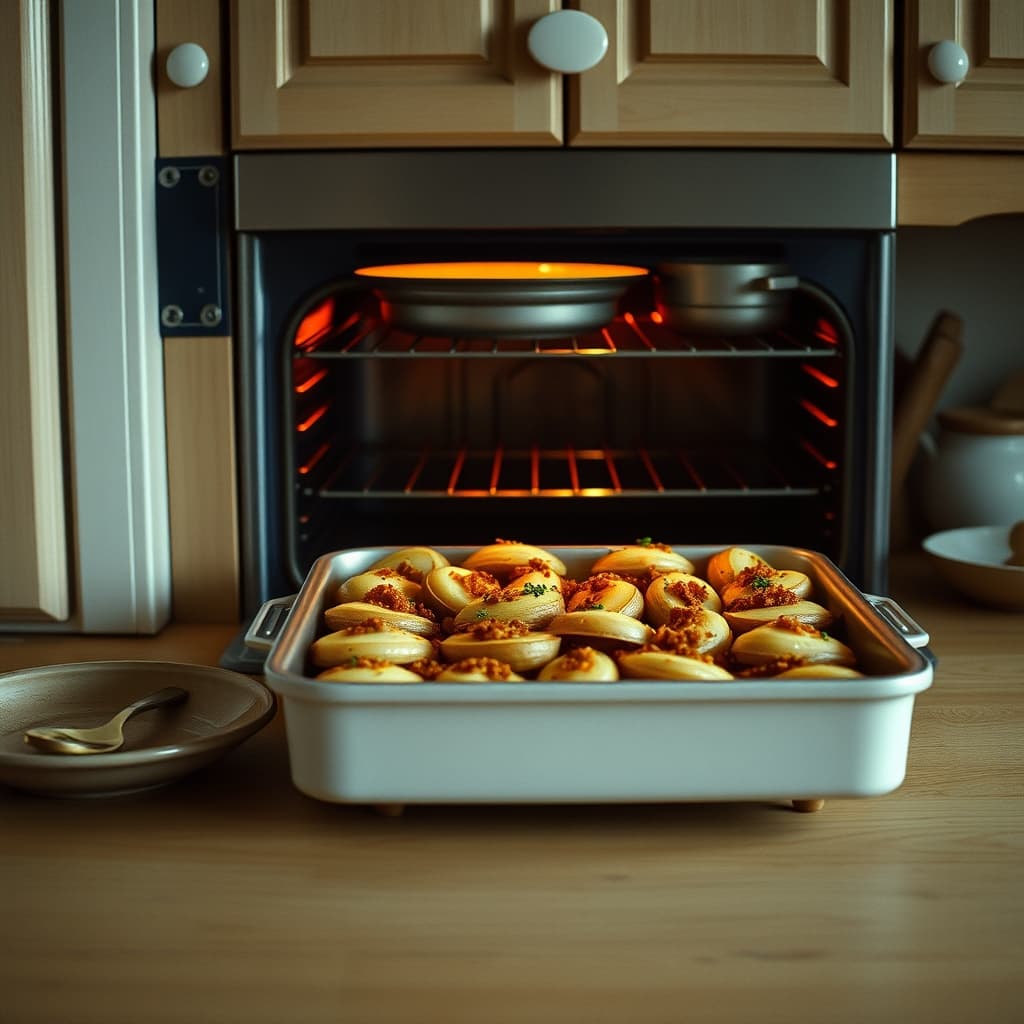
Bazı yemekler yalnız karın doyurmaz; evin eski çalışma biçimini de hatırlatır. Fırında patates oturtması böyle yemeklerden biridir. Tezgâha sırayla dizilen patatesler, kıyma ya da sebze harcının hazırlığı, tepsinin tabanına yayılan yağlı koku ve fırından yükselen ağır sıcaklık, mutfakta bir zamanlar hüküm süren düzenli emeği yeniden görünür kılar. Bu yemek aceleyle yapılmış bir öğün hissi vermez. Daha çok, günün belli bir bölümünü mutfağa ayıran, ön hazırlığı önemseyen ve bütün evin kokusunu yemeğin pişme süresine göre ayarlayan eski alışkanlıkları çağırır. Patates oturtması pişerken evin içinde oluşan sessiz bekleyiş, unutulmuş mutfak ritimlerinin yeniden canlandığını düşündürür.

Damak Hafızası içinde bu yemeğin yeri, yalnız lezzetinden değil, katmanlı hazırlanışından gelir. Patateslerin soyulması, kimi evde önceden hafif kızartılması, iç harcın ayrı tavada çevrilmesi, salçalı sosun kararının ayarlanması ve bütün bunların tepside düzenli biçimde buluşturulması, eski mutfak kültürünün planlı yapısını gösterir. Birçok evde yemek yapmak yalnız tarif uygulamak değil, hazırlık sırasını bilmekti. Hangi işin önce yapılacağı, tepsiye neyin nasıl dizileceği, fırına vermeden önce üstüne ne kadar sos döküleceği gibi ayrıntılar, el alışkanlığı kadar aile bilgisini de taşırdı. Patates oturtması bu yüzden unutulan mutfak alışkanlıklarını geri çağırır; çünkü o alışkanlıkların temelinde sabır, sıra ve ölçü vardır.

Bu yemeğin hafızada güçlü kalmasının bir nedeni de fırın tepsisinin ev içindeki merkezî rolüdür. Tepsi mutfağın sessiz sahnesi gibidir: hazırlık onun üstünde tamamlanır, malzemeler orada nihai düzenini bulur, yemek oradan sofraya taşınır. Patates dilimlerinin kat kat yerleşmesi, aralarına harcın yayılması, üst yüzeyin hafifçe kızaracağı anın beklenmesi, ailece yenilecek bir yemeğin görünür kuruluşudur. Eski mutfaklarda bu görüntü aynı zamanda evin toplu hâlini de anlatırdı. Çünkü fırında yapılan yemekler genellikle bir kişinin hızlı atıştırmasından çok, herkesin aynı sofrada buluşacağı akşamları düşündürürdü. Oturtma bu yüzden sadece yemek değil, masa etrafında toplanma niyetidir.

Gündelik hayat örnekleri, unutulan alışkanlıkların nasıl geri çağrıldığını daha açık biçimde gösterir. Patateslerin soyulurken bir köşede birikmesi, fırının önceden ısıtılması, küçük bir kaşıkla sosun tepsinin her yanına eşit dağıtılması ve pişerken kapağın ya da fırın kapağının sabırsızlıkla açılıp içine bakılması, eski mutfak terbiyesinin parçalarıdır. Çocuklara “daha kızarmadı” denir, salata o sırada hazırlanır, ekmeğin alınıp alınmadığı sorulur. Yemek yalnız mutfakta pişmez; evin akşam düzenini de kurar. Bu nedenle patates oturtması, tarif olmaktan çok, ev içi koordinasyonun ve alışılmış rollerin kokulu bir hatırlatıcısıdır.

Bugün bu tür yemeklerin yeniden yapılması, pratik tarif bolluğu içinde yavaşlamayı da beraberinde getirir. Fırında patates oturtması insana, malzemeyi üst üste koymanın ötesinde bir hazırlık disiplini olduğunu hatırlatır. Bir şeyin lezzetli olması için biraz beklenmesi, katmanlarının doğru sırayla yerleşmesi ve sofraya ulaşmadan önce evi kendi kokusuyla doldurması gerekir. Bu yüzden bu yemek unutulan mutfak alışkanlıklarını geri çağırırken, yalnız eski tarifleri değil; o tariflerin etrafındaki ev hayatını da çağırır. Mutfak yeniden bir geçiş alanı değil, evin kalbi gibi hissedilir.

Sonuçta fırında patates oturtması günleri, eski mutfak kültürünün neden hâlâ özlendiğini açık biçimde gösterir. Bu yemek, sabrı, sırayı, birlikte yenme fikrini ve fırın tepsisinin etrafında kurulan ev düzenini yeniden hatırlatır. Geri dönen şey yalnız bir tat değildir; unutulmuş bir mutfak terbiyesidir. Bu yüzden patates oturtması piştiğinde, geçmiş sadece sofraya gelmez; mutfağın çalışma biçimi de eve geri döner.


🇬🇧 English | The Old Kitchen Order Reappearing on the Baking Tray

Some dishes do more than satisfy hunger. They also recall an older way the home once worked. Baked potato oturtma is one of those dishes. The potatoes lined up on the counter, the preparation of minced or vegetable filling, the rich scent spreading across the tray, and the heavy warmth rising from the oven all make visible once again the ordered labor that used to rule the kitchen. This does not feel like a meal thrown together in haste. It feels instead like one of those dishes that requires a part of the day to be given over to the kitchen, values preparation, and lets the smell of cooking set the atmosphere of the house. While the potato oturtma bakes, the quiet waiting that forms indoors suggests that forgotten kitchen rhythms have begun to live again.

Within taste memory, the place of this dish comes not only from flavor, but from the layered way it is prepared. Peeling the potatoes, lightly frying them first in some homes, turning the filling in a separate pan, adjusting the tomato-based sauce, and then bringing all of this together in orderly form on the tray reveal the structured nature of older kitchen culture. In many homes, cooking was not merely applying a recipe, but knowing the order of preparation. Which task came first, how each layer should be arranged, and how much sauce should be poured before placing the tray into the oven were details that carried not only habit of hand, but family knowledge. That is why potato oturtma calls back forgotten kitchen habits: at the foundation of those habits lie patience, sequence, and measure.

Another reason this dish remains strong in memory is the central role of the baking tray inside domestic life. The tray is like the quiet stage of the kitchen: preparation is completed upon it, the ingredients find their final order there, and the meal travels from it to the table. The layered placing of the potatoes, the spreading of the filling between them, and the waiting for the top to brown slightly all make visible the formation of a dish meant to be eaten together. In older kitchens, that sight also spoke of the house in its gathered form. Oven dishes usually suggested not a quick solitary bite, but evenings when everyone would meet at the same table. Oturtma therefore means not only food, but the intention of gathering.

The details of daily life show more clearly how forgotten habits return through this meal. Potatoes accumulating in a corner while being peeled, the oven preheated in advance, sauce distributed evenly over the tray with a small spoon, and the impatient opening of the oven door to check the surface are all parts of an older kitchen discipline. Children are told, “It has not browned yet,” the salad is prepared in the meantime, and someone asks whether bread has been bought. The meal does not cook only in the kitchen. It also organizes the evening order of the household. For that reason, potato oturtma is less a recipe than a fragrant reminder of domestic coordination and familiar roles.

To make such a dish again today also means slowing down amid the abundance of practical recipes. Baked potato oturtma reminds a person that there is more to cooking than merely piling ingredients on top of one another. For something to be delicious, it must wait a little, its layers must settle in the right order, and before reaching the table it must fill the home with its own scent. That is why, when this dish calls back forgotten kitchen habits, it recalls not only old recipes, but the home life that surrounded those recipes. The kitchen ceases to feel like a place one passes through and begins to feel once more like the heart of the house.

In the end, the days of baked potato oturtma show very clearly why older kitchen culture is still missed. This dish recalls patience, sequence, the idea of eating together, and the domestic order built around the baking tray. What returns is not merely a flavor, but a forgotten kitchen discipline. When potato oturtma is in the oven, the past does not simply come to the table. The kitchen’s older way of working returns to the home as well.


🇧🇷 Português (Brasil) | A Antiga Ordem da Cozinha que Reaparece na Assadeira

Alguns pratos fazem mais do que matar a fome. Eles também lembram uma antiga maneira de a casa funcionar. O patates oturtması no forno é um desses pratos. As batatas alinhadas sobre a bancada, o preparo do recheio de carne moída ou legumes, o cheiro mais intenso se espalhando pela assadeira e o calor pesado subindo do forno tornam visível de novo o trabalho organizado que antes governava a cozinha. Não é uma refeição que parece ter sido feita às pressas. Pelo contrário, lembra aqueles pratos que pediam uma parte do dia dedicada à cozinha, valorizavam o pré-preparo e deixavam o aroma do cozimento ajustar o clima da casa. Enquanto o patates oturtması assa, a espera silenciosa que se forma no interior sugere que antigos ritmos da cozinha estão voltando à vida.

Dentro da memória do paladar, o lugar desse prato vem não apenas do sabor, mas do modo em camadas como ele é preparado. Descascar as batatas, em algumas casas fritá-las levemente antes, refogar o recheio em outra panela, acertar o molho de tomate e então reunir tudo na assadeira de forma ordenada revelam a estrutura planejada da antiga cultura da cozinha. Em muitas casas, cozinhar não era apenas seguir uma receita, mas conhecer a ordem do preparo. Saber o que vinha primeiro, como cada camada devia ser montada e quanto molho colocar antes de levar ao forno eram detalhes que carregavam tanto o costume das mãos quanto um saber de família. É por isso que esse prato faz voltar hábitos esquecidos da cozinha: na base desses hábitos estavam a paciência, a sequência e a medida.

Outra razão para esse prato permanecer tão forte na memória está no papel central da assadeira dentro da vida doméstica. A assadeira é como o palco silencioso da cozinha: ali o preparo se completa, os ingredientes encontram sua forma final e dali a comida segue para a mesa. A disposição em camadas das batatas, o recheio espalhado entre elas e a espera pelo momento em que a superfície vai dourar tornam visível a construção de um prato feito para ser comido em conjunto. Nas cozinhas antigas, essa imagem também falava da casa em seu estado reunido. Pratos de forno lembravam menos um lanche rápido de uma só pessoa e mais noites em que todos se sentariam à mesma mesa. O oturtma, assim, significa não só comida, mas intenção de reunião.

Os detalhes do cotidiano mostram com mais clareza como hábitos esquecidos retornam por meio desse prato. As batatas se acumulando num canto enquanto são descascadas, o forno aquecido antes, o molho distribuído com uma colher pequena por toda a superfície e a abertura ansiosa da porta do forno para espiar o ponto são partes de uma antiga disciplina da cozinha. Diz-se às crianças que “ainda não dourou”, a salada é preparada nesse meio-tempo, e alguém pergunta se o pão já foi comprado. A refeição não cozinha apenas na cozinha. Ela também organiza a ordem da noite dentro de casa. Por isso o patates oturtması é menos uma receita e mais uma lembrança perfumada de coordenação doméstica e de papéis habituais.

Preparar de novo um prato assim hoje também significa desacelerar em meio à abundância de receitas práticas. O patates oturtması no forno lembra que cozinhar é mais do que apenas empilhar ingredientes. Para algo ficar saboroso, é preciso esperar um pouco, deixar as camadas se assentarem na ordem certa e permitir que, antes de chegar à mesa, o prato encha a casa com seu próprio cheiro. Por isso, quando esse prato faz voltar hábitos esquecidos da cozinha, ele traz de volta não só receitas antigas, mas a vida doméstica que existia ao redor delas. A cozinha deixa de parecer um lugar de passagem e volta a parecer o coração da casa.

No fim, os dias de patates oturtması no forno mostram com clareza por que a antiga cultura da cozinha ainda faz falta. Esse prato relembra a paciência, a sequência, a ideia de comer junto e a ordem doméstica construída ao redor da assadeira. O que retorna não é apenas um sabor, mas uma disciplina esquecida da cozinha. Quando o oturtma está no forno, o passado não chega somente à mesa. O antigo modo de trabalhar da cozinha também volta para dentro de casa.


Category: Damak Hafızası / Taste of Memory / Memória do Paladar

Yazı gezinmesi

← Boza Gecelerinin Sıcaklığı Neden Eski Şehir Hayatının Kalbinde Yer Etti | Why Did the Warmth of Boza Nights Settle in the Heart of Old City Life? | Por Que o Calor Das Noites de Boza Ocupou o Coração da Antiga Vida Urbana?

Bir yanıt yazın Yanıtı iptal et

E-posta adresiniz yayınlanmayacak. Gerekli alanlar * ile işaretlenmişlerdir

🇹🇷 Retro, Tarih ve Nostaljik Hikayeler
🇬🇧 Retro, History & Vintage Stories
🇧🇷 Histórias Retro, Históricas e Vintage

Son Yazılar | Recent Posts | Postagens recentes

  • Fırında Patates Oturtması Günleri: Unutulan Mutfak Alışkanlıklarını Nasıl Geri Çağırıyor | the Days of Baked Potato Oturtma: How Does It Call Back Forgotten Kitchen Habits? | Os Dias do Patates Oturtması No Forno: Como Faz Voltar Hábitos Esquecidos da Cozinha?
  • Boza Gecelerinin Sıcaklığı Neden Eski Şehir Hayatının Kalbinde Yer Etti | Why Did the Warmth of Boza Nights Settle in the Heart of Old City Life? | Por Que o Calor Das Noites de Boza Ocupou o Coração da Antiga Vida Urbana?
  • Desenli Çay Tepsisi ve Anneanne Evinin Değişmeyen Köşesi: Ustalık ve Sabrın İzini Neden Hâlâ Taşıyor | the Patterned Tea Tray and the Unchanging Corner of Grandmother’s House: Why Does It Still Carry the Trace of Craftsmanship and Patience? | A Bandeja de Chá Estampada E o Canto Imutável da Casa da Avó: Por Que Ainda Carrega o Rastro da Habilidade E da Paciência?
  • Salonda Toplanan Ailelerin Sessiz Heyecanı ve Telesekreter: Analog Çağın Unutulmayan Heyecanını Anlatıyor | the Quiet Excitement of Families Gathering in the Living Room and the Answering Machine: It Tells the Unforgotten Thrill of the Analog Age | A Emoção Silenciosa Das Famílias Reunidas Na Sala E a Secretária Eletrônica: Conta a Emoção Inesquecida da Era Analógica
  • Sokak Lambalarının Altında Büyüyen Anılarda Semt Pazarlarının Haftanın Nabzını Tuttuğu Sabahlar: Unutulan Ayrıntılarıyla Bize ne Söylüyor Çiçek Kokulu Sokaklar | In the Memories That Grew Beneath the Streetlights, the Mornings When Neighborhood Markets Held the Pulse of the Week: What do Flower-Scented Streets Tell Us with Their Forgotten Details? | Nas Memórias Que Cresceram Sob as Luzes da Rua, as Manhãs Em Que as Feiras de Bairro Marcavam o Ritmo da Semana: O Que Nos Dizem as Ruas Com Cheiro de Flores Em Seus Detalhes Esquecidos?

Son Yorumlar | Recent Comments | Comentários recentes

  1. Susiewedia - Seramik Sürahi ve Gündelik Kullanımın İçinde Görünmeden Bıraktığı İz: bir Dönemin Zevk Anlayışını Nasıl Yansıttı | the Ceramic Pitcher and the Trace İt Left Almost İnvisibly in Everyday Use: How İt Reflected an Era’s Sense of Taste | A Jarra de Cerâmica E o Rastro Quase İnvisível Que Deixou No Uso Cotidiano: Como Refletiu o Senso de Gosto de Uma Época
  2. GregoryLossy - Seramik Sürahi ve Gündelik Kullanımın İçinde Görünmeden Bıraktığı İz: bir Dönemin Zevk Anlayışını Nasıl Yansıttı | the Ceramic Pitcher and the Trace İt Left Almost İnvisibly in Everyday Use: How İt Reflected an Era’s Sense of Taste | A Jarra de Cerâmica E o Rastro Quase İnvisível Que Deixou No Uso Cotidiano: Como Refletiu o Senso de Gosto de Uma Época
  3. SheilaWex - Seramik Sürahi ve Gündelik Kullanımın İçinde Görünmeden Bıraktığı İz: bir Dönemin Zevk Anlayışını Nasıl Yansıttı | the Ceramic Pitcher and the Trace İt Left Almost İnvisibly in Everyday Use: How İt Reflected an Era’s Sense of Taste | A Jarra de Cerâmica E o Rastro Quase İnvisível Que Deixou No Uso Cotidiano: Como Refletiu o Senso de Gosto de Uma Época
  4. Susiewedia - Seramik Sürahi ve Gündelik Kullanımın İçinde Görünmeden Bıraktığı İz: bir Dönemin Zevk Anlayışını Nasıl Yansıttı | the Ceramic Pitcher and the Trace İt Left Almost İnvisibly in Everyday Use: How İt Reflected an Era’s Sense of Taste | A Jarra de Cerâmica E o Rastro Quase İnvisível Que Deixou No Uso Cotidiano: Como Refletiu o Senso de Gosto de Uma Época
  5. SheilaWex - Seramik Sürahi ve Gündelik Kullanımın İçinde Görünmeden Bıraktığı İz: bir Dönemin Zevk Anlayışını Nasıl Yansıttı | the Ceramic Pitcher and the Trace İt Left Almost İnvisibly in Everyday Use: How İt Reflected an Era’s Sense of Taste | A Jarra de Cerâmica E o Rastro Quase İnvisível Que Deixou No Uso Cotidiano: Como Refletiu o Senso de Gosto de Uma Época

Arşivler | Archives | Arquivos

  • Nisan 2026
  • Mart 2026
  • Şubat 2026

Kategoriler | Categories | Categorias

  • Damak Hafızası / Taste of Memory / Memória do Paladar
  • Mahalle Kültürü / Neighborhood Culture / Cultura do Bairro
  • Obje Hikayeleri / Object Stories / Histórias de Objetos
  • Teknoloji Mirası / Tech Heritage / Herança Tecnológica
  • Zamanın İzinde / Traces of Time / Trilhas do Tempo
eskipano.com'da yer alan bilgi, yorum ve değerlendirmeler yatırım danışmanlığı kapsamında değildir. Yatırım danışmanlığı hizmeti; aracı kurumlar, portföy yönetim şirketleri, mevduat kabul etmeyen bankalar ve yatırımcı arasında imzalanacak sözleşme çerçevesinde sunulmaktadır.

Sitede paylaşılan içerikler genel bilgilendirme amacı taşımakta olup, bunları hazırlayanların kişisel görüş ve değerlendirmelerine dayanabilir. Bu içerikler, ziyaretçilerin mali durumu ile risk ve getiri tercihleri dikkate alınarak hazırlanmış özel öneriler niteliğinde değildir. Bu nedenle yalnızca burada yer alan bilgi, yorum ve değerlendirmelere dayanılarak yatırım kararı verilmesi, beklentilere uygun sonuçlar doğurmayabilir.

eskipano.com üzerinde yayımlanan bazı içeriklerde reklam, sponsorluk, tanıtım, iş birliği, bağlı kuruluş bağlantıları (affiliate links) veya ticari yönlendirmeler yer alabilir. Bu tür içerikler, ilgili durumun niteliğine göre açıkça belirtilmeye çalışılsa da, kullanıcıların sitede yer alan her içeriği kendi değerlendirmeleri çerçevesinde incelemesi tavsiye edilir. Reklam, sponsorluk veya benzeri ticari unsurlar içeren içerikler, hiçbir şekilde kesin tavsiye, garanti ya da taahhüt anlamına gelmez.

eskipano.com'da yayımlanan içeriklerde doğruluk ve güncellik konusunda azami özen gösterilmekle birlikte, sitede yer alan bilgi ve verilerde oluşabilecek hata, eksiklik, gecikme ya da farklılıklardan; ayrıca bu bilgilerin kullanılması veya kullanılmaması nedeniyle ortaya çıkabilecek doğrudan ya da dolaylı zararlardan, kar kaybından veya üçüncü kişilerin uğrayabileceği zararlardan site yönetimi sorumlu tutulamaz.
  • Gizlilik Politikası | Privacy Policy | Política de Privacidade
  • Hakkımızda | About Us | Sobre Nós
  • İletişim | Contact | Contato
  • Site Haritası | Sitemap | Mapa do site
© 2026 Eski Pano | Powered by Minimalist Blog WordPress Theme