🇹🇷 Türkçe | Yayık Ayranının Etrafında Toplanan Sofralar: Paylaşma Kültürünü Taşıyan Gündelik Serinlik
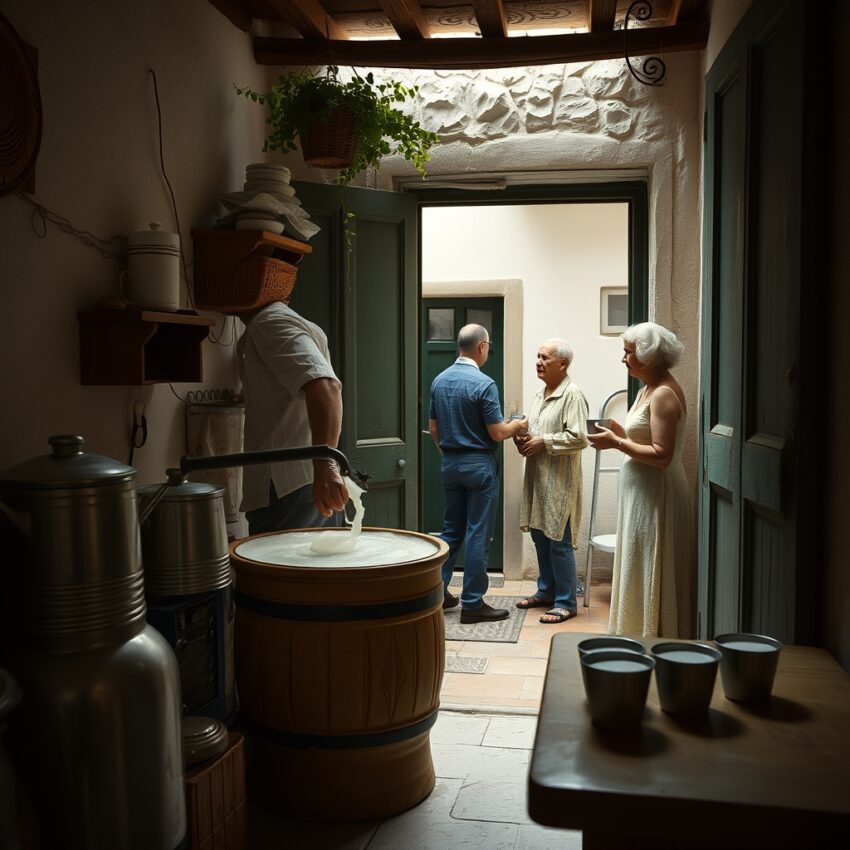
Yazın en sıcak günlerinde mahalle avlusundan ya da köyden şehre taşınan mutfaklardan bir ses duyulurdu: yayığın ritmik hareketi. Yoğurt, su ve tuzun birleştiği o basit karışım, sabit bir tempo ile köpürürken evin içinde serin bir telaş doğardı. Biri sürahiyi hazırlar, biri bakır tasları dizer, biri de “komşuya da gönderelim” derdi. Yayık ayranı böylece yalnız içecek değil, paylaşıma açılan bir günlük davet olurdu.
Damak Hafızası açısından yayık ayranı, lezzetin ötesinde toplumsal bir davranış kalıbı taşıyor. İçimi ferahlatan tadı kadar, hazırlanış biçimi de ortaklığa dayanıyor. Tek kişinin hızlıca yaptığı bir mutfak işi olmaktan çok, ev halkını aynı ritme çağıran küçük bir kolektif üretim. Ayran köpüğü ne kadar kabarırsa, “bereket” sözü o kadar sık anılırdı. Bu dil, yeme içme pratiğini doğrudan kültürel değere bağlıyordu.
Yayık ayranı günlerinin paylaşma kültürünü taşımasının temel nedeni, fazlanın saklanmak yerine dolaşıma sokulmasıydı. Bir sürahi ayran, komşu kapısına “sıcak bastı, içiniz serinlesin” notuyla gönderilirdi. Karşılığında bazen bir tabak dolma, bazen yeni pişmiş ekmek, bazen de sadece içten bir teşekkür gelirdi. Bu alışveriş ekonomik hesapla değil, gündelik karşılıklılık duygusuyla yürürdü. Mahallede güvenin görünür dili tam da bu küçük ikram trafiğiydi.
Çocukluk hafızasında yayık ayranı çoğu zaman bir yaz öğlesi görüntüsüyle birleşir: gölgede bekleyen metal bardaklar, alnında ter olan yetişkinler, oyun arasında mutfağa koşan çocuklar. İlk yudumdan sonra gelen “oh” sesi, yalnız susuzluğu değil günün sıcak stresini de dağıtırdı. Ayranın tadı, evin serin taş zeminiyle, pencere perdesinin kıpırtısıyla ve dışarıdaki cırcır böceği sesiyle birlikte hatırlanırdı. Yani damak hafızası burada çok duyulu bir arşivdir.
Bugün soğuk içecek seçenekleri arttı; market rafları ve teslimat sistemleri pratik çözümler sunuyor. Buna rağmen yayık ayranı günleri özel bir yerde duruyorsa, sebebi yalnız geleneksel tarif romantizmi değil. Asıl hatırlanan, bir içeceğin sosyal dolaşım üretmesi: komşuya uğramak, kısa bir sohbet etmek, “yarın bize de gelin” demek. Modern hızın içinde seyrekleşen bu temas, eski ayran günlerini duygusal olarak daha kıymetli kılıyor.
Bir dönemin paylaşma kültürü bazen büyük anlatılarda değil, bir tas ayranın elden ele geçişinde saklıdır. Yayık ayranı günleri bize, sofra kültürünün yalnız mideyi değil mahalle bağını da beslediğini hatırlatıyor. Serinlik sadece içeceğin sıcaklığı düşürmesi değil; insanların birbirine yaklaşmasını kolaylaştırmasıdır. Bu yüzden o günler bugün anıldığında, akla önce tarif değil, birlikte serinleme hâlinin zarif toplumsallığı geliyor.
Yayık ayranının kalıcı etkisi de burada toplanıyor: basit bir tarif, doğru bağlamda küçük bir topluluk pratiğine dönüşebiliyor. Hazırlayan el ile taşıyan el arasında kurulan kısa iş birliği, sofra kültürünü evden sokağa uzatıyor. Böylece içecek yalnız tüketilen bir ürün değil, gündelik ilişkileri tazeleyen bir araç hâline geliyor. Geçmişten bugüne taşınan asıl miras, bu ulaşılabilir paylaşma refleksi.
🇬🇧 English | Tables Gathering Around Churned Ayran: Everyday Coolness Carrying a Culture of Sharing
On the hottest days of summer, one sound often rose from courtyards and kitchens: the rhythmic motion of the churn. As yogurt, water, and salt blended into foam, a cool domestic bustle emerged. One person prepared pitchers, another lined up metal cups, another said, “Let’s send some to the neighbors.” Churned ayran thus became more than a drink; it became an everyday invitation to share.
From a culinary-memory perspective, churned ayran carries a social behavior pattern beyond flavor. Its refreshing taste matters, but its preparation method matters just as much. Rather than a solitary quick task, it calls household members into one rhythm of cooperative production. The more foam rose, the more often words like abundance and blessing appeared. In that language, food practice connected directly to cultural value.
Why did ayran days carry a sharing culture so strongly? Because surplus moved through people instead of being stored privately. A jug of ayran was sent to the neighbor with a simple message: the heat is heavy, may this cool you. In return came stuffed vegetables, fresh bread, or simply warm gratitude. The exchange was not market logic but daily reciprocity. This small traffic of treats made trust visible in neighborhood life.
In childhood memory, churned ayran often blends with a noon-summer image: metal cups resting in shade, adults wiping sweat, children running in from games for a quick drink. The first sip and immediate sigh of relief softened not only thirst but the stress of heat. Its taste remains linked with cool stone floors, moving curtains, and cicada sounds outdoors. Flavor memory here is a multisensory archive.
Today cold beverage options are endless, and delivery systems provide convenience in minutes. Yet if churned ayran days still hold emotional weight, the reason is not simple nostalgia for a traditional recipe. What endures is the social circulation one drink could generate: visiting a neighbor, sharing a short conversation, saying come by tomorrow. As such encounters thin in modern tempo, those ayran days gain stronger symbolic value.
A period’s sharing culture can survive not in grand narratives but in a bowl of ayran passed hand to hand. These days remind us that table culture nourishes social ties as much as the body. Coolness is not only a drop in temperature; it is also the ease with which people approach one another. That is why, when remembered now, the first image is not the recipe itself but the elegant togetherness of cooling down collectively.
The lasting force of churned ayran gathers in this detail: a simple recipe can become a small community practice when placed in the right social context. Cooperation between the hand that prepares and the hand that delivers extends table culture from home to street. The drink becomes not only consumed product but relational medium that refreshes daily bonds. What truly survives across time is this accessible reflex of sharing.
🇧🇷 Português (Brasil) | Mesas em Volta do Ayran Batido: O Frescor do Dia a Dia que Carrega a Cultura de Partilha
Nos dias mais quentes do verão, um som marcava pátios e cozinhas: o ritmo do batedor. Iogurte, água e sal se encontravam, e a espuma subia enquanto a casa entrava num movimento fresco. Uma pessoa separava as jarras, outra organizava copos de metal, e alguém dizia: “manda também para o vizinho.” Assim, o ayran batido era mais do que bebida; era convite cotidiano para compartilhar.
Pela lente da memória do paladar, o ayran batido leva um padrão social além do sabor. O gosto refrescante importa, mas o modo de preparo importa tanto quanto. Não era tarefa individual e rápida; era produção coletiva em pequena escala, chamando a família para o mesmo compasso. Quanto mais espuma, mais apareciam palavras como fartura e benção. A prática alimentar se ligava diretamente ao valor cultural.
Esses dias carregavam cultura de partilha porque o excedente circulava entre pessoas, em vez de ficar guardado. Uma jarra seguia para a porta do vizinho com recado simples: o calor apertou, tomem para refrescar. De volta vinha dolma, pão recém-assado ou apenas um agradecimento sincero. Não era troca comercial, era reciprocidade diária. Esse fluxo pequeno de gentileza deixava a confiança visível no bairro.
Na memória de infância, o ayran batido costuma vir junto de uma cena de meio-dia: copos metálicos na sombra, adultos suados, crianças correndo da brincadeira para a cozinha. O primeiro gole e o “ah” de alívio diminuíam sede e cansaço do calor. O sabor fica ligado ao piso frio da casa, à cortina mexendo e ao som de cigarras na rua. A memória gustativa, aqui, é arquivo de muitos sentidos.
Hoje há inúmeras opções geladas e serviços rápidos de entrega. Mesmo assim, os dias de ayran batido continuam especiais. O motivo não é só romantização de receita antiga. O que permanece é a circulação social que uma bebida criava: bater na porta, conversar dois minutos, combinar visita para o dia seguinte. Quando esse contato se torna raro, a lembrança ganha mais força.
A cultura de partilha de uma época às vezes sobrevive não em grandes discursos, mas num copo passado de mão em mão. Os dias de ayran lembram que cultura de mesa alimenta vínculo social além do corpo. Frescor não é apenas temperatura baixa; é também a facilidade de aproximação entre pessoas. Por isso, quando esse passado é lembrado, aparece primeiro a convivência elegante de refrescar junto, antes mesmo da receita.
A força duradoura do ayran batido se concentra justamente aí: uma receita simples pode virar prática comunitária quando encontra contexto social favorável. A cooperação entre a mão que prepara e a mão que entrega leva a cultura da mesa para além da cozinha. A bebida deixa de ser só consumo e vira meio de renovação de vínculos cotidianos. O legado que atravessa o tempo é esse gesto acessível de partilhar.