🇹🇷 Türkçe | Cızırtının İçindeki Umut: Salon Telsizlerinde Kurulan Aile Frekansı
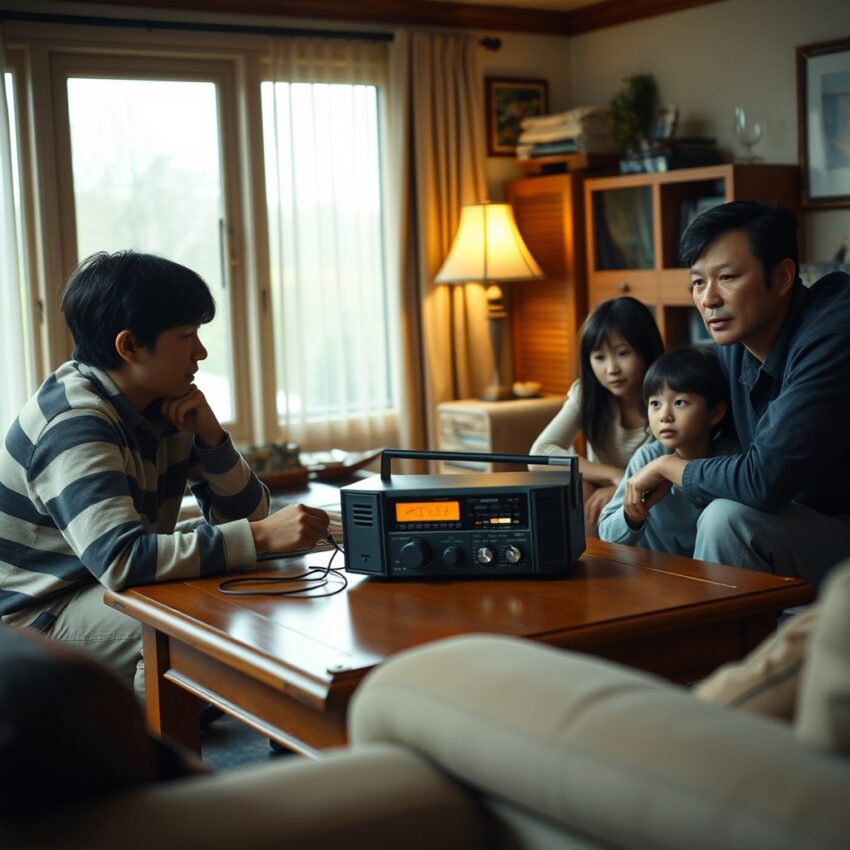
Akşam haberlerinden hemen önce, bazı evlerin salonlarında küçük bir tören başlardı. Sehpanın üzerine özenle yerleştirilmiş amatör telsizin düğmeleri tek tek kontrol edilir, antenin açısı perde kenarına göre ayarlanır, odadaki gereksiz sesler hafifçe kısılırdı. Çocuklar merakla yaklaşır ama “şimdi sessiz ol” uyarısıyla kanepeye geçerdi. O an, sıradan bir teknik kurulumdan fazlasıydı; ailece aynı sinyali beklemenin ritüeliydi.
Teknoloji Mirası içinde amatör telsiz, analog çağın hem mühendislik zekâsını hem toplumsal sabrını gösteren güçlü bir örnektir. Sinyal her zaman temiz gelmezdi. Hava koşulları, anten yönü, çevredeki elektrik paraziti ve cihazın ayarı sonucu değiştirirdi. Bu nedenle dinlemek pasif bir tüketim değil, dikkat isteyen bir ortak eylemdi. Bir frekans yakalandığında odadaki yüzler aynı anda aydınlanır, cızırtının ardından gelen net bir ses küçük bir zafer gibi karşılanırdı.
1980’ler ve 1990’larda telsiz merakı, pek çok kasaba ve şehirde teknik bir hobi olmanın ötesine geçti. Mahallede “telsizden iyi anlayan abi” figürü oluştu; komşular anten kablosu, lehim ucu ya da pil adaptörü için kapı çalmaya başladı. Böylece cihaz yalnız sahibine ait kalmadı, bilgi paylaşımıyla çevresinde küçük bir dayanışma ağı kurdu. Gençler direnç, bobin, lehim gibi kavramları ilk kez bu sohbetlerde duydu; teknik merak gündelik kültürün parçasına dönüştü.
Salon sahnesinin unutulmayan tarafı, aile içi rollerin aynı teknoloji etrafında yeniden kurulmasıydı. Baba frekans ararken anne çayı tazeler, çocuklar deftere ilginç çağrı kodlarını not ederdi. Bazen uzaktan gelen bir ses için herkes nefesini tutar, anlaşılmayan kelimeler tekrar dinlenirdi. O kısa bekleyişlerde zaman yavaşlar, evin gündelik telaşı bir süreliğine ortak bir dikkate bağlanırdı. Telsiz, ekran gibi tek yönlü bir izleme değil; birlikte katılınan bir işitsel yolculuk sunardı.
Bugünün dijital iletişim dünyasında bağlantı çok daha hızlı, berrak ve kesintisiz. Ama analog telsizin bıraktığı iz, kusursuzluğun değil emeğin hafızasında saklı. Cihazın sıcaklığı, metal düğmenin hissi, arka plandaki hafif uğultu ve frekansın yavaşça netleşmesi; bunlar bir neslin teknolojiyi “kullanıp geçmek” yerine “anlayıp sahiplenmek” biçiminde yaşadığını gösteriyor. Kırılınca atmak değil, tamir etmek; bilmeyeni küçümsemek değil, öğretmek daha yaygın bir davranıştı.
Amatör telsizin unutulmayan heyecanı tam burada: cızırtının içinden gelen ses, sadece uzak bir konuşmayı değil, aile içinde kurulan güvenli bir ortak alanı da taşıyordu. Salonun ortasında toplanan insanlar, görünmez dalgaları birlikte çözerken birbirini daha dikkatli dinlemeyi öğreniyordu. Analog çağ geride kalmış olabilir; fakat o çağdan kalan en kıymetli miras hâlâ güncel: teknoloji, doğru kullanıldığında yalnız cihaz değil, ilişki de kurar.
Bu hafızanın kalıcı olmasının bir başka nedeni, ev içi sessizlik disiplinidir. Telsiz açıkken herkes birbirinin sözünü kesmemeyi, küçük bir işaretle anlaşmayı ve doğru anda konuşmayı öğrenirdi. Yani cihaz, teknik bir meraktan fazlasını üretir; dinleme terbiyesiyle aile içi iletişimi incelten bir ortak dil kurardı.
🇬🇧 English | Hope Inside Static: The Family Frequency Built Around Living-Room Radios
In many homes, just before the evening news hour, a small ritual began in the living room. An amateur radio set was placed carefully on the table, knobs were checked one by one, antenna angle was adjusted near the curtain, and unnecessary noise in the room was lowered. Children came closer with curiosity, then moved back to the sofa after a quiet “not now.” That moment was more than technical setup. It was a family ritual of waiting for the same signal together.
Within technology heritage, amateur radio is a clear example of both analog engineering intelligence and social patience. Signals did not always arrive clean. Weather, antenna direction, electrical interference, and device calibration all affected reception. Listening therefore became a shared act requiring attention, not passive consumption. When a frequency was captured, faces in the room brightened at once, and a clear voice after static felt like a small collective victory.
In the 1980s and 1990s, radio hobby culture in many towns moved beyond individual pastime. Neighborhoods often had one “radio-savvy older brother” people consulted for antenna cables, soldering tips, or power adapters. The device no longer belonged only to one owner; it created a micro-network of cooperation through knowledge exchange. Young people first heard terms like resistor, coil, and solder in these conversations, and technical curiosity entered everyday cultural life.
The unforgettable part of the living-room scene was how family roles were reorganized around one piece of technology. While the father searched frequencies, the mother refreshed tea, children wrote interesting call signs in notebooks. Sometimes everyone held their breath for a distant voice, replaying unclear words. In those brief waiting windows, time slowed down and household rush gave way to shared focus. Unlike one-way screen consumption, radio offered a participatory listening journey.
Today, digital communication is faster, cleaner, and almost uninterrupted. Yet the memory of analog radio survives not because it was perfect, but because it required care. Device warmth, tactile metal knobs, low background hum, and slowly sharpening reception reveal a generation that did not simply use technology and move on, but tried to understand and own it. When something broke, people repaired it. When someone did not know, others taught.
The lasting excitement of amateur radio lives exactly there: voices emerging from static carried not only distant conversation, but also a secure shared space within the family. As people gathered in one room to decode invisible waves, they learned to listen to one another with greater attention. The analog era may be behind us, yet one of its strongest lessons remains timely: when used well, technology does not only connect devices, it connects people.
🇧🇷 Português (Brasil) | Esperança no Chiado: A Frequência Familiar Criada pelo Rádio na Sala
Em muitas casas, pouco antes do horário do jornal da noite, começava um pequeno ritual na sala. O rádio amador era colocado com cuidado sobre a mesa, os botões eram conferidos um a um, a antena era ajustada perto da cortina e os ruídos da casa diminuíam. As crianças se aproximavam com curiosidade, mas logo ouviam um “agora silêncio” e voltavam para o sofá. Aquele momento era mais que ajuste técnico: era uma espera coletiva pelo mesmo sinal.
No legado tecnológico, o rádio amador mostra com força a combinação de engenharia analógica e paciência social. O sinal nem sempre chegava limpo. Clima, posição da antena, interferência elétrica e regulagem do aparelho mudavam o resultado. Por isso, ouvir era um ato ativo, compartilhado e atento, não consumo passivo. Quando a frequência encaixava, os rostos se iluminavam ao mesmo tempo, e uma voz nítida depois do chiado virava pequena vitória da família.
Nos anos 1980 e 1990, esse interesse saiu do campo do hobby individual em muitas cidades. Surgiu a figura do vizinho “que entende de rádio”, procurado para cabo de antena, ponta de solda ou adaptador de energia. Assim, o aparelho deixou de ser objeto isolado e virou ponto de troca de conhecimento. Muitos jovens ouviram pela primeira vez palavras como resistor, bobina e solda nesses encontros, levando curiosidade técnica para dentro da rotina cultural do bairro.
O lado mais marcante dessa cena era a redistribuição dos papéis familiares ao redor de uma tecnologia. Enquanto o pai buscava frequência, a mãe renovava o chá e as crianças anotavam códigos de chamada em um caderno. Às vezes, todos prendiam a respiração para entender uma voz distante. Nessas pausas curtas, o tempo parecia desacelerar e a correria doméstica se transformava em atenção comum. Diferente de uma tela unilateral, o rádio convidava à participação.
Hoje, a comunicação digital é muito mais rápida e estável. Ainda assim, a lembrança do rádio analógico permanece porque ela guarda o valor do cuidado. O calor do aparelho, o toque metálico do botão, o zumbido ao fundo e a clareza surgindo aos poucos mostram uma geração que não apenas usava tecnologia, mas procurava compreendê-la. Quando quebrava, consertava-se. Quando alguém não sabia, ensinava-se sem pressa.
A emoção que ficou do rádio amador está exatamente aí: a voz que saía do chiado não trazia só mensagem distante, mas também um espaço seguro de convivência dentro de casa. Reunida na sala para decifrar ondas invisíveis, a família aprendia a escutar melhor. A era analógica pode ter passado, mas seu recado continua atual: tecnologia, quando bem vivida, conecta mais do que aparelhos; conecta pessoas.