🇹🇷 Türkçe | Gökyüzüne Gerilen Perde, Mahalleye Yayılan Heyecan: Yazlık Sinema İkindilerinin Hafızadaki Serinliği
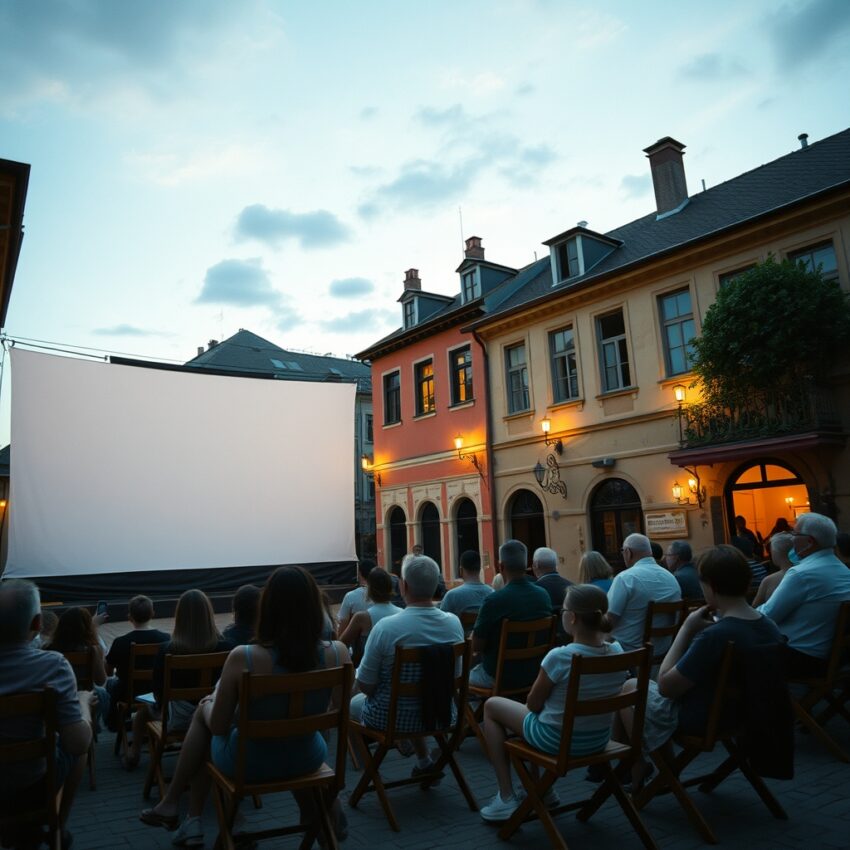
İkindi güneşi duvarların üzerinden çekilmeye başladığında, eski şehirlerde akşamın kendine ait bir hazırlığı olurdu. Yazlık sinemanın kurulacağı boşlukta sandalyeler dizilir, beyaz perde iki direk arasına gerilir, bilet kulübesinin küçük camında ilk ışık yanardı. Çocuklar kapı önlerinde bekleşir, büyükler “hava biraz daha serinlesin” diye acele etmeden yürürdü. O saatlerde mahalle, gündüz telaşından akşam ritüeline doğru yavaşça dönüşürdü.
Yazlık sinema sadece bir eğlence değil, ortak zaman kurma biçimiydi. Televizyonun tek kanallı döneminde, sinema gecesi haftanın ayrı bir sayfası sayılırdı. Kimi aileler evden çekirdek getirir, kimi gazozu girişte alır, kimi de komşusuna yer ayırmak için erken gelirdi. Filmin adı kadar birlikte izleme hali de önemliydi. Perdeye düşen ışık, aslında aynı sokakta yaşayan insanların birbirine yakınlığını da görünür kılardı.
Teknik düzenek son derece sadeydi ama etkisi büyüktü. Arka tarafta çalışan makinenin ritmik sesi, makaraların kokusu, arada titreşen görüntü; bunların hepsi o gecenin dokusuna karışırdı. Bir sahnede herkes aynı anda gülünce avlunun üstündeki açık gökyüzü bile sanki o kahkahayı geri yansıtırdı. Dramatik sahnelerde çıt çıkmaması, toplu bir nefes alışın mümkün olduğunu hatırlatırdı. Sessizlik bile birlikte yaşanan bir deneyime dönüşürdü.
Bu kültür, şehrin ekonomik ve sosyal yapısıyla da yakından ilişkiliydi. Sinema biletinin erişilebilir olması, farklı gelir gruplarını aynı sırada buluştururdu. Yan yana oturan terzi, memur, öğrenci ve esnaf; aynı hikâyeyi izlerken gündelik hayattaki mesafeleri bir süreliğine askıya alırdı. Yazlık sinema, kentsel kamusallığın sade ama güçlü bir örneğiydi. İnsanlar birbirini sadece tanımaz, birbirinin duygusuna da tanık olurdu.
İkindinin serinliği bu yüzden hafızada kalır: sadece hava değiştiği için değil, günün ritmi paylaşılabildiği için. Ezan sesiyle başlayan akşam, perdede beliren ilk kareyle başka bir tona geçerdi. Film bitince herkes bir anda dağılmaz, sokak lambalarının altında sahneler yeniden anlatılırdı. Ertesi gün bakkalda, berberde, okul yolunda aynı film konuşulur; böylece sinema, tek gecelik bir etkinlikten mahalle hafızasına uzanan bir hikâyeye dönüşürdü.
Bugün o yazlık sinemaları hatırlarken duyulan özlem, yalnızca eski filmlere değil, birlikte beklemeye ve birlikte etkilenmeye duyulan özlemdir. Gökyüzüne gerilen perdeler sökülmüş olabilir; fakat o perdelerin altında kurulan topluluk duygusu hâlâ şehir tarihinin en sıcak sayfalarından biridir. Serinleyen ikindiler, bu yüzden hâlâ canlıdır: çünkü insanlara aynı anda hayal kurdurmuş, aynı anda susmayı ve konuşmayı öğretmiştir.
Üstelik yazlık sinemalar, dönemin kent kültüründe çocuklara güvenli bir kamusal alan da açardı. Büyüklerin gözetiminde ama özgür bir hareket alanında geçirilen bu akşamlar, kuşaklar arası teması doğal bir biçimde güçlendirirdi. Film başlamadan önce paylaşılan çekirdek, ara verildiğinde alınan gazoz, çıkışta edilen kısa değerlendirmeler; hepsi birlikte yaşama terbiyesinin küçük parçalarıydı. Bu nedenle o ikindiler yalnızca serin bir hatıra değil, şehrin ortak eğitim alanlarından biri olarak da önem taşır.
🇬🇧 English | A Screen Stretched Toward the Sky, Excitement Spreading Through the Neighborhood: The Lasting Coolness of Summer Cinema Afternoons
When the afternoon sun began to retreat from old city walls, evenings followed a ritual of their own. In the open lot where the summer cinema would appear, chairs were lined up, a white screen was stretched between two poles, and the first light turned on inside the tiny ticket booth. Children waited by doorways, adults walked slowly, saying, “let the air cool a little more.” At that hour, the neighborhood moved gently from daytime rush into evening ceremony.
Summer cinema was never just entertainment; it was a way of producing shared time. In the single-channel television era, movie night felt like a separate page of the week. Some families brought sunflower seeds from home, some bought soda at the gate, some arrived early to save seats for neighbors. The film title mattered, yet the act of watching together mattered even more. The light on the screen made visible how close people in the same streets really were.
The technical setup was simple, but its emotional impact was immense. The rhythmic sound of the projector at the back, the smell of reels, occasional frame flicker, all of it became part of the night’s texture. When everyone laughed at the same scene, even the open sky above seemed to echo the sound back. During dramatic moments, complete silence reminded people that collective breathing was possible. Even silence became a shared experience.
This culture was deeply tied to the city’s social and economic fabric. Affordable tickets brought different income groups into the same row. Tailors, clerks, students, and shopkeepers watched one story side by side, suspending everyday distance for a while. Summer cinema was a plain yet powerful form of urban public life. People did not only recognize each other; they witnessed each other’s emotions.
That is why the coolness of those afternoons survives in memory: not only because the weather changed, but because the rhythm of the day was shared. Evening might begin with familiar street sounds, then shift tone with the first frame on the screen. After the film ended, no one rushed away. Scenes were retold under streetlights. The next day, in grocery lines, barber shops, and school roads, the same movie returned in conversation, turning one night into neighborhood memory.
What people miss today is not only old films but the practice of waiting together and being moved together. The screens once tied to the sky may be gone, yet the community feeling built beneath them remains one of the warmest pages of city history. Those cooling afternoons stay vivid because they taught people to imagine at the same moment, and to share both silence and speech.
🇧🇷 Português (Brasil) | A Tela Estendida para o Céu, a Expectativa Espalhada pelo Bairro: O Frescor das Tardes de Cinema de Verão na Memória
Quando o sol da tarde começava a sair das paredes da cidade antiga, a noite tinha um ritual próprio. No terreno onde o cinema de verão seria montado, cadeiras eram alinhadas, uma tela branca era esticada entre dois postes e a luz da pequena bilheteria se acendia. As crianças esperavam nas portas, e os adultos iam sem pressa, dizendo: “vamos quando o ar ficar mais fresco”. Nesse horário, o bairro passava do corre-corre do dia para uma cerimônia coletiva.
O cinema de verão nunca foi apenas diversão; era uma forma de construir tempo compartilhado. Na era da televisão de um canal, a noite de filme parecia uma página especial da semana. Algumas famílias levavam sementes de girassol de casa, outras compravam refrigerante na entrada, outras chegavam cedo para guardar lugar para vizinhos. O título do filme era importante, mas assistir junto era ainda mais. A luz projetada na tela revelava a proximidade real entre pessoas da mesma rua.
A estrutura técnica era simples, mas o efeito emocional era enorme. O som ritmado do projetor ao fundo, o cheiro dos rolos, a imagem tremendo de vez em quando, tudo virava parte da textura daquela noite. Quando todos riam da mesma cena, até o céu aberto parecia devolver a risada. Nas cenas dramáticas, o silêncio absoluto lembrava que respirar em conjunto ainda era possível. Até o silêncio se transformava em experiência comum.
Essa cultura estava ligada ao tecido social e econômico da cidade. O preço acessível do ingresso colocava diferentes grupos na mesma fileira. Costureiros, funcionários públicos, estudantes e comerciantes viam a mesma história lado a lado, suspendendo por algumas horas as distâncias do cotidiano. O cinema de verão era uma forma simples, porém potente, de vida pública urbana. As pessoas não apenas se conheciam; testemunhavam a emoção umas das outras.
É por isso que o frescor daquelas tardes permanece na memória: não só porque o clima mudava, mas porque o ritmo do dia era vivido em conjunto. A noite começava com sons familiares da rua e mudava de tom quando surgia o primeiro quadro na tela. Depois da sessão, ninguém ia embora correndo. As cenas eram recontadas sob os postes. No dia seguinte, no mercado, na barbearia e no caminho da escola, o filme continuava, transformando uma noite em memória de bairro.
A saudade de hoje não é apenas dos filmes antigos, mas do hábito de esperar junto e se emocionar junto. As telas que um dia tocaram o céu podem ter desaparecido, mas o sentimento comunitário criado sob elas continua sendo uma das páginas mais quentes da história urbana. Aquelas tardes que refrescavam seguem vivas porque ensinaram as pessoas a imaginar no mesmo tempo e a compartilhar silêncio e conversa.