🇹🇷 Türkçe | Eski şehir hayatında fabrika düdüklerinin semt ritmini belirlediği sabahlar: hafızada neden hâlâ bu kadar canlı sahil dönüşü saatler
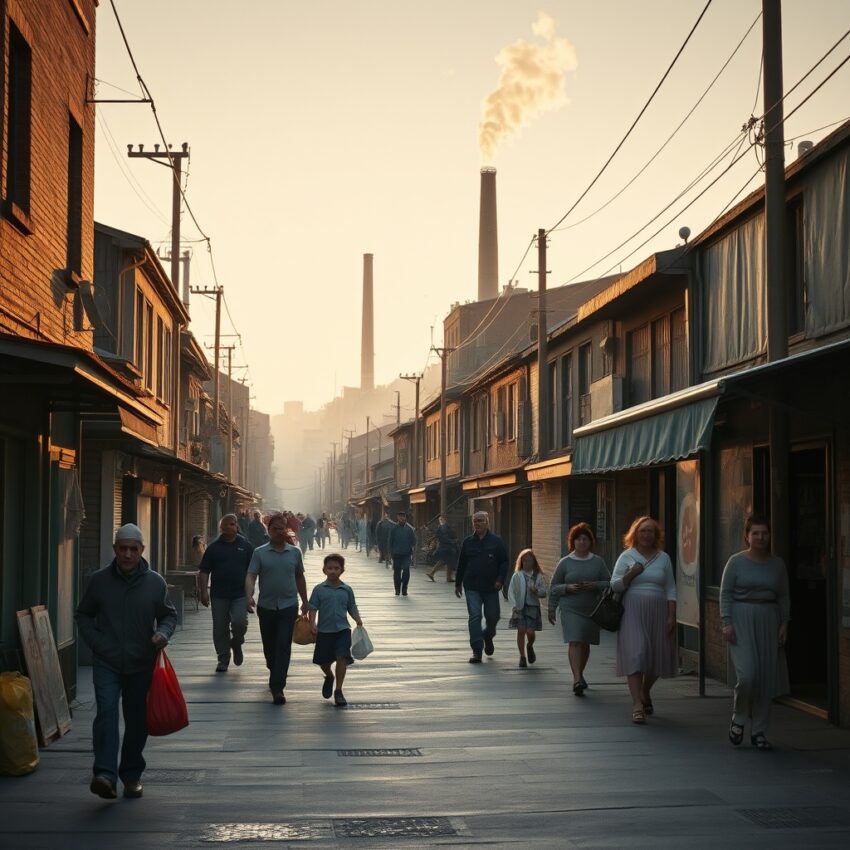
Eski şehir hayatında sabah, yalnız güneşin doğmasıyla başlamazdı. Bazı semtlerde günün gerçek başlangıcı, uzaktan gelen fabrika düdüğünün havayı kesen sesiyle anlaşılırdı. Henüz sokaklar tam kalabalıklaşmadan, evlerin pencereleri aralanır, kahvaltı tabakları hazırlanır, işçi çantaları kapı yanına bırakılırdı. Düdük çaldığında yalnız fabrikanın vardiyası değil, bütün semtin ritmi harekete geçerdi. Çocuklar okula geç kalmamak için acele eder, esnaf kepengini biraz daha hızlı kaldırır, anneler çayın altını kısardı. O ses, gündelik hayatın ortak saatini kuran görünmez bir çan gibiydi.
Zamanın İzinde bakıldığında fabrika düdükleri, sanayiyle mahalle hayatının iç içe geçtiği dönemlerin en belirgin işaretlerinden biriydi. Gazeteler üretim haberlerinden, işçi servislerinden ya da yeni açılan tesislerden söz ederdi; fakat semt insanı için fabrikanın asıl varlığı çoğu zaman sesiyle hissedilirdi. Düdük, işin başladığını, öğle paydosunu, akşam dönüşünü ve bazen de beklenmedik bir telaşı haber verirdi. Bu yüzden eski şehirde zaman kişisel saatlerden çok ortak seslerle ölçülürdü. Bir semtin sabahı, fabrikanın sesiyle, fırının kokusuyla ve sokaktan geçen ilk kalabalıkla birlikte şekillenirdi.
Sahil dönüşü saatlerin hafızada canlı kalması da bu ritimle ilgilidir. Yaz aylarında ya da hafta sonu sabahlarında denizden dönenler, fabrika düdüğünün belirlediği gündelik tempoya yeniden karışırdı. Islak havlular, kumlu terlikler, elde taşınan simit poşeti ve tuzlu ten kokusu, iş saatlerinin ciddiyetiyle aynı sokakta buluşurdu. Bir yanda vardiyaya yetişen işçiler, diğer yanda kısa bir deniz kaçamağından dönen aileler olurdu. Bu karşılaşma eski şehir hayatının eşsiz yanını gösterirdi: emek, dinlenme, mahalle ve deniz aynı sabahın içinde birbirine değebilirdi.
Fabrika düdüğünün semt ritmini sağlamlaştırmasının nedeni, herkese ortak bir zaman duygusu vermesiydi. Bir evde kahvaltı gecikmişse düdük bunu hatırlatır, bakkal ekmek kasalarını dışarı çıkarırken sesi işitir, okul yolundaki çocuklar adımlarını hızlandırırdı. İnsanlar birbirinin saatini bilmeden de aynı zamana bağlı yaşardı. Bu ortaklık, komşuluğu da güçlendirirdi. Paydos saatinde sokakların kalabalıklaşması, sabahın ilk düdüğünde kapıların açılması, akşam dönüşünde yorgun yüzlerin aynı bakkalda karşılaşması, semtin sosyal dokusunu kurardı. Ses yalnız fabrikadan çıkmaz, bütün mahallenin hafızasına yayılırdı.
Bugün fabrika düdüklerini hatırladığımızda özlediğimiz şey sanayinin gürültüsü değil, şehir hayatının ortak ritim kurabilme gücüdür. O sabahlar bize zamanın yalnız bireysel ekranlarda değil, sokakta, işte, evde ve kıyıdan dönen insanların adımlarında birlikte yaşandığını hatırlatır. Sahil dönüşü saatlerin hâlâ canlı kalmasının sebebi de budur: denizden gelen serinlik, fabrika düdüğünün keskin sesi ve semtin uyanan kalabalığı aynı hafıza içinde birleşmiştir. Eski şehir, o seslerle yalnız çalışmaz; nefes alır, uyanır ve kendini her sabah yeniden toplardı.
Bu yüzden o düdük sesi, bugün bile duyulmasa da zihinde bir semt haritası çizer. Hangi sokaktan işçiler inerdi, hangi fırın erken açılırdı, hangi çocuk okul yolunda oyalanırdı; hepsi o ortak sabah saatinin içinde yeniden görünür olur.
🇬🇧 English | The Mornings When Factory Whistles Set the Rhythm of the District in Old City Life: Why Shore-Return Hours Are Still So Vivid in Memory
In old city life, morning did not begin only with sunrise. In some districts, the true beginning of the day was understood through the sound of a factory whistle cutting through the air from afar. Before the streets had fully filled, windows opened, breakfast plates were prepared, and workers’ bags were left beside doors. When the whistle sounded, not only the factory shift but the rhythm of the whole district began to move. Children hurried so they would not be late for school, shopkeepers lifted shutters a little faster, and mothers lowered the heat under the tea. That sound was like an invisible bell setting the shared hour of daily life.
From the perspective of time, factory whistles were among the clearest signs of periods when industry and neighborhood life were intertwined. Newspapers wrote about production, worker shuttles, and newly opened facilities, yet for district residents the factory was often felt most strongly through its sound. The whistle announced the start of work, lunch break, evening return, and sometimes an unexpected urgency. In the old city, time was measured less by private watches than by common sounds. A district’s morning took shape together with the factory whistle, the smell of the bakery, and the first crowd passing through the street.
The vividness of shore-return hours in memory is also tied to this rhythm. In summer or on weekend mornings, those returning from the sea reentered the daily tempo marked by the factory whistle. Wet towels, sandy sandals, a paper bag of simit, and the smell of salt on skin met the seriousness of working hours on the same street. On one side were workers trying to reach their shifts; on the other, families returning from a brief escape to the water. This meeting revealed the unique character of old city life: labor, rest, neighborhood, and sea could touch within the same morning.
The factory whistle strengthened district rhythm because it gave everyone a shared sense of time. If breakfast ran late in one home, the whistle reminded the household; the grocer heard it while setting bread crates outside; children on the school road quickened their steps. People lived attached to the same hour without needing to know one another’s clocks. This common timing also strengthened neighborliness. Streets filling at break time, doors opening at the first morning whistle, and tired faces meeting at the same grocer in the evening formed the social fabric of the district. The sound did not remain inside the factory; it spread into the memory of the whole neighborhood.
When we remember factory whistles today, what we miss is not industrial noise, but the ability of city life to create a shared rhythm. Those mornings remind us that time was once lived together not only on private screens, but in the street, at work, at home, and in the steps of people returning from the shore. That is why shore-return hours remain vivid: the coolness brought from the sea, the sharp sound of the factory whistle, and the waking crowd of the district merged within the same memory. The old city did not only work through those sounds; it breathed, woke, and gathered itself again each morning.
🇧🇷 Português (Brasil) | As Manhãs em que os Apitos das Fábricas Marcavam o Ritmo do Bairro na Antiga Vida Urbana: Por que as Horas de Volta da Orla Ainda São Tão Vivas na Memória
Na antiga vida urbana, a manhã não começava apenas com o nascer do sol. Em alguns bairros, o verdadeiro começo do dia era entendido pelo som do apito da fábrica cortando o ar ao longe. Antes que as ruas ficassem cheias, as janelas se abriam, os pratos do café eram preparados e as bolsas de trabalho ficavam ao lado da porta. Quando o apito soava, não era só o turno da fábrica que se movia, mas o ritmo do bairro inteiro. As crianças corriam para não se atrasar para a escola, os comerciantes levantavam as portas mais depressa, e as mães baixavam o fogo do chá. Aquele som era como um sino invisível que ajustava a hora comum da vida diária.
Na trilha do tempo, os apitos das fábricas foram alguns dos sinais mais claros dos períodos em que indústria e vida de bairro estavam misturadas. Os jornais falavam de produção, de transporte de operários e de novas instalações, mas para os moradores a fábrica muitas vezes era sentida principalmente pelo som. O apito anunciava o início do trabalho, a pausa do almoço, a volta da tarde e às vezes uma urgência inesperada. Na cidade antiga, o tempo era medido menos por relógios particulares e mais por sons comuns. A manhã de um bairro tomava forma junto com o apito da fábrica, o cheiro da padaria e a primeira multidão passando pela rua.
A força das horas de volta da orla na memória também se liga a esse ritmo. No verão ou nas manhãs de fim de semana, quem voltava do mar entrava de novo no tempo cotidiano marcado pelo apito. Toalhas molhadas, sandálias com areia, saco de simit na mão e cheiro de sal na pele encontravam a seriedade da hora de trabalho na mesma rua. De um lado estavam operários tentando chegar ao turno; de outro, famílias voltando de uma breve fuga para a água. Esse encontro mostrava o lado singular da antiga vida urbana: trabalho, descanso, bairro e mar podiam se tocar dentro da mesma manhã.
O apito da fábrica fortalecia o ritmo do bairro porque dava a todos uma sensação comum de tempo. Se o café atrasava numa casa, o apito lembrava; o merceeiro ouvia enquanto colocava caixas de pão na rua; as crianças a caminho da escola aceleravam o passo. As pessoas viviam presas à mesma hora sem precisar conhecer o relógio umas das outras. Essa partilha também reforçava a vizinhança. As ruas cheias na pausa, as portas abertas no primeiro apito da manhã e os rostos cansados se encontrando no mesmo mercado ao fim do dia criavam o tecido social do bairro. O som não saía apenas da fábrica; espalhava-se pela memória de todos.
Quando hoje lembramos dos apitos das fábricas, o que sentimos falta não é o barulho industrial, mas a capacidade da cidade de criar um ritmo comum. Aquelas manhãs lembram que o tempo já foi vivido junto, não só em telas individuais, mas na rua, no trabalho, em casa e nos passos de quem voltava da orla. Por isso essas horas ainda parecem tão vivas: o frescor vindo do mar, o som cortante do apito e a multidão despertando no bairro se unem na mesma lembrança. A cidade antiga, com esses sons, não apenas trabalhava; respirava, acordava e se reunia outra vez a cada manhã.