🇹🇷 Türkçe | sokak arası nohutlu pilav sofraya geldiğinde neden bütün ev aynı kokuyla dolardı taş kaldırımlar boyunca kışın buğulu camına vurup geçerek
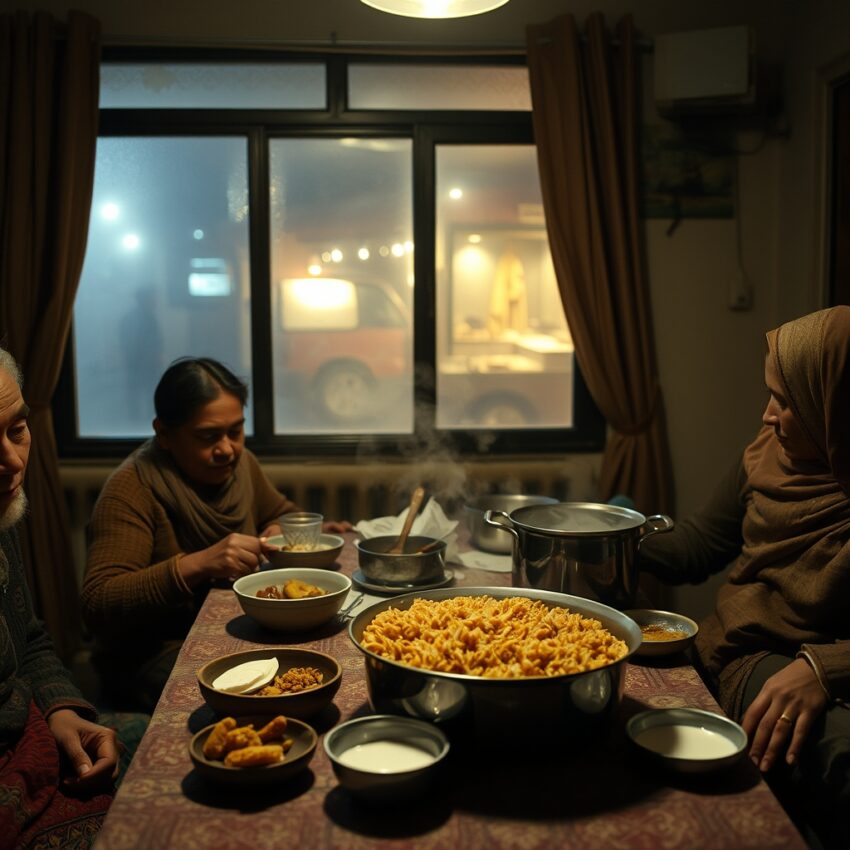
Kış akşamlarında taş kaldırımlardan eve dönerken sokak arasında nohutlu pilav kokusuna rastlamak, insanın adımlarını yavaşlatırdı. Küçük tezgâhın başında yükselen buhar, tereyağına karışan pirinç kokusu ve nohutun tok sıcaklığı, buğulu camların ardındaki evlere kadar uzanırdı. Pilav sofraya geldiğinde bütün ev aynı kokuyla dolardı; çünkü bu yemek yalnız tencereden değil, sokaktan, mahalleden ve günün yorgunluğundan gelirdi. Tabaklara pay edildiğinde herkes aynı anda kaşığını alır, kışın soğuğu bir süreliğine kapının dışında kalırdı. Nohutlu pilav, sade görünür ama evin içini ortak bir iştahla birleştirirdi.
Damak Hafızası açısından nohutlu pilav, sokak lezzetiyle ev sofrası arasında özel bir yerde durur. Bir yandan sokak arası tezgâhların pratik ve doyurucu kokusunu taşır, diğer yandan evde piştiğinde aile düzeninin güvenli sıcaklığına yerleşirdi. Pirincin tane tane olması, nohutun iyi haşlanması, yağın ölçüsü ve üstüne serpilecek karabiber, yemeğin hafızadaki yerini belirlerdi. Bu tarifin gücü gösterişten değil, dengeden gelirdi. Az malzemeyle çok kişiyi doyurur, sofrada konuşmayı çoğaltır, evin gündelik ritmine sessizce uyum sağlardı.
Sokak arası nohutlu pilavın kokusu eve geldiğinde dışarıyla içerisi arasında görünmez bir köprü kurardı. Çocuklar camdaki buğuyu silip geçenleri izler, büyükler “pilav hazır mı?” diye mutfağa seslenir, sofraya turşu, ayran ya da yoğurt çıkarılırdı. Bazen pilav dışarıdan alınır, üstüne evde küçük bir dokunuş eklenirdi; bazen de evde pişer ama sokaktaki tezgâhın kokusunu hatırlatırdı. Kapının önünden geçen satıcı sesi ya da merdivende duyulan ayak sesi bile sofraya yaklaşan akşamı haber verirdi. Bu çift yönlü hafıza, yemeği daha da güçlü kılardı. Çünkü nohutlu pilav hem eve ait hem de mahalleye ait bir lezzetti; tabağa geldiğinde iki dünyanın kokusunu aynı anda taşırdı.
Bu yemeğin bütün evi aynı kokuyla doldurması, paylaşılan sıcaklığından kaynaklanırdı. Tencerenin kapağı açıldığında buhar odadan odaya yayılır, mutfak ile salon arasındaki mesafe kapanırdı. Bir tabak fazla çıkar mı, komşuya gönderilir mi, çocukların tabağına biraz daha nohut konur mu gibi küçük kararlar sofranın etrafında alınırdı. Pilav, karın doyurmanın ötesinde ev içi adaleti, paylaşımı ve gündelik neşeyi de taşırdı. Herkes aynı tencereden yediğinde yemek kokusu da aileyi aynı anın içine toplardı. Bu yüzden nohutlu pilav, sade sofraların en güçlü ortaklaştırıcılarından biri oldu.
Bugün o kokuyu hatırladığımızda, yalnız bir yemeğin lezzetini değil, eski şehir akşamlarının evle sokak arasında kurduğu bağı da hatırlarız. Taş kaldırımların soğuğu, buğulu camlar, küçük tezgâhlar, tencereden çıkan buhar ve sofraya çağrılan çocuklar aynı hafıza içinde birleşir. Sokak arası nohutlu pilav, aile tarifleri kadar mahalle ritmini de taşıyan bir damak izidir. Bütün evi aynı kokuyla doldurmasının nedeni budur: O koku, sadece pirinç ve nohutun değil, birlikte ısınmanın, birlikte doymanın ve sade bir akşamı paylaşmanın kokusudur.
🇬🇧 English | Why the Whole House Filled with the Same Smell When Side-Street Chickpea Rice Came to the Table, Passing Along Stone Pavements and Striking Winter’s Fogged Glass
On winter evenings, encountering the smell of chickpea rice in a side street while walking home over stone pavements made a person slow down. The steam rising from a small stall, the scent of rice mingled with butter, and the full warmth of chickpeas reached the homes behind fogged windows. When the rice came to the table, the whole house filled with the same smell, because this dish came not only from the pot, but from the street, the neighborhood, and the tiredness of the day. Once it was divided onto plates, everyone took up a spoon at the same time, and the winter cold remained outside the door for a while. Chickpea rice looked simple, yet it united the home through a shared appetite.
From the perspective of taste memory, chickpea rice stands in a special place between street food and the home table. On one side, it carries the practical, filling smell of side-street stalls; on the other, when cooked at home, it settles into the safe warmth of family order. The rice being separate grain by grain, the chickpeas boiled well, the measure of fat, and the black pepper sprinkled on top all determine the dish’s place in memory. Its strength comes not from display, but from balance. With few ingredients, it feeds many people, increases conversation at the table, and quietly adapts to the daily rhythm of the home.
When the smell of side-street chickpea rice entered the house, it built an invisible bridge between outside and inside. Children wiped the fog from the window and watched passersby, adults called toward the kitchen to ask whether the rice was ready, and pickles, ayran, or yogurt were brought to the table. Sometimes the rice was bought from outside and given a small touch at home; sometimes it was cooked at home but recalled the smell of the street stall. Even a vendor’s voice passing the doorway or footsteps heard on the stairs could announce the approaching evening meal. This two-way memory made the dish stronger. Chickpea rice belonged both to the home and to the neighborhood, and when it arrived on the plate it carried the scent of both worlds at once.
The reason this dish filled the entire house with the same smell was its shared warmth. When the lid of the pot was lifted, steam spread from room to room, and the distance between kitchen and living room disappeared. Small decisions were made around the table: could one extra plate be served, should some be sent to a neighbor, should a little more chickpea be added to the children’s plates? Beyond feeding hunger, rice also carried domestic fairness, sharing, and daily cheer. When everyone ate from the same pot, the smell of the meal gathered the family into the same moment. That is why chickpea rice became one of the strongest unifiers of simple tables.
When we remember that smell today, we remember not only the taste of a dish, but also the bond old city evenings formed between home and street. The cold of stone pavements, fogged windows, small stalls, steam rising from the pot, and children called to the table merge within the same memory. Side-street chickpea rice is a taste mark carrying both family recipes and neighborhood rhythm. This is why it filled the whole house with the same smell: that scent belonged not only to rice and chickpeas, but to warming together, eating together, and sharing a simple evening.
🇧🇷 Português (Brasil) | Por que a Casa Inteira se Enchia do Mesmo Cheiro Quando o Arroz com Grão-de-Bico da Rua Chegava à Mesa, Passando pelas Calçadas de Pedra e Tocando o Vidro Embaçado do Inverno
Nas noites de inverno, encontrar o cheiro de arroz com grão-de-bico numa rua lateral enquanto se voltava para casa pelas calçadas de pedra fazia a pessoa diminuir o passo. O vapor que subia de uma pequena banca, o cheiro do arroz misturado à manteiga e o calor cheio do grão-de-bico chegavam até as casas por trás dos vidros embaçados. Quando o arroz vinha à mesa, a casa inteira se enchia do mesmo cheiro, porque esse prato não vinha apenas da panela, mas da rua, do bairro e do cansaço do dia. Quando era dividido nos pratos, todos pegavam a colher ao mesmo tempo, e o frio do inverno ficava por algum tempo do lado de fora da porta. O arroz com grão-de-bico parecia simples, mas unia a casa por um apetite comum.
Do ponto de vista da memória gustativa, o arroz com grão-de-bico ocupa um lugar especial entre a comida de rua e a mesa de casa. De um lado, carrega o cheiro prático e satisfatório das bancas de rua; de outro, quando feito em casa, se acomoda no calor seguro da ordem familiar. O arroz solto, o grão-de-bico bem cozido, a medida da gordura e a pimenta-do-reino por cima determinavam o lugar do prato na memória. Sua força vinha não da aparência, mas do equilíbrio. Com poucos ingredientes, alimentava muita gente, aumentava a conversa à mesa e se ajustava em silêncio ao ritmo cotidiano da casa.
Quando o cheiro do arroz com grão-de-bico da rua entrava em casa, criava uma ponte invisível entre fora e dentro. As crianças limpavam o vapor do vidro para ver quem passava, os adultos perguntavam da cozinha se o arroz já estava pronto, e picles, ayran ou iogurte iam para a mesa. Às vezes o arroz era comprado fora e recebia um pequeno toque em casa; às vezes era feito em casa, mas lembrava o cheiro da banca da rua. Até a voz de um vendedor passando pela porta ou passos ouvidos na escada podiam anunciar a refeição da noite se aproximando. Essa memória de mão dupla tornava o prato ainda mais forte. O arroz com grão-de-bico pertencia tanto à casa quanto ao bairro, e quando chegava ao prato trazia o cheiro dos dois mundos ao mesmo tempo.
O motivo de esse prato encher a casa inteira com o mesmo cheiro estava no seu calor compartilhado. Quando a tampa da panela era levantada, o vapor se espalhava de quarto em quarto, e a distância entre cozinha e sala desaparecia. Pequenas decisões eram tomadas em volta da mesa: haveria um prato a mais, mandariam um pouco para a vizinha, colocariam mais grão-de-bico no prato das crianças? Além de matar a fome, o arroz carregava justiça doméstica, partilha e alegria cotidiana. Quando todos comiam da mesma panela, o cheiro da comida reunia a família no mesmo instante. Por isso, o arroz com grão-de-bico se tornou um dos grandes unificadores das mesas simples.
Quando hoje lembramos esse cheiro, não recordamos apenas o sabor de um prato, mas também o vínculo que as antigas noites urbanas criavam entre casa e rua. O frio das calçadas de pedra, os vidros embaçados, as pequenas bancas, o vapor saindo da panela e as crianças chamadas para a mesa se juntam na mesma memória. O arroz com grão-de-bico da rua é uma marca de sabor que carrega tanto as receitas familiares quanto o ritmo do bairro. É por isso que enchia a casa inteira com o mesmo cheiro: esse aroma não era só de arroz e grão-de-bico, mas de aquecer juntos, comer juntos e compartilhar uma noite simples.