🇹🇷 Türkçe | bahar başlangıcında kömürlük kokan apartman girişleri neden eski mahallelerin en sıcak sahnesiydi
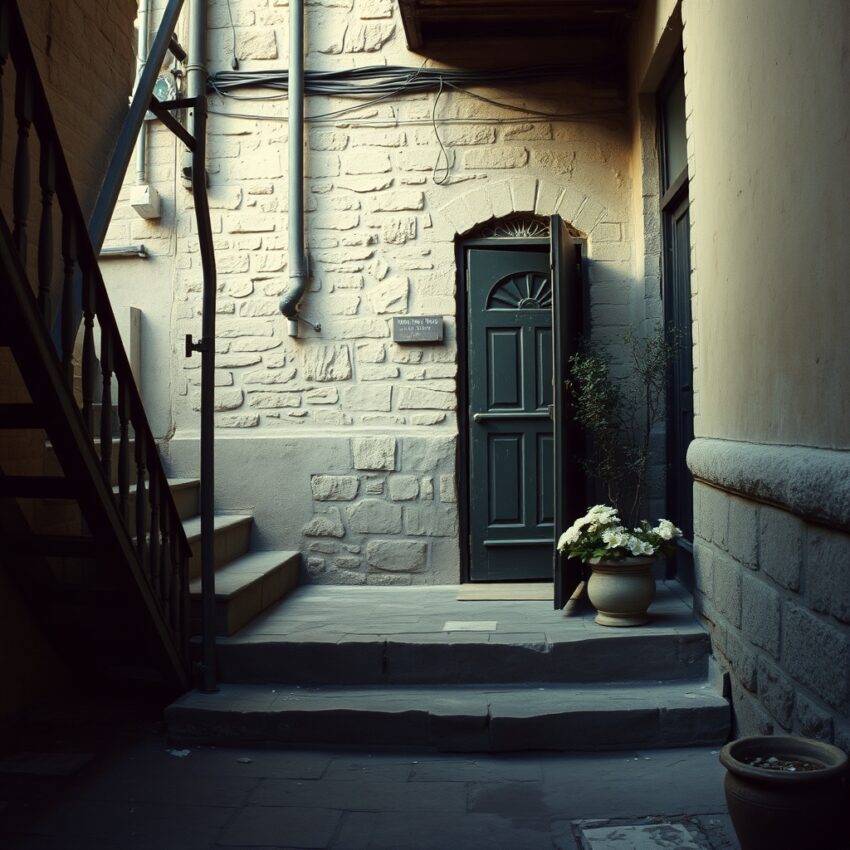
Baharın ilk günlerinde eski apartman girişlerinde tuhaf ama tanıdık bir koku dolaşırdı. Kıştan kalan kömür tozu, nemli taş merdiven, yeni açılmış kapı aralığından gelen serin hava ve üst katlardan süzülen yemek kokusu birbirine karışırdı. Dışarıda hava yumuşamaya başlasa da apartman içi hâlâ kışın izlerini taşırdı. Kömürlük kapıları aralanır, boşalan kovalar kenara çekilir, çocuklar merdiven boşluğunda seslerinin yankısını dinlerdi. Bu girişler, eski mahallelerin en sıcak sahnesiydi; çünkü orada mevsim değişimi yalnız doğada değil, evlerin ortak alanında da hissedilirdi.
Mahalle Kültürü açısından apartman girişi, özel hayatla sokak hayatı arasında duran canlı bir eşikti. Kapı önünde ayakkabılar düzeltilir, posta kutuları kontrol edilir, komşuya kısa bir selam verilir, kömürlükten gelen tozlu koku bütün kışın hatırasını taşırdı. Bahar başında bu alan daha da hareketlenirdi. İnsanlar soba döneminin son kovalarını konuşur, kimi fazla kömürünü saklar, kimi merdiven altını temizler, kimi de kapının önüne ilk saksıyı çıkarırdı. Apartman girişi bu yüzden yalnız geçilip gidilen bir yer değil, mahallenin küçük haberlerinin, yardımlaşmalarının ve mevsimlik dönüşümlerinin toplandığı bir sahneydi.
Kömürlük kokusunun sıcak bulunması ilk bakışta şaşırtıcı gelebilir; ama o koku evlerin kışı nasıl atlattığını anlatırdı. Soba başında geçirilen akşamlar, kovayla taşınan kömürler, kül dökme telaşı ve buğulu camlar o kokunun içinde saklıydı. Bahar gelince kömürlük bir yük olmaktan çıkar, geride bırakılan soğuğun hatırlatıcısına dönüşürdü. Çocuklar için orası biraz gizemli, biraz yasaklı, biraz da oyunla dolu bir yerdi. Büyükler içinse hesap, temizlik ve hazırlık alanıydı. Kömürlük önünde unutulmuş küçük kürekler, boş çuvallar ve duvara yaslanan kovalar mevsimin değiştiğini sessizce gösterirdi. Aynı girişte bu farklı duyguların buluşması, apartman hayatını mahalle kültürüne bağlayan sıcaklığı oluştururdu.
Eski mahallelerde apartman girişleri komşuluk ilişkilerinin en sade hâllerine tanıklık ederdi. Biri merdiveni yıkarken diğeri hortumu tutar, yaşlı bir komşunun kovası yukarı çıkarılır, kapıcı ya da apartman sakini bahar temizliği için kömürlük önünü süpürürdü. Kıştan çıkan eşyalar havalandırılır, paspaslar silkelenir, çocuklara “kömürlüğe fazla yaklaşma” diye seslenilirdi. Bu küçük uyarılar ve yardımlar, apartmanı ortak bir ev gibi hissettirirdi. Baharın başlangıcı, sadece ağaçların filizlenmesi değil, ortak alanların yeniden düzenlenmesi demekti. Kömürlük kokan girişler, işte bu düzenlemenin en gerçek mekânlarıydı.
Bugün o kokuyu hatırlamak, eski apartmanların kusurlarını değil, ortak yaşamın dokusunu hatırlamaktır. Modern binalarda daha temiz, daha sessiz, daha kokusuz girişler olabilir; fakat bazen o eski taş merdivenlerdeki hayat yoğunluğu eksik kalır. Bahar başlangıcında kömürlük kokan apartman girişleri, kışın emeğini, komşuluğun yardımlaşmasını ve mevsimin değiştiğini birlikte duyururdu. Eski mahallelerin en sıcak sahnesi olmalarının nedeni de buydu: Kapıdan içeri giren herkes, yalnız kendi evine değil, ortak bir hikâyenin içine adım atardı.
🇬🇧 English | Why Apartment Entrances Smelling of Coal Cellars at the Beginning of Spring Were the Warmest Scene of Old Neighborhoods
In the first days of spring, a strange but familiar smell moved through old apartment entrances. Coal dust left from winter, damp stone stairs, cool air coming through a newly opened door, and the smell of food drifting down from upper floors mingled together. Outside, the weather was beginning to soften, yet the inside of the apartment building still carried winter’s traces. Coal-cellar doors were opened, empty buckets were set aside, and children listened to the echo of their voices in the stairwell. These entrances were the warmest scenes of old neighborhoods because the change of season was felt there not only in nature, but also in the shared spaces of homes.
From the perspective of neighborhood culture, the apartment entrance was a living threshold between private life and street life. Shoes were straightened near the door, mailboxes checked, a neighbor greeted briefly, and the dusty smell rising from the coal cellar carried the memory of the whole winter. At the beginning of spring, this space became even more active. People talked about the last buckets of the stove season, some saved their remaining coal, some cleaned under the stairs, and others placed the first flowerpot by the entrance. The apartment entrance was therefore not merely a place to pass through, but a stage where small news, assistance, and seasonal changes gathered.
It may seem surprising at first that the smell of a coal cellar could feel warm, yet that smell told how homes had survived the winter. Evenings spent by the stove, coal carried in buckets, the rush of removing ash, and fogged windows were all hidden inside it. When spring arrived, the coal cellar ceased to be a burden and became a reminder of the cold that had been left behind. For children, it was somewhat mysterious, somewhat forbidden, and somewhat full of play. For adults, it was a place of accounting, cleaning, and preparation. Small shovels left near the coal cellar, empty sacks, and buckets leaning against the wall quietly showed that the season was changing. The meeting of these different feelings in the same entrance created the warmth that tied apartment life to neighborhood culture.
In old neighborhoods, apartment entrances witnessed the simplest forms of neighborly relations. While one person washed the stairs, another held the hose; an elderly neighbor’s bucket was carried upstairs; a caretaker or resident swept before the coal cellar as part of spring cleaning. Items emerging from winter were aired, mats were shaken, and children were warned not to go too close to the coal storage. These small warnings and acts of help made the apartment feel like a shared home. The beginning of spring meant not only branches budding, but common spaces being put in order again. Entrances smelling of coal cellars were the most real places of that reordering.
To remember that smell today is not to remember the flaws of old apartments, but the texture of shared life. Modern buildings may have cleaner, quieter, and more odorless entrances, yet sometimes they lack the density of life found on those old stone stairs. Apartment entrances smelling of coal cellars at the beginning of spring announced at once the labor of winter, neighborly assistance, and the changing season. That is why they were the warmest scenes of old neighborhoods: everyone who stepped through the door entered not only a private home, but a common story.
🇧🇷 Português (Brasil) | Por que as Entradas de Prédios com Cheiro de Depósito de Carvão no Início da Primavera Eram a Cena Mais Acolhedora dos Antigos Bairros
Nos primeiros dias da primavera, um cheiro estranho mas familiar circulava pelas entradas dos prédios antigos. O pó de carvão que sobrava do inverno, a escada de pedra úmida, o ar fresco vindo pela porta recém-aberta e o cheiro de comida descendo dos andares de cima se misturavam. Lá fora, o tempo começava a suavizar, mas o interior do prédio ainda carregava marcas do inverno. As portas dos depósitos de carvão se abriam, baldes vazios eram postos de lado, e as crianças escutavam o eco das próprias vozes no vão da escada. Essas entradas eram a cena mais acolhedora dos antigos bairros porque a mudança de estação era sentida ali não só na natureza, mas nos espaços comuns das casas.
Do ponto de vista da cultura de bairro, a entrada do prédio era um limiar vivo entre a vida privada e a vida da rua. Sapatos eram arrumados perto da porta, caixas de correio eram conferidas, um vizinho recebia um cumprimento rápido, e o cheiro empoeirado vindo do depósito de carvão carregava a lembrança do inverno inteiro. No início da primavera, esse espaço ficava ainda mais movimentado. As pessoas falavam dos últimos baldes da temporada do fogão, algumas guardavam o carvão restante, outras limpavam debaixo da escada, e alguém colocava o primeiro vaso junto à entrada. A entrada do prédio, portanto, não era apenas lugar de passagem, mas palco onde pequenas notícias, ajudas e mudanças de estação se juntavam.
Pode parecer surpreendente que o cheiro do depósito de carvão fosse sentido como acolhedor, mas ele contava como as casas tinham atravessado o inverno. Noites ao lado do fogão, carvão carregado em baldes, pressa para retirar cinzas e vidros embaçados estavam guardados dentro desse cheiro. Quando a primavera chegava, o depósito deixava de ser peso e virava lembrança do frio que ficara para trás. Para as crianças, era um lugar um pouco misterioso, um pouco proibido e um pouco cheio de brincadeira. Para os adultos, era espaço de conta, limpeza e preparação. Pequenas pás esquecidas diante do depósito, sacos vazios e baldes encostados na parede mostravam em silêncio que a estação mudava. O encontro desses sentimentos na mesma entrada criava a calidez que ligava a vida do prédio à cultura do bairro.
Nos antigos bairros, as entradas dos prédios testemunhavam as formas mais simples de vizinhança. Enquanto uma pessoa lavava a escada, outra segurava a mangueira; o balde de uma vizinha idosa era levado para cima; o zelador ou algum morador varria a frente do depósito como parte da limpeza de primavera. Objetos que saíam do inverno eram arejados, tapetes eram sacudidos, e as crianças ouviam “não chegue muito perto do carvão”. Esses pequenos avisos e ajudas faziam o prédio parecer uma casa comum. O início da primavera não significava apenas brotos nas árvores, mas também a reorganização dos espaços compartilhados. As entradas com cheiro de depósito de carvão eram os lugares mais reais dessa arrumação.
Lembrar hoje esse cheiro não é lembrar os defeitos dos prédios antigos, mas a textura da vida compartilhada. Os edifícios modernos podem ter entradas mais limpas, silenciosas e sem cheiro, porém às vezes falta neles a densidade de vida daquelas escadas de pedra. As entradas de prédios com cheiro de depósito de carvão no começo da primavera anunciavam ao mesmo tempo o trabalho do inverno, a ajuda entre vizinhos e a mudança da estação. Por isso eram a cena mais acolhedora dos antigos bairros: quem entrava pela porta não pisava apenas na própria casa, mas numa história comum.