🇹🇷 Türkçe | salonda toplanan ailelerin sessiz heyecanı eşliğinde video oynatıcı kullanmak neden başlı başına bir törendi taş kaldırımlar boyunca kışın buğulu camına vurup geçerek
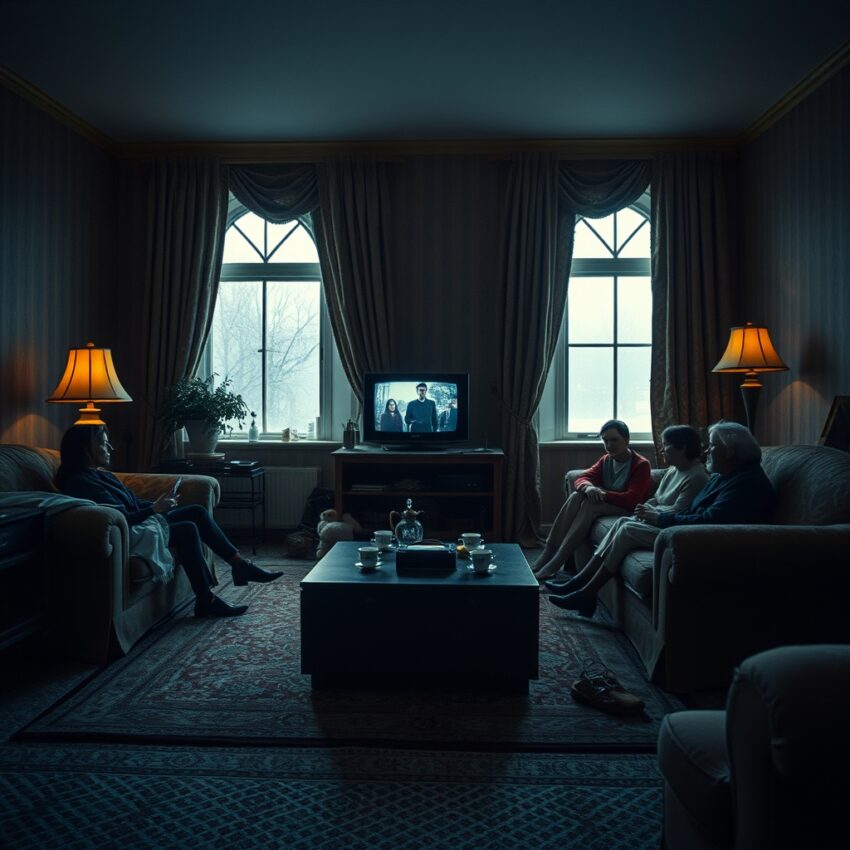
Kışın buğulu camına dışarıdan taş kaldırımların soğuğu vururken, salonun içinde başka bir sıcaklık kurulurdu. Televizyonun altına yerleştirilen video oynatıcı, akşamın merkezinde sabırla bekleyen küçük bir makine gibi dururdu. Kaset kutusu açılır, bandın adı okunur, biri kabloları kontrol eder, biri kumandanın pilini yoklar, çocuklar halıda kendilerine yer kapardı. Henüz film başlamadan odada sessiz bir heyecan dolaşırdı. Video oynatıcı kullanmak bu yüzden yalnız bir düğmeye basmak değildi; aileyi aynı ekrana, aynı zamana ve aynı beklentiye çağıran başlı başına bir törendi.
Teknoloji Mirası açısından video oynatıcı, ev içi eğlence kültürünü değiştiren ama bunu yavaş ve ritüelli biçimde yapan cihazlardan biriydi. Yayın saatine bağlı kalmadan film izleyebilmek büyük bir yenilikti; yine de her şey bugünkü kadar kolay değildi. Kasetin başa sarılması, izleme kafasının temizlenmesi, görüntünün bozulduğunda ayarlanması, yanlışlıkla üstüne kayıt yapılmaması için etiketlerin kontrol edilmesi gerekirdi. Bu küçük işlemler, cihazı görünmez bir araç olmaktan çıkarır, aile içi hazırlığın parçası yapardı. Teknoloji, insanı hızlandırmak kadar dikkatli olmaya da davet ederdi. O akşamın değeri biraz da bu hazırlıktan doğardı.
Video kaset kiralama ya da komşudan kaset isteme alışkanlığı da bu töreni mahalleye bağlardı. Sokak arasındaki dükkânın raflarında duran kapaklar tek tek incelenir, hangi filmin ailece izlenebileceği konuşulur, bazen kasetin geç dönmemesi için saat hesaplanırdı. Eve gelindiğinde kaset herkesin göreceği şekilde televizyonun yanına konur, yemek biraz erken yenir, çay demlenir ve salon düzeni değişirdi. Büyükler koltukları ayarlar, çocuklar battaniye çeker, evin ışığı kısılırdı. Böylece video oynatıcı, yalnız cihaz olarak değil, mahalleden eve taşınan ortak bir akşam vaadi olarak çalışırdı.
Bu törenin unutulmayan tarafı, sessizlikle heyecanın aynı anda yaşanmasıydı. Kaset cihaza girerken çıkan mekanik ses, ekrandaki mavi görüntü, görüntünün birkaç saniye titremesi ve ardından filmin başlaması herkesi aynı anda sustururdu. Kimse telefonuna bakmaz, kimse ayrı bir ekrana kaçmazdı; çünkü o anın tek merkezi salondaki televizyondur. Film aralarında kasetin durdurulması bile ayrı bir dikkat isterdi. Biri mutfağa gider, biri soba ya da kaloriferin yanına yaklaşır, biri “geri sardı mı?” diye sorardı. Küçük aksaklıklar, akşamı bozmak yerine daha çok ortaklaştırırdı.
Bugün video oynatıcıyı hatırlarken özlediğimiz şey yalnız eski filmler değildir. Asıl özlenen, bir filmi izlemek için ev halkının aynı ritme girmesi, teknolojinin sabır isteyen bir hazırlıkla açılması ve salonun birkaç saatliğine ortak hafıza odasına dönüşmesidir. Taş kaldırımların soğuğu camda buğu bırakırken içeride kasetin dönen bandı, aileyi aynı hikâyenin etrafında toplardı. Video oynatıcı kullanmanın tören sayılması bundandır: Cihaz, görüntüden önce bekleyişi, ekrandan önce birlik duygusunu çalıştırırdı. Analog çağın bu sessiz heyecanı, bugün hâlâ ev içi zamanın ne kadar kıymetli olabileceğini hatırlatır.
🇬🇧 English | Why Using a Video Player with the Quiet Excitement of Families Gathered in the Living Room Was a Ceremony in Itself, Passing Along Stone Pavements and Striking Winter’s Fogged Glass
While the cold of stone pavements touched winter’s fogged window from outside, another warmth was formed inside the living room. The video player placed beneath the television stood like a small machine patiently waiting at the center of the evening. The cassette case was opened, the title on the tape was read, someone checked the cables, another tested the batteries in the remote, and children claimed their places on the carpet. Before the film had even begun, a quiet excitement moved through the room. Using a video player was therefore not merely pressing a button; it was a ceremony in itself, calling the family to the same screen, the same time, and the same expectation.
From the perspective of technological heritage, the video player was one of the devices that changed domestic entertainment culture, yet did so slowly and ritually. Being able to watch a film without depending on a broadcast schedule was a major novelty, but nothing was as easy as it is today. The tape had to be rewound, the playback head sometimes cleaned, the picture adjusted when it wavered, and labels checked so that nothing would be recorded over by mistake. These small actions kept the device from becoming invisible and made it part of family preparation. Technology invited people not only to speed, but also to careful attention. The value of the evening grew partly from that preparation.
The habit of renting videotapes or borrowing them from neighbors also tied this ceremony to the neighborhood. Covers standing on the shelves of a side-street shop were examined one by one, people discussed which film could be watched as a family, and sometimes the return time of the tape was calculated carefully. Once brought home, the cassette was placed beside the television where everyone could see it, dinner was eaten a little earlier, tea was brewed, and the living room arrangement changed. Adults adjusted the seats, children pulled blankets over themselves, and the light of the room was lowered. In this way, the video player worked not only as a device, but as a shared promise of evening carried from the neighborhood into the home.
The unforgettable part of this ceremony was the simultaneous presence of silence and excitement. The mechanical sound of the cassette entering the machine, the blue screen, the image trembling for a few seconds, and then the beginning of the film silenced everyone at once. No one looked at a phone, no one escaped to a separate screen, because the only center of that moment was the television in the living room. Even pausing the tape during an interval required a special care. Someone went to the kitchen, someone moved closer to the stove or heater, and someone asked, “Did it rewind?” Small interruptions did not ruin the evening; they made it more shared.
When we remember the video player today, what we miss is not only old films. What we truly miss is the household entering the same rhythm in order to watch a film, technology opening through a preparation that required patience, and the living room turning for a few hours into a room of shared memory. While the cold of stone pavements left fog on the glass, the turning tape inside gathered the family around the same story. That is why using a video player felt like a ceremony: before producing an image, the device activated waiting; before the screen, it activated togetherness. The quiet excitement of the analog age still reminds us how precious domestic time can be.
🇧🇷 Português (Brasil) | Por que Usar um Videocassete com a Excitação Silenciosa das Famílias Reunidas na Sala Era uma Cerimônia em Si, Passando pelas Calçadas de Pedra e Tocando o Vidro Embaçado do Inverno
Enquanto o frio das calçadas de pedra tocava por fora o vidro embaçado do inverno, dentro da sala se criava outro tipo de calor. O videocassete colocado sob a televisão ficava como uma pequena máquina esperando pacientemente no centro da noite. A caixa da fita era aberta, o nome escrito nela era lido, alguém conferia os cabos, outro testava as pilhas do controle, e as crianças garantiam lugar no tapete. Antes mesmo de o filme começar, uma excitação silenciosa circulava pelo cômodo. Usar o videocassete, por isso, não era apenas apertar um botão; era uma cerimônia em si, chamando a família para a mesma tela, o mesmo tempo e a mesma expectativa.
Do ponto de vista da herança tecnológica, o videocassete foi um dos aparelhos que mudaram a cultura do entretenimento dentro de casa, mas fez isso de modo lento e ritual. Poder ver um filme sem depender do horário da transmissão era uma grande novidade, porém nada era tão simples quanto hoje. Era preciso rebobinar a fita, às vezes limpar a cabeça de leitura, ajustar a imagem quando tremia e conferir as etiquetas para não gravar por engano sobre algo importante. Essas pequenas ações impediam que o aparelho fosse invisível e o transformavam em parte da preparação familiar. A tecnologia convidava não só à rapidez, mas também à atenção. O valor da noite nascia um pouco dessa preparação.
O costume de alugar fitas ou pedi-las emprestadas a vizinhos também ligava essa cerimônia ao bairro. As capas nas prateleiras da loja da rua eram examinadas uma a uma, discutia-se qual filme poderia ser visto em família, e às vezes o horário de devolução era calculado com cuidado. Ao chegar em casa, a fita era colocada ao lado da televisão, onde todos pudessem vê-la; o jantar saía um pouco mais cedo, o chá era preparado e a sala mudava de ordem. Os adultos ajustavam os assentos, as crianças puxavam cobertores, e a luz do cômodo diminuía. Assim, o videocassete funcionava não só como aparelho, mas como uma promessa comum de noite levada do bairro para dentro de casa.
A parte inesquecível dessa cerimônia era a presença ao mesmo tempo do silêncio e da emoção. O som mecânico da fita entrando no aparelho, a tela azul, a imagem tremendo por alguns segundos e depois o início do filme calavam todos de uma vez. Ninguém olhava para um telefone, ninguém fugia para outra tela, porque o único centro daquele momento era a televisão da sala. Até pausar a fita no intervalo exigia certo cuidado. Alguém ia à cozinha, alguém se aproximava do fogão ou do aquecedor, e alguém perguntava: “já rebobinou?”. Pequenos contratempos não estragavam a noite; tornavam-na ainda mais compartilhada.
Quando hoje lembramos do videocassete, o que sentimos falta não são apenas os filmes antigos. O que realmente faz falta é a família entrando no mesmo ritmo para ver um filme, a tecnologia se abrindo por meio de uma preparação paciente e a sala se transformando por algumas horas num quarto de memória comum. Enquanto o frio das calçadas deixava o vidro embaçado, a fita girando dentro do aparelho reunia a família em torno da mesma história. Por isso usar o videocassete parecia uma cerimônia: antes da imagem, o aparelho acionava a espera; antes da tela, acionava a união. A excitação silenciosa da era analógica ainda lembra como o tempo dentro de casa podia ser precioso.