🇹🇷 Türkçe | Eski şehir hayatında eski postanelerin uzakları yakın eden sessiz telaşı: hafızada neden hâlâ bu kadar canlı sahil dönüşü saatler
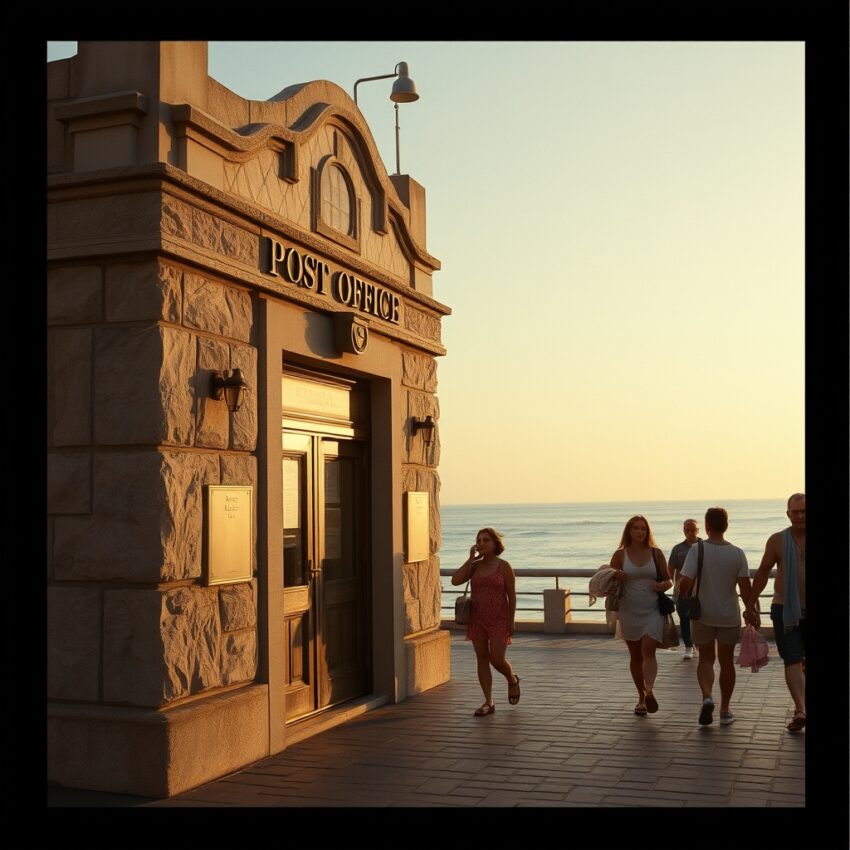
Sahil dönüşü saatlerinin eski şehirlerde kendine has bir rengi vardı. Güneş tuzlu bir yorgunlukla çekilirken kaldırımlarda ıslak terlik izleri, saçlara sinmiş deniz kokusu ve koltuk altına sıkıştırılmış gazeteler görünürdü. O vakitlerde postane binaları birdenbire daha canlı bir hâl alırdı. Gündüz sıcağında ağır görünen taş cephe, akşamüstünün serinliğinde sanki içeriden nefes alır; pirinç kapı kolu, gişelerin önündeki hafif telaş ve duvar saatinin düzenli ilerleyişi bütün mahalleye başka bir ritim verirdi. Denize gidip dönenler eve uğramadan önce bir kart atmak, bir havale sormak, beklenen mektubun gelip gelmediğini öğrenmek için postaneye sapar; böylece sahilin gevşekliği ile şehrin ciddiyeti birkaç dakikalığına aynı koridorda buluşurdu.
Zamanın İzinde bakıldığında eski postaneler sadece resmî kurumlar değil, gündelik hayatın duygusal kavşaklarıydı. Eski gazetelerde yeni hatların açılışı, telgraf yoğunluğu ya da bayram öncesi gönderi birikimi haber olurken; sıradan şehir insanı için postane daha sade ama daha derin bir anlam taşırdı. Uzakta okuyan oğuldan gelen mektup, yazlığa gitmiş akrabaya gönderilen kart, tayin bekleyen memurun umut dolu sorusu ya da asker ocağından gelecek birkaç satır… Bütün bu uzaklıklar ahşap bankların, kalın camlı gişelerin ve hafif mürekkep kokusunun içinde birbirine yaklaşırdı. Postanenin sessiz telaşı tam da buradan doğuyordu. Kimse yüksek sesle acele etmiyor, ama herkes görünmez bir zamanın peşinden yürüyordu.
Sahil dönüşü saatlerinin hafızada canlı kalmasının nedeni biraz da bu geçiş anıdır. İnsan denizden dönerken üstünde hâlâ kumun rehaveti, teninde tuzun serinliği taşır; ama postaneye girince başka bir ciddiyetin içine adım atar. Islak havluların, file çantaların ve güneşte açılmış tenlerin arasından resmî zarflar, pul çekmeceleri ve sıra numarası bekleyen bakışlar geçer. Bu karşılaşma günlük hayatı sinematik bir sahneye dönüştürürdü. Çocuklar gişelerin altından içeriye merakla bakar, anneler çantalardan buruşturulmuş adres kâğıtlarını çıkarır, babalar “önce pul alalım” diyerek herkesi toparlardı. Uzakları yakın eden şey yalnız mektubun kendisi değil; ailenin, mahallenin ve yaz mevsiminin kısa bir an için aynı masa etrafında hizalanmasıydı.
Postanenin iç mekânı da bu hafızayı derinleştiren ayrıntılarla doluydu. Tavanda yavaş dönen pervane, duvarda asılı tarifeler, kenarları aşınmış form kâğıtları, kalın sicimle bağlanmış paketler ve mührün masaya bıraktığı tok ses… Her ayrıntı şehir hayatının düzenli ama duygulu bir yüzünü temsil ederdi. Sahilden dönen biri için bunlar, günün henüz bitmediğini söyleyen işaretlerdi. Deniz eğlencesi geçici bir ferahlık sunar, postane ise hayatın bağlarını yeniden hatırlatırdı. Belki de bu yüzden akşam serinliğinde postane önünde duran bisikletler, bankta bekleyen yaşlılar ya da gişeden çıkan memur sesi bugün bile birçok insana tuhaf bir iç yakınlığı verir. O alan, yabancıların bile kısa süreliğine ortak bir bekleyişi paylaştığı şehir içi bir avlu gibiydi.
Bugün eski postaneleri düşündüğümüzde hatırlanan sadece mektup çağının kendisi değildir. Asıl hatırlanan, uzaklığın daha somut ama yakınlığın daha kıymetli olduğu zamandır. Sahil dönüşü saatleri hâlâ bu yüzden canlıdır; çünkü denizin serbestliği ile şehrin sorumluluğu, aynı kapıdan içeri girip aynı masada buluşmuştur. Eski postaneler insanlara haberin ağırlığını, beklemenin terbiyesini ve küçük bir gişe önünde bile hayatın dünyanın başka ucuna açılabildiğini öğretirdi. Hafızada kalan şey, mühür sesiyle deniz kokusunun yan yana durabildiği o kısa akşam aralığıdır. Şehir hayatının sessiz telaşı, belki de tam bu yüzden hâlâ içimizde çalışır: bir kartpostalın arkasında, bir pulun yapışkanında, eve dönmeden önce uğranan o taş binanın serinliğinde.
🇬🇧 English | In Old City Life, the Quiet Hustle of Old Post Offices That Brought the Distant Near: Why Are the Hours of Returning from the Shore Still So Vivid in Memory?
The hours of returning from the shore once had a color of their own in old cities. As the sun withdrew with a salty tiredness, wet slipper marks appeared on pavements, the smell of the sea clung to people’s hair, and newspapers were tucked under arms on the way home. At such times, post office buildings suddenly seemed more alive. Their stone facades, heavy under the midday heat, appeared to breathe inwardly in the cool of late afternoon. The brass door handle, the mild rush before the counters, and the steady progress of the wall clock gave the whole neighborhood another rhythm. People coming back from the coast stopped by before going home to send a card, ask about a money order, or check whether an awaited letter had arrived. In that way, the looseness of the shore and the seriousness of the city met for a few minutes in the same corridor.
When viewed through the lens of time, old post offices were not merely official institutions, but emotional crossroads of daily life. Old newspapers might report new routes, telegram traffic, or the accumulation of parcels before holidays, yet for ordinary city dwellers the post office carried a quieter and deeper meaning. A letter from a son studying far away, a card sent to relatives staying at a summer house, the hopeful question of a civil servant waiting for a transfer, or a few lines expected from military service… all these distances drew closer within the wooden benches, the thick glass counters, and the faint smell of ink. The quiet hustle of the post office came precisely from this. No one hurried loudly, yet everyone was following an invisible clock.
Part of the reason the hours of returning from the shore remain so vivid in memory is this feeling of transition. One came back from the sea still carrying the relaxation of sand and the coolness of salt on the skin, yet stepping into the post office meant entering another seriousness. Wet towels, net bags, and sun-browned faces passed among official envelopes, stamp drawers, and the gazes of people waiting for their turn. This meeting turned daily life into something almost cinematic. Children peered curiously beneath the counters, mothers unfolded crumpled slips of paper with addresses, and fathers gathered everyone with a practical sentence such as, “let’s buy the stamps first.” What brought the distant near was not only the letter itself, but the way family, neighborhood, and summer briefly aligned around the same table.
The interior of the post office deepened that memory with its own details. A ceiling fan turning slowly, rate charts hanging on the wall, worn forms, parcels tied with thick string, and the solid sound of a stamp coming down on the desk all represented an orderly yet emotional face of city life. For someone returning from the shore, these were signs that the day had not yet finished. The sea offered a temporary ease, while the post office restored the bonds of life. That may be why the bicycles leaning outside in the evening cool, the elderly waiting on the bench, or the voice of a clerk from behind the window can still stir an inward tenderness. It was like an inner-city courtyard where even strangers briefly shared the same expectancy.
When we think of old post offices today, what returns is not only the age of letters. What truly remains is a time when distance was more tangible, but closeness more precious. The hours after the shore stay vivid for exactly that reason: the freedom of the sea and the responsibilities of the city entered through the same door and met at the same counter. Old post offices taught people the weight of news, the etiquette of waiting, and the sense that life could open toward another corner of the world even in front of a modest clerk’s window. What memory keeps is that short evening interval in which the sound of a stamp and the scent of the sea could stand side by side. The city’s quiet hustle still seems to work within us because of that cool stone building visited before going home.
🇧🇷 Português (Brasil) | Na Vida das Cidades Antigas, a Correria Silenciosa dos Velhos Correios que Aproximavam o Distante: Por que as Horas do Retorno da Beira-Mar Ainda Estão Tão Vivas na Memória?
As horas do retorno da beira-mar tinham uma cor própria nas cidades antigas. Quando o sol recuava com um cansaço salgado, ficavam nas calçadas marcas de chinelos molhados, o cheiro do mar se prendia aos cabelos e jornais seguiam apertados debaixo do braço. Nessas horas, os prédios dos correios pareciam de repente mais vivos. A fachada de pedra, pesada sob o calor do meio-dia, parecia respirar por dentro no frescor do fim da tarde. A maçaneta de latão, a leve pressa diante dos guichês e o avanço regular do relógio de parede davam ao bairro inteiro um outro ritmo. Quem voltava da praia passava antes por ali para mandar um cartão, perguntar por uma remessa ou saber se a carta tão esperada havia chegado. Assim, a soltura do litoral e a seriedade da cidade se encontravam por alguns minutos no mesmo corredor.
Quando seguimos os rastros do tempo, percebemos que os velhos correios não eram apenas instituições oficiais, mas cruzamentos emocionais da vida cotidiana. Os jornais antigos podiam falar da abertura de novas linhas, do movimento dos telegramas ou do acúmulo de encomendas antes dos feriados, mas para a gente comum o correio tinha um significado mais silencioso e mais fundo. Uma carta do filho que estudava longe, um cartão enviado para parentes no veraneio, a pergunta esperançosa de um funcionário aguardando transferência ou algumas linhas vindas do serviço militar… todas essas distâncias se encurtavam entre os bancos de madeira, os guichês de vidro grosso e o leve cheiro de tinta. A correria silenciosa dos correios vinha exatamente daí. Ninguém corria em voz alta, mas todos seguiam um relógio invisível.
Parte da razão pela qual as horas do retorno da praia permanecem tão vivas está nessa sensação de passagem. A pessoa voltava do mar trazendo ainda no corpo o relaxamento da areia e o frescor do sal, mas ao entrar no correio pisava numa outra gravidade. Toalhas úmidas, sacolas de rede e peles queimadas de sol passavam entre envelopes oficiais, gavetas de selos e os olhares de quem aguardava a vez. Esse encontro transformava o cotidiano numa cena quase cinematográfica. As crianças espiavam com curiosidade por baixo do balcão, as mães tiravam do bolso papéis amarrotados com endereços, e os pais organizavam tudo com frases práticas como “vamos pegar os selos primeiro”. O que aproximava o distante não era apenas a carta, mas a maneira como família, bairro e verão se alinhavam por um instante em torno do mesmo balcão.
O interior do correio aprofundava essa lembrança com seus próprios detalhes. O ventilador girando devagar no teto, as tabelas penduradas na parede, os formulários gastos nas bordas, os pacotes amarrados com barbante grosso e o som firme do carimbo batendo na mesa representavam um rosto ordenado, mas afetivo, da vida urbana. Para quem vinha da praia, esses sinais diziam que o dia ainda não tinha acabado. O mar oferecia um alívio passageiro; o correio lembrava novamente os laços da vida. Talvez por isso as bicicletas paradas do lado de fora no frescor da tarde, os idosos esperando no banco ou a voz do atendente atrás do vidro ainda despertem hoje uma estranha ternura interior. Era como um pátio urbano onde até os desconhecidos compartilhavam por instantes a mesma expectativa.
Quando pensamos hoje nos velhos correios, o que volta não é apenas a época das cartas. O que realmente permanece é um tempo em que a distância era mais concreta, mas a proximidade tinha mais valor. As horas depois da praia seguem vivas justamente por isso: a liberdade do mar e a responsabilidade da cidade entravam pela mesma porta e se encontravam no mesmo guichê. Os antigos correios ensinavam o peso das notícias, a educação da espera e a sensação de que a vida podia se abrir para outro canto do mundo até diante de uma pequena janela de atendimento. A memória guarda esse curto intervalo do entardecer em que o som do carimbo e o cheiro do mar podiam existir lado a lado. A correria silenciosa da cidade talvez continue viva dentro de nós por causa daquele prédio de pedra visitado antes de voltar para casa.