🇹🇷 Türkçe | kağıt helva sofraya geldiğinde neden bütün ev aynı kokuyla dolardı tatil rehavetinin ortasında bir vitrinin içinden bize bakarken
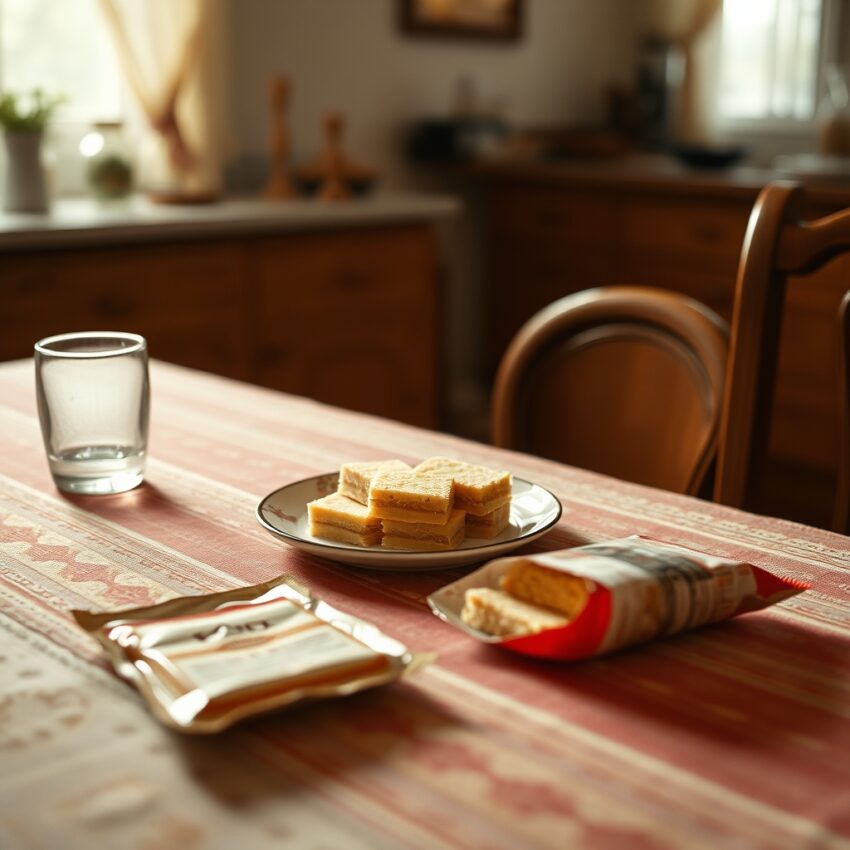
Bazı tatlar ağızda kaldığından çok eve yaydığı havayla hatırlanır. Kağıt helva da böyleydi. Yazın ağırlaşan günlerinde ya da okuldan çıkılmış bir ikindide, bakkalın ya da pastane vitrininin içinde üst üste dizilmiş yuvarlak tabakalar hâlinde durur; bakınca hafif, alınca kırılgan, sofraya gelince ise şaşırtıcı biçimde bütün evi dolduran bir hatıraya dönüşürdü. Onun kokusu gösterişli değildi; tahinin, şekerin ve ince wafersi dokunun birleşiminden gelen sakin bir koku vardı. Ama tam da bu sakinlik sayesinde mutfaktan salona, salondan koridora kadar her yere aynı ölçülü tatlılığı taşırdı. Kağıt helva eve girdiğinde, günün sıradanlığı da bir anda küçük bir şenliğe dönüşürdü.
Damak Hafızası açısından kağıt helva, yalnız bir çocukluk atıştırmalığı değil; paylaşma biçimini belirleyen eski bir ev tatlısıdır. Ambalajı gürültülü değildir, porsiyon hesabı gözle yapılır, elde tutulurken kırılmasın diye istemsizce daha dikkatli davranılır. İşte bu fiziksel kırılganlık, sofradaki tavrı da değiştirirdi. Kimse ona aceleyle davranmaz, parçalar dağıtılırken küçük bir özen gösterilir, yanına çoğu zaman çay ya da gazoz eşlik ederdi. Tatil rehavetinin ortasında vitrinden eve taşınan bu tatlı, mevsimin gevşekliğini aile içi paylaşımın ritmine bağlardı. Büyükler için eski ramazanları, bayram dönüşlerini ya da yazlık sinema çıkışlarını çağırırken; çocuklar için kolay erişilen ama yine de özel kalan bir ödül anlamına gelirdi.
Kağıt helvanın bütün evi aynı kokuyla doldurmasının nedeni yalnız aromasında değil, hazırlandığı anda yarattığı sahnededir. Paket açıldığında çıkan hafif çıtırtı, mutfakta tabağa konurken duyulan dikkat, arasına dondurma sürülürse artan bekleyiş duygusu, sofraya geldiği anda herkesin elini uzatmadan önce bir an bakması… Bunların hepsi kokuya eşlik eden küçük ritüellerdir. Ev içindeki hava bazen yiyeceğin kendisinden çok ona eşlik eden beklentiyle şekillenir. Kağıt helva tam da bunu yapardı. Yoğun şerbetli tatlılar gibi baskın olmayan ama evin her köşesine usulca yayılan kokusuyla, sohbeti yükseltmeden neşelendiren bir tatlıydı.
Bu tatlının vitrindeki görüntüsü de hatıranın önemli bir parçasıdır. Pastanelerde ya da bakkallarda camın arkasında düzgün yığınlar hâlinde duran kağıt helvalar, çocuklara alınabilir bir lüks gibi görünürdü. Çok uzakta olmayan, ama yine de eve gelene kadar hayal kurduran bir şeydi. Tatil günlerinde çarşıya çıkmanın küçük ödüllerinden birine dönüşmesi biraz bundandır. Eve taşındığında ise vitrindeki serin düzen, sofrada aile sıcaklığına karışırdı. Dışarıdaki ticari nesne içeride duygusal bir nesneye dönüşürdü. Bazen dondurmayla, bazen sade, bazen çayın ardından, bazen misafir gelince… Her seferinde aynı şeyi yapardı: evi tek bir kokuda buluşturmak.
Bugün kağıt helva hâlâ bulunuyor olabilir, ama onu geçmişteki kadar güçlü hatırlatan şey tadından çok taşıdığı ev hissi. Çünkü bu tatlı, bolluğu göstererek değil, sadeliği paylaşılabilir kılarak değer kazanıyordu. İnce yapısı, kolay bölünmesi ve ağır olmayan kokusu sayesinde sofrada kimseyi bastırmadan yer bulurdu. Belki de bu yüzden, tatil rehavetinin ortasında vitrinden bize bakarken bile ev fikrini taşıyordu. Kağıt helva sofraya geldiğinde bütün ev aynı kokuyla dolardı; çünkü aslında o koku yalnız yiyeceğin değil, aynı masa etrafında toplanmanın, hafif bir neşenin ve sade şeylerle mutlu olabilmenin kokusuydu.
🇬🇧 English | Why Did the Whole House Fill with the Same Scent When Wafer Halva Reached the Table While Looking at Us from a Shop Window in the Middle of Holiday Languor?
Some flavors are remembered less for how long they remain on the tongue than for the atmosphere they spread through a house. Wafer halva was like that. On slow summer days or in the late afternoon after school, it sat in the grocer’s or pastry shop’s display window in neat round stacks: light to look at, fragile to hold, yet once it reached the table, strangely capable of filling the whole home with memory. Its scent was never showy. It carried a quiet sweetness made from tahini, sugar, and the dry delicacy of the wafer itself. Yet precisely because it was so restrained, it could move from kitchen to sitting room and from sitting room to hallway with the same gentle tone. When wafer halva entered the home, the ordinary day suddenly turned into a small celebration.
From the perspective of taste memory, wafer halva was not merely a childhood snack. It was an old domestic sweet that shaped the way sharing happened. Its wrapping was not loud, its portions were measured by eye, and people handled it carefully so it would not crack in the hand. That physical fragility changed behavior at the table. No one rushed it. Pieces were distributed with a certain care, and tea or soda often accompanied it. Carried from the display window into the home in the middle of holiday languor, this dessert tied the looseness of the season to the rhythm of family sharing. For adults it could recall old Ramadan evenings, returns from holiday visits, or nights after the summer cinema. For children it meant a reward that felt accessible, yet still special.
The reason it seemed to fill the entire house with one scent lay not only in its aroma, but in the scene created as it was prepared. The faint crackle of the package opening, the care with which it was placed on a plate, the increased expectancy if ice cream was spread between the layers, and the brief pause before everyone reached for a piece all belonged to the same ritual. The air inside a home is often shaped as much by anticipation as by food itself. Wafer halva did exactly that. Unlike heavy syrup sweets that dominate a room, it brought a quiet fragrance that drifted gently into every corner. It was a dessert that brightened conversation without overpowering it.
Its image in the display window was also an important part of the memory. In pastry shops and groceries, wafer halva arranged in orderly stacks behind the glass looked like a luxury children might realistically hope for. It was not impossibly far away, yet it invited imagination until it was finally brought home. That is part of why it became one of the small rewards of going into town during vacation days. Once carried indoors, however, the cool order of the window display blended into the warmth of the family table. The commercial object outside became an emotional object inside. Sometimes eaten plain, sometimes with ice cream, sometimes after tea, sometimes when guests arrived, it always did the same thing: it gathered the house under a single scent.
Wafer halva can still be found today, yet what makes it vivid in memory is less its flavor than the sense of home it carried. This sweet gained value not by displaying abundance, but by making simplicity shareable. Its thin structure, its ease of division, and its gentle smell allowed it to claim a place at the table without overwhelming anyone. Perhaps that is why, even while looking at us from the display window in the middle of holiday languor, it already carried the idea of home. When wafer halva reached the table, the whole house filled with the same scent, because that scent belonged not only to the food, but to gathering around one table, to light joy, and to the ability to be happy with simple things.
🇧🇷 Português (Brasil) | Por Que a Casa Inteira se Enchia do Mesmo Cheiro Quando a Halva de Hóstia Chegava à Mesa, Enquanto nos Olhava de uma Vitrine em Meio à Languidez das Férias?
Alguns sabores são lembrados menos pelo tempo que ficam na boca do que pela atmosfera que espalham dentro de casa. A halva de hóstia era assim. Nos dias lentos do verão ou numa tarde depois da escola, ela aparecia na vitrine da mercearia ou da confeitaria em pilhas redondas e organizadas: leve ao olhar, frágil ao toque e, quando chegava à mesa, capaz de encher a casa inteira de memória. Seu cheiro nunca era exibido. Havia uma doçura calma, feita de tahine, açúcar e da secura delicada da própria hóstia. Mas justamente por ser discreto, esse aroma ia da cozinha para a sala e da sala para o corredor sem perder o mesmo tom suave. Quando a halva entrava em casa, o dia comum se transformava de repente numa pequena celebração.
Na memória do paladar, a halva de hóstia não era apenas um lanche da infância. Era um doce doméstico antigo que moldava a forma de compartilhar. A embalagem não fazia barulho excessivo, as porções eram calculadas no olhar, e todos a seguravam com cuidado para que não quebrasse. Essa fragilidade física mudava o comportamento à mesa. Ninguém a tratava com pressa. Os pedaços eram distribuídos com certa delicadeza, e chá ou refrigerante costumavam acompanhar. Trazido da vitrine para dentro de casa em plena languidez das férias, esse doce ligava a folga da estação ao ritmo do convívio familiar. Para os adultos, podia lembrar antigos Ramadãs, voltas de visitas festivas ou saídas do cinema de verão. Para as crianças, era um prêmio acessível, mas ainda assim especial.
A razão de parecer perfumar a casa inteira não estava apenas no aroma, mas na cena criada ao ser servido. O leve estalo da embalagem se abrindo, o cuidado ao colocá-lo no prato, a expectativa maior quando vinha recheado com sorvete e a pequena pausa antes de cada mão se aproximar faziam parte do mesmo ritual. O ar dentro da casa muitas vezes é moldado tanto pela espera quanto pelo alimento em si. A halva fazia exatamente isso. Diferentemente dos doces de calda mais pesados, ela espalhava um cheiro discreto que alcançava os cantos sem dominar o ambiente. Era um doce capaz de animar a conversa sem se impor.
A imagem da halva na vitrine também é parte importante da lembrança. Nas confeitarias e mercearias, as pilhas bem alinhadas atrás do vidro pareciam um luxo possível para as crianças. Não era algo distante demais, mas ainda assim permitia sonhar até o momento de levá-lo para casa. Talvez por isso tenha se tornado uma das pequenas recompensas de sair ao comércio nos dias de férias. Quando entrava em casa, porém, a ordem fria da vitrine se misturava ao calor da mesa familiar. O objeto comercial do lado de fora virava um objeto emocional do lado de dentro. Às vezes simples, às vezes com sorvete, às vezes depois do chá, às vezes na chegada de visitas, ele fazia sempre a mesma coisa: reunia a casa sob um único cheiro.
Hoje a halva de hóstia ainda pode ser encontrada, mas o que a torna tão viva na memória é menos o sabor do que a sensação de lar que carregava. Esse doce ganhava valor não por mostrar abundância, mas por tornar a simplicidade compartilhável. Sua estrutura fina, a facilidade de dividir e o aroma leve permitiam que ocupasse a mesa sem se impor sobre ninguém. Talvez por isso, mesmo quando nos olhava da vitrine em meio à languidez das férias, ela já carregasse a ideia de casa. Quando a halva chegava à mesa, a casa inteira se enchia do mesmo cheiro, porque esse cheiro pertencia não apenas ao alimento, mas também ao encontro em volta da mesma mesa, à alegria leve e à capacidade de ser feliz com coisas simples.