🇹🇷 Türkçe | pirinç küllük ve koleksiyonerlerin iz sürdüğü geçmişi: neden bugün yeniden ilgi görüyor
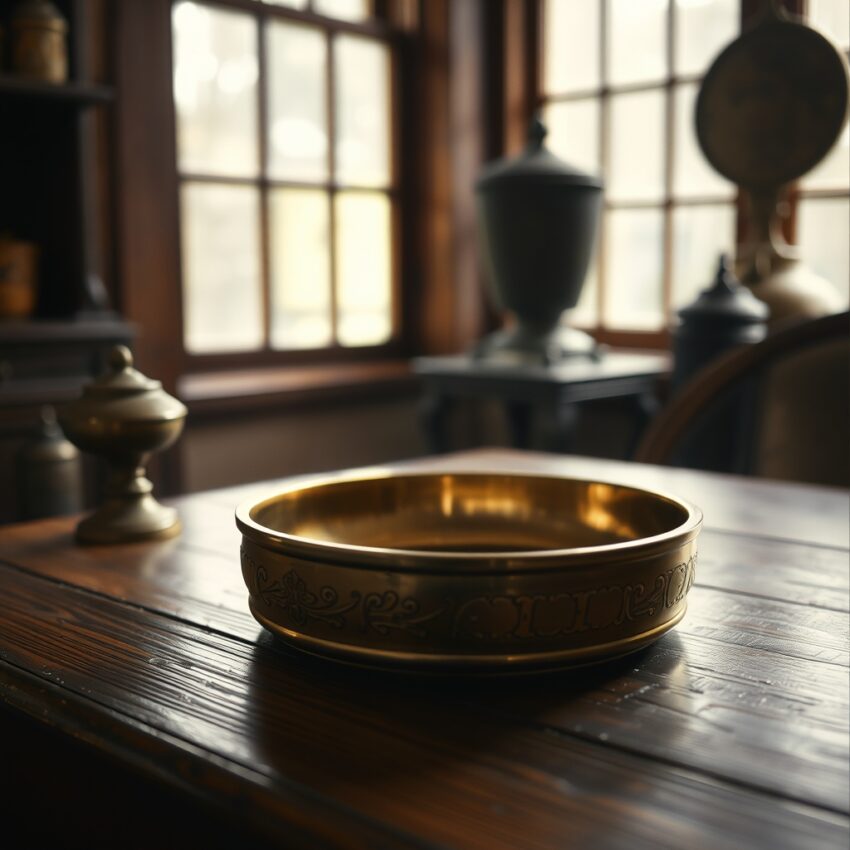
Bazı nesneler bir dönemin gündelik hayatında o kadar sıradan yer alır ki, değerleri ancak ortadan kaybolduklarında anlaşılır. Pirinç küllük de böyle bir obje. Bir zamanlar salon sehpalarında, kahvehane masalarında, otel lobilerinde ve ağır perdeli misafir odalarında hiç dikkat çekmeden duran bu nesne, bugün koleksiyonerlerin gözünde yalnız işlevsel bir eşya değil; ağırlığı, yüzeyindeki aşınma izleri ve taşıdığı mekân hafızasıyla küçük bir zaman kapsülü. Elin içine alındığında hissettirdiği serinlik, kenarındaki oyma desenler, altındaki üretici damgası ya da yıllar boyu aynı yerde durmuş olmanın verdiği mat parlaklık, pirinç küllüğü yalnız bir aksesuar olmaktan çıkarıp hikâyesi olan bir obje hâline getiriyor.
Obje Hikayeleri açısından pirinç küllüğün yeniden ilgi görmesi tesadüf değil. Çünkü bugünün hızlı tüketim dünyasında kalıcılığı olan, bakım isteyen ve yaşlandıkça karakter kazanan eşyalar daha kıymetli görünmeye başladı. Pirinç, zamanla kararır; ama tam da bu yüzden insanı yüzeyine bakmaya çağırır. Parlatıldığında geçmişi tümüyle silinmez, yalnızca başka bir katmanı görünür olur. Koleksiyonerlerin iz sürdüğü şey de budur: nesnenin yalnız formu değil, zamana verdiği cevap. Bir küllüğün hangi otelde kullanıldığı, hangi aile salonunda yıllarca aynı sehpanın üzerinde durduğu ya da hangi berber dükkânında tütün kokusuna karıştığı bilinmese bile, yüzeyi bunların ipuçlarını taşır. Bu nedenle pirinç küllük, sessiz bir arşiv gibi okunur.
Bu objenin estetik çekiciliği de önemlidir. Eski tasarımlarda işlev ile süs çoğu zaman birbirinden ayrılmazdı. Küllüğün geniş ağzı, sigara izmaritini bırakmaya yaradığı kadar masanın üzerinde dengeli görünmesini de sağlardı; yıldız, yaprak ya da geometrik çizgilerle işlenmiş kenarlar ise gündelik eşyaya beklenmedik bir zarafet katardı. Bugün sigara kültürünün değişmesiyle birlikte, nesnenin işlevi geri çekilirken tasarımı öne çıktı. İnsanlar onu anahtarlık kabı, masa üstü objesi ya da yalnızca dekoratif bir parça olarak değerlendirmeye başladı. Fakat bu yeni kullanım biçimleri bile eski salonların, kahvehanelerin ve bekleme odalarının gölgesini üzerinde taşımaya devam ediyor. Pirinç küllüğün çekiciliği biraz da bu çift anlamlılıktan geliyor: Hem geçmişi hatırlatıyor hem de bugünün mekânında yeni bir görev üstleniyor.
Koleksiyon dünyasında bu tür nesnelere yöneliş, sadece nostaljik bir duyguya bağlanamaz. Aynı zamanda iz sürme zevkiyle ilgilidir. Bit pazarlarında, antikacılarda ya da aile evlerinin dağılmış çekmecelerinde bulunan pirinç küllükler, insanı üretim tarihine, malzeme bilgisinin inceliklerine ve unutulmuş iç mekân alışkanlıklarına götürür. Hangi dönemde daha ağır formlar tercih edilmişti? Hangi atölye hangi deseni kullanıyordu? Hangi şehirlerde otel küllükleri daha sade, hangilerinde daha süslüydü? Bu sorular, küçücük bir nesneyi geniş bir kültürel haritaya bağlar. O yüzden koleksiyoner için pirinç küllük, yalnız alınan bir eşya değil; peşine düşülen bir izdir.
Bugün bu objenin yeniden ilgi görmesinin bir başka nedeni de gündelik eşyanın taşıyabileceği ciddiyeti hatırlatması. Bir zamanlar masanın üstünde sessizce duran bir küllük, mekânın ritmini, misafirliğin biçimini ve oturma düzenini etkilerdi. İnsanlar konuşurken elleri ona uzanır, sohbetin boşlukları onun etrafında şekillenirdi. Şimdi sigara dumanı çekilmiş olabilir; ama nesnenin çevresinde oluşmuş sosyal koreografi bütünüyle silinmiş değil. Pirinç küllük yeniden ilgi görüyorsa, bu biraz da geçmişin yalnız büyük olaylarda değil, küçük masa üstü eşyalarında da saklı olduğunu hatırlattığı içindir. Koleksiyonerlerin peşine düştüğü şey tam olarak bu: gündelik hayatın ağırbaşlı, metalik, elde tutulur izi.
🇬🇧 English | The Brass Ashtray and the Past Traced by Collectors: Why Is It Drawing Attention Again Today?
Some objects occupy such an ordinary place in daily life that their value is understood only after they disappear. The brass ashtray is one of them. Once resting almost unnoticed on living room tables, coffeehouse counters, hotel lobbies, and formal guest rooms with heavy curtains, it now appears in the eyes of collectors not merely as a functional object, but as a small capsule of time. Its coolness in the hand, the worn surface, carved edges, manufacturer’s stamp, and the muted shine that comes from standing in the same place for years all turn it from an accessory into an object with a story. A brass ashtray is no longer simply looked at. It is read.
From the perspective of object stories, it is no accident that brass ashtrays are attracting interest again. In a world of rapid consumption, items that endure, require care, and gain character with age have begun to seem more precious. Brass tarnishes over time, but precisely for that reason it invites close attention. When polished, its past is not erased. Another layer simply becomes visible. That is what collectors are tracing: not only the shape of the object, but the way it answers time. Even if no one knows in which hotel it was used, on which family table it stood, or in which barber shop it absorbed tobacco and conversation, the surface carries clues. A brass ashtray functions almost like a silent archive.
Its aesthetic appeal also matters. In older designs, utility and ornament were rarely separated. The broad mouth of the ashtray existed not only to hold cigarette ends, but to sit with visual balance on the table. Edges shaped with stars, leaves, or geometric lines gave a surprising grace to an ordinary household object. Today, as smoking culture has changed, the function of the item has withdrawn and the design has stepped forward. People use it to hold keys, to anchor a desk, or simply as a decorative piece. Yet even in these new uses, it continues to carry the shadow of former salons, coffeehouses, and waiting rooms. Part of its attraction lies in this doubleness. It recalls the past while accepting a new role in the present interior.
The renewed turn toward such objects in collecting cannot be explained by nostalgia alone. It is also bound to the pleasure of tracing origins. Brass ashtrays found in flea markets, antique shops, or the emptied drawers of old family homes lead people toward production histories, material knowledge, and forgotten habits of interior life. In which years were heavier forms preferred? Which workshop used which patterns? In what cities were hotel ashtrays plainer, and where were they more ornate? Questions like these connect a small object to a wide cultural map. For a collector, then, the brass ashtray is not only something purchased. It is a trail pursued.
Another reason for its renewed appeal today is the way it reminds us of the seriousness once carried by everyday things. An ashtray standing quietly on a table could influence the rhythm of a room, the manner of receiving guests, and even the arrangement of bodies in conversation. Hands moved toward it while people spoke, and pauses in talk formed around it. The smoke may have disappeared now, but the social choreography once built around the object has not entirely vanished. If the brass ashtray is drawing attention again, it is because it reminds us that the past is preserved not only in great events, but in small objects resting on a tabletop. That is the trace collectors continue to follow: the weighty, metallic, graspable imprint of daily life.
🇧🇷 Português (Brasil) | O Cinzeiro de Latão e o Passado Seguido pelos Colecionadores: Por Que Ele Volta a Despertar Interesse Hoje?
Alguns objetos ocupam um lugar tão comum na vida cotidiana que seu valor só é percebido depois que desaparecem. O cinzeiro de latão é um deles. Durante muito tempo ele ficou sem chamar atenção em mesas de sala, balcões de café, saguões de hotel e salas de visita com cortinas pesadas. Hoje, aos olhos dos colecionadores, ele não é apenas uma peça funcional, mas uma pequena cápsula do tempo. A frieza que transmite ao toque, o desgaste da superfície, as bordas trabalhadas, o selo do fabricante e o brilho opaco de ter permanecido anos no mesmo lugar fazem dele algo mais do que um acessório. Transformam-no num objeto com história. O cinzeiro de latão já não é só observado. Ele é lido.
No campo das histórias dos objetos, não é por acaso que os cinzeiros de latão voltam a despertar interesse. Num mundo de consumo rápido, itens que duram, exigem cuidado e ganham personalidade com o tempo passaram a parecer mais preciosos. O latão escurece, mas justamente por isso convida o olhar atento. Quando é polido, o passado não desaparece. Apenas outra camada se torna visível. É isso que os colecionadores seguem: não só a forma da peça, mas o modo como ela responde ao tempo. Mesmo que ninguém saiba em qual hotel foi usado, em qual mesa de família permaneceu ou em qual barbearia absorveu fumaça e conversa, a superfície ainda guarda pistas. O cinzeiro de latão funciona quase como um arquivo silencioso.
Seu apelo estético também importa. Nos desenhos antigos, utilidade e ornamento raramente eram separados. A abertura larga do cinzeiro servia não apenas para receber pontas de cigarro, mas também para manter equilíbrio visual sobre a mesa. Bordas trabalhadas com estrelas, folhas ou linhas geométricas davam elegância inesperada a um objeto doméstico comum. Hoje, com a mudança da cultura do fumo, a função recuou e o desenho ganhou destaque. Muita gente o usa como porta-chaves, peça de mesa ou simples elemento decorativo. Mesmo assim, ele continua carregando a sombra das antigas salas, cafés e ambientes de espera. Parte de seu fascínio está nessa dupla condição: lembrar o passado enquanto assume um novo papel nos interiores de hoje.
O retorno desse tipo de peça ao universo do colecionismo não se explica apenas pela nostalgia. Ele também tem a ver com o prazer de seguir rastros. Cinzeiros de latão encontrados em feiras de antiguidades, lojas especializadas ou gavetas esvaziadas de casas antigas conduzem a histórias de fabricação, ao conhecimento sobre materiais e a hábitos esquecidos de ocupação dos ambientes. Em que época se preferiam formas mais pesadas? Que ateliê usava determinado desenho? Em quais cidades os cinzeiros de hotel eram mais simples e em quais eram mais ornamentados? Perguntas assim ligam um objeto pequeno a um mapa cultural muito maior. Para o colecionador, portanto, o cinzeiro de latão não é apenas algo comprado. É um vestígio perseguido.
Outro motivo para o interesse renovado está no fato de essa peça lembrar a seriedade que os objetos cotidianos já tiveram. Um cinzeiro parado sobre a mesa podia influenciar o ritmo do ambiente, a maneira de receber visitas e até a disposição dos corpos durante a conversa. As mãos se aproximavam dele enquanto as pessoas falavam, e os silêncios se organizavam ao seu redor. A fumaça pode ter saído de cena, mas a coreografia social formada em torno do objeto não desapareceu completamente. Se o cinzeiro de latão volta a chamar atenção hoje, é porque lembra que o passado não se preserva apenas em grandes acontecimentos, mas também em pequenos objetos pousados sobre a mesa. É esse rastro pesado, metálico e palpável da vida cotidiana que os colecionadores continuam seguindo.