🇹🇷 Türkçe | anteni çevirdikçe netleşen umut eşliğinde karanlık oda büyütücüsü kullanmak neden başlı başına bir törendi tatil rehavetinin ortasında bir vitrinin içinden bize bakarken
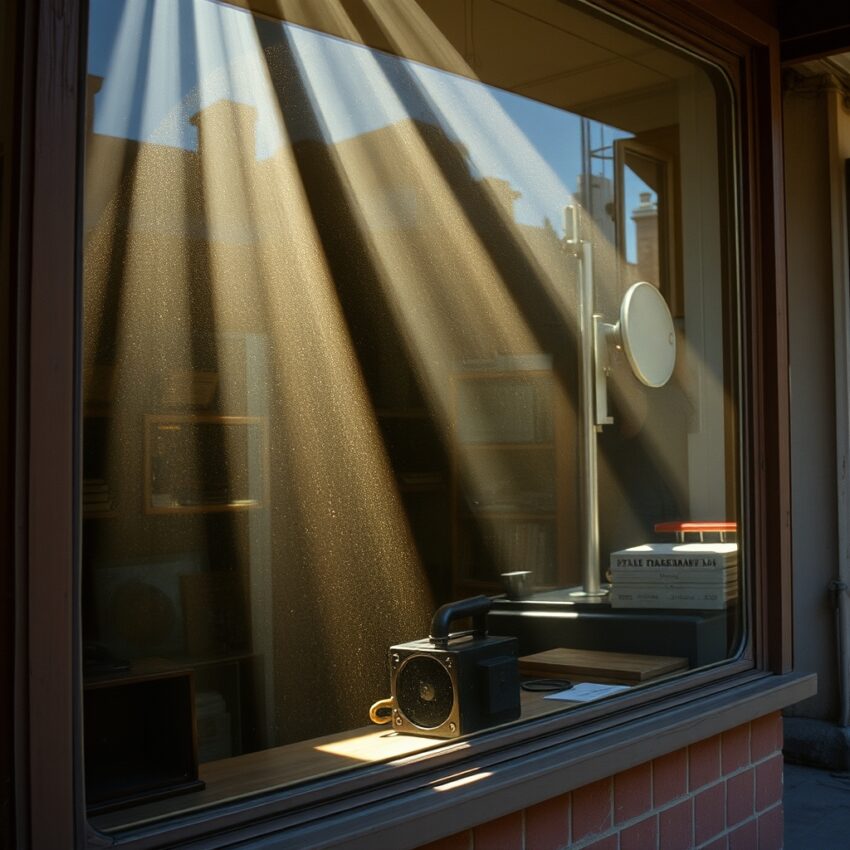
Bazı teknolojiler eve girmeden önce vitrin camında uzun süre yaşar. Yaz tatilinin ağır akan günlerinde çarşıya inen çocuklar ve gençler için karanlık oda büyütücüsü tam da böyle bir cihazdı; adı belki ilk anda bilinmezdi ama duruşu, kolları, lensi ve altında duracak fotoğraf kâğıdını çağrıştıran gövdesiyle gizemli bir mühendislik nesnesi gibi görünürdü. Aynı sokakta, dükkânın biraz ilerisinde televizyon tamircisinin önünde birileri anten çevirir, görüntü netleşsin diye çatıyla salon arasında bağırış çağırış sürerdi. İşte o günlerin teknolojik umudu buydu: görüntüye yaklaşmak. Biri ekrandaki karlanmayı dağıtmaya çalışır, diğeri karanlık odada ışığı milim milim yöneterek görüntüyü kâğıda çağırırdı. Bu yüzden büyütücüyü kullanmak yalnız teknik bir işlem değil, görüntüyü adım adım dünyaya geri getiren bir törendi.
Teknoloji Mirası açısından karanlık oda büyütücüsü, analog çağın sabırla çalışan en zarif araçlarından biridir. Fotoğrafın çekilmesi kadar basılması da ayrı bir ustalık gerektirirdi; negatif şeridin yerleştirilmesi, netliğin ayarlanması, poz süresinin sezgisel bir dikkatle hesaplanması ve ardından görüntünün banyoda yavaş yavaş belirivermesi neredeyse mabetsi bir sessizlik isterdi. Bugünün tek dokunuşta çoğalan görselleriyle kıyaslandığında, o süreçte her kareye emek kadar saygı da yüklenirdi. Tatil rehaveti içinde vitrine bakıp bu cihaza hayran kalan biri, aslında yalnız pahalı bir makineye değil, görüntünün ciddiyetine bakıyordu. Çünkü büyütücü, zamanı durdurmanın değil, zamanı karanlıkta yeniden görünür kılmanın aletiydi.
Mahalle ve ev hayatı bu teknolojiyle dolaylı biçimde ilişki kurardı. Fotoğrafçı dükkânları yalnız vesikalık çekilen yerler değildi; düğünlerin, sünnetlerin, okul hatıralarının ve yazlık kasabada geçirilen mevsimlerin kimyasal hafızasını taşıyan atölyelerdi. Çocuklar camekâna burunlarını dayayıp içeriye bakarken, yetişkinler teslim alınacak albümleri sorar, dükkân sahibi elleri hafifçe leke tutmuş önlüğüyle arka tarafta kaybolurdu. Karanlık odadan çıkan fotoğrafın değeri, ona hemen ulaşılamamasından gelirdi. Anteni çevirerek netleşen televizyon görüntüsü nasıl ev halkını bir anlığına sevindiriyorsa, büyütücünün altında doğru ışığı bulmak da fotoğrafçının sessiz zaferiydi. Her iki durumda da teknoloji, sabır ile ödül arasındaki bağı görünür kılıyordu.
Büyütücünün tören duygusu biraz da beden hareketlerinden doğardı. Cihazın başına eğilmek, yüksekliğini ayarlamak, kırmızı güvenlik ışığında zamanı kollamak, kâğıdı banyo tepsisine dikkatle bırakmak… Bunların her biri mekanik olduğu kadar neredeyse ritüelistik hareketlerdi. Analog mühendislik, kullanıcıyı sürecin dışına itmez; tam tersine ellerini, gözünü ve bekleme disiplinini sürecin içine çekerdi. Bu nedenle büyütücüyü kullanan kişi yalnız bir operatör değil, görüntünün doğumuna eşlik eden bir tanıktı. Tatil günlerinin gevşek saatlerinde vitrinin önünden geçenler de bunu sezerek bakardı. Cihaz, hareketsiz durduğu yerde bile içeride bir gün bir fotoğrafın doğacağını hissettirirdi.
Bugün karanlık oda büyütücüsüne yeniden ilgi duyanların çoğu, yalnız estetik bir nostaljinin peşinde değil. Aslında aradıkları, görüntünün yeniden emek isteyen bir şeye dönüşmesi. Eski vitrinlerin içinden bize bakan o cihaz, hâlâ şu soruyu hatırlatıyor: Bir görüntü ne zaman gerçekten bizim olur? Ona hemen sahip olduğumuzda mı, yoksa ona vakit, dikkat ve biraz da umut verdiğimizde mi? Anteni çevirdikçe netleşen umut ile büyütücünün karanlıkta çoğalttığı sabır aynı çağın iki duygusuydu. Bu yüzden o makine, tatil rehavetinin ortasında bile başlı başına bir tören gibi hatırlanıyor; çünkü insanı yalnız sonuçla değil, sonucu doğuran süreçle de yeniden tanıştırıyordu.
🇬🇧 English | Why Using a Darkroom Enlarger Alongside the Hope That Grew Clearer as the Antenna Was Turned Was a Ceremony in Itself While Looking at Us from a Shop Window in the Middle of Holiday Languor
Some technologies live for a long time in a shop window before they ever enter a home. For children and teenagers wandering through the market district during the slow afternoons of summer vacation, the darkroom enlarger was exactly that kind of device. Its name might not be known at first, yet with its upright body, arms, lens, and the promise of photographic paper beneath it, it looked like a mysterious object of engineering. On the same street, a little farther down, people stood outside the television repair shop turning an antenna, shouting between rooftop and living room in the hope of clearing a snowy image. That was the technological hope of those years: getting closer to a picture. One effort tried to sharpen the screen, the other tried to summon an image onto paper by guiding light millimeter by millimeter in the dark. For that reason, using an enlarger was never only a technical act. It was a ceremony of bringing an image back into the world step by step.
From the perspective of technological heritage, the darkroom enlarger is one of the most elegant instruments of the analog age. Printing a photograph demanded as much craft as taking one. The strip of negative had to be placed, focus adjusted, exposure timed with intuitive care, and then the image would slowly emerge in the tray as if from silence itself. Compared with the instant multiplication of images today, that process loaded each frame with effort and with respect. Anyone lingering in holiday idleness before a shop window and admiring such a device was not merely looking at an expensive machine. They were looking at the seriousness of the image. The enlarger was not a tool for freezing time, but for making time visible again in darkness.
Neighborhood and domestic life touched this technology indirectly but deeply. Photography shops were not simply places for identification pictures. They were workshops holding the chemical memory of weddings, circumcisions, school portraits, and summers spent in coastal towns. Children pressed their noses against the display glass, adults asked when albums would be ready, and the shopkeeper, often wearing an apron faintly marked by stains, disappeared into the back room. The value of the photograph came partly from not reaching it immediately. Just as a television picture becoming clear through a turned antenna briefly delighted a household, finding the right light beneath the enlarger was the photographer’s quiet triumph. In both cases, technology made visible the bond between patience and reward.
The enlarger’s sense of ceremony also arose from the movements of the body around it. Leaning toward the machine, adjusting its height, watching time under the red safety light, lowering the paper carefully into the chemical tray: each gesture was mechanical, yet almost ritualistic. Analog engineering did not push the user away from the process. It drew hands, eyes, and the discipline of waiting into the center of the work. The person operating the enlarger was therefore not only a technician, but a witness accompanying the birth of an image. Those passing in front of the window during the loose hours of vacation could sense that too. Even standing still, the machine suggested that one day, somewhere behind that glass, a photograph would come into being.
Many people who feel renewed interest in darkroom enlargers today are not chasing only an aesthetic nostalgia. What they seek is the return of effort to the image. The device that once looked back at us from old shop windows still asks the same question: when does an image truly become ours? Is it when we possess it instantly, or when we give it time, attention, and a measure of hope? The hope that sharpened with each turn of an antenna and the patience multiplied by the enlarger in darkness were two emotions of the same era. That is why the machine is remembered as a ceremony in itself even in the middle of holiday languor. It reunited people not only with the result, but with the process that gave the result its meaning.
🇧🇷 Português (Brasil) | Por Que Usar um Ampliador de Laboratório Fotográfico Junto da Esperança que se Tornava Mais Nítida ao Girar a Antena Era uma Cerimônia em Si, Enquanto nos Olhava de uma Vitrine em Meio à Languidez das Férias
Algumas tecnologias vivem durante muito tempo na vitrine antes de entrarem de fato em casa. Para crianças e jovens que desciam ao comércio nas tardes lentas das férias de verão, o ampliador de laboratório fotográfico era exatamente esse tipo de aparelho. Talvez nem soubessem o nome, mas sua estrutura, o braço, a lente e o espaço onde ficaria o papel fotográfico faziam dele um objeto de engenharia cheio de mistério. Na mesma rua, um pouco adiante, alguém girava a antena diante da oficina do técnico de televisão, enquanto vozes gritavam entre o telhado e a sala para ver se a imagem ficava limpa. Essa era a esperança tecnológica daqueles anos: aproximar-se da imagem. De um lado tentava-se tirar os chuviscos da tela; do outro, convocava-se a fotografia para o papel ao controlar a luz milímetro por milímetro no escuro. Por isso usar um ampliador não era apenas um gesto técnico. Era uma cerimônia de fazer a imagem voltar ao mundo passo a passo.
No campo da herança tecnológica, o ampliador é um dos instrumentos mais elegantes da era analógica. Imprimir uma fotografia exigia quase tanta habilidade quanto capturá-la. Era preciso posicionar o negativo, acertar o foco, calcular o tempo de exposição com atenção intuitiva e depois assistir à imagem surgir lentamente na bandeja, quase como se viesse do silêncio. Comparado com a multiplicação instantânea das imagens de hoje, esse processo colocava em cada quadro não só trabalho, mas também respeito. Quem parava diante da vitrine em plena languidez das férias e admirava o aparelho não estava olhando apenas para uma máquina cara. Estava olhando para a seriedade da imagem. O ampliador não servia para congelar o tempo, mas para tornar o tempo novamente visível dentro da escuridão.
A vida do bairro e da casa se ligava a essa tecnologia de modo indireto, mas profundo. Os estúdios fotográficos não eram apenas lugares para retratos de documento. Eram oficinas que guardavam a memória química de casamentos, festas de família, fotos escolares e verões passados em cidades litorâneas. As crianças encostavam o nariz no vidro, os adultos perguntavam quando os álbuns ficariam prontos, e o fotógrafo, com o avental marcado por pequenas manchas, desaparecia na parte de trás da loja. O valor da fotografia vinha também do fato de não ser obtida imediatamente. Assim como a imagem da televisão mais nítida ao girar a antena trazia alegria à casa, encontrar a luz certa sob o ampliador era a vitória silenciosa do fotógrafo. Nos dois casos, a tecnologia deixava visível a relação entre paciência e recompensa.
O sentimento de cerimônia do ampliador também nascia dos movimentos do corpo diante dele. Inclinar-se sobre a máquina, ajustar sua altura, contar o tempo sob a luz vermelha de segurança, mergulhar o papel com cuidado na bandeja química: cada gesto era mecânico, mas quase ritual. A engenharia analógica não afastava o usuário do processo. Pelo contrário, puxava as mãos, os olhos e a disciplina da espera para o centro do trabalho. Quem usava o ampliador não era apenas um operador, mas uma testemunha do nascimento da imagem. Quem passava diante da vitrine nas horas folgadas das férias percebia isso também. Mesmo parado, o aparelho sugeria que, atrás daquele vidro, uma fotografia nasceria em algum momento.
Muita gente que hoje volta a se interessar por ampliadores não busca somente uma nostalgia estética. O que procura é devolver esforço à imagem. O aparelho que antes nos olhava das vitrines antigas ainda faz a mesma pergunta: quando uma imagem realmente passa a ser nossa? Quando a possuímos na mesma hora ou quando lhe damos tempo, atenção e um pouco de esperança? A esperança que ganhava nitidez ao girar a antena e a paciência multiplicada pelo ampliador no escuro eram duas emoções da mesma época. Por isso essa máquina ainda é lembrada como uma cerimônia em si, mesmo em meio à languidez das férias. Ela aproximava as pessoas não só do resultado, mas do processo que dava sentido ao resultado.