🇹🇷 Türkçe | Hatıraların tozlu raflarında telefon kulübelerinin haber taşıdığı sabırsız dakikalar: bugüne hangi sessiz alışkanlıkları bıraktı yaz akşamları
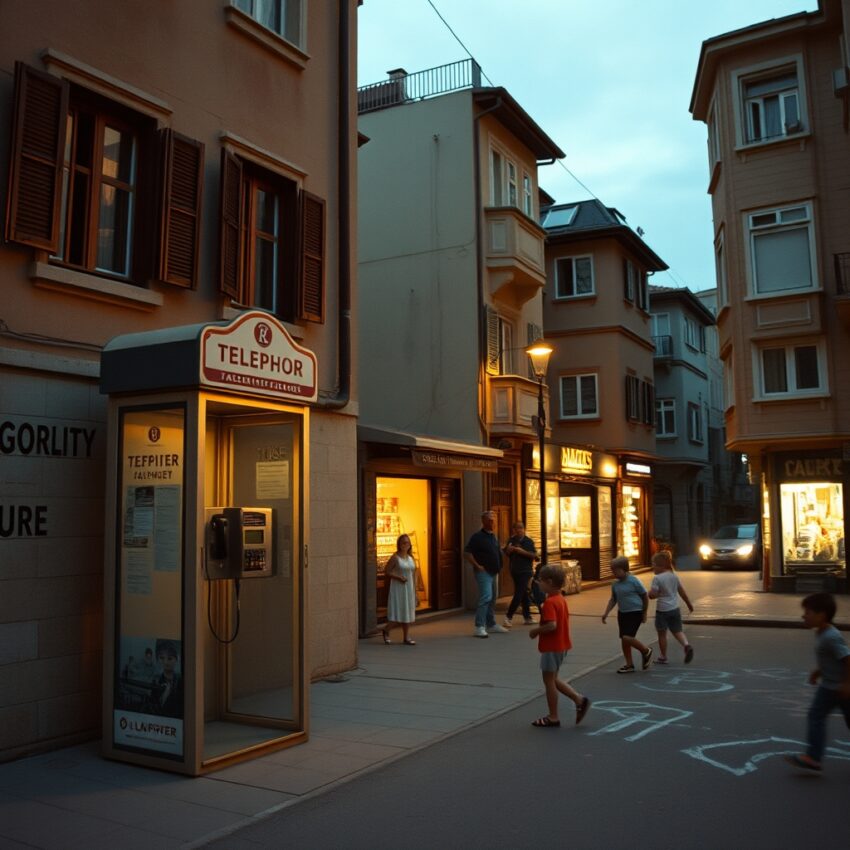
Yaz akşamlarının kararması eski mahallelerde bir anda olmazdı; ışık, sokakların üstünden yavaşça çekilirken gündüzün telaşı da usul usul durulurdu. Pencereler açılır, balkon demirlerine serilen kilimler günün son sıcaklığını tutar, çocuklar eve çağrılmadan önce son bir kez daha seksek çizgilerinin üzerinden atlamaya çalışırdı. Tam o saatlerde, bakkalın az ilerisindeki telefon kulübesinin önünde her zaman belli belirsiz bir bekleyiş olurdu. Camları parmak iziyle buğulanmış o dar kabin, yalnızca bir makine değil, mahalleye uzaktan gelen seslerin kısa süreliğine konakladığı küçük bir eşikti. Birinin şehir dışındaki oğlundan haber alacağı, bir öğrencinin yatılı okuldan annesini arayacağı ya da askerdeki bir akrabanın sesinin birkaç bozukluk karşılığında eve uğrayacağı yer tam da orasıydı.
Zamanın İzinde açısından telefon kulübeleri, iletişim tarihinin soğuk bir ayrıntısından çok gündelik hayatın ritmini biçimlendiren toplumsal sahnelerdir. Eski gazetelerde tarifeler, PTT duyuruları ve şehirlerarası görüşme saatleri ayrı bir ciddiyetle yer alırken, mahalle hafızasında kalan asıl şey konuşmanın öncesindeki sabırdır. Çünkü haber hemen gelmez, aranacak numara ezbere bilinmez, bozukluklar dikkatle avuçta sayılırdı. Kulübenin kapısı kapanınca dışarıdaki dünya bir anlığına susar; içeridekini bekleyenler, yüz ifadesinden konuşmanın iyi mi kötü mü geçtiğini anlamaya çalışırdı. O yüzden telefon kulübesi, haberin kendisi kadar haberin yükünü de taşıyan bir mekândı.
Bu bekleyiş kültürü yaz akşamlarına kendine özgü sessiz alışkanlıklar bıraktı. İnsanlar söz kesmemeyi, karşısındakinin nefesinden duygusunu okumayı ve kısa sürede söyleyeceğini seçmeyi öğrendi. Evde telefon yoksa komşuya haber bırakmak, “akşam kulübeden ararım” demek ya da çocukları bozuk para bozdurmaya yollamak sıradan davranışlardı. Mahalle esnafı da bu ritmin parçasıydı; bakkal çekmecesinde bozukluk ayırır, kırtasiyeci fişlerin arkasına numara yazdırır, kulübenin hemen yanında duran bankta biri mutlaka sırasını beklerdi. Yazın açık kalan pencereler sayesinde yarım yamalak duyulan cümleler değil, konuşma bittikten sonra eve taşınan hâl kalırdı. Kimi zaman rahatlamış bir omuz düşüşü, kimi zaman dalgın bir sessizlik, kimi zaman da “ulaştık ya, yeter” diyen derin bir nefes…
Telefon kulübelerinin mahalleye bıraktığı en kalıcı izlerden biri de aceleyi terbiye eden bir nezaket duygusudur. Kimse sonsuza kadar konuşamazdı; arkada bekleyen birinin varlığı herkese zamanın ortak olduğunu hatırlatırdı. Bu yüzden cümleler doğrudan, ses tonları ölçülü, vedalar ise şaşırtıcı derecede özenliydi. “Merak etmeyin”, “sağ salim vardım”, “haftaya yine ararım” gibi bugün basit görünen cümleler, o dönemde bir akşamın bütün gerilimini çözmeye yeterdi. Yaz akşamları boyunca aynı kulübede dönüp duran bu kısa cümleler, mahallede başka bir duygu ekonomisi kurdu; az sözle çok şey söylemenin, haberin ağırlığını gereksiz süs olmadan taşımanın ekonomisi.
Bugün telefon kulübeleri neredeyse tamamen sokaklardan çekilmiş olsa da, geride bıraktıkları alışkanlıklar bütünüyle kaybolmuş değil. Hâlâ önemli bir haberi verirken sesimizi yumuşatmamızda, uzaktaki birini aramadan önce zihnimizde cümle prova etmemizde ve yaz akşamlarının belli saatlerinde içimize sebepsizce çöken o haber bekleme duygusunda onların payı var. Çünkü telefon kulübesi yalnız geçmişte kalan bir iletişim nesnesi değildi; insanlara sözün kıymetini, sıranın adaletini ve yaz akşamı sessizliğinin içinde bile bir başkasına yer açmayı öğreten küçük bir kamusal okuldu. Hatıraların tozlu raflarında yerini bu yüzden koruyor: yalnız sesi değil, sesi bekleme biçimini de miras bıraktığı için.
🇬🇧 English | In the Dusty Shelves of Memory, the Impatient Minutes When Telephone Booths Carried the News: Which Quiet Habits Did They Leave Behind in Summer Evenings Today?
Summer evenings did not darken all at once in old neighborhoods. As the light withdrew slowly from the streets, the hurry of the day also softened little by little. Windows opened, rugs hung over balcony rails held the last warmth, and children tried to jump across the chalk lines of their games one final time before being called inside. At exactly those hours, there was always a faint expectancy around the telephone booth a little beyond the grocer’s shop. That narrow cabin, its glass clouded by fingerprints, was not simply a machine. It was a small threshold where voices arriving from far away paused for a moment in the neighborhood. It was the place where someone heard from a son living in another city, where a boarding school student called his mother, or where the voice of a relative in military service entered the home for the price of a few coins.
From the perspective of time and memory, telephone booths were more than a cold detail in communication history. They were scenes that shaped the rhythm of ordinary life. Old newspapers treated tariffs, PTT notices, and long-distance calling hours with visible seriousness, yet what remained in neighborhood memory was the patience that came before the conversation itself. News did not arrive instantly, numbers were often memorized rather than stored, and coins were counted carefully in the palm. Once the booth door closed, the outside world seemed to fall silent for a moment. Those waiting nearby tried to read from a face whether the conversation had gone well or badly. For that reason, the telephone booth carried not only news, but also the emotional weight of news.
This culture of waiting left behind its own quiet habits in summer evenings. People learned not to interrupt, to read emotion from the breath on the other side, and to choose their words before speaking. If there was no telephone at home, leaving a message with a neighbor, saying “I’ll call from the booth tonight,” or sending a child to exchange money into coins were all ordinary gestures. The neighborhood tradesmen were part of the same rhythm. The grocer kept change aside in a drawer, the stationer let people jot numbers on the back of receipts, and on the bench beside the booth there was usually someone waiting a turn. Through the open summer windows what lingered was not half-heard sentences, but the mood carried back into the house after the call: a shoulder dropping in relief, a distracted silence, or a deep breath that seemed to say, at least we reached them.
One of the most enduring traces left by telephone booths was a form of courtesy that disciplined haste. No one could speak forever. The presence of someone waiting in line reminded everyone that time belonged to others as well. Because of that, sentences were direct, tones measured, and goodbyes unexpectedly careful. Phrases that sound simple today, such as “Don’t worry,” “I arrived safely,” or “I’ll call again next week,” were once enough to dissolve the tension of an entire evening. Repeated through the same booth across many summer nights, those brief sentences created another emotional economy in the neighborhood, one in which little speech carried great meaning and news was delivered without unnecessary display.
Telephone booths have nearly disappeared from the streets, yet the habits they left behind have not vanished completely. They still live in the way we soften our voices when giving important news, rehearse our sentences before calling someone far away, and feel an unaccountable expectation settling over us at certain hours of summer evenings. The booth was not merely an old communication object. It was a small public school that taught people the value of words, the fairness of taking turns, and the grace of making room for another person even inside silence. That is why it remains on the dusty shelves of memory. It left behind not only sound, but a way of waiting for sound.
🇧🇷 Português (Brasil) | Nas Prateleiras Empoeiradas da Memória, os Minutos Impacientes em que as Cabines Telefônicas Levavam as Notícias: Que Hábitos Silenciosos Elas Deixaram nas Noites de Verão de Hoje?
Nas antigas vizinhanças, as noites de verão não caíam de uma vez. Enquanto a luz se retirava devagar das ruas, a pressa do dia também perdia força aos poucos. As janelas se abriam, os tapetes estendidos nas grades das varandas guardavam o último calor da tarde, e as crianças tentavam pular mais uma vez as linhas do jogo antes de serem chamadas para dentro. Exatamente nessas horas, havia sempre uma espera discreta em volta da cabine telefônica logo depois da mercearia. Aquele cubículo estreito, com o vidro marcado por dedos, não era apenas uma máquina. Era um pequeno limiar onde as vozes vindas de longe pousavam por alguns minutos no bairro. Ali alguém recebia notícias do filho em outra cidade, um estudante interno ligava para a mãe, ou a voz de um parente no serviço militar visitava a casa em troca de algumas moedas.
No rastro do tempo, as cabines telefônicas eram mais do que um detalhe frio da história da comunicação. Eram cenas que moldavam o compasso da vida cotidiana. Nos velhos jornais, tarifas, avisos dos correios e horários de chamadas interurbanas apareciam com solenidade, mas o que ficou na memória do bairro foi a paciência que vinha antes da conversa. A notícia não chegava imediatamente, os números eram decorados em vez de armazenados, e as moedas eram contadas com cuidado na palma da mão. Quando a porta da cabine se fechava, o mundo de fora parecia silenciar por um instante. Quem esperava tentava adivinhar pelo rosto se a conversa tinha sido boa ou ruim. Por isso a cabine carregava não apenas a notícia, mas também o peso emocional da notícia.
Essa cultura da espera deixou hábitos silenciosos nas noites de verão. As pessoas aprenderam a não interromper, a perceber o sentimento pela respiração do outro lado e a escolher rapidamente o que dizer. Quando não havia telefone em casa, deixar recado com o vizinho, avisar “à noite eu ligo da cabine” ou mandar uma criança trocar dinheiro por moedas eram gestos comuns. Os comerciantes do bairro também faziam parte desse ritmo. O merceeiro separava troco numa gaveta, a papelaria deixava anotar números no verso dos recibos, e no banco ao lado da cabine quase sempre havia alguém aguardando a vez. Pelas janelas abertas do verão, não ficavam frases ouvidas pela metade, mas o estado de espírito que voltava para casa depois da ligação: um ombro relaxado, um silêncio distraído ou um suspiro fundo que dizia que o importante era ter conseguido falar.
Um dos rastros mais duradouros que as cabines deixaram foi uma delicadeza capaz de educar a pressa. Ninguém podia falar para sempre. A presença de alguém esperando lembrava que o tempo também era dos outros. Por isso as frases eram diretas, o tom da voz era medido e as despedidas carregavam um cuidado inesperado. Expressões que hoje parecem simples, como “não se preocupe”, “cheguei bem” ou “ligo de novo na semana que vem”, eram suficientes para aliviar a tensão de toda uma noite. Repetidas na mesma cabine ao longo de muitos verões, essas frases curtas criaram outra economia emocional no bairro, uma maneira de dizer muito com poucas palavras e de carregar o peso da notícia sem exagero.
As cabines telefônicas quase desapareceram das ruas, mas os hábitos que deixaram não sumiram por completo. Eles ainda vivem na forma como baixamos a voz para dar uma notícia importante, ensaiamos mentalmente o que vamos dizer antes de ligar para alguém distante e sentimos uma expectativa sem explicação em certas horas das noites de verão. A cabine não era apenas um objeto antigo de comunicação. Era uma pequena escola pública que ensinava o valor da palavra, a justiça da espera e a elegância de abrir espaço para o outro até dentro do silêncio. Por isso ela continua nas prateleiras empoeiradas da memória: porque deixou como herança não só a voz, mas também o modo de esperar por ela.