🇹🇷 Türkçe | ayakkabı boyacısının köşe nöbeti neden eski şehir hayatının kalbinde yer etti rüzgâr alan balkonlarda kent belleğine incece yerleşerek
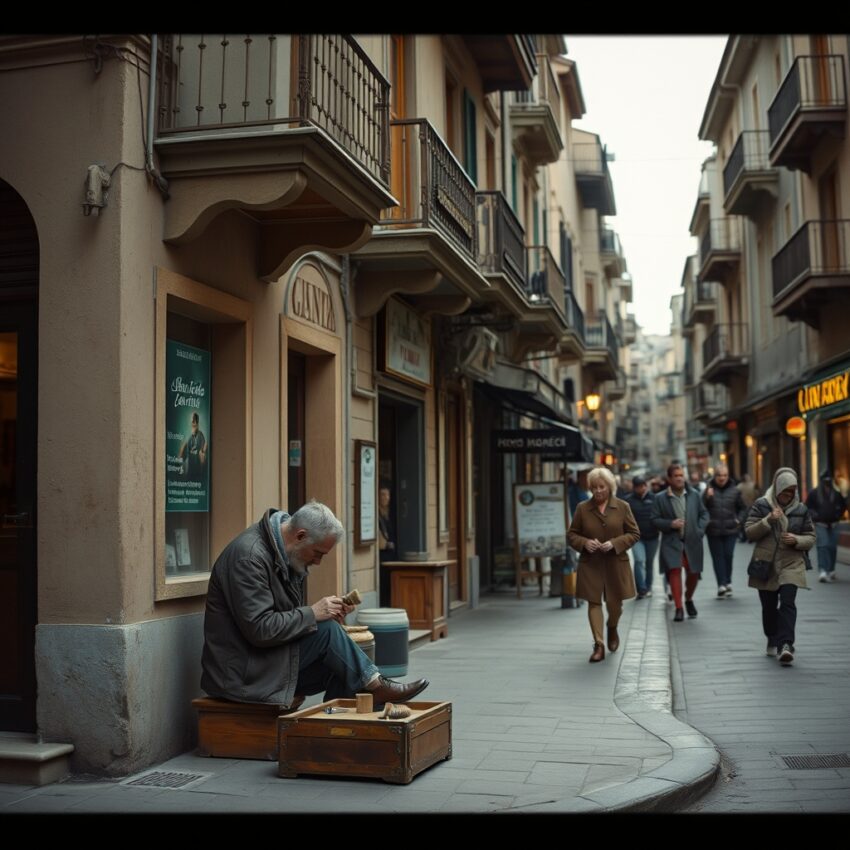
Eski şehirlerde bazı köşeler yön tarifinden önce insan tarif ederdi. Ayakkabı boyacısının taburesi, fırçası ve küçük sandığıyla tuttuğu köşe de bunlardan biriydi. Sabahın erken saatlerinde henüz dükkânlar tam açılmamışken bile o köşede bir hazırlık görülürdü: fırçalar sıraya dizilir, cilalar kontrol edilir, bezler silkelenirdi. Boyacı, yalnız müşteri bekleyen biri gibi değil, sokağın düzenini başlatan görünmez görevlilerden biri gibi dururdu. Yoldan geçen memur, okula yetişen çocuk, çarşıya çıkan esnaf onun önünden geçerken köşenin dolu olduğunu bilirdi. Bu kalıcılık, eski şehir hayatının kalbinde neden yer ettiğini anlamak için ilk ipucudur; çünkü bazı meslekler yalnız hizmet vermez, kamusal süreklilik hissi de üretir.
Mahalle Kültürü içinde ayakkabı boyacısının yeri, sokak hayatının ritmine tutunan emek biçimlerinden biri oluşundan gelir. O, dükkân sahibi kadar yerleşik ama seyyar satıcı kadar açık havaya bağlı bir figürdü. İşte bu ara konum, onu hem görünür hem de herkesle temas kurabilen biri hâline getirirdi. Bir köşeye yerleştiğinde orası yalnız iş yapılan nokta değil, kısa sohbetlerin, sabah selamlarının ve güncel haberlerin toplandığı küçük bir istasyona dönüşürdü. İnsanlar ayakkabı boyatmak için birkaç dakika otururken mahalledeki fiyatlardan çocukların okul durumuna, resmi dairelerin kalabalığından düğün hazırlıklarına kadar pek çok şey konuşulurdu. Boyacı, dinleyerek ve hatırlayarak şehrin hafızasına çalışırdı adeta.
Bu köşe nöbetinin kalpte yer etmesinin bir nedeni de eski şehirlerde dış görünüş ile toplumsal saygınlık arasındaki ilişkinin daha görünür olmasıdır. Parlak bir ayakkabı yalnız temizliğin değil, özenin ve ciddiyetin işareti sayılırdı. Memurlar işine, öğrenciler törene, damatlar nişana ya da bayram ziyaretine giderken ayakkabısını boyatmayı küçük ama anlamlı bir hazırlık kabul ederdi. Boyacı da bu hazırlığın görünmeyen ortağıydı. Fırçanın ritmik sesi, cilanın kokusu ve sandığın üzerine uzatılan ayak, sokağın ortasında kurulan kısa bir bakım sahnesi yaratırdı. Üstelik bu sahne, balkonlardan bakanların da fark ettiği türden bir gündelik hayattı. Rüzgâr alan balkonlarda oturanlar aşağıdaki köşede sabit duran boyacıyı günün akışıyla birlikte izler, şehrin nabzını biraz da o hareket üzerinden okurdu.
Ayakkabı boyacısının kent belleğine incece yerleşmesi tam da bu tekrar sayesindedir. Her gün aynı köşede görülmek, o köşeyi kişisel olmaktan çıkarıp ortak bir referansa dönüştürürdü. “Boyacının oradan dön”, “köşedeki ustanın yanına kadar gel” gibi cümleler, bir mesleğin şehrin haritasına nasıl işlendiğini gösterir. Çocuklar için bu köşe sabırla beklemeyi, büyükler için kısa bir nefeslenmeyi, esnaf için günün başladığını hissetmeyi anlatırdı. Boyacı çoğu zaman kimsenin büyük cümleler kurmadığı, ama herkesin varlığını doğal kabul ettiği bir figürdü. Bu sessiz kabul, eski şehir hayatının en güçlü bağ dokularından biridir. Çünkü şehir dediğimiz şey yalnız binalardan değil, her gün yerinde duran insanlardan da oluşur.
Bugün ayakkabı boyacısının köşe nöbeti neden hâlâ hatırlanıyor diye düşündüğümüzde, cevap biraz da emeğin görünür olduğu o yalın sahnede saklıdır. Boyacı, modern hızdan önce kentin yüzeyinde insan eliyle sürdürülen bakımı temsil ediyordu. Onun köşesi, yalnız ayakkabıların parladığı değil; selamın, bekleyişin ve küçük sohbetin de cilalandığı bir alandı. Eski şehir hayatının kalbinde yer etmesi bundan. Çünkü o köşe, şehrin acele etmeyen ama dağılmayan düzenini gösteriyordu. Balkonlardan, kaldırımlardan, dükkân önlerinden izlenen bu gündelik sahne; bugün bile kent belleğinde sıcak, mütevazı ve silinmeyen bir iz bırakmaya devam ediyor.
🇬🇧 English | Why Did the Shoe Shiner’s Corner Watch Take Root in the Heart of Old City Life by Settling Gently into Urban Memory on Wind-Catching Balconies?
In older cities, some corners described people before they described direction. The corner held by the shoe shiner with his stool, brushes, and small box was one of them. In the early morning, even before the shops had fully opened, that corner already showed signs of preparation: brushes lined up, polish checked, cloths shaken out. The shoe shiner stood there not only like someone waiting for customers, but almost like one of the invisible workers who began the order of the street. Office clerks passing by, children on their way to school, and tradesmen heading toward the market all knew that the corner was occupied. This permanence is the first clue to understanding why it took such a central place in old city life. Some occupations do not merely provide service. They create a feeling of public continuity.
Within neighborhood culture, the shoe shiner belonged to those forms of labor attached to the rhythm of street life itself. He was as settled as a shopkeeper, yet as exposed to open air as an itinerant vendor. That in-between position made him highly visible and in contact with nearly everyone. Once he settled into a corner, it became more than a workplace. It turned into a small station of brief conversation, morning greetings, and passing news. While people sat for a few minutes to have their shoes polished, they spoke about prices in the market, children’s school matters, crowds at public offices, or preparations for a wedding. In a sense, the shoe shiner worked for the city’s memory by listening and remembering.
Another reason this corner watch stayed so close to the heart lies in the visible connection between appearance and social dignity in older cities. Shining shoes were seen not merely as cleanliness, but as a sign of care and seriousness. Civil servants on their way to work, students preparing for ceremonies, and bridegrooms heading to engagements or holiday visits all treated shoe polishing as a small yet meaningful act of readiness. The shoe shiner was the unseen partner in that preparation. The rhythmic sound of the brush, the smell of polish, and the foot extended onto the wooden box created a brief scene of care in the middle of the street. It was also the kind of scene visible from above. Those sitting on wind-catching balconies watched the man fixed to the corner below and read the pulse of the city partly through that repeated motion.
The shoe shiner settled gently into urban memory precisely through repetition. To be seen in the same corner every day transformed that place from something personal into a shared point of reference. Phrases such as “turn where the shoe shiner sits” or “come up to the man at the corner” show how an occupation could be written into the map of a city. For children, that corner meant learning patience; for adults, it offered a brief pause; for local tradesmen, it signaled that the day had begun. The shoe shiner was usually not someone about whom great speeches were made, but someone whose presence everybody accepted as natural. That quiet acceptance is one of the strongest connective tissues of old city life. A city is made not only of buildings, but also of people who remain in their place day after day.
When we think today about why the shoe shiner’s corner watch is still remembered, the answer lies partly in that simple scene where labor remained visible. Before the speed of modern life, he represented care maintained by human hands on the surface of the city. His corner was not only a place where shoes were made to shine. It was also a place where greetings, waiting, and small talk were polished. That is why it found its place in the heart of old urban life. The corner showed the city’s order: unhurried, yet never falling apart. Watched from balconies, pavements, and shopfronts, that everyday scene continues even now to leave a warm, modest, and lasting trace in urban memory.
🇧🇷 Português (Brasil) | Por Que a Vigília de Esquina do Engraxate Ocupou o Coração da Vida Urbana Antiga ao se Instalar Suavemente na Memória da Cidade nas Varandas Ventiladas?
Nas cidades antigas, alguns cantos descreviam pessoas antes mesmo de servirem para dar direção. A esquina ocupada pelo engraxate, com seu banquinho, suas escovas e sua pequena caixa, era uma delas. Nas primeiras horas da manhã, antes mesmo de as lojas abrirem por completo, já se via ali um preparo: escovas alinhadas, graxas conferidas, panos sacudidos. O engraxate ficava naquele ponto não apenas como alguém esperando fregueses, mas quase como um dos trabalhadores invisíveis que davam início à ordem da rua. O funcionário público, a criança indo para a escola e o comerciante a caminho do mercado sabiam que aquela esquina estava ocupada. Essa permanência é a primeira pista para entender por que ela ganhou lugar no coração da vida urbana antiga. Há ofícios que não prestam só serviço. Eles criam sensação de continuidade pública.
Dentro da cultura do bairro, o engraxate pertencia às formas de trabalho agarradas ao ritmo da própria rua. Era tão fixo quanto um lojista, mas tão exposto ao ar livre quanto um vendedor ambulante. Essa posição intermediária o tornava visível e em contato com quase todos. Quando se instalava num canto, aquele ponto deixava de ser apenas local de trabalho e virava uma pequena estação de conversa rápida, cumprimentos matinais e notícias que passavam. Enquanto as pessoas se sentavam por alguns minutos para engraxar os sapatos, falavam sobre os preços no mercado, a escola das crianças, a fila nos órgãos públicos ou os preparativos de um casamento. De certo modo, o engraxate trabalhava para a memória da cidade ao ouvir e guardar tudo isso.
Outra razão para essa vigília de esquina ter entrado tão fundo no coração da cidade está na ligação visível entre aparência e dignidade social nas cidades de antes. Sapato brilhando não era apenas sinal de limpeza, mas também de cuidado e seriedade. Funcionários a caminho do trabalho, estudantes em dia de cerimônia e noivos indo para visitas ou compromissos viam o engraxar como um preparo pequeno, mas importante. O engraxate era o parceiro invisível dessa preparação. O som ritmado da escova, o cheiro da graxa e o pé apoiado sobre a caixa criavam uma breve cena de cuidado no meio da rua. Era também o tipo de cena que podia ser observado do alto. Quem se sentava nas varandas ventiladas via o homem firme naquela esquina e lia um pouco do pulso da cidade naquele gesto repetido.
A presença do engraxate entrou suavemente na memória urbana justamente por causa da repetição. Estar todos os dias no mesmo ponto transformava a esquina em referência coletiva, não apenas pessoal. Frases como “vira no engraxate” ou “vem até o homem da esquina” mostram como um ofício podia ser inscrito no mapa da cidade. Para as crianças, aquele lugar ensinava a esperar; para os adultos, oferecia uma pequena pausa; para os comerciantes, marcava o começo real do dia. O engraxate quase nunca era personagem de grandes discursos, mas alguém cuja presença todos aceitavam como natural. Essa aceitação silenciosa é um dos tecidos mais fortes da vida urbana antiga. Uma cidade não é feita apenas de construções, mas também de pessoas que permanecem no seu lugar dia após dia.
Quando pensamos hoje por que a vigília de esquina do engraxate ainda é lembrada, a resposta está em parte naquela cena simples em que o trabalho permanecia visível. Antes da velocidade moderna, ele representava o cuidado mantido por mãos humanas na superfície da cidade. Sua esquina não era apenas um lugar onde sapatos ganhavam brilho. Era também um lugar onde se poliam o cumprimento, a espera e a conversa breve. É por isso que ocupou o coração da vida urbana antiga. Aquele canto mostrava a ordem da cidade: sem pressa, mas sem se desfazer. Vista das varandas, das calçadas e das portas das lojas, essa cena cotidiana ainda deixa na memória urbana um traço quente, modesto e duradouro.