🇹🇷 Türkçe | salonda toplanan ailelerin sessiz heyecanı ve pager cihazı: analog çağın unutulmayan heyecanını anlatıyor rüzgâr alan balkonlarda kent belleğine incece yerleşerek
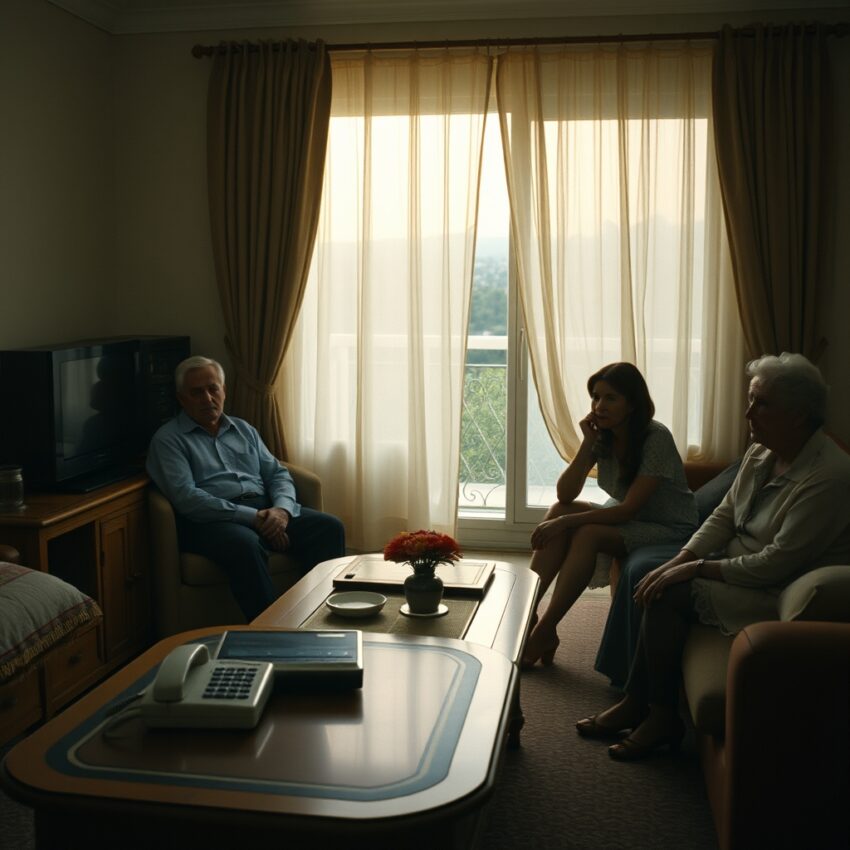
Bazı cihazlar evin ortasında durduğu hâlde sesinden çok bekleyişiyle hatırlanır. Pager da böyleydi. Salonun bir köşesinde, telefonun yakınında ya da babanın ceket cebinde duran o küçük cihaz, çaldığında evi bir anda başka bir dikkat düzenine sokardı. Ekranı bugünün gözüne göre sade, sesi kısa ve ısrarlıydı; ama tam da bu sadelik yüzünden her uyarı önem taşırdı. Aileler özellikle akşam saatlerinde salonda toplanmışken, televizyonun sesi biraz kısılır, herkes “kimden acaba” bakışıyla birbirine dönerdi. Mesajın çok kısa oluşu, onu daha da büyük gösterirdi. Çünkü pager, söylediğinden fazlasını hissettiren bir teknoloji olarak analog çağın sabrını ve heyecanını aynı avuç içine sığdırıyordu.
Teknoloji Mirası açısından pager, iletişim tarihinin geçiş dönemini temsil eden en çarpıcı araçlardan biridir. Ne bütünüyle eski dünyanın ağır haberleşme düzenine aittir ne de bugünün kesintisiz bağlantı fikrine. Onun asıl önemi, ulaşılabilirlik duygusunu ilk kez gündelik hayatın içine bu kadar görünür biçimde yerleştirmesinde yatar. Doktorlar, saha çalışanları, teknik personel ya da sürekli hareket hâlinde olan insanlar için pager yalnız bir araç değildi; mesleki sorumluluğun taşınabilir işaretiydi. Ama şehir hafızasında kalan yalnız bu işlevsellik değildir. Kentte yaşayan aileler için pager, ev içi bekleyişi modernleştiren bir nesneye dönüştü. Telefondan önce haber veren, ama yine de nihai konuşmayı erteleyen yapısıyla, insanları hem yakınlaştıran hem de kısa bir gerilim alanı yaratan aracı bir dünyaya aitti.
Salonlarda toplanan ailelerin sessiz heyecanı biraz da bu aradalık hissinden doğardı. Mesaj gelir, cihaz elde çevrilir, numaraya dikkatle bakılır, sonra çoğu zaman sabit telefona yönelinirdi. Bu süreç birkaç saniye sürse de, evin içinde küçük bir sahne yaratırdı. Çocuklar ekranın anlamını tam çözmeden meraklanır, anneler haberin aciliyetini ses tonundan anlamaya çalışır, balkon kapısı açıksa içeri giren rüzgâr perdeyi hafifçe kaldırırken o kısa uyarı bütün odanın havasını değiştirirdi. Rüzgâr alan balkonlar bu yüzden yalnız fiziksel bir ayrıntı değildir; o dönemin ev düzenini anlatan tamamlayıcı sahnelerdir. Çünkü birçok evde pager sonrası telefon görüşmesi ya salondaki sabit hatla ya da balkon kenarında biraz daha sakin konuşulan bir köşede sürerdi. Teknoloji böylece mekânı da biçimlendirirdi.
Pager’ın unutulmayan heyecanı, bugünün hızına göre yavaş sayılabilecek bir iletişim biçiminden geliyordu. Her şeyi aynı anda söylemeyen, yalnızca çağıran bir sistemdi bu. Mesajın kısalığı, onu alan kişiye yorum yapma, tahminde bulunma ve hemen harekete geçme sorumluluğu verirdi. Analog çağın mühendislik mantığı da burada görünür olur: küçük ekran, ekonomik karakter kullanımı, sınırlı ama güvenilir sinyal, pil ömrüne dikkat eden tasarım. Cihazın kendisi mütevazıydı; fakat yarattığı duygusal etki büyüktü. Bu yüzden pager, şehir hayatında yalnız profesyonel bir aksesuar olarak değil, ortak hafızaya sinmiş bir gerilim ve itina simgesi olarak kaldı. Salonda bekleyen aile ile dışarıdaki iş dünyası aynı cihazın iki ucunda buluşuyordu.
Bugün pager neden hâlâ ince bir nostaljiyle anılıyor diye düşündüğümüzde, cevabı biraz da eksik bilgiyle kurulan o yoğun heyecanda buluruz. Her bildirim hayatın tamamını ele geçirmiyor, ama kısa bir anlığına herkesin dikkatini tek noktada topluyordu. Aile üyeleri birbirinin yüzünü okuyor, kimin aradığı kadar neyin önemli olduğu da birlikte seziliyordu. Kent belleğine incece yerleşmesi bundan; teknolojinin yalnız ekrana değil, ev içi davranışlara, balkon konuşmalarına ve akşam oturuşlarına da biçim vermesinden. Pager artık ortalarda yok belki, ama salonda bir anda kısılan televizyon sesi ve ardından başlayan sessiz merak, analog çağın unutulmayan heyecanı olarak hâlâ hafızada yerini koruyor.
🇬🇧 English | The Quiet Excitement of Families Gathered in the Living Room and the Pager Device: Telling the Unforgettable Thrill of the Analog Age by Settling Gently into Urban Memory on Wind-Catching Balconies
Some devices are remembered less for their sound than for the waiting they created, even when they stood in the middle of the home. The pager was one of them. Resting on a corner table in the living room, near the telephone, or inside a father’s jacket pocket, that small device could suddenly place the household into a different order of attention whenever it beeped. Its screen was simple by today’s standards, its tone short and insistent, yet for precisely that reason every alert mattered. Especially in the evening, when families were gathered in the sitting room, the television would be lowered a little and everyone would turn toward one another with the same expression: who could it be? Because the message was so brief, it seemed larger than itself. The pager fit both patience and suspense from the analog age into the palm of a hand.
From the perspective of technological heritage, the pager is one of the clearest tools of a transitional phase in communication history. It belongs neither fully to the slower order of the older world nor to today’s idea of uninterrupted connection. Its importance lies in making the feeling of being reachable visibly present in daily life for the first time. For doctors, field workers, technicians, and people constantly on the move, the pager was not merely a device. It was a portable sign of responsibility. Yet what remained in urban memory was not only this practical function. For families living in the city, the pager became an object that modernized domestic waiting. By announcing news before the phone call but postponing the final conversation, it belonged to an in-between world that brought people closer while also creating a brief zone of tension.
The quiet excitement of families gathered in the living room was born partly from that sense of in-between time. A message arrived, the device was turned in the hand, the number was studied carefully, and then one usually moved toward the landline telephone. The entire process lasted only seconds, but it created a small scene inside the home. Children grew curious without fully understanding the screen, mothers tried to gauge the urgency from a person’s tone, and if the balcony door was open, the breeze lifting the curtain slightly could make that short alert alter the atmosphere of the whole room. That is why wind-catching balconies are not a random detail. They complete the domestic scene of the period. In many homes, the return call after the pager message happened either by the living-room telephone or in a quieter corner near the balcony. Technology was shaping space as well.
The excitement that made the pager unforgettable came from a form of communication that now seems slow beside today’s speed. It did not say everything at once. It simply called. The brevity of the message gave the receiver the responsibility to interpret, to guess, and to act quickly. Here the engineering logic of the analog age becomes visible: a small screen, economical characters, limited but dependable signal, and design attentive to battery life. The device itself was modest, but the emotional effect it produced was large. For that reason the pager remained in city life not only as a professional accessory, but as a symbol of tension and care that settled into common memory. The family waiting in the living room and the world of work outside met at the two ends of the same device.
When we think today about why the pager is still remembered with such fine nostalgia, the answer lies partly in the intensity created by incomplete information. No notification swallowed the whole of life, yet for a brief instant it gathered everyone’s attention into one point. Family members read one another’s faces, and together sensed not only who might be calling, but what kind of importance was approaching. It settled gently into urban memory for that reason: because the technology shaped not only the screen, but also domestic behavior, balcony conversations, and evening sitting rituals. The pager may no longer be around, but the moment when the television volume dropped and a quiet curiosity filled the room still remains in memory as one of the analog age’s unforgettable thrills.
🇧🇷 Português (Brasil) | A Silenciosa Empolgação das Famílias Reunidas na Sala e o Aparelho Pager: Contando a Emoção Inesquecível da Era Analógica ao se Instalar Suavemente na Memória Urbana nas Varandas Ventiladas
Alguns aparelhos são lembrados menos pelo som que emitem do que pela espera que produzem, mesmo quando ficam no centro da casa. O pager era um deles. Num canto da sala, perto do telefone, ou no bolso do paletó do pai, aquele pequeno dispositivo colocava a casa inteira em outro estado de atenção quando apitava. A tela era simples para os padrões de hoje, e o som, curto e insistente; justamente por isso, cada aviso parecia importante. Especialmente à noite, quando a família estava reunida na sala, o volume da televisão baixava um pouco e todos se olhavam com a mesma pergunta silenciosa: de quem será? Como a mensagem era tão curta, ela parecia maior do que de fato era. O pager colocava na palma da mão, ao mesmo tempo, a paciência e a tensão da era analógica.
No campo da herança tecnológica, o pager é um dos sinais mais claros de uma fase de transição na história da comunicação. Ele não pertence inteiramente nem ao ritmo mais lento do mundo antigo nem à ideia atual de conexão contínua. Sua importância está em ter levado a sensação de estar acessível para dentro da vida cotidiana de forma visível. Para médicos, técnicos, profissionais de campo e pessoas sempre em movimento, o pager não era só um aparelho. Era um sinal portátil de responsabilidade. Mas o que ficou na memória da cidade não foi apenas essa utilidade. Para as famílias urbanas, o pager se transformou num objeto que modernizava a espera doméstica. Ao avisar antes do telefonema, mas adiar a conversa final, ele pertencia a um mundo intermediário que aproximava as pessoas e ao mesmo tempo criava uma pequena zona de tensão.
A silenciosa empolgação das famílias reunidas na sala nascia em parte dessa sensação de intervalo. Chegava a mensagem, o aparelho era virado na mão, o número era observado com cuidado e, em seguida, quase sempre alguém se dirigia ao telefone fixo. O processo durava apenas segundos, mas criava uma pequena cena dentro de casa. As crianças ficavam curiosas sem entender totalmente a tela, as mães tentavam perceber a urgência pelo tom da reação, e, se a porta da varanda estivesse aberta, o vento levantando a cortina fazia aquele breve sinal mudar o clima de todo o cômodo. Por isso as varandas ventiladas não são um detalhe qualquer. Elas completam a cena doméstica daquele período. Em muitas casas, a ligação de retorno acontecia no telefone da sala ou num canto mais calmo perto da varanda. A tecnologia também moldava o espaço.
A emoção inesquecível do pager vinha de uma forma de comunicação que hoje pareceria lenta diante da velocidade atual. Ele não dizia tudo de uma vez. Apenas chamava. A brevidade da mensagem dava a quem a recebia a responsabilidade de interpretar, imaginar e agir rápido. É aí que aparece a lógica de engenharia da era analógica: tela pequena, uso econômico de caracteres, sinal limitado mas confiável e desenho atento à duração da bateria. O aparelho em si era modesto, mas o efeito emocional que produzia era grande. Por isso o pager permaneceu na vida urbana não apenas como acessório profissional, mas como símbolo de tensão e cuidado gravado na memória comum. A família à espera na sala e o mundo de fora se encontravam nas duas pontas do mesmo aparelho.
Quando pensamos hoje por que o pager ainda é lembrado com uma nostalgia tão fina, a resposta está em parte na intensidade produzida pela informação incompleta. Nenhum aviso tomava conta de toda a vida, mas por um instante concentrava a atenção de todos num único ponto. Os membros da família liam o rosto uns dos outros e tentavam sentir juntos não só quem chamava, mas que importância vinha junto. Ele se instalou suavemente na memória urbana por isso: porque essa tecnologia moldava não apenas a tela, mas também os gestos dentro de casa, as conversas na varanda e o jeito de passar a noite na sala. O pager pode ter desaparecido, mas o momento em que a televisão era abaixada e a curiosidade silenciosa preenchia o ambiente continua vivo como uma das emoções inesquecíveis da era analógica.