🇹🇷 Türkçe | gramofon başında geçen saatler: tamircilerin elinde neden ikinci bir ömür bulduğunu açıklıyor pencere önlerinde bekleyen akşamlarda bir posta kartının arkasında saklıymış gibi
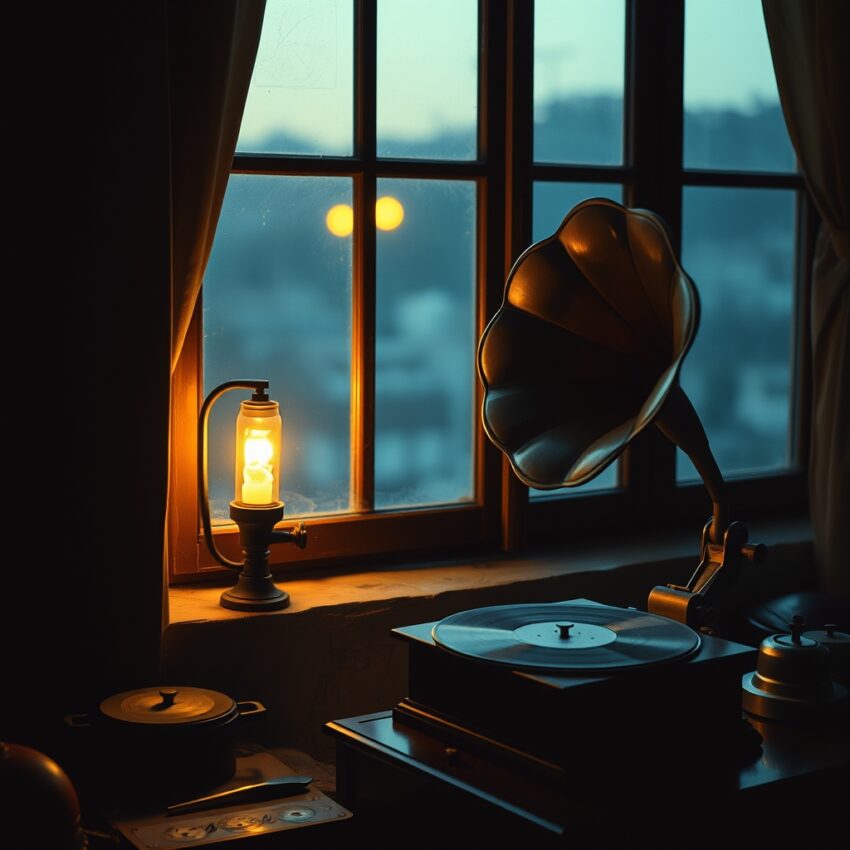
Bazı eşyalar yalnız ses çıkarmaz; bekleyişin biçimini de değiştirir. Gramofon, pencere önlerinde uzayan akşamlarda böyle bir eşlikçiydi. Gün yavaş yavaş çekilir, tül perde hafifçe kıpırdar, sokaktan geçen ayak sesleri seyrelirken evin içinde bir hazırlık hissi oluşurdu. Kapağı dikkatle açılan, iğnesi özenle yerleştirilen gramofon, çalışmaya başlamadan önce bile odaya bir ciddiyet verirdi. Bir plağın dönmeye başlaması, sanki bir posta kartının arkasında saklı kalmış uzak bir hatıranın yavaşça görünür olması gibiydi. Ses hemen kusursuz gelmezdi; küçük çıtırtılar, dönemin tozunu ve zamanın aşınmasını birlikte taşırdı. Ama tam da bu nedenle gramofonun sesi daha insani, daha yakın, daha sahip çıkılmaya değer duyulurdu.
Teknoloji Mirası bakımından gramofonun en ilginç yanı, tek bir kullanım ömrüne sahip olmamasıdır. O, bozulduğunda gözden çıkarılan değil; tamircinin eline gittiğinde yeniden saygıyla kurulan bir cihazdı. Eski şehirlerde elektrikçi dükkânına benzeyen ama biraz daha sessiz çalışan bu küçük tamir atölyeleri, analog çağın sabrını temsil ederdi. Raflarda kayışlar, iğneler, yaylar, kutular içinde küçücük vidalar bulunur; ustanın eli hem makineyi hem müşterinin hatırasını tamir ettiğini bilerek hareket ederdi. Çünkü gramofon eve yalnız müzik getirmezdi. Düğünlerde çalmış, bayram sabahlarında kurulmuş, yalnız geçirilen bir akşamı biraz daha katlanılır kılmış olabilirdi. Tamirciler bu yüzden mekanik parçalarla birlikte duygusal bir devamlılığı da onarırdı. İkinci ömür dediğimiz şey, biraz onların el maharetinde, biraz da müşterinin vazgeçmeme isteğinde saklıydı.
Gramofon başında geçen saatler bir teknolojiyi kullanmaktan çok bir ritüele katılmak demekti. Plağın kılıfından çıkarılması, yüzeyde toz kalıp kalmadığının gözle kontrol edilmesi, kolun acele edilmeden yerine oturtulması, odadaki konuşmanın sesin başlamasıyla biraz kısılması… Bunların hepsi makinenin çevresinde oluşmuş kültürel hareketlerdi. Çocuklar çoğu zaman bu ritüeli büyülenmiş gibi izlerdi; sesi çıkaran şeyin tam olarak nerede saklandığını anlamaya çalışır, dönen plakla odanın bir anda değişen havası arasında bağ kurardı. Büyükler içinse gramofon, dinleme eylemini gündelik gürültüden ayıran bir nesneydi. Radyo gibi akıp gelen değil; özellikle seçilip başlatılan bir ses deneyimiydi bu. Dolayısıyla gramofonun etrafında oluşan dikkat biçimi de daha yoğun, daha törensel ve biraz daha kişisel olurdu.
Tamircilerin elinde ikinci bir ömür bulmasının nedeni, gramofonun yalnızca bir cihaz değil, estetik bir varlık oluşuyla da ilgilidir. Pirinç ayrıntılar, ahşap kutular, geniş kornalar ya da kapaklı gövdeler, onu evin içinde saklanacak değil gösterilecek bir eşya hâline getirirdi. Bu yüzden bozulduğunda “yenisini alalım” demek her zaman kolay değildi; çünkü yenisi aynı görünüşü, aynı sesi ve aynı hikâyeyi taşımayacaktı. Birçok evde gramofon, misafire gösterilen, başında biraz daha düzgün oturulan, çocuklara dikkatli yaklaşmaları tembih edilen bir köşede dururdu. Onun yeniden çalışır hâle gelmesi, evde yalnız işlevin değil, itibarın da geri dönmesi demekti. Pencere önlerinde bekleyen akşamlar boyunca kurulan bu ilişki, teknolojinin soğuk değil, bakım isteyen canlı bir varlık gibi algılandığını gösterir.
Bugün gramofonun neden hâlâ bir posta kartının arkasına saklanmış gibi romantik göründüğünü sorduğumuzda, cevap biraz da bu kırılgan süreklilikte bulunur. Çıtırtılı sesine rağmen atılmayan, ustaya götürülen, yeniden eve getirilen ve yeniden dinlenen bir cihaz, hız çağının alıştığı tüketim mantığına uymaz. O yüzden hafızada daha derin kalır. Gramofon bize bir zamanlar teknolojinin yalnız yenilikten ibaret olmadığını, emek ve sadakatle uzatılan bir ömrü de olduğunu hatırlatır. Pencere önlerinde akşamı bekleyen insanlar için o ses, yalnız müzik değil; eşyaya bağlılığın, tamire duyulan güvenin ve kaybolmasın istenen bir dünyanın yankısıydı.
🇬🇧 English | The Hours Spent Beside the Gramophone: Why Did It Find a Second Life in the Hands of Repairmen, as if Hidden on the Back of a Postcard During Evenings Waiting by the Window?
Some objects do more than produce sound. They also change the shape of waiting. In long evenings spent by the window, the gramophone was exactly that kind of companion. The day slowly withdrew, the sheer curtain moved lightly, the sounds of footsteps outside grew fewer, and inside the house a sense of preparation took form. The gramophone, whose lid was opened with care and whose needle was placed with attention, gave seriousness to the room even before it began to play. When the record started to turn, it felt as though a distant memory hidden on the back of a postcard were gradually becoming visible. The sound did not arrive in perfect condition. Small crackles carried both the dust of the period and the wear of time. Yet for that very reason, the sound of the gramophone felt more human, closer, and more worthy of being protected.
From the perspective of technological heritage, one of the most remarkable things about the gramophone is that it did not belong to a single life span. When it broke, it was not simply discarded. It was restored with respect in the hands of a repairman. In older cities, those small workshops, resembling electrical repair shops but working in a quieter register, represented the patience of the analog age. On shelves stood belts, needles, springs, and tiny screws in little boxes, and the craftsman’s hand moved with the knowledge that he was repairing not only a machine, but a memory. The gramophone had not merely brought music into the home. It may have played at weddings, been wound up on holiday mornings, or made a solitary evening easier to bear. Repairmen therefore restored emotional continuity alongside mechanical parts. What we call a second life was hidden partly in their skill, and partly in the owner’s refusal to give up on the object.
The hours spent beside a gramophone meant more than using a piece of technology. They meant participating in a ritual. Removing the record from its sleeve, checking with the eye whether dust remained on the surface, lowering the arm without hurry, and allowing conversation in the room to soften as the sound began, all of these were cultural gestures formed around the machine. Children often watched this ritual with something like enchantment. They tried to understand where the sound was truly hidden, and how the turning record could so suddenly alter the atmosphere of the room. For adults, the gramophone was an object that separated listening from the noise of daily life. Unlike the radio, which flowed in from elsewhere, this was a sound chosen and deliberately begun. For that reason, the kind of attention gathered around the gramophone was more concentrated, more ceremonial, and more personal.
Its second life in the hands of repairmen also had to do with the fact that the gramophone was not only a device, but an aesthetic presence. Brass details, wooden boxes, wide horns, or lid-covered bodies made it an object to be displayed rather than hidden away. That is why it was never easy simply to say, “let us buy another one,” when it failed. A replacement would not carry the same appearance, the same sound, or the same story. In many homes the gramophone stood in a corner that was shown to guests, beside which one sat a little more carefully, and near which children were told to be especially gentle. To make it work again meant restoring not only function, but dignity within the home. The relationship built around it during evenings waiting by the window shows that technology was once perceived not as something cold, but as something alive enough to deserve care.
When we ask today why the gramophone still appears romantic, as though hidden on the back of an old postcard, the answer lies partly in that fragile continuity. A device that was not thrown away despite its crackling sound, but taken to a craftsman, brought back home, and listened to again, does not fit the logic of disposable speed. That is why it remains more deeply in memory. The gramophone reminds us that technology once meant not only novelty, but also a life extended through labor and loyalty. For those who waited for evening beside the window, its sound was not merely music. It was the echo of attachment to objects, trust in repair, and a world people did not want to lose.
🇧🇷 Português (Brasil) | As Horas Passadas ao Lado do Gramofone: Por Que Ele Encontrava uma Segunda Vida nas Mãos dos Consertadores, Como se Estivesse Escondido no Verso de um Cartão-Postal nas Noites à Espera da Janela?
Alguns objetos fazem mais do que produzir som. Eles também mudam a forma da espera. Nas noites longas vividas perto da janela, o gramofone era exatamente esse tipo de companhia. O dia ia se recolhendo devagar, a cortina leve se movia um pouco, os passos na rua ficavam mais raros, e dentro de casa surgia uma sensação de preparação. O gramofone, cujo tampo era aberto com cuidado e cuja agulha era colocada com atenção, já dava seriedade ao ambiente antes mesmo de começar a tocar. Quando o disco começava a girar, era como se uma lembrança distante, escondida no verso de um cartão-postal, se tornasse visível aos poucos. O som não vinha perfeitamente limpo. Pequenos estalos carregavam ao mesmo tempo a poeira da época e o desgaste do tempo. Mas era justamente por isso que a voz do gramofone parecia mais humana, mais próxima e mais digna de ser preservada.
No campo da herança tecnológica, uma das coisas mais marcantes do gramofone é que ele não pertencia a uma única duração de uso. Quando quebrava, não era simplesmente descartado. Era recomposto com respeito nas mãos do consertador. Nas cidades antigas, essas pequenas oficinas, parecidas com lojas de reparo elétrico mas funcionando num ritmo mais silencioso, representavam a paciência da era analógica. Nas prateleiras havia correias, agulhas, molas e parafusos minúsculos em caixinhas, e a mão do mestre se movia sabendo que estava consertando não apenas uma máquina, mas uma lembrança. O gramofone não levava só música para dentro de casa. Ele podia ter tocado em casamentos, sido acionado em manhãs de festa ou tornado mais suportável uma noite de solidão. Por isso os consertadores restauravam, junto com as peças mecânicas, uma continuidade afetiva. O que chamamos de segunda vida estava guardado em parte na habilidade deles e em parte na vontade do dono de não desistir do objeto.
As horas passadas diante do gramofone significavam mais do que usar uma tecnologia. Significavam entrar num ritual. Tirar o disco da capa, verificar com os olhos se ainda havia poeira na superfície, abaixar o braço sem pressa e deixar que a conversa no quarto diminuísse quando o som começava, tudo isso eram gestos culturais formados ao redor da máquina. As crianças observavam esse ritual quase encantadas. Tentavam entender onde exatamente o som estava escondido e como o disco girando conseguia mudar tão depressa o clima do ambiente. Para os adultos, o gramofone separava o ato de escutar do ruído comum do dia. Diferente do rádio, que chegava correndo de fora, ali o som era escolhido e iniciado com intenção. Por isso a forma de atenção reunida ao redor do gramofone era mais concentrada, mais cerimonial e mais pessoal.
O fato de ele encontrar uma segunda vida nas mãos dos consertadores também se explica porque o gramofone não era apenas um aparelho, mas uma presença estética. Detalhes de latão, caixas de madeira, grandes cornetas ou corpos com tampa faziam dele um objeto feito para ser mostrado, não escondido. Por isso nunca era simples dizer “vamos comprar outro” quando ele parava de funcionar. Um novo não traria a mesma aparência, o mesmo som nem a mesma história. Em muitas casas, o gramofone ficava num canto mostrado às visitas, ao lado do qual as pessoas se sentavam com mais cuidado e perto do qual as crianças eram advertidas a agir com delicadeza. Fazê-lo tocar outra vez significava recuperar não apenas a função, mas também certa dignidade dentro da casa. A relação construída com ele durante as noites à espera da janela aberta mostra que a tecnologia já foi percebida não como algo frio, mas como algo vivo o bastante para merecer cuidado.
Quando perguntamos hoje por que o gramofone ainda parece tão romântico, como se estivesse escondido no verso de um cartão-postal antigo, a resposta está em parte nessa continuidade frágil. Um aparelho que não foi jogado fora apesar dos estalos, mas levado ao mestre, trazido de volta para casa e ouvido outra vez, não combina com a lógica veloz do descarte. É por isso que ele permanece mais fundo na memória. O gramofone nos lembra que a tecnologia já significou não apenas novidade, mas também uma vida prolongada por trabalho e fidelidade. Para quem esperava a noite junto da janela, aquele som não era só música. Era o eco do apego aos objetos, da confiança no conserto e de um mundo que ninguém queria perder.